
Chelating Agents: Your Skincare’s Defense Against Hard Water and Metals
If your cleanser leaves a film or your serum seems less potent, metal ions in your water could be interfering. Chelating agents are the subtle ingredients that prevent this, and I’ll explain how they work.
By reading this, you’ll be empowered to:
- Understand how chelating agents shield formulas from contamination.
- Identify why hard water can undermine your skincare results.
- Choose products that stay effective and gentle on your skin.
Let’s clear up the confusion so you can trust your routine fully.
The Grabby-Hands Molecule: A Simple Analogy for Chelation
Think of a chelating agent as a very polite but determined molecule with multiple grabby hands. Its full-time job is to find and latch onto loose metal ions, like calcium, magnesium, or iron, that are floating around.
These metal ions come from hard tap water, can be present in some raw ingredients, or even leach from packaging. Once the chelator has them in its grasp, it forms a tight, stable complex.
This action neatly wraps up the metal ions so they can’t interact with anything else, protecting both your skin and the product’s formula from their meddling.
It’s crucial to remember that chelating agents are working behind the scenes. You won’t feel a tingle or see immediate brightening from them. Their primary role is as a formula guardian, not a direct treatment for wrinkles or acne.
Why Your Skincare Formula Needs This Invisible Bodyguard
Chelators aren’t just filler ingredients, they are fundamental for a product’s stability and your experience using it. Without them, many formulas would degrade faster and perform worse on your skin.
If you’ve ever felt a filmy residue after cleansing or noticed your hair is dull, hard water (which is high in calcium and magnesium) is often the culprit. For clients like Noah with dry, reactive skin, that leftover film can be a subtle irritant and prevent moisturizers from absorbing properly.
Metal ions are also notorious for breaking down the good guys in your products. They can catalyze oxidation, which is a fancy way of saying they speed up the process that turns your vitamin C serum brown or makes natural oils smell rancid.
They can even reduce the effectiveness of a product’s preservative system. By sequestering these metals, chelators help preserve the preservative, extending a product’s shelf life and safety.
Stopping Hard Water From Ruining Your Glow
You know that cloudy, chalky buildup called soap scum on your shower door? A similar reaction can happen on your skin when the minerals in hard water mix with the surfactants in your cleanser.
This leaves a micro-film that can contribute to dullness, dryness, or a feeling that your face isn’t truly clean. It can also make acne treatments (like salicylic and glycolic acid products) less effective by creating a barrier.
Chelating agents in rinse-off products like cleansers and shampoos prevent this reaction. They grab the minerals in the water before the minerals can grab your cleanser, allowing it to rinse away completely with just water.
If you live in an area with hard water, scanning the ingredient list of your cleanser for a chelator can make a noticeable difference in how clean and balanced your skin feels.
Shielding Your Serum From Rogue Metals
For leave-on products like serums and moisturizers, the threat is more about preservation than rinse-off residue. Trace amounts of metals are everywhere, in water used during manufacturing, in natural ingredients, and even in the air.
When these tiny metal particles, especially copper and iron, get into your antioxidant serum, they act like little sparks. They drastically speed up the oxidation process that degrades the active ingredients.
This is why a vitamin C serum without proper protection (including chelators) can turn from clear to amber in weeks, losing its potency. The same process can destabilize delicate plant oils and other actives.
For someone like Lina, who uses a vitamin C serum for brightening, a chelating agent in the formula is a non-negotiable guardian of that investment, ensuring every drop is as effective as the first. Ferulic acid and vitamin E are often included to stabilize vitamin C, helping preserve its potency from bottle to skin. This trio, alongside the chelating agent, guards actives against oxidation so your skin can reap the brightening benefits without chemistry getting in the way. It neutralizes the metallic troublemakers so your actives can work on your skin, not fight chemistry in the bottle.
Common Chelating Agents: From Lab Classics to Plant-Based Options

When you scan an ingredient list, a few chelating agents pop up again and again. Think of them as specialized tools in a formulator’s kit. Some are powerful, lab-created classics, while others are inspired by nature.
Disodium EDTA is arguably the most common. It’s a highly effective synthetic molecule that acts like a powerful magnet specifically for hard water minerals like calcium and magnesium. Its strength lies in creating a very stable bond with metal ions, which makes it exceptionally good at preserving product stability over a long shelf life.
Citric acid, which you might know from citrus fruits, also chelates metals. While it’s naturally occurring, the version in cosmetics is typically produced through fermentation for purity and consistency. Beyond chelation, citric acid often plays a dual role in adjusting a product’s pH level to be skin-friendly. It’s effective but forms slightly less stable bonds with metals compared to EDTA.
Molecule Spec Sheet
| Agent | Primary pH Role | Typical Concentration | Solubility | Safety Profile |
|---|---|---|---|---|
| Disodium EDTA | Stabilizer, not a primary pH adjuster | 0.1% – 0.5% | High in water | Extensively reviewed; deemed safe for use in rinse-off and leave-on cosmetics at these low levels. |
| Citric Acid | pH adjuster & buffer | 0.5% – 2.0% | High in water | Well-tolerated; can cause tingling at very low pH but is safe at formulation concentrations. |
Other options exist for formulators seeking alternatives. Sodium gluconate, derived from glucose, is a gentle and biodegradable option. Phytic acid, extracted from seeds like rice bran, is a plant-based chelator that also offers antioxidant benefits. Choosing one often comes down to a formulator’s priorities, whether that’s maximum stabilization, a specific marketing angle, or creating a fully plant-derived formula.
The Practical Benefits: What This Means for Your Bottle and Your Skin
This chemistry might seem abstract, but its effects are very concrete when you open your skincare cabinet.
- Your products last longer. By neutralizing metal catalysts, chelators prevent oils from turning rancid and preservatives from breaking down prematurely.
- Texture and color stay consistent. Have you ever had a cream separate or a clear serum turn yellowish? Chelating agents help prevent those unsettling changes.
- Your active ingredients stay potent. This is the most crucial skin benefit. Vitamins like C and E, along with retinoids, are highly vulnerable to oxidation when metals are present.
Think of my client Maya and her vitamin C serum. Without a chelator, the iron in her tap water could deactivate the ascorbic acid before it even touched her skin. The chelator acts as a bodyguard, ensuring the brightening and protective ingredients reach her pores at full strength.
A Formulation Pro-Tip
A chelator’s power depends on its pKa, which determines what metal ions it binds best to at a given pH. Disodium EDTA excels at grabbing calcium and magnesium (hard water ions) at skincare’s near-neutral pH. Citric acid is more effective at binding iron at a lower pH. That’s why sophisticated formulas sometimes use a blend, creating a wider net to catch different types of metal contaminants.
Let’s clear up a common confusion: chelating agents in cleansers are not there to “strip” your skin. In products like clarifying face washes, they are present in very low amounts to prevent soap scum and ensure the cleanser rinses cleanly without leaving a film. At these minuscule concentrations, they are working on the formula itself, not aggressively binding to minerals in your skin.
Are Chelating Agents Safe? Addressing Concerns Head-On
It’s reasonable to be cautious. A quick online search might lead you to concerns about EDTA, particularly regarding mineral absorption. Let’s separate the contexts.
The concerns you read about are typically linked to industrial-grade EDTA used in heavy metal detoxification or at very high concentrations. The reality in your skincare is different. In cosmetic formulations, chelating agents are used at remarkably low concentrations, often well below 1%, and are not absorbed into the bloodstream in a way that affects systemic mineral levels. But it can still be beneficial to understand the safety profiles of other common skincare ingredients, like Zinc PCA.
Authoritative bodies have consistently reviewed the safety data. The Cosmetic Ingredient Review (CIR) Expert Panel, which assesses cosmetic ingredient safety, has concluded that ingredients like Disodium EDTA are safe as used in cosmetic formulations, both in rinse-off and leave-on products.
For my sensitive-skinned friends like Lina, who gets nervous about any new ingredient, here’s my clinical observation: when formulated correctly, chelating agents are not typical irritants or allergens. Their job is to stabilize the formula, which can actually make products less irritating by preventing ingredient degradation. If you have reactive skin, your focus should remain on the usual suspects: fragrance, essential oils, and certain active concentrations (especially when distinguishing between purging and irritation). The tiny amount of chelator in the mix isn’t the culprit.
How to Spot a Chelating Agent on Any Ingredient Label
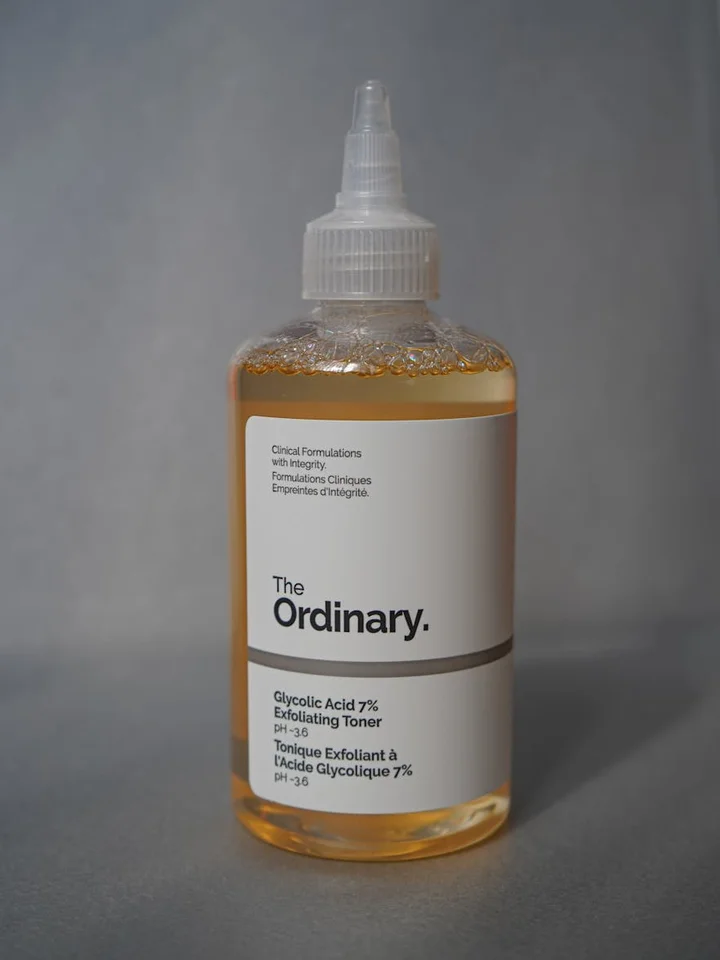
You don’t need a chemistry degree to become an ingredient list detective. Finding chelating agents is about knowing what to look for.
Start by scanning for specific suffixes. The most common chelators end in “EDTA,” “gluconate,” or “citrate.” Disodium EDTA, tetrasodium EDTA, and sodium gluconate are frequent players. If an ingredient sounds like a scientific compound and ends with one of these, it’s likely on chelating duty.
They Play a Supporting Role
You will almost never find these ingredients at the top of the list. Ingredients are listed in order of concentration, and chelating agents are effective in tiny amounts.
Seeing “Disodium EDTA” in the last three ingredients is completely normal and expected. Its job isn’t to dominate the formula but to quietly protect it. A high concentration isn’t needed and could be irritating, so their low placement is a sign of correct, safe formulation.
The Citric Acid Rule of Thumb
Citric acid is a perfect example of an ingredient with multiple jobs. When it’s listed in the first half of ingredients, it’s often acting as a gentle chemical exfoliant (an AHA). Its exfoliating properties can vary by skin type, helping guide how you apply acids in a routine.
Here’s the useful rule: If you spot citric acid in the last few ingredients of a rinse-off cleanser or a leave-on serum, it’s almost certainly there as a pH adjuster or a chelator. It’s helping to stabilize the product’s acidity and grab onto any stray metals, not exfoliate your skin. This distinction helps you understand a product’s true purpose, especially when you’re deciphering acid ingredients in skincare.
A Mark of Good Formulation
Finding a chelating agent is a small but positive sign. It shows the chemist was thinking about stability. This is especially telling in two types of products.
First, in antioxidant serums packed with vitamin C or ferulic acid. A chelator like disodium EDTA helps shield these fragile ingredients from metal-driven degradation, so the serum stays potent in the bottle and on your skin.
Second, in cleansers and shampoos. If you live in an area with hard water (like my client Noah, who constantly battles mineral buildup), a chelating agent in your face wash or shampoo can make a real difference. It helps the product lather and rinse cleanly, preventing that dulling film hard water can leave behind.
Spotting these ingredients turns you from a passive buyer into an informed one. You’re not just seeing chemical names; you’re seeing evidence of a formula built to last and perform.
Your Questions on Chelating Agents, Answered
How do chelating agents boost the effectiveness of other ingredients?
They sequester metal ions that would otherwise degrade active ingredients like vitamin C and retinoids. This ensures your actives remain stable and potent from the first use to the last.
Can they make a product’s preservative system more reliable?
Yes, by binding metal ions that can deactivate certain preservatives, chelators help maintain the product’s microbial defense. This supports overall formula stability and shelf life.
What’s the simplest way to identify a well-protected formula?
Check the ingredient list for terms like ‘EDTA,’ ‘gluconate,’ or ‘citrate’ near the end. Their presence, especially in antioxidant serums or cleansers, indicates thoughtful formulation for longevity and performance. For example, Olay serums or moisturizers marketed as non comedogenic aim for lightweight, pore-friendly textures. They still deliver active ingredients.
Final Thoughts on Skin-Protecting Partnerships
Chelating agents like EDTA are the quiet, diligent partners your other skincare ingredients need. They don’t grab headlines, but by protecting your formulas from hard water and metal ions, they ensure your actives can do their best work for your skin. Think of them as a shield that lets the heroes shine. As a preservative booster, EDTA helps other preservatives work more effectively by binding trace metals. This backstage support keeps formulas stable and actives potent from bottle to skin.
- Check your cleanser and toner labels for ingredients like disodium EDTA, tetrasodium EDTA, or sodium phytate.
- These agents are especially helpful if you live in an area with hard water or have sensitive, reactive skin.
- For maximum benefit, pair products with chelators with antioxidants like vitamin C.
- Modern chelating agents in rinse-off products are highly effective and generally gentle on the skin.
If you have questions about the ingredients in your routine or how they work together, you’re in the right place. Our blog is written with insights from estheticians and cosmetic chemists who prioritize skin health and formula integrity. We’re here to help you navigate your skincare choices with clarity and confidence—whether you’re just starting out or looking to refine your existing routine. For those beginning their journey, our step-by-step guide to building a skincare routine is a great place to start.
Citations and Authoritative Sources
- Tackling Tough Times: A Formulator’s Guide to Chelating Agents in Hard Water Detergents –
- A Guide to Chelation Systems – NuvoH2O
- Chelation and Water Softening process | Cleaning process