
Glycolic Acid vs. Lactic Acid: Find Your Perfect AHA Match
If you’re weighing glycolic acid against lactic acid, you’re not alone-I help clients like Maya and Noah navigate this choice every week. Let’s clear up the confusion so you can pick the right exfoliant for your skin.
By the end of this article, you’ll know exactly how to choose. Here’s what we’ll cover:
- How molecule size changes everything: Glycolic acid’s small particles dive deep, while lactic acid’s larger ones work gently on the surface.
- Which acid fits your skin type: See why glycolic acid often helps oily, acne-prone skin like Maya’s, and lactic acid soothes dry, sensitive skin like Noah’s.
- How to start safely without irritation: Get my step-by-step routine tips, so you can exfoliate with confidence and avoid common pitfalls.
With a little guidance, you’ll feel ready to make a choice that leaves your skin looking its best.
Before You Choose: A Quick Skin Self-Check
Let’s pause before we talk chemistry. The best choice starts with knowing your skin right now. Take a quick, honest look in the mirror and ask yourself a few questions.
- Does your skin often feel tight or show flaky patches, especially on your cheeks? That’s a dryness signal.
- Does your forehead, nose, and chin (your T-zone) get shiny a few hours after washing? That points to oiliness.
- Do new products often cause redness, itching, or a stinging sensation? That’s a sign of sensitivity.
- Is your main goal to smooth rough texture and tiny bumps, or to soften fine lines and dullness?
This quick check points you toward your skin’s primary needs. Once you have a sense of them, we can talk about Alpha Hydroxy Acids, or AHAs. Think of AHAs as gentle helpers that loosen the “glue” holding dead, dull skin cells on the surface. They’re like a soft eraser for your skin’s top layer. The two most common AHAs are glycolic and lactic acid, and the right one for you depends entirely on the answers you just gave yourself.
This guide will help match your skin’s unique story to the right AHA molecule, so you can exfoliate effectively without causing irritation. We’ll explore how the exfoliating properties of acids vary by skin type, helping you tailor your routine to sensitivity and resilience.
The Molecule Spec Sheet: Glycolic & Lactic at a Glance
Here’s a clear, side-by-side look at our two contenders. This isn’t about one being better, but about which is better *for you*.
You’ll notice we keep talking about molecular size. This is the core difference. A smaller molecule, like glycolic acid, can penetrate the skin’s surface more quickly and deeply. A larger molecule, like lactic acid, works more gradually on the very surface. This simple fact of chemistry dictates gentleness and how your skin will likely react.
Meet Glycolic Acid: The Focused Refiner
Glycolic acid is the smallest AHA. Think of it as a precise, efficient worker. Its tiny size allows it to get to work quickly on the surface of your skin, breaking apart the bonds between dead cells with focused skill.
When you use a well-formulated glycolic acid product, you might feel a light, fleeting tingling sensation-this is common and usually subsides quickly. It’s not a “burn,” but more of a clean, active feeling. Clients like Maya, with her oily, acne-prone skin, often describe this sensation as proof it’s working. It’s important to distinguish this feeling from stinging or burning sensations that indicate irritation.
Its core actions are refining texture, smoothing fine lines, and brightening overall skin tone by encouraging faster cell turnover. This makes it a strong candidate for addressing concerns like sun spots or post-acne marks (hyperpigmentation). For glycolic vs lactic acid for hyperpigmentation, glycolic’s deeper penetration can be more effective for surface-level discoloration. For glycolic vs lactic acid for wrinkles, its ability to stimulate collagen in the upper layers makes it a popular choice for fine line reduction.
Meet Lactic Acid: The Smoothing Hydrator
Lactic acid is the gentler, multi-tasking sibling. Its larger molecular size means it exfoliates at a more measured, surface-level pace. This makes it a brilliant “first acid” or a go-to for skin that’s easily upset.
The sensation is often described as velvety and smooth, without the typical tingle. It feels nourishing, not aggressive. My client Noah, with his dry, reactive skin, found lactic acid gave him the polish he wanted without any of the redness or tightness he feared.
Lactic acid’s superpower is its dual action: it gently exfoliates while also acting as a humectant, attracting moisture to the skin’s surface. This is why it’s frequently the winner in the **glycolic vs lactic acid for sensitive skin** debate. It delivers a glow and softness while actively helping your barrier retain hydration, making it perfect for dry or dehydrated complexions that still need that surface renewal.
The Direct Comparison: Solving Your Skin Puzzles

Let’s move past the textbook definitions. Think of this as your guide to picking the right tool for the specific job your skin needs done.
For Texture & Rough Patches: Which Acid Works Faster?
If your skin feels like sandpaper or you see tiny, stubborn white bumps (those are often milia), you want an efficient glycolic acid exfoliation. Glycolic acid is typically the faster worker here.
Its small size lets it dive in quickly to dissolve the gluey bonds between dead skin cells. This makes it excellent for smoothing rough patches and encouraging the turnover of skin that can trap milia. For concerns like glycolic vs lactic for milia, glycolic acid’s deeper penetration often makes it the more direct choice.
Lactic acid also smooths texture beautifully, but it may take a little more consistency to see the same speed of results. The key with glycolic is respect: start with a low concentration (5-7%) and use it only 1-2 nights a week to smooth texture without causing irritation.
For Dryness & Dehydration: Which One Adds Moisture?
This is where their paths truly diverge. Glycolic acid focuses solely on exfoliation and can be slightly drying if your barrier isn’t robust. Lactic acid, however, has a superpower: it’s a humectant.
Imagine glycolic as a meticulous sweeper that cleans the floor spotless. Lactic acid is that same sweeper, but it also leaves behind a light mist of water to keep the floor from drying out. It helps your skin bind and hold onto moisture.
For my clients like Noah, who have dry, reactive skin, lactic acid is almost always my first recommendation. It delivers the renewal they want while actively supporting their fragile moisture balance.
For Sensitive or Reactive Skin: Which Path is Gentler?
Gentleness usually goes to lactic acid, and the reason is physical. Its larger molecule size means it penetrates the skin more slowly and superficially than glycolic acid, leading to less potential for stinging or redness.
Lactic acid is also a Natural Moisturizing Factor (NMF), meaning it’s already found in your skin. This can make it more recognizable and tolerable. If your skin flushes easily or you see frequent posts asking “glycolic vs lactic acid” on Reddit from sensitive skin types, lactic is the safer starting point. Always, always patch test on your jawline and start with the lowest concentration you can find.
For Dark Spots & Sun Damage: Which Brightens More Effectively?
Both acids can fade post-inflammatory hyperpigmentation (those dark marks left after a pimple heals) and sun spots by accelerating cell turnover. You’re essentially helping your skin shed pigmented cells faster.
Glycolic acid may produce more dramatic or faster results due to its deeper action. This makes glycolic acid a common option for targeting hyperpigmentation, including lightening dark spots over time. However, this also comes with a higher risk of irritation, which can actually worsen pigmentation in some skin tones. When choosing to use glycolic acid to address hyperpigmentation, it’s important to consider skin type and sensitivity. Lactic acid offers a steady, gentle brightening effect.
Neither acid works if you don’t protect your skin from new UV damage. Using an AHA without daily, broad-spectrum sunscreen is like mopping the floor with the faucet still running. Sunscreen is non-negotiable for this concern.
For Oily & Acne-Prone Skin: Which Clears Without Over-Drying?
Glycolic acid can be fantastic for keeping pores clear of dead skin cell debris, which can mix with oil and cause clogs. But there’s a catch: on active, inflamed cystic acne, it can sometimes be too stimulating.
That’s why I often guide clients like Maya toward lactic acid for their acne-prone skin. When comparing glycolic vs lactic acid for acne, lactic helps maintain clarity by exfoliating the pore lining while its hydrating properties prevent the over-drying that triggers more oil production. It supports the barrier, which is essential for acne-prone skin that’s often under assault from strong treatments.
What About Mandelic Acid? The Third Option.
If both glycolic and lactic sound too intense, meet mandelic acid. It has the largest molecule size of the common AHAs, so it works the most gently on the skin’s surface, especially when used in combinations for sensitive skin.
It’s my go-to suggestion for clients with rosacea or extremely reactive skin. In the debate of glycolic vs lactic vs mandelic acid for skin, mandelic is the undisputed gentlest option. It’s also uniquely suited for oily, sensitive skin because it has mild antibacterial properties. For a comparison like glycolic vs lactic acid vs mandelic, think of it as the specialist for complex sensitivity. When weighing mandelic vs glycolic for sensitive skin, mandelic often comes out ahead. Its larger molecules mean gentler, slower penetration, which can suit rosacea-prone or easily irritated skin.
How to Use Them Safely: The Esthetician’s Routine Guide
Using an AHA correctly is simple. Doing it wrong can hurt. Follow these steps.
First, choose your formula: a toner, serum, or a gentle cleanser you leave on for a minute. Start with a product where the acid is listed low in the ingredients.
- In your evening routine, start with a gentle cleanser on dry skin.
- Apply your AHA product (toner or serum) to dry skin, avoiding the immediate eye area.
- Wait 1-2 minutes for it to absorb. You may feel a slight tingling that fades.
- Layer on a fragrance-free moisturizer to soothe and hydrate.
Begin using your AHA only one night a week, slowly increasing to 2-3 nights as your skin tolerates it. You do not need to use it every night.
What should you avoid mixing? Do not use your AHA in the same routine as other exfoliants (like salicylic acid or physical scrubs) or pure vitamin C (ascorbic acid). You can use vitamin C in the morning and your AHA at night. Always listen to your skin. If you experience redness, peeling, or burning that doesn’t subside, take a break and focus on barrier repair.
Contraindications & Important Safety Warnings
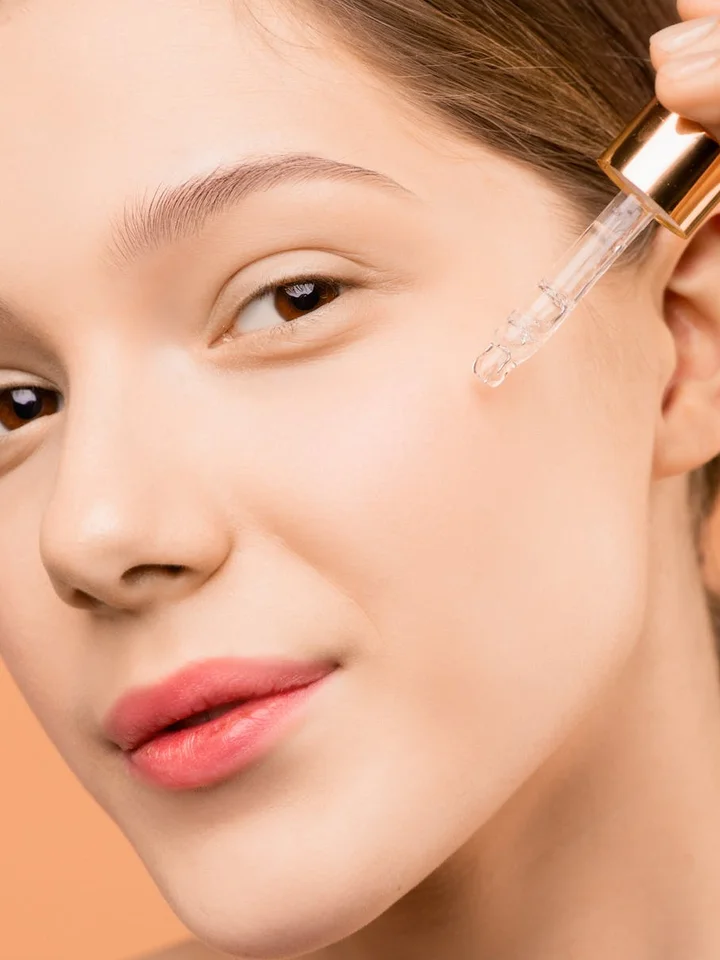
Think of these acids as skilled workers. You only want them on the job when your skin’s foundation is stable. If your barrier is currently compromised, applying an AHA is like sanding a scraped knee-it will delay healing and cause more damage. Once the barrier is healthy, gentle AHA/BHA exfoliation can support renewal and a smoother complexion. Introduce it gradually as part of a balanced routine. I advise clients to press pause on all exfoliants if they have any of the following:
- Actively broken skin (e.g., from picking, waxing, or a rash)
- A flare of eczema, rosacea, or dermatitis
- Any burning, stinging, or tightness when applying even gentle moisturizers
My client Noah, with his dry, reactive skin, knows this rule well. He waits until his skin feels calm and resilient for a full week before even considering a gentle lactic acid treatment.
A Note for Pregnancy and Breastfeeding
The official, and safest, guidance here is to consult your doctor or dermatologist. While topical AHAs are generally considered low risk, individual health factors can vary. Having a quick chat with your clinician provides personalized peace of mind, which is its own form of skin care.
The Non-Negotiable: Sunscreen
This is the most critical rule. AHAs work by loosening the bonds between dead skin cells, effectively revealing newer, more vulnerable skin underneath. Using glycolic or lactic acid without daily, broad-spectrum SPF 30+ is like rolling down your car’s sunroof during a thunderstorm and hoping you don’t get wet. The fresh skin is far more susceptible to sun damage, which can quickly lead to dark spots and undo all your exfoliating benefits. Sunscreen is not optional, it’s part of the treatment.
Recognizing and Fixing Over-Exfoliation
More is not better. Your skin will tell you when it’s had enough. Listen to it. Common signs include:
- Persistent redness or a flushed look
- A raw, stinging sensation when applying any product
- Skin that looks shiny, tight, and feels rough or papery
If this happens, don’t panic. Your skin isn’t ruined, it’s just asking for a break. The immediate remedy is to stop all actives and focus entirely on barrier repair for one to two weeks. Here is exactly what to do:
- Cleanse only with a gentle, non foaming, hydrating wash.
- Apply a simple, fragrance free moisturizer with ceramides or panthenol.
- Seal it in with a pea sized amount of a non comedogenic oil or balm.
- Be extra diligent with your gentle mineral sunscreen during the day.
This simple, soothing routine gives your skin the resources it needs to rebuild its protective layer. You can return to acids slowly, and less frequently, once all sensitivity has completely subsided. If you’re using salicylic acid, watch for signs of irritation or increased sensitivity, which can indicate a reaction. Start with very small amounts and patch-test to gauge tolerance before broader use.
Always patch test a new AHA product on a small area of your jawline for a few nights before applying it to your whole face. This simple step can help you avoid a full face reaction.
Your Quick AHA Questions, Answered
Can I use glycolic and lactic acid together?
We don’t typically recommend using them in the same routine, as this increases irritation risk. A smarter approach is using them on different days or applying lactic acid to drier areas (like cheeks) and glycolic to oilier zones (like the T-zone).
I started with lactic acid. When can I try glycolic?
When your skin tolerates lactic acid consistently 2-3 times a week with no sensitivity, you can consider a transition. Introduce a low-concentration glycolic product once weekly, replacing a lactic acid night, and closely monitor for any signs of irritation.
Is mandelic acid a good alternative for all skin types?
Mandelic acid is an excellent gentle alternative, particularly for those with rosacea, very sensitive skin, or oily yet reactive complexions. Its large molecule size minimizes irritation, making it a fantastic “introductory” AHA for nearly anyone cautious about starting exfoliation.
Final Thoughts on Choosing Your AHA
Your ideal acid isn’t about which one wins a popularity contest, but which one listens to your skin. Glycolic acid is your go-to for targeting texture and sun damage on resilient skin, while lactic acid offers gentle resurfacing with built-in hydration for sensitive or drier types. Both are powerful allies for a brighter complexion when chosen wisely.
- Always start with a lower concentration (5-10%) and use it once or twice a week.
- If your skin stings or feels raw, switch to lactic acid or reduce how often you apply it.
- Look for formulas with soothing ingredients like aloe or ceramides to balance exfoliation.
- The best product for you is the one your skin tolerates consistently, not the strongest one you can find.
- Never skip sunscreen the morning after using an AHA, as fresh skin is more sun-sensitive.
We’re here to help you navigate these choices on the LuciDerma blog. If you’re still unsure where to begin, think about your skin’s primary complaint: stubborn dullness or noticeable sensitivity? Your answer is a great guide. For more specific advice tailored to your routine, our community and articles are a great resource.
Related Guides and Information
- Glycolic Acid vs. Lactic Acid: Which One Is Better for Your Skin? – SLMD Skincare by Sandra Lee, M.D. – Dr. Pimple Popper
- Lactic vs. Glycolic Acid: What’s the Difference? | CLARINS®
- Glycolic Acid and Lactic Acid – 6 Things You Should Know
- Lactic Acid vs. Glycolic Acid – How Do They Differ? – Kiehl’s
- Glycolic vs. Lactic Acid: Which AHA Suits Your Skin and Protocol? – elementrē dermo cosmetics
- Lactic vs. Glycolic Acid: Can They Be Combined?
- Lactic Acid vs. Glycolic Acid: Which Is Best for My Skin? | Urban Skin Rx | Urban Skin Rx®
- Lactic Acid vs Glycolic Acid – What’s the Difference? – Truly Beauty
Lucy is an expert author and blogger when it comes to skin care and body care. She has first hand expertise acting as skin care consultant for over 5+ years helping her clients achieve smooth blemish free skin with natural and working remedies. She also has been an avid experimenter and tried out all the natural and artificial remedies and treatments so you can learn from her first hand experience. Additionally, she has traveled to many countries around the world and incorporated the skin care routines she has learnt into this blog. So, wait no more, reach out to Lucy if you have any specific needs and follow her blog, LuciDerma for expert skin care advice.