
Your Practical Guide to Mixing, Using, Buying, and Storing L-Ascorbic Acid Powder
If you’re holding a jar of L-Ascorbic Acid powder and wondering where to start, I’ve been there with clients like Lina, who wanted its brightening benefits without the guesswork. Let’s get you mixing confidently.
This article will give you clear, step-by-step instructions so you can:
- Mix the powder correctly to create a stable, effective serum that won’t irritate your skin.
- Use it safely in your daily routine for consistent antioxidant protection and brighter results.
- Purchase a high-quality, pure powder that aligns with ethical and sustainable values.
- Store everything properly to prevent oxidation and make your investment last.
You’re about to make this powerful ingredient work seamlessly for your skin.
What Exactly Is This Vitamin C Powder You’re Buying?
Let’s clear up the confusion. L-ascorbic acid is vitamin C in its pure, active, and frankly, fussy form. Think of it like a fresh-squeezed lemon versus bottled lemonade. In a quick properties comparison, you’ll see how L-ascorbic acid stacks up against other forms. That context helps explain why the right formulation matters for stability and effectiveness. It’s the version your skin cells recognize and use, but it starts to break down the moment it meets water or air.
That’s why you’re seeing it as a powder. Pre-mixed vitamin C serums are convenient, but they fight a constant battle against oxidation, which turns them yellow and less effective. With powder, you control everything. You decide the potency, you guarantee freshness, and you mix only what you need. It’s a smart choice for anyone, like my client Noah, who is cautious about product stability and wants no-nonsense ingredients, especially when layering vitamin C derivatives.
When it’s fresh, this molecule does three main jobs for your skin. It acts as a powerful antioxidant to shield you from daily pollution and sun damage, it helps fade dark spots for a more even tone, and it supports your skin’s collagen to keep it looking firm. It’s a multitasker.
For the science-minded, here’s a quick spec sheet on this active ingredient.
| Property | Details | Why It Matters for You |
| Effective pH | Below 3.5 (acidic) | It needs an acidic environment to penetrate skin. Mixing with water or a low-pH toner creates this. |
| Typical Concentration | 5% to 20% in final mix | Start at the low end (5-10%) to see how your skin reacts. More is not always better. |
| Solubility | Dissolves easily in water | You must mix it fully into a water-based liquid. It won’t blend into oils or thick creams. |
| Key Safety Note | Can cause tingling or irritation | Always patch test first. If you have very sensitive skin like Lina, proceed slowly and buffer it with your moisturizer. |
Your Step-by-Step Guide to Mixing It Safely and Effectively
The golden rule is non-negotiable: mix a fresh batch every single time you use it. This isn’t a product you can make on Sunday for the whole week. Oxidation begins immediately, so for maximum benefit, you mix, you apply, you move on.
You can only mix L-ascorbic acid powder into water-based liquids. Here’s your safe list:
- Plain, distilled, or filtered water (simplest option).
- A hydrating toner with a simple, water-based formula (check for no conflicting actives like niacinamide in the same mix).
- A basic, water-based serum like hyaluronic acid.
Do not try to mix it into oils, silicones, or rich moisturizers. It won’t dissolve properly and you’ll get uneven, ineffective application.
Here is the exact process I use with clients to ensure no clumps and even coverage.
- Gather your tools: a small ceramic or glass dish (not metal), a dry spoon or scoop, your powder, and your mixing liquid.
- Start with your liquid. Pour a small puddle, about half a teaspoon, into the dish.
- Add the powder. For your whole face, use an amount roughly the size of a single grain of rice. This is your visual guide for “how much L-ascorbic acid powder on face.”
- Gently stir with the spoon for 15-20 seconds until the powder is completely dissolved and the liquid looks clear. If you see any granules, keep stirring.
- Immediately apply the mixture to your clean, dry face and neck with your fingertips. Follow with your moisturizer and sunscreen.
Getting the concentration right is key to avoiding redness or stinging. A rice-grain of powder mixed into half a teaspoon of liquid creates a solution around 10-15%, which is a great starting point. If you’re new to vitamin C or have reactive skin, start even lower. Use half a rice-grain amount. You can gradually increase the powder amount over weeks as your skin tolerates it. Listen to your skin-a slight tingle is normal for some, but persistent redness means you should scale back.
How to Fit Your Fresh Vitamin C Mix into Any Routine

Think of your fresh vitamin C serum as the first guest at the party-it gets priority on clean skin to do its best work.
The Morning Blueprint
This is where L-ascorbic acid shines, teaming up with your sunscreen for powerful protection.
- Cleanse: Use a gentle, low-pH cleanser and pat your face dry.
- Mix & Apply: Prepare your fresh serum and smooth a thin layer over your entire face, neck, and décolletage.
- Wait: Let it absorb and dry down for 2-3 minutes. Your skin should feel dry, not tacky.
- Moisturize: Follow with your favorite fragrance-free moisturizer to support your skin barrier.
- Sunscreen: This is non-negotiable. Apply a broad-spectrum SPF 30 or higher as your final morning step.
Applying your vitamin C serum in the morning capitalizes on its antioxidant power, helping to neutralize free radicals you encounter throughout the day.
What About Nighttime?
You can use it at night, but morning is generally more strategic. If you do use it in the evening, you need to adjust your other actives.
My client Noah, with his reactive skin, found success using it on alternate nights. Do not apply your L-ascorbic acid mix at the same time as direct acids (like glycolic or salicylic) or prescription retinoids like tretinoin. The low pH can increase irritation. Use vitamin C one night and your other treatment actives on a different night. A vitamin C hyaluronic acid combination can offer hydration alongside antioxidant protection. Look for lightweight, stable formulas that pair L-ascorbic acid with HA for a smoother skin barrier.
What to Look for When You’re Ready to Buy
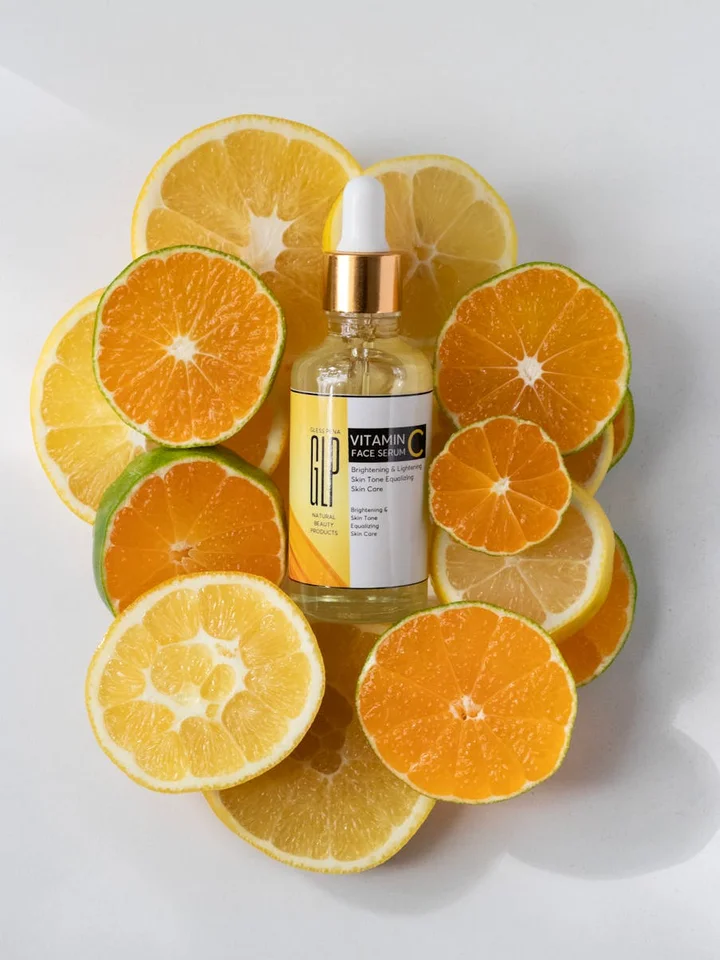
When you pick up a jar of L-ascorbic acid powder, the label is your first clue to quality. Look for a product that clearly states “100% L-Ascorbic Acid” or “Pure L-Ascorbic Acid” with no other ingredients listed. Fillers or bulking agents can throw off your mixing ratios and introduce unnecessary elements to your skin. For convenience, you might also consider an Ordinary ascorbic acid alpha arbutin serum as a ready-made option. It combines the same potent actives in a single formula, simplifying your routine.
Your sourcing choices matter for your skin and your values. I recommend purchasing from suppliers who are transparent about their cruelty-free practices and have a strong reputation in the skin care community. These companies often invest in better purity testing and stable sourcing, which directly benefits the product you’re putting on your face—especially when it comes to individual ingredients that may affect your skin’s health.
You might see terms like “pharmaceutical grade” or “cosmetic grade” on labels. For your skin care, cosmetic grade is perfectly suitable and means it’s manufactured to high purity standards for topical use. Pharmaceutical grade indicates an even stricter purity level, often for ingestible products, but it doesn’t necessarily make it more effective for your skin-both are excellent choices if they’re pure.
Packaging is a big deal for keeping this antioxidant potent. Seek out powders sold in opaque, dark glass jars or sealed, light-blocking pouches. A small silica gel desiccant packet inside is a good sign, as it absorbs moisture that can degrade the powder. Think of it like storing coffee beans away from light and air to keep them fresh.
It’s tempting to buy a large, economical size, but L-ascorbic acid powder begins to oxidize once opened. Purchase only what you can use within three to six months to ensure you’re getting the full antioxidant benefit with every mix, especially compared to ethylated ascorbic acid. A small jar that you finish is better than a big one that turns ineffective halfway through.
Troubleshooting Common Mixing and Skin Reactions
If your mixture feels gritty or you see crystals, the powder hasn’t fully dissolved. This usually happens if the liquid is too cool or you haven’t stirred enough. Use room-temperature or slightly warm distilled water or a water-based toner, and stir for a full 30 seconds until completely clear. For my client Maya, who mixes hers in a hurry, I suggested a small glass vial and a gentle shake-it works like a charm.
A freshly mixed solution should be clear or have a very faint yellow tint. If it turns a deep yellow or brown right away, the powder was likely already oxidized before you opened it. That mix won’t harm you, but its brightening power is significantly reduced. It’s best to discard it and start with a fresh, properly stored batch.
When you apply it, a mild tingling sensation is normal for many people as the vitamin C gets to work. A sharp stinging or burning feeling, especially for sensitive types like Noah, is a clear signal to rinse it off immediately. Noah found that applying his barrier repair moisturizer first, letting it absorb for 10 minutes, then applying a very diluted vitamin C mix over top helped his skin adjust without the sting.
Can you mix the powder directly into your moisturizer? Technically, yes, but I don’t recommend it. Most moisturizers have a higher pH and thicker texture, which can prevent the vitamin C from dissolving evenly and reaching the correct acidic pH to be effective. You’re better off mixing it into a water-based serum or toner first, then applying that under your moisturizer.
Managing expectations is key with any active ingredient. Consistent daily use is what builds results. Don’t expect overnight miracles; look for a gradual improvement in skin brightness and a more even tone over four to eight weeks. Like my client Lina observed, the clarity comes from steady, patient application, not a single powerful dose.
Your L-Ascorbic Acid Powder Questions, Answered
What’s the ideal mixing ratio for brightening versus anti-aging?
For brightening and antioxidant protection, a 10-15% final solution is typically ideal. For anti-aging and collagen support, consistency with a well-tolerated 5-10% mix is more important than a high, potentially irritating concentration.
What are the core benefits of using a fresh L-ascorbic acid mixture?
It provides immediate, potent antioxidant defense against daily environmental damage. This directly translates to brighter, more even skin tone and enhanced collagen protection over time.
Can I mix the powder into my lip balm?
Yes, for a minimalist antioxidant boost, mix a tiny, rice-grain amount into a dollop of plain, fragrance-free lip balm. Apply immediately to protect delicate lip skin without altering your facial routine.
Mastering Your Vitamin C Powder Routine
The cornerstone of using L-ascorbic acid powder successfully is treating it like a fresh ingredient you blend just before use. When you mix it fresh and store it properly, you protect its power to brighten and defend your skin.
- Mix your dose with a water-based serum or toner immediately before applying.
- Keep the powder jar tightly sealed in a cool, dark cupboard, away from humidity.
- Always perform a patch test on your inner arm when trying a new batch or concentration.
- Choose products from companies that use dark, airtight packaging to signal they care about stability.
I’m always here to help you navigate your skin care choices. If you try this powder and have a question, or if you’re like my client Noah who prefers a very gentle introduction, share your thoughts on the LuciDerma blog. Your experiences help everyone learn.
Research and Related Sources
- 100% L-Ascorbic Acid Powder
- Amazon.com: The Ordinary 100% L-Ascorbic Acid Powder, Vitamin C Treatment for Anti-Aging, 0.7 Ounce : Beauty & Personal Care
- L-Ascorbic Acid Powder | Buy Vitamin C Skincare Agent Online | Lotioncrafter
- L-Ascorbic Acid, Powder, Reagent Grade, 100 g | Carolina Biological Supply
- Vitamin C (L-ascorbic acid), USP 321 | MakingCosmetics
- The Ordinary 100% L-ASCORBIC ACID POWDER – Luxe by Kan
- Good Molecules – Vitamin C Booster Powder | Ulta Beauty
Written by Lucy Zimmerman. Lucy is an expert author and blogger when it comes to skin care and body care. She has first hand expertise acting as skin care consultant for over 5+ years helping her clients achieve smooth blemish free skin with natural and working remedies. She also has been an avid experimenter and tried out all the natural and artificial remedies and treatments so you can learn from her first hand experience. Additionally, she has traveled to many countries around the world and incorporated the skin care routines she has learnt into this blog. So, wait no more, reach out to Lucy if you have any specific needs and follow her blog, LuciDerma for expert skin care advice.