
Mixing Snail Mucin Safely: Your Guide to Pairing It with Retinol, Vitamin C & More
Can you safely layer snail mucin with your retinol or vitamin C serum? As a licensed esthetician, I hear this question all the time, and the good news is, snail mucin is one of the most team-friendly ingredients in your cabinet.
- Learn the ideal order and timing for combining snail mucin with active ingredients like retinol and AHAs.
- Understand how snail mucin’s unique properties can either boost benefits or calm potential irritation from other products.
- Get a simple, step-by-step routine blueprint to mix these ingredients with confidence every morning and night.
My goal is to turn that confusion into a custom plan that makes your skin happy.
What Snail Mucin Really Does for Your Skin
Let’s clear up the mystery. Snail mucin is a secretion, a clear gel snails produce to protect and repair their own skin. For us, it’s a cocktail of helpful ingredients like glycoproteins, naturally occurring hyaluronic acid, and healing peptides.
Think of it as a versatile, soothing gel that prepares your skin to handle stronger treatments. It’s not an aggressive exfoliant or a potent acid. Its job is to support.
- Delivers deep, lasting hydration without a heavy feel.
- Calms redness and visible irritation quickly.
- Helps repair a stressed skin barrier by reinforcing its natural moisture.
- May support the skin’s own wound-healing processes, which is why it’s so popular for addressing post-acne marks.
For clients like Lina with combination, sensitive skin, it’s a staple because it hydrates dry cheeks without aggravating an oily T-zone. I always recommend seeking out brands that use ethical, cruelty-free collection methods where snails are unharmed, which aligns with a thoughtful skincare philosophy.
Mixing Snail Mucin with Retinol and Vitamin C
The short answer is yes, you can-and often should-mix snail mucin with these powerhouses. It’s all about the order of operations. Here’s your simple guide for morning and evening. If you’re aiming for a seamless base, you can even mix snail mucin into your foundation for a hydrated, radiant finish. It’s a small tweak that complements the routine you’re about to read.
Can You Mix Snail Mucin with Retinol (or Adapalene/Tretinoin)?
Absolutely. In fact, pairing them is one of my top tips for anyone new to retinoids or dealing with dryness. Snail mucin acts as a gentle buffer.
It delivers hydration straight to the skin before the retinol arrives, which can significantly reduce the classic side effects of flaking, tightness, and irritation. This same logic applies to prescription retinoids like adapalene and tretinoin.
The golden rule is to apply your snail mucin first, wait about 60 seconds for it to sink in, and then layer your retinol product on top. This method gives you the full benefits of the retinol while your skin feels cushioned and supported.
I have a client, Noah, who has dry, reactive skin. He struggled with prescription tretinoin until we added this step. Now, he applies a thin layer of snail mucin first and can use his retinoid nightly without the painful flaking he used to get. It made the treatment tolerable and effective for him.
Can You Mix Snail Mucin with Vitamin C?
Yes, they are highly compatible partners in your morning routine. Snail mucin has a skin-friendly pH that won’t destabilize most vitamin C formulations.
Together, they create a powerful one-two punch: vitamin C tackles environmental antioxidants and brightens, while snail mucin locks in hydration and soothes. For my client Maya, who has oily skin, this combo provides antioxidant defense without any heavy oils or creams that might clog her pores. These antioxidants—namely vitamin C and vitamin E—also help support the skin barrier. They defend against daily environmental stress while keeping the skin resilient and hydrated.
Apply your vitamin C serum first to clean, slightly damp skin, then follow with snail mucin to seal in the benefits and add an extra layer of calming hydration. This order ensures the vitamin C makes direct contact with your skin for maximum efficacy.
Using Snail Mucin with Exfoliating Acids (AHA/BHA)
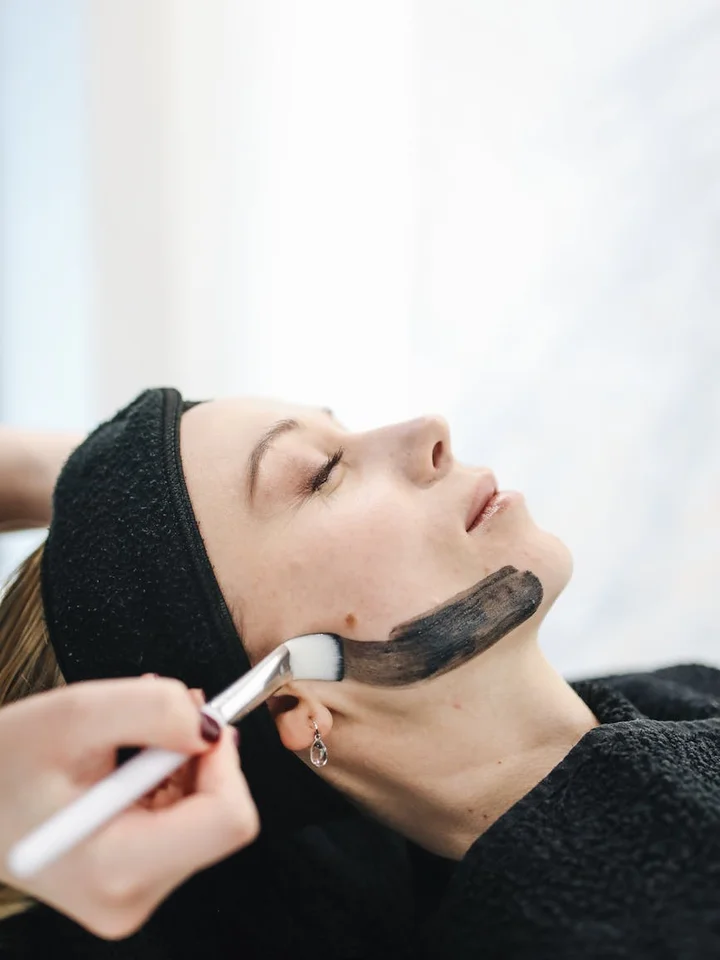
Yes, you can absolutely use snail mucin with exfoliating acids like glycolic (AHA) or salicylic (BHA). This is one of my favorite strategic pairings in the clinic. Think of it this way: the acid does the cleaning, and the snail mucin does the comforting repair work afterwards.
The safest and most effective method is to use them in separate steps, not mixed together in your palm. Applying them simultaneously can dilute the acid’s exfoliating power and mess with the pH it needs to work. Instead, use your acid first as a treatment, wait a few minutes for it to absorb, then follow with your snail mucin essence or cream.
Snail mucin is the perfect recovery step after any exfoliation. It delivers soothing hydration right to skin that might feel a bit vulnerable, helping to calm any potential redness or tightness. My client Maya, who uses a salicylic acid cleanser for her oily, acne-prone skin, layers on snail mucin immediately after to keep her barrier happy and prevent over-drying. It’s especially beneficial since snail mucin is known to reduce inflammation and support the skin barrier.
Different acids benefit from snail mucin’s support in slightly different ways:
- With Glycolic or Lactic Acid (AHAs): These acids work on the skin’s surface. Snail mucin helps replenish the hydration they can temporarily disrupt, leaving skin smooth but not stripped.
- With Salicylic Acid (BHA): This oil-soluble acid digs into pores. Snail mucin’s anti-inflammatory properties are great here, helping to settle any post-extraction redness and support healing from the inside out.
Snail Mucin and Hydration Partners: Hyaluronic Acid and Beyond
Can you mix snail mucin with hyaluronic acid? This isn’t just safe, it’s a hydration dream team. Snail mucin and hyaluronic acid (HA) are both humectants, meaning they attract water. Using them together is like giving your skin a tall drink of water with a protective, nutrient-rich coating. Try a simple layering approach: apply hyaluronic acid serum first to lock in moisture, then layer snail mucin for nourishment. This ‘apply hyaluronic acid serum layering’ approach keeps hydration high without heaviness.
For maximum plumping effect, I teach my clients the “hydration sandwich” technique. It’s simple:
- Start with skin that’s slightly damp from cleansing or a facial mist.
- Apply your hyaluronic acid serum directly. It will pull that surface water into your skin.
- While your skin is still dewy, layer your snail mucin product over the top. The mucin forms a supportive film, locking in the HA and adding its own reparative benefits.
- Always seal everything in with your moisturizer to prevent moisture loss.
This layering method is a game-changer for dry or dehydrated skin, something my client Noah relies on to keep his reactive skin calm and cushioned.
Snail mucin also plays very nicely with other supportive actives:
- With Niacinamide: Pairing snail mucin with niacinamide is a brilliant barrier-support strategy. Niacinamide helps strengthen skin’s defenses, while snail mucin provides the raw materials for repair. They work synergistically to reduce redness and improve resilience.
- With Alpha Arbutin: For brightening routines, alpha arbutin and snail mucin are a gentle yet effective duo. The alpha arbutin targets dark spots, and the snail mucin helps ensure the surrounding skin stays healthy and heals evenly, preventing post-inflammatory marks from becoming stubborn.
Your Snail Mucin Interaction Matrix: What to Mix & What to Avoid

Think of snail mucin as a versatile team player in your skincare lineup. It’s not a diva that clashes with other ingredients. There’s no common ingredient that “neutralizes” or ruins snail mucin’s benefits, but strategic pairing can make your routine more effective and comfortable. Here’s your practical guide to mixing.
Green Light: Great Combinations
These ingredients work beautifully with snail mucin, often creating a synergistic effect that’s greater than the sum of its parts.
- Niacinamide: This is a powerhouse pairing. While snail mucin soothes and hydrates, niacinamide strengthens your skin barrier and helps regulate oil. Together, they’re a calming, repairing dream team for clients like Maya (oily, acne-prone) and Noah (dry, reactive).
- Peptides: Snail mucin creates a hydrated, healing environment, which is the perfect foundation for peptides to signal your skin to produce collagen. It’s like preparing the soil before planting seeds for firmer skin.
- Most Moisturizers and Oils: Snail mucin is a hydrator, not a sealant. Applying a moisturizer or facial oil on top is the crucial final step. It locks in all that goodness, much like putting a lid on a pot of simmering soup to keep the steam in.
- Hyaluronic Acid: Absolutely safe to mix. Hyaluronic acid draws water into the skin, and snail mucin helps deliver hydration and healing. Using them together is a double dose of quenching relief.
Yellow Light: Proceed with Care
These aren’t forbidden pairs, but they require a bit more strategy to keep your skin happy and avoid irritation.
- Retinol & Strong AHAs/BHAs (like Glycolic or Salicylic Acid): You can use them with snail mucin, but timing is key. Apply your retinol or acid treatment first on clean, dry skin. Wait 10-15 minutes for it to absorb, then layer your snail mucin over it. The snail mucin acts as a brilliant buffer, hydrating and soothing to counteract potential dryness or sensitivity from the active. For Lina (combination, sensitive), this method lets her treat T-zone concerns without upsetting her cheeks.
- Very Strong Acid Peels (e.g., 30% AHA): Do not apply snail mucin immediately before or after a professional-grade peel. Instead, use it on your recovery days. Its healing properties can help soothe and repair the skin as it regenerates.
- Benzoyl Peroxide: This acne treatment can be very drying. If you use it, follow with snail mucin and a good moisturizer to help replenish lost hydration and support your barrier.
When to Press Pause: Contraindications & Safety Warnings
While snail mucin is famously gentle, a few scenarios call for extra caution or a professional consultation.
If you are pregnant, nursing, or have specific health concerns, please consult your doctor or dermatologist before introducing any new skincare ingredient, including snail mucin. Formal studies on its use during pregnancy are limited, so professional guidance is the safest path.
You should do a patch test or consider avoiding snail mucin if you have:
- A known allergy to shellfish or dust mites. The protein structure can sometimes trigger a similar reaction, though this is rare.
- Active, broken skin from wounds, severe eczema flare-ups, or sunburn. Let your skin heal first before applying any new treatment.
- A currently compromised skin barrier that stings with every product. Focus on ultra-simple repair with a basic moisturizer and ceramide serum first.
My general rule for all skin types, even resilient ones, is to start slow. Apply a small amount to your jawline or behind your ear twice a week for two weeks. Observe how your skin responds. Snail mucin is a supportive ingredient, but your skin’s comfort is the ultimate guide-always listen to its signals.
Building Your Routine: How to Layer Snail Mucin Safely and Effectively

Knowing what works together is half the battle. The other half is knowing the order to apply them. A good routine is like a well-organized team, where each player knows their position.
The golden rule is simple: apply your products from the thinnest, wateriest consistency to the thickest, creamiest one. This allows each layer to absorb properly without pilling or blocking the next.
Where Does Snail Mucin Fit In?
Think of snail mucin essence or serum as a versatile midfielder. It’s not the thinnest player (that’s usually a toner or a very watery treatment), and it’s not the thickest (that’s your moisturizer or sunscreen). Its gel-like texture slots in beautifully after treatment serums and before heavier creams.
For most routines, the sweet spot is: Cleanser > Toner (if you use one) > Treatment Serums (like Vitamin C, retinol, AHA/BHA) > Snail Mucin > Moisturizer > Sunscreen (AM).
Sample Routines in Action
Let’s put this into practice with two routines that safely incorporate the mixes we’ve talked about.
Morning Routine (Focus: Hydration & Protection)
This routine is about prepping your skin for the day with hydration and a strong shield of SPF.
- Cleanser: A gentle, water-based cleanser.
- Vitamin C Serum: Apply your L-ascorbic acid or gentler derivative serum on damp skin. Wait 60 seconds for it to settle.
- Snail Mucin Essence: Follow directly with a layer of snail mucin. It acts as a hydrating buffer and helps seal in the vitamin C.
- Moisturizer: A light lotion or gel cream. If your skin is dry, you can mix a drop of hyaluronic acid serum into your moisturizer here.
- Sunscreen: The non-negotiable final step. Apply generously.
This is a fantastic routine for my client Lina, who has combination skin and wants antioxidant protection without feeling greasy by midday.
Evening Routine (Focus: Treatment & Repair)
Nighttime is when your skin does its heaviest repair work, so we incorporate our key treatments here.
- First Cleanse: An oil or balm to remove sunscreen and makeup.
- Second Cleanse: Your go-to gentle facial cleanser.
- Treatment (2-3 nights a week): Apply your AHA/BHA exfoliant or your retinol/retinoid. Wait 10-15 minutes for it to fully absorb and your skin pH to normalize.
- Snail Mucin Essence: Now, apply your snail mucin. This is the soothing, reparative hug after a potent treatment, helping to calm potential irritation and boost hydration.
- Moisturizer: Lock everything in with a nourishing cream. For extra dry skin, this is where a ceramide-rich moisturizer shines.
My client Noah, with his dry, reactive skin, uses a version of this. He applies his prescription retinoid, waits 20 minutes, and then follows with snail mucin and a rich barrier-repair cream to minimize flaking and redness. This approach is a common element in a retinoids mens skincare routine, pairing active treatment with barrier-supporting steps to keep the skin calm and resilient.
Tailoring to Your Skin Type
Your unique skin will guide the finer details.
- For Oily or Acne-Prone Skin (like Maya’s): Snail mucin can be a brilliant hydrator that doesn’t clog pores. In the evening, she might use a BHA toner, followed by snail mucin, and finish with a very lightweight, oil-free moisturizer or even just a few drops of a non-comedogenic facial oil.
- For Dry or Mature Skin: Snail mucin is a hydration powerhouse. Layer it under a richer moisturizer, and consider the “sandwich method” with retinol: moisturizer, then retinol, then snail mucin and another layer of moisturizer to buffer the effects.
Start slow, especially when introducing a new active like retinol or an acid. Listen to your skin. If you feel more sensitivity, scale back the treatment frequency and lean harder on the snail mucin for its soothing properties.
Snail mucin is one of the most flexible, supportive ingredients you can add to your lineup. It’s not a diva; it’s a team player that helps your other actives perform better while keeping your skin calm and resilient. Adjust the plays based on how your skin responds, and you’ll find the perfect routine rhythm.
Your Quick Snail Mucin Mixing Questions, Answered
What’s the best way to layer snail mucin with active treatments like retinol or acids?
For the best results and to minimize irritation, apply your retinol or acid treatment first on clean skin, wait 10-15 minutes, then follow with snail mucin. This allows the active to work effectively while the mucin soothes and buffers your skin afterward.
Can I mix snail mucin with peptide serums?
Absolutely-this is a highly recommended pairing. Snail mucin creates a hydrated, healing environment that helps support peptides in their work of signaling for collagen production, making them a synergistic duo for skin repair and firmness.
How does the ‘hydration sandwich’ with hyaluronic acid work?
Apply hyaluronic acid to damp skin to pull in moisture, then immediately layer snail mucin over it. The mucin helps lock in that hydration while adding its own reparative benefits, for a deeply plumping and soothing effect.
Building a Routine That Loves Your Skin Back
Think of your skincare routine as a supportive team, not a random group of players thrown together. Your most important job is to be the coach who listens to your skin’s feedback every day. Mixing ingredients like snail mucin with potent actives can be wonderfully effective when you follow a thoughtful, patient approach.
- Always patch test a new combination on a small area of your jawline or neck for a few nights.
- Layer products from thinnest to thickest consistency, allowing each one to absorb.
- Never mix retinol and vitamin C directly together in your palm; use them at different times of day.
- If your skin feels sensitive, scale back to just snail mucin and a moisturizer until it feels resilient again.
We’re here to help you navigate these choices. Our blog is built on providing clear, trustworthy guidance you can use every morning and night. If you have a specific question about your unique combination of products, we welcome you to reach out. Your skin’s comfort and health are the ultimate goals, and with a little care, you can absolutely achieve both.
Deep Dive: Further Reading
- Snail Mucin Before or After Retinol? Turns Out There’s a Right Answer
- How to Layer Retinol, Niacinamide AND Snail Mucin – SeoulCeuticals
- Ultimate Skincare Guide to Using Snail Mucin and Retinol
- Should You Use Snail Mucin Before or After Retinol? • Skin Pharm
- snail mucin and retinol | Routine Help
- Can You Use Snail Mucin with Retinol? The Truth Uncovered – SeoulCeuticals
- Retinol Before or After Snail Mucin? Turns Out There’s a Right Answer
- r/SkincareAddiction on Reddit: [routine help] snail mucin before or after retinol?
- How to use snail mucin power essence and retinol/ tretinoin – YouTube
- Is it okay to use Innisfree retinol and Cosrx snail mucin essence and cream together? Or what products goes best with retinol? : r/KoreanBeauty
Written by Lucy Zimmerman. Lucy is an expert author and blogger when it comes to skin care and body care. She has first hand expertise acting as skin care consultant for over 5+ years helping her clients achieve smooth blemish free skin with natural and working remedies. She also has been an avid experimenter and tried out all the natural and artificial remedies and treatments so you can learn from her first hand experience. Additionally, she has traveled to many countries around the world and incorporated the skin care routines she has learnt into this blog. So, wait no more, reach out to Lucy if you have any specific needs and follow her blog, LuciDerma for expert skin care advice.