
Purging in Skin Care: Your Guide to Retinoids, AHAs, BHAs, and Benzoyl Peroxide
If a new treatment has you facing unexpected breakouts, take a breath-it might be purging, not a product fail. I help clients like Maya and Noah distinguish between this normal process and true irritation every week.
By the end of this article, you’ll know:
- Exactly which ingredients accelerate cell turnover and trigger purging, so you can spot them in your routine.
- How to tell purging apart from a bad reaction, saving you time and worry.
- Simple ways to support your skin through purging without harming your barrier.
Let’s get you the clarity to care for your skin with confidence.
What Exactly Is Skin Purging?
Think of your skin’s natural cell turnover process as a steady, predictable subway line. Dead skin cells are the passengers, and they travel to the surface on a regular schedule before exiting your pores. When you introduce a powerful active ingredient, it’s like you’ve sped up the train.
Purging is a temporary acceleration of your skin’s natural exfoliation process, which brings pre-existing, microscopic clogs to the surface all at once. These tiny clogs were already forming beneath the surface; the new product just made them visible faster. It is a sign the ingredient is working on a cellular level.
This is fundamentally different from a generic irritation or allergic reaction. A reaction is your skin’s immune system saying “I don’t like this.” Purging is your skin’s renewal system saying “I’m working overtime.”
Only two types of ingredients have the proven power to trigger this accelerated cell turnover:
- Cell-communicating ingredients (Retinoids): These include prescription tretinoin, adapalene, and over-the-counter retinol. They literally tell your skin cells to behave younger, speeding up renewal and preventing pore blockages.
- Exfoliating acids (AHAs & BHAs): Alpha hydroxy acids (like glycolic or lactic acid) loosen the “glue” between surface cells. Beta hydroxy acid (salicylic acid) dives into pores to dissolve oil and debris. Both clear the path for trapped gunk to rise up.
I remember when my client, Maya, started her first over-the-counter retinoid. Around day five, she sent me a slightly panicked message. A few small whiteheads had popped up precisely where she usually gets her hormonal chin acne. Because the breakouts were in her typical trouble zones and appeared as familiar blemishes, we knew it was a purge rather than any adverse reaction common with retinol use. They cleared within two weeks, revealing smoother skin underneath. Her patience paid off.
Is It Purging or a Bad Breakout?
This is the most common question I get. Your skin is acting up, but is it a good sign of adjustment or a bad sign of irritation? This side-by-side comparison makes it clear.
| Factor | Purging | A Bad Reaction or Breakout |
|---|---|---|
| Location | Only in areas where you typically get congestion or breakouts (e.g., your usual chin acne or forehead blackheads). | Can appear anywhere, especially in new or sensitive areas like the cheeks, jawline, or neck. |
| Timing | Begins relatively quickly (within 2-6 weeks of starting a retinoid or acid) and is temporary, lasting for one skin cycle (about 4-6 weeks). | Can start immediately or weeks later and may persist or worsen as long as you use the problematic product. |
| Type of Blemish | Typically looks like your usual blemishes-blackheads, small whiteheads, or minor pustules. They come to a head and heal faster than normal. | Often appears as red, angry, inflamed bumps (papules), cysts, or a rash. It may feel itchy, burn, or sting. |
| Sensation | The skin may feel a bit rough or dry, but the blemishes themselves aren’t unusually painful or itchy. | The skin often feels tender, itchy, warm, or uncomfortably tight. The overall sensation is one of irritation. |
If you develop red, itchy bumps on your cheeks three days after starting a new, fragrant moisturizer, that is almost certainly irritation, not purging. Purging is linked directly to cell-turnover actives, not general product formulas.
Many ingredients can cause negative reactions but will never cause a true purge. These include common irritants like added fragrance (perfume), essential oils, certain comedogenic plant oils, or physical scrubs. If a gentle hydrator or basic cleanser causes breakouts, your skin is telling you it dislikes an ingredient, not that it’s purging.
The Purging Ingredient Guide: Who’s the Usual Suspect?
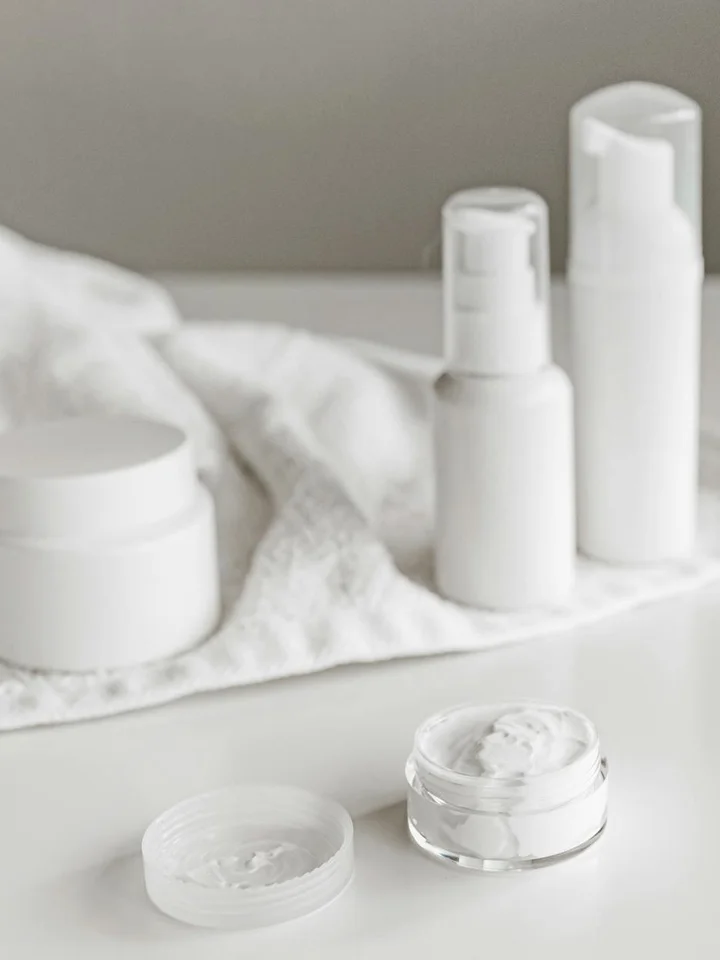
Let’s get specific. Not every new pimple is a purge. True purging happens when an ingredient increases your skin cell turnover rate, bringing pre-existing clogs to the surface faster. It’s like speeding up a traffic jam. The cars (clogs) were already there on the road (in your pore), they’re just all arriving at the exit (your skin’s surface) at once.
Real purging typically happens in areas where you normally get breakouts and consists of familiar blemish types like blackheads and small whiteheads.
The Common Culprits (Yes, They Can Purge)
These are the ingredients that actively tell your skin to renew itself faster. They are the most likely triggers of a purge phase.
Does retinol cause purging? Yes, it’s the classic purging agent. Retinol (and all retinoids like tretinoin) works by binding to receptors in your skin cells, telling them to behave like younger, more efficient cells. This accelerated turnover pushes everything out. Think of my client Noah, who started a gentle retinol for texture. He saw a few more bumps on his cheeks (his usual trouble zone) around week three, but they cleared into smoother skin by week eight (retinol can sometimes be more irritating than retinaldehyde). The potency matters. A prescription retinoid will likely cause a more intense purge than an over-the-counter retinol serum.
Do AHAs cause purging? They can, particularly glycolic and lactic acids. These water-soluble acids work on the skin’s surface to dissolve the “glue” (desmosomes) that holds onto dead skin cells. By sloughing off that top layer, they can reveal congestion that was brewing just underneath. It’s a shallower purge than with retinoids. Mandelic acid, with its larger molecule size, is a gentler AHA option that penetrates more slowly and may cause less initial disruption.
Do BHAs cause purging? Salicylic acid, the main BHA, is a unique pore-diver. It’s oil-soluble, so it can get inside your pores to dissolve the mix of sebum and dead skin cells that form clogs. Can salicylic acid cause purging? Absolutely. As it clears out existing debris, it can bring deeper clogs up and out. For my client Maya with oily, acne-prone skin, a BHA toner helped clear blackheads on her nose, but she first saw a few more surface bumps as the gunk from her pores made its final exit.
Does benzoyl peroxide cause purging? This is a special case. BP doesn’t speed up cell turnover. It’s an antimicrobial that kills acne-causing bacteria. Its “purge” is often from rapid inflammation that can make underlying clogs become red, angry, and apparent much quicker. It’s less of a true purge and more of an irritation-driven surfacing. So while you might see more bumps initially, it’s not due to the same cellular mechanism as retinoids or acids.
The Unlikely Suspects (Usually, They Don’t Purge)
If you break out from these, it’s almost certainly a sign of irritation, sensitivity, or a clogging reaction to another ingredient in the formula.
Can azelaic acid cause purging? It’s very unlikely. Azelaic acid is anti-inflammatory and antimicrobial. It calms redness and kills bacteria but doesn’t significantly accelerate cell turnover. Any initial tingling or redness is usually mild irritation, not a purge. It’s actually a great ingredient to use *during* a purge from another active to calm inflammation.
Can niacinamide cause purging? No. Niacinamide is a barrier-support superstar. It helps your skin strengthen its own defenses, improve hydration, and regulate oil. If a product with niacinamide causes redness or bumps, look at the other ingredients in the formula; your skin might be reacting to a preservative, fragrance, or another active. Used consistently, it helps reinforce the skin barrier and lock in moisture. These barrier-supporting effects are what people refer to when they talk about niacinamide skin barrier benefits.
Can hyaluronic acid cause purging? No. HA is a humectant, a molecule that attracts water. It cannot increase cell turnover or clear pores. If your skin feels tight after using it, that means it’s pulling moisture-ideally from the air, but if your environment is dry, it might temporarily pull it from the deeper layers of your skin, which is why sealing it in with a moisturizer is key.
Can ceramides cause purging? Do ceramides cause purging? Absolutely not. Ceramides are the essential fats that make up your skin’s barrier. They are repair molecules, not exfoliating ones. Using them is like patching holes in a wall, not sanding it down. In fact, ceramides support the skin’s cholesterol barrier repair, ensuring it stays strong and healthy.
Can alpha arbutin cause purging? No. This is a brightening ingredient that works to fade dark spots. It doesn’t affect cell turnover in a way that would cause a purge. Any reaction points to individual sensitivity, as is sometimes the case with alpha arbutin side effects.
Molecule Spec Sheet: Purging Ingredient Profiles
| Ingredient | Typical pH Range | Common Effective Concentration | Oil or Water Soluble | Primary Safety Note |
| Retinol | Not pH dependent | 0.1% – 1% (OTC) | Oil Soluble | Start slowly (1-2x/week). Can cause dryness and sun sensitivity. |
| Glycolic Acid (AHA) | 3.5 – 4.5 | 5% – 10% (OTC) | Water Soluble | Works on surface. Can cause stinging on very sensitive skin. |
| Salicylic Acid (BHA) | 3.0 – 4.0 | 0.5% – 2% (OTC) | Oil Soluble | Penetrates into pores. Avoid if allergic to aspirin. |
| Azelaic Acid | 4.9 – 5.5 (in formulations) | 10% (OTC), 15-20% (Rx) | Partly both | May cause initial itching/tingling. Excellent for calming redness. |
How to Manage the Purge Without Losing Your Mind
Seeing more bumps is frustrating, even when you know it’s temporary. The strategy here isn’t to attack your skin, but to nurse it through this transition with extreme kindness. Your goal is to support your barrier and manage inflammation.
Your Calming Routine Strategy
Simplify your routine down to these five supportive steps. Think of this as creating a peaceful, healing environment for your skin.
- Gentle Cleanser: Use a non-foaming, creamy, or hydrating cleanser. Look for ingredients like oat extract or glycerin. This removes dirt without stripping your already stressed skin barrier.
- Soothing Toner/Mist: A hydrating toner with ingredients like panthenol (pro-vitamin B5), centella asiatica, or aloe can provide a layer of instant calm and hydration before your next step.
- Purging Treatment (used sparingly): This is your retinol, AHA, or BHA. Start slow, like dating. Twice a week is a good first date with a retinoid. Apply a pea-sized amount to dry skin, wait 10 minutes, then move to step 4.
- Barrier Repair Moisturizer: This is non-negotiable. Seek out moisturizers with ceramides, fatty acids, cholesterol (the “skin-identical” trio), squalane, or niacinamide. This step seals in moisture and actively helps repair your protective outer layer.
- Mineral Sunscreen (AM): Your skin is more vulnerable to sun damage during this period. A zinc oxide-based sunscreen is often less irritating on sensitized skin than some chemical filters and provides a physical barrier.
What to Absolutely Avoid While Purging
When your skin is in revolt, adding fuel to the fire will only make things worse and prolong the process.
- Physical Scrubs: Scrubbing at purging skin is like scratching a mosquito bite. It causes micro-tears and dramatically increases inflammation and the risk of scarring.
- Other Actives: Put your Vitamin C serum, other acid toners, and any “targeted treatments” on pause. Let your skin focus on handling one new ingredient at a time.
- Fragrance: Both natural (essential oils) and synthetic fragrance are common irritants and can provoke more redness on compromised skin.
- At-Home Extractions: I know the temptation is real. But picking at purging pimples dramatically increases inflammation, drives bacteria deeper, and makes post-inflammatory hyperpigmentation (those dark marks) far more likely and severe.
- Skipping Sunscreen: UV exposure worsens inflammation and can darken any marks left behind from the purge. It also undermines the repair work your skin is trying to do.
How Long Will This Last?
How long does purging last? For most people, the initial purge phase lasts about 4 to 6 weeks. This aligns with one to two full skin cell turnover cycles. The clogs that were already in the pipeline need time to clear out.
You should start to see calmer skin and clearer results after this initial period. If your “purge” involves deep, painful cysts in areas you never break out, lasts longer than 8 weeks, or feels intensely irritated and itchy, it’s time to reassess. That might be a sign of irritation or a product that just doesn’t agree with your skin. Scaling back frequency or consulting a dermatologist can provide clarity and relief.
Contraindications & Safety Warnings: When to Press Pause
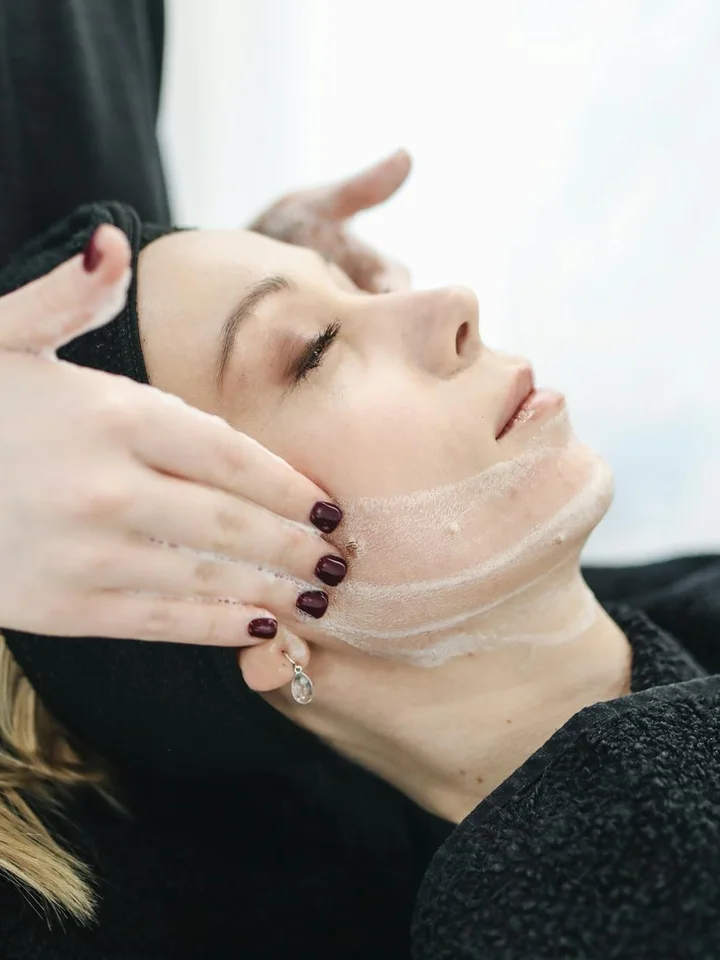
Introducing a new active is exciting, but timing is everything. Starting during a skin crisis is like repainting a wall while it’s still wet. It just won’t work well and often makes a bigger mess. Your skin’s current health status is the most important factor in determining if you should start a purging ingredient.
Use this checklist before you open that new bottle or tube. If any point applies to you, press pause. Wait for your skin to settle, then reconsider.
Active Eczema or Rosacea Flare-Ups
When your skin is in a state of inflammatory protest, adding more stimulation is a bad idea. Ingredients like retinoids and acids can significantly worsen redness, scaling, and discomfort. Think of my client Noah; during his dry, reactive patches, even a gentle cleanser can sting. Introducing an acid then would be asking for trouble.
Your priority during a flare is to calm and repair, not to accelerate cell turnover. Stick to a simple, soothing routine with ceramides and colloidal oatmeal until your skin has been calm for at least two full weeks.
A Visibly Damaged Skin Barrier
How do you know your barrier is compromised? Your skin tells you. If applying your usual moisturizer or even splashing with water causes stinging, tightness, or immediate redness, your protective layer is weak. This is your skin screaming for a break.
Purging ingredients work by penetrating deep into the skin. A damaged barrier lets them penetrate too deeply, too quickly, leading to severe irritation that mimics a bad burn, not a purge. If your skin stings with water, it is not ready for actives. Focus on barrier repair with lipids and humectants first.
Immediately After a Professional Procedure
Your skin needs time to heal after procedures like laser treatments, chemical peels, dermaplaning, or waxing. These processes create microscopic wounds or remove layers of protection. Adding an active like retinol or an AHA on top is a direct path to scarring, hyperpigmentation, and intense irritation. It’s especially risky if you apply retinoids without repairing your skin barrier first.
Always follow your clinician’s post-procedure instructions to the letter. A good rule of thumb is to avoid all purging ingredients for a minimum of one week after most treatments, and sometimes much longer. When in doubt, wait it out.
Confirmed Pregnancy, Nursing, or Trying to Conceive (For Retinoids)
This warning is specifically for retinoids, both prescription and over-the-counter. While the risk from topical use is considered low, many healthcare providers recommend avoiding retinoids entirely during pregnancy and breastfeeding as a precautionary measure.
If you are pregnant, nursing, or trying to conceive, have a conversation with your obstetrician or dermatologist before using any retinoid product. There are many other effective, pregnancy-safe options for addressing acne and texture, like azelaic acid or glycolic acid in lower concentrations.
Using Prescription Acne Medications Without Guidance
Combining powerful ingredients without a plan is a common misstep. If you are already using a prescription treatment like topical antibiotics, stronger retinoids (tretinoin, tazarotene), or oral medication, adding an over-the-counter purging product can lead to a chemical overload.
Your dermatologist prescribed a specific regimen for a reason. Adding another active can interfere with its efficacy or, worse, cause a severe reaction. Never layer new actives onto a prescription regimen without your doctor’s explicit approval. Send them a quick message; it’s the safest move.
Remember, choosing to stop a product or delay starting it is not a skincare failure. It is the smartest, most respectful thing you can do for your skin. Listening to your skin and prioritizing its health over a rigid routine is the mark of a true skincare pro. Build a stable foundation first, then carefully introduce new players to the team.
Your Quick Purging Questions, Answered
Is it purging or a breakout if the blemishes are painful?
Truly painful, cystic, or itchy bumps, especially in new areas, typically signal irritation, not a purge. A genuine purge usually presents as familiar, minor blemishes in your usual trouble zones without significant discomfort.
Does benzoyl peroxide cause a true skin purge?
Not in the classic sense. Benzoyl peroxide kills bacteria but doesn’t accelerate cell turnover. Any initial flare is often due to rapid inflammation bringing clogs to the surface, so manage it with calming ingredients and a gentle routine.
How long is too long for purging to last?
A standard purge aligns with your skin cycle, lasting 4-6 weeks. If intense breakouts continue past 8 weeks or appear in new areas, it’s likely irritation, and you should pause the product and reassess.
Navigating Your Skin’s Transition with Confidence
Purging signals that active ingredients like retinoids or acids are effectively speeding up cell renewal, but it should feel manageable, not distressing. Your most powerful tool is observation: note if breakouts cluster in familiar areas and fade within weeks, which points to purging, not a product mismatch.
- Always patch test a new product for a few days before applying it to your entire face.
- If purging occurs, reduce application frequency to every other night or twice a week to ease your skin into it.
- Pair actives with a simple, soothing moisturizer to protect your skin barrier and reduce redness.
- Give any new product a consistent 6 to 8-week trial before deciding if it’s working for you.
- Never skip sunscreen in the morning, as exfoliating ingredients can make your skin more sensitive to sun damage.
Think of me as your clinic-side guide, sharing insights from real sessions with clients like Lina, who learned to balance AHAs with calming oils. This blog is built on trustworthy, cruelty-free advice, and we’re always adding new posts to help you care for your skin. Your questions shape what we write about next, so feel free to browse our articles whenever you need a reliable, empathetic take on your routine.
Industry References
- How to Deal with Skin Purging When Starting a New Serum
- AHAs/BHAs vs. Retinol: Dermatologists Explain When and How to Use Each
- The Difference Between Retinoids and AHAs/BHAs – Flora Kim Dermatology
- A Doctor’s Guide To Skin Purging: The Dos & Don’ts | Vogue
- Using Exfoliants: How To Combine AHAs/BHAs/PHAs With Retinoids – SkinLab
- Is It Purging or a Breakout?
- Why This is the Best Time to Use Retinol and BHA – Glow Recipe
- The Truth About Skin Purging When Using Active Serums – SkinInspired
- r/tretinoin on Reddit: ARE YOU PURGING OR BREAKING OUT- HERE’S YOUR ANSWER!!
- How to Speed up Retinol Purging (The Easy Way) – SeoulCeuticals
Lucy Zimmerman
Lucy is an expert author and blogger when it comes to skin care and body care. She has first hand expertise acting as skin care consultant for over 5+ years helping her clients achieve smooth blemish free skin with natural and working remedies. She also has been an avid experimenter and tried out all the natural and artificial remedies and treatments so you can learn from her first hand experience. Additionally, she has traveled to many countries around the world and incorporated the skin care routines she has learnt into this blog. So, wait no more, reach out to Lucy if you have any specific needs and follow her blog, LuciDerma for expert skin care advice.