
Your Safe Guide to Layering Vitamin C Serum and Retinol Cream
You want the brightening power of Vitamin C and the renewing effects of retinol, but you’re worried about irritation. I hear this from clients all the time, and with a few smart steps, you can use both confidently.
By the end of this guide, you will know exactly how to:
- Layer these products in the safest order to prevent redness and sensitivity.
- Choose the right formulas for your skin type, whether it’s oily, dry, or combination.
- Build a simple morning and evening routine that makes your skin glow without the sting.
Consider this your personal plan for smoother, brighter skin.
The Golden Rule: Why We Separate Vitamin C and Retinol
Think of your skin’s surface as a tiny kitchen counter where you’re preparing two powerful ingredients. You wouldn’t mix vinegar and baking soda right before using them, because they’d fizz, neutralize, and lose their power. Your Vitamin C serum and retinol cream work in a similar way.
Vitamin C (specifically L-ascorbic acid, the most potent form) needs a very acidic environment, a low pH, to be stable and able to penetrate your skin. Retinol, on the other hand, is most effective at a more neutral pH. When you layer an acidic serum directly under or over a neutral cream, you can throw off the pH balance. This clash can render both ingredients less effective and significantly increase your risk of stinging, redness, and irritation.
My client Noah, with his dry and reactive skin, learned this the hard way. He once applied a vitamin C serum and followed it immediately with his retinol cream, hoping to double down on anti-aging benefits. Within two days, his cheeks were tight, flaky, and angry. We separated the ingredients into different parts of his day, and his skin calmed down while still getting all the benefits. Giving each powerhouse its own time to work is the safest strategy.
Your Safe Layering Blueprint: Morning vs. Night
The simplest, most effective method is to give each ingredient its own dedicated shift. Picture a simple two-column schedule: one for AM, one for PM. This separation is the foundation of using these actives successfully long-term.
Morning: Vitamin C’s Time to Shine
Your morning routine is about protection, and Vitamin C is your star defender. After cleansing, apply your Vitamin C serum to slightly damp skin-this can help with absorption. Follow with your moisturizer and, non-negotiatably, a broad-spectrum sunscreen.
Vitamin C is a potent antioxidant. Think of it as a shield that neutralizes free radicals from UV rays and pollution *before* they can damage your skin and cause premature aging. Using Vitamin C in the morning boosts your sunscreen’s protective power, creating a formidable defense team against daily environmental stressors. This straightforward schedule answers the common question of the optimal time to use each product.
A simple AM routine looks like this:
- Gentle Cleanser
- Vitamin C Serum
- Moisturizer
- Sunscreen (SPF 30 or higher)
Night: Retinol’s Time to Renew
Nighttime is for repair and renewal, which is precisely what retinol does best. Start with a gentle cleanser to remove the day. If you have sensitive skin like Lina or are new to retinol, apply a light moisturizer first. This “buffering” technique can help ease any initial sensitivity. Curious about the best retinol percentage for beginners with sensitive skin? We’ll cover safe starting percentages in the next steps.
Then, apply a pea-sized amount of your retinol cream to your entire face, avoiding the immediate eye area. You can follow with your regular night moisturizer if needed. Retinol works by encouraging faster skin cell turnover and boosting collagen production, processes your skin naturally does while you sleep. Sunlight can degrade retinol, making it less stable and effective, which is another key reason we reserve it for nighttime use.
And to a related common question: yes, you can use products with collagen peptides alongside retinol at night. Collagen in topical form acts as a hydrator and may support skin barrier function, which can be a helpful partner in your evening routine.
A simple, cautious PM routine looks like this:
- Gentle Cleanser
- Light Moisturizer (optional buffer for sensitive skin)
- Retinol Cream
- Your Usual Night Moisturizer
What to Mix & What to Avoid: Your Ingredient Interaction Guide
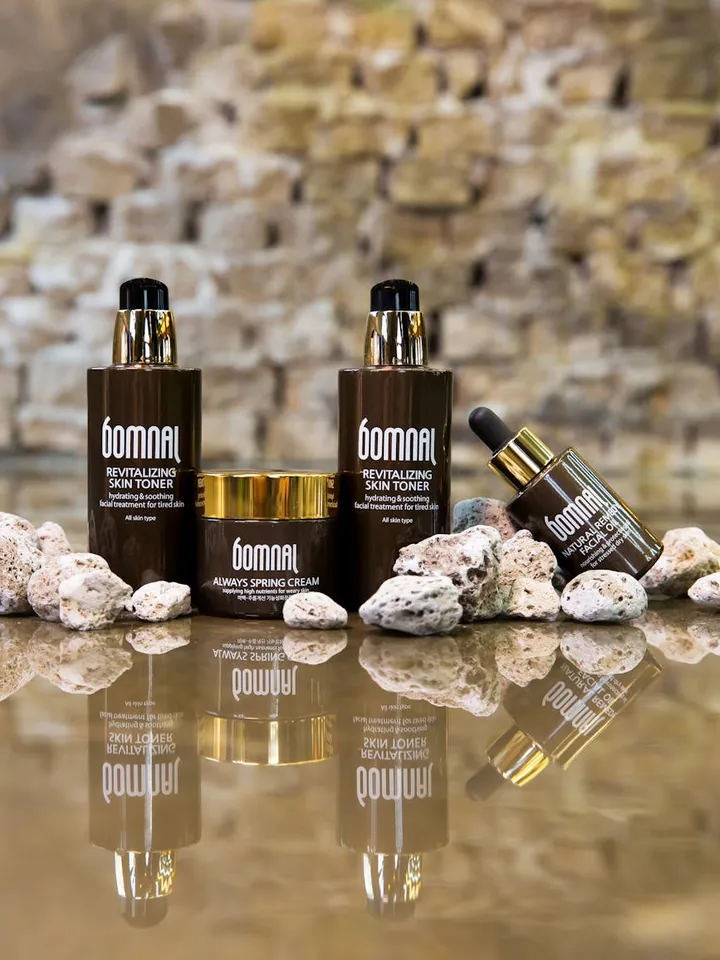
Think of your skincare routine like building a sandwich. Some ingredients are the best of friends, while others clash and create a mess. Getting the combinations right means your skin gets all the benefits without the irritation. A quick build skincare routine step guide can show you the exact order to follow. This makes it easy to layer products and keep irritation at bay.
Here’s a simple guide for what to pair with your retinol night and what to schedule for another time.
Safe Companions for Your Retinol Night
Your retinol routine doesn’t have to be a solo act. These ingredients are like a supportive team, helping your skin handle retinol’s renewal process comfortably.
Niacinamide is retinol’s best friend in your cabinet. My client Noah, with his dry, reactive skin, found that a niacinamide serum applied before his retinol cream made a world of difference. It significantly reduced the flaking and redness he used to experience.
Hyaluronic acid, peptides, and ceramides are also excellent choices. They don’t fight with retinol for attention. Instead, they provide the hydration and barrier support your skin needs during cellular turnover. These fit into an anti-aging skincare routine that includes retinoids and peptides. Retinoids promote renewal, while peptides support collagen during that process.
- How to layer them: Apply your hydrating serum (with hyaluronic acid or niacinamide) to slightly damp skin. Follow with your retinol. Then, seal everything in with a moisturizer containing peptides or ceramides.
- This “sandwich method” is a classic technique for a reason. It helps sensitive skin types ease into using potent ingredients without distress.
Ingredients to Give Space From Retinol
Some ingredients are powerful on their own but become counterproductive or downright harsh when used alongside retinol in the same routine. The goal is effective results, not a damaged skin barrier. One example is combining retinoids and peptides, which requires caution despite their individual benefits.
Other potent exfoliants, like glycolic, lactic, or salicylic acid, should get their own night. Using them with retinol is a top request for irritation. I think of my client Maya, who is acne-prone. She uses her BHA toner in the morning and her retinol at night, which keeps her clear without causing a painful reaction.
Benzoyl peroxide is another one to schedule separately. Not only can it cancel out retinol’s effects, but the combined dryness can leave your skin feeling tight and angry.
This isn’t about restriction, but about strategy. Giving these ingredients their own dedicated time allows each one to work its best magic without overwhelming your skin’s defenses. If your goal is to use both an acid and a retinol, simply alternate nights between them.
Step-by-Step: How to Apply for Minimal Irritation
Think of your skincare layers like getting dressed. You wouldn’t put a raincoat on over a heavy sweater and expect to feel comfortable. The order matters for how your skin feels and how well the products work.
We’ll split this into your morning antioxidant defense and your evening renewal shift. Follow these steps to build a routine that’s effective, not irritating.
Your Morning Vitamin C Routine
Vitamin C is your daytime shield. It works to neutralize free radicals from pollution and UV exposure before they can damage your skin.
- Cleanse your face with a gentle, low-pH formula. Pat your skin dry with a clean towel, leaving it slightly damp.
- Apply your Vitamin C serum directly to your face and neck. A thin layer is all you need-about 3-4 drops for your entire face.
- Now, wait. Let the serum absorb and dry down completely. This waiting period of 60-90 seconds is key to prevent pilling and ensures the next layer doesn’t dilute your serum. Your skin should feel tacky, not wet.
- Follow with a fragrance-free moisturizer to lock in hydration. If your moisturizer contains sunscreen, you can stop here. If not, apply a broad-spectrum SPF 30 or higher as your final, non-negotiable step.
Your Evening Retinol Routine
Retinol is your nighttime renovator. It encourages cell turnover and boosts collagen, but it can be drying. The goal is to get the benefits without the redness or flaking.
- Double cleanse in the evening, especially if you wear sunscreen or makeup. Start with an oil-based cleanser, then follow with your gentle water-based cleanser.
- Pat your skin completely dry. Retinol should always be applied to bone-dry skin, as water can increase its penetration and potential for irritation.
- Dispense a pea-sized amount of retinol cream for your entire face. Dot it on your forehead, cheeks, nose, and chin, then gently blend outward.
- Wait 10-15 minutes for the retinol to fully absorb. Use this time to brush your teeth or pick out tomorrow’s outfit.
- Seal everything in with a generous layer of your night cream or moisturizer. This final step helps counteract any dryness and supports your skin barrier overnight.
The “Sandwich Method” for Sensitive Skin
If you have skin like Noah’s-reactive, dry, or new to retinol-the standard application might feel too intense. The sandwich method is a gentler approach.
Instead of applying retinol directly to dry skin, you buffer it with moisturizer.
- Step 1: Cleanse and dry your face.
- Step 2: Apply a light layer of your basic moisturizer. This is your first “slice of bread.”
- Step 3: Apply your pea-sized amount of retinol. This is the “filling.”
- Step 4: Finish with another layer of moisturizer. This is the top “slice of bread,” locking everything in comfortably.
This method slows the delivery of retinol, reducing irritation while letting your skin gradually build tolerance. Many of my clients start here and find they can move to direct application after a few weeks. Understanding how retinol percentage affects efficacy helps you choose the right product for your goals. Higher isn’t always better—finding the right concentration supports gradual, lasting results.
Can I Mix Retinol and Vitamin C in My Palm?

I hear this question all the time, especially from clients like Noah, who wants to simplify his routine. The short, direct answer is no, I do not recommend mixing a pure vitamin C serum with a pure retinol cream in your hand before applying.
Think of them like two brilliant scientists who are terrible roommates. They work best in their own, stable environments. Mixing them together on your palm creates a new, unpredictable formula right before it hits your skin. This is the fastest path to irritation because you’re altering the pH and stability of both actives the moment they combine. Your skin barrier has to deal with that chemical reaction directly, which can lead to redness, stinging, and dryness.
Beyond the irritation risk, you risk wasting both products. Vitamin C (specifically L-ascorbic acid) thrives at a low, acidic pH. Retinol is most effective at a more neutral pH. When you mix them, you push the formula toward a middle-ground pH that can neutralize the potency of both. You might be applying them, but their ability to work effectively is compromised.
How to Handle Multi-Ingredient Serums
This brings us to a follow-up question I get: what about a product like the Clarins Double Serum, which contains multiple ingredients, and then using a retinol? The rule still stands, but your thinking shifts slightly. For context, a quick look at retinol versus related retin forms (retinal and retinyl esters) through the lens of ingredient chemistry can clarify how a multi-ingredient serum behaves. This retinol–retin ingredient chemistry comparison will help explain how stability, activation, and interactions affect efficacy in products like Clarins Double Serum.
Treat any multi-ingredient serum as a single product in your routine. If that serum contains vitamin C, then you must consider it your “vitamin C step” for the night. You should not layer a separate retinol product over or under it in the same routine. Your safest bet is to use them on alternating nights. This gives your skin the benefits of each powerhouse ingredient without the cocktail party drama on your face.
For application, the golden rule is separation-by time, not by mixing. Apply your vitamin C serum to clean, dry skin in the morning, followed by moisturizer and sunscreen. At night, after cleansing, apply your retinol cream to dry skin, then follow with a moisturizer. This keeps them effective, stable, and far gentler on your skin.
When to Pause: Contraindications and Safety Checks
Even with a perfect morning and night split, there are times when your best move is to press pause on both vitamin C and retinol. Listening to your skin’s signals is more important than sticking rigidly to any routine.
Your Skin Barrier Is Compromised
Think of your skin barrier as your protective shield. When it’s compromised, it’s like that shield has cracks. Applying active ingredients like vitamin C and retinol on damaged skin is asking for trouble-stinging, burning, and more redness.
Signs your barrier needs a break include:
- A feeling of tightness or persistent dryness, even after moisturizing.
- Stinging when you apply any product, even a gentle cleanser.
- Visible redness, flakiness, or a rough, sandpaper-like texture.
My client Noah experiences this often. When his dry, reactive skin flares up, we switch to a bare-bones routine: a gentle cleanser, a ceramide-rich barrier repair moisturizer, and sunscreen. We only reintroduce actives after his skin feels calm and resilient again for at least a full week.
You Have an Active Sunburn or Windburn
This is non-negotiable. Sunburned or windburned skin is inflamed and injured. Applying antioxidants or retinoids to burned skin will significantly slow healing and increase pain and peeling. Focus solely on soothing and hydrating the area with aloe vera or fragrance-free moisturizers until the skin is fully healed and no longer sensitive to touch.
Immediately After Professional Procedures
If you’ve had a clinical treatment like a chemical peel, laser, microneedling, or dermabrasion, your dermatologist or esthetician will give you specific aftercare instructions. These always involve avoiding actives for a period. Your skin is in a deliberate, controlled healing phase, and introducing other powerful ingredients can disrupt that process and cause damage.
During Pregnancy, Breastfeeding, or When Trying to Conceive
While topical vitamin C is generally considered safe during pregnancy and breastfeeding, the guidelines for retinoids are much stricter. Many healthcare providers recommend avoiding topical retinol and other retinoids as a precaution during these times. This is a vital conversation to have with your obstetrician or dermatologist to make a plan that’s right for you and your baby.
Consult a Dermatologist for Specific Conditions
If you are managing a skin condition like rosacea, eczema, or psoriasis, introducing potent actives can be tricky. What soothes one person’s eczema might trigger another’s. A dermatologist can help you navigate these ingredients safely, perhaps suggesting a gentle form of vitamin C (like magnesium ascorbyl phosphate) or a prescription retinoid alternative that’s better suited for your skin’s needs.
When in doubt, scale back. A simple, hydrating routine for a few days never hurt anyone, but pushing through irritation can set your skin health back weeks.
Troubleshooting: What If My Skin Still Feels Sensitive?
Sometimes, even with the most careful layering, your skin sends a clear signal: too much, too soon. This isn’t a failure. It’s your skin asking for a gentler approach. For people with skin like our client Noah’s-dry, reactive, and thoughtful-this is a common and completely manageable part of the process.
Your Immediate Fallback Plan: The Gentle Pause
If you feel persistent stinging, unusual dryness, or redness, pause both your Vitamin C and retinol immediately. Your first job is to switch gears entirely from active treatment to soothing repair for at least three to five days. Think of this as hitting the reset button on your skin’s comfort level.
During this pause, your routine should be minimalist and focused on hydration and barrier support:
- Cleanse with a gentle, non-foaming cream or oat-based wash.
- Apply a simple, fragrance-free hydrating toner or essence.
- Use a repairing moisturizer packed with ingredients like ceramides, peptides, and squalane.
- Seal it all in with your daily sunscreen in the AM.
The “Alternating Nights” Method: A Sustainable Path Forward
Once your skin feels calm and comfortable again, you can reintroduce your actives using a slower schedule. The goal is to give your skin time to recover between potent ingredients.
Here’s a simple alternating nights plan to follow:
- Night 1: Apply your Vitamin C serum in the morning. In the evening, use only your gentle cleanser, hydrating layers, and barrier-repair moisturizer.
- Night 2: Skip Vitamin C in the AM. In the evening, apply your retinol cream over moisturizer (the “retinol sandwich” method).
- Night 3: Repeat Night 1’s routine of focusing on repair and hydration.
This method creates a valuable buffer. You are never applying a potent antioxidant (Vitamin C) and a cell-communicating ingredient (retinol) in the same 24-hour period, which dramatically lowers the risk of irritation. You can maintain this schedule for several weeks before considering using them closer together again.
Build a Stronger Foundation First
If alternating nights still feels like too much, it means your skin barrier needs more dedicated support before it can handle actives. This was the key for Noah. He spent two full weeks using only barrier-repair focused products before even attempting to reintroduce a single active.
Focus on formulas with these calming and restoring ingredients:
- Ceramides: These are the essential lipids that “glue” your skin cells together, sealing in moisture and keeping irritants out.
- Colloidal Oatmeal: It actively soothes itch and redness, acting like a calming blanket for inflamed skin.
- Panthenol (Provitamin B5): It draws moisture into the skin and helps support healing.
When your skin no longer feels tight, reactive, or easily flushed, you’ve built a resilient foundation. Only then should you cautiously restart, beginning with just one active (like retinol, once a week) before even thinking about layering. Patience here prevents setbacks and leads to better long-term results.
Your Layering Questions, Answered
Should I prep my skin before introducing both actives?
Absolutely. Ensuring your skin barrier is healthy with a consistent, hydrating routine for a few weeks first is your safest starting point. This foundation helps your skin tolerate actives better and reduces potential irritation from the outset.
Can I apply moisturizer both before and after retinol?
Yes, this “sandwich method” is a highly effective technique for sensitive skin or beginners. Apply a light moisturizer, then your retinol, followed by your regular moisturizer to buffer the effect and support your barrier overnight.
What if I skip Vitamin C in the morning-can I use it at night with retinol?
No, we strongly advise against it even on alternating nights within your evening routine. For optimal stability and to avoid sensitivity, keep Vitamin C firmly in your morning schedule and retinol reserved for night.
Your Blueprint for Happy, Healthy Skin
The safest way to layer Vitamin C and Retinol is to give each ingredient its dedicated time. I advise my clients to use Vitamin C in the morning for antioxidant protection and Retinol at night for cellular renewal, which keeps irritation low and results high.
- Apply your Vitamin C serum to clean, dry skin every morning before moisturizer.
- Use your Retinol cream at night, starting with a low concentration twice weekly to build tolerance.
- Always follow your morning routine with a broad-spectrum sunscreen.
- If you must layer them in the same PM routine, apply Vitamin C first, wait 10 minutes, then use Retinol.
- Listen to your skin like my client Noah does; any burning or peeling means you should reduce frequency.
For more personalized advice, follow along on the LuciDerma blog. If you have questions about your specific routine, send them my way. I read every message and love helping you find sustainable, effective solutions for your skin.
Written by Lucy Zimmerman. Lucy is an expert author and blogger when it comes to skin care and body care. She has first hand expertise acting as skin care consultant for over 5+ years helping her clients achieve smooth blemish free skin with natural and working remedies. She also has been an avid experimenter and tried out all the natural and artificial remedies and treatments so you can learn from her first hand experience. Additionally, she has traveled to many countries around the world and incorporated the skin care routines she has learnt into this blog. So, wait no more, reach out to Lucy if you have any specific needs and follow her blog, LuciDerma for expert skin care advice.