
Copper Peptides and Vitamin C: How to Safely Combine Them in Your Routine
You’re not alone in wondering if copper peptides and vitamin C can share space on your shelf without causing trouble. As an esthetician, I help clients like Lina navigate this exact puzzle every day.
- How these ingredients interact on your skin: We’ll look at the simple science so you understand why timing matters.
- A clear, step-by-step routine to follow: You’ll get a practical layering guide that prevents irritation and boosts results.
- How to choose products for your skin type: Learn whether this combo benefits oily, dry, or sensitive skin like yours.
You’ll have a personalized plan by the time you finish reading.
First, Meet Your Ingredients: A Simple Breakdown
Let’s get to know our two key players. They have different personalities and jobs in your skincare routine.
Copper peptides aren’t the flashy star ingredient that does one loud, dramatic thing. Think of them more as a gentle project manager for your skin cells. They coordinate the team, sending signals to get repair work done efficiently and calmly.
Vitamin C, on the other hand, is like that brilliant, eager intern. It’s a powerhouse antioxidant that jumps into action to protect and brighten. But it can be a bit unstable and needs the right environment (a specific pH level in its formula) to work its best without breaking down quickly. Formulators often pair it with ferulic acid and vitamin E to stabilize vitamin C and extend its effectiveness. Together, these antioxidants create a more durable, synergistic blend that resists breakdown.
Their core, evidence-backed benefits focus on repair and defense:
- Copper Peptides: Support skin repair, improve firmness by encouraging collagen and elastin, and calm inflammation.
- Vitamin C: Fights free radical damage (anti-aging), brightens dark spots, and improves overall skin texture and radiance.
The Gentle Power of Copper Peptides
Imagine your skin’s support structure, collagen and elastin, is like the framework of a house that needs occasional rebuilding. Copper peptides act like a detailed blueprint and a foreman, quietly signaling your skin’s construction crews to produce more of these vital proteins.
This is why they are celebrated in wound healing and for their anti-inflammatory properties. They don’t aggressively exfoliate or bleach. They communicate, guiding your skin to rebuild itself stronger and calmer. You’ll typically find them in leave-on treatments like serums, moisturizers, and creams designed for overnight recovery or daily maintenance.
Their strength lies in this steady, signaling work that promotes long-term resilience and repair.
Vitamin C: The Brightening Protector
Vitamin C is your skin’s daily shield. As a top-tier antioxidant, it neutralizes free radicals from sun exposure and pollution before they can damage skin cells and lead to premature aging. It’s like having a dedicated security guard for your complexion, especially when used alongside Vitamin E to bolster your skin’s barrier.
It also interrupts the process of melanin production, which helps fade hyperpigmentation and sun spots over time for a more even tone. Beyond brightening, it supports collagen synthesis, contributing to smoother skin texture.
Because pure L-ascorbic acid is so active, it’s often formulated at a low pH (around 3.5) to be effective and stable. Other gentler derivatives, like magnesium ascorbyl phosphate or sodium ascorbyl phosphate, are more stable and work at a pH closer to your skin’s natural level, which is better for sensitive types like my client Noah.
Do They Play Nice? The Science of Mixing
So, can you use copper peptides with vitamin C? The short answer is yes, but not directly together at the exact same moment. It’s similar to using adapalene with peptides and vitamin C.
The issue isn’t about safety, but about stability and effectiveness. Some ingredients can inactivate each other when mixed, a bit like a kitchen chemistry experiment where vinegar (an acid) can curdle milk. In skincare, copper can potentially oxidize pure vitamin C (L-ascorbic acid), making it less potent before it even touches your skin.
The goal is to let each ingredient do its job without interfering with the other’s stability.
The ‘What to Mix & What to Avoid’ Matrix
Here’s a simple guide to keep everything working for you.
Good Together (Used at Different Times):
- Vitamin C serum in your morning routine and a copper peptide serum at night.
- A copper peptide moisturizer in the PM and a Vitamin C serum in the AM.
- Using them on alternate days if your skin is sensitive to multiple actives.
Better Apart:
- Mixing a few drops of each serum together in your palm right before applying.
- Applying them directly on top of each other in the same routine step.
A general note on peptides: not all peptides interact with vitamin C. Copper peptides are the main type with noted potential for interaction. Other peptides, like matrixyl or argireline, don’t have the same issue. If you avoid mixing them in your hand, using them in separate steps is generally safe and effective, similar to how you would use retinoids and peptides.
What Happens in a Pre-Mixed Bottle?
You might see a product that lists both copper peptides and vitamin C on the label. This is perfectly fine to use. Reputable brands use specific, stabilized forms of vitamin C (often derivatives) and advanced encapsulation technology.
This technology essentially puts each active in its own protective shell, keeping them separate in the bottle until they are applied to your skin and released. The formulators are the chemists who have already solved the stability puzzle for you.
When a single product contains both, you can trust that the ingredients are designed to be compatible and effective together. This is a great option for those, like my client Lina, who want the benefits of both without layering multiple serums.
Building Your Routine: A Smart, Skin-Safe Plan
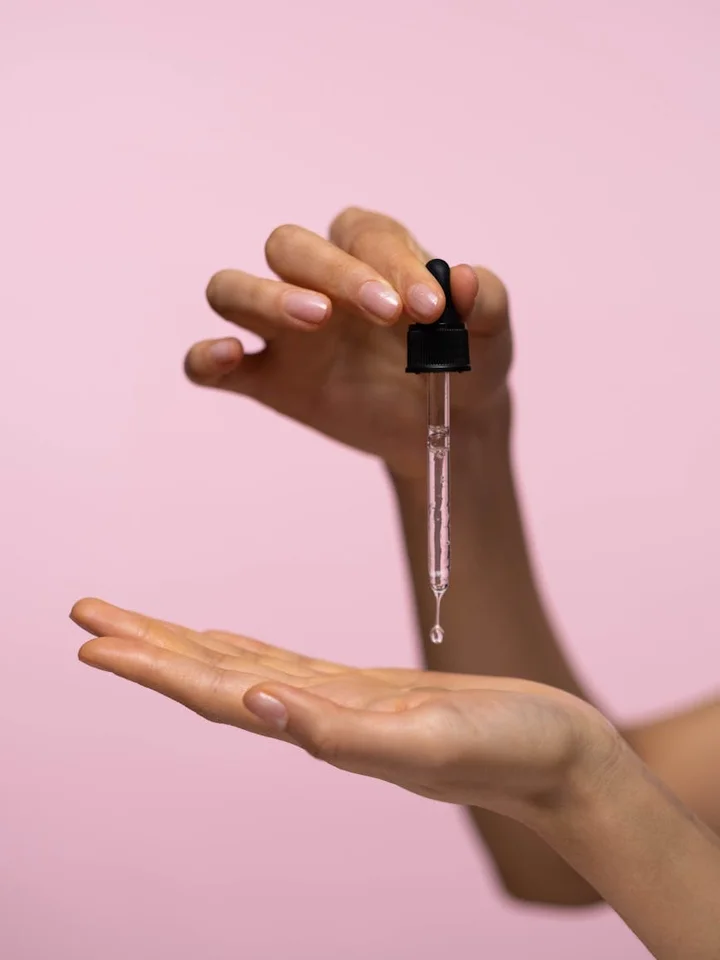
Let’s get practical. You don’t need to be a cosmetic chemist to combine these ingredients safely. The golden rule is to prioritize your skin’s comfort and health over any theoretical maximization of benefits.
For someone like Noah with reactive skin, I’d suggest keeping things simple and separate for at least the first month. His skin barrier needs consistency, not complexity. For Maya, who is focused on fading post-acne marks while preventing new breakouts, a split routine can be very effective. And for Lina, who has combination skin, watching how her drier cheeks versus oilier T-zone react will be her best guide.
A common question is timing: should copper peptides go before or after vitamin C? If you apply them together, yes, order matters. But there’s a much simpler approach.
The Morning & Evening Separation Strategy
This is the method I recommend to most clients starting out. It eliminates guesswork and potential irritation.
Use your Vitamin C serum in the morning. Its primary job here is to act as an antioxidant shield, neutralizing free radicals from pollution and UV light before they can damage your skin. Think of it as a protective underlayer for your sunscreen, making your sun protection even stronger.
Use your Copper Peptides in the evening. Your skin does its most intensive repair work while you sleep. Copper peptides support this natural process by signaling for collagen production and calming inflammation, making night time their perfect moment to shine.
Here’s what that looks like in a simple routine:
| AM Routine | PM Routine |
|---|---|
|
|
If You Must Use Them in the Same Session
Maybe you only have one serum you love that contains both, or you’re deeply committed to a single routine. It can be done with caution.
Apply your vitamin C product first, as it typically has a lower pH. Then wait. I advise a full 15-30 minutes. This waiting period is crucial-it allows the vitamin C to absorb and the skin’s pH to rebalance, much like letting a coat of paint dry completely before adding another.
After waiting, apply your copper peptide serum. Always follow the “thinnest to thickest” rule with your products. Finish with your moisturizer. Use gentle patting motions to press the products into your skin; rubbing can cause pilling and irritation.
Contraindications & Safety Warnings: When to Press Pause
More is not always better. There are times when combining actives, or even using one of them, should wait.
Do not attempt to combine these ingredients if your skin barrier is damaged. Signs of this include stinging when applying any product, persistent redness, flakiness, or a feeling of tightness. Your skin barrier is like a brick wall; if the mortar is crumbling, adding powerful ingredients will cause more damage, not repair. Focus on a gentle, nourishing routine with ceramides and fatty acids until your skin feels resilient again.
If you are using prescription-strength treatments like tretinoin or high-percentage acid peels prescribed by a dermatologist, consult them before adding new actives like these.
For Sensitive, Reactive, or Compromised Skin
If you identify with Noah’s skin profile, your approach should be slow and methodical.
- Patch test each product separately on a small area of your jawline or inner arm for at least one week before applying it to your entire face.
- Start with just one ingredient. Copper peptides are often remarkably well-tolerated, so they can be a gentle introduction. Use them alone in your PM routine for 3-4 weeks.
- Only after your skin shows no signs of irritation, consider introducing a vitamin C serum. Begin using it just 2-3 mornings a week.
- Choose gentler, stabilized forms of vitamin C. Derivatives like Sodium Ascorbyl Phosphate or Tetrahexyldecyl Ascorbate are less acidic than pure L-ascorbic acid and can be a better starting point for reactive skin.
Navigating Other Actives (Retinol, Exfoliants)
Your skincare routine isn’t just about these two ingredients. You might be wondering about retinol or your favorite exfoliating acid.
Copper peptides generally play well with others, including retinol. Some research even suggests they can help soothe retinol-induced irritation. For those pursuing anti-aging skincare with retinoids and peptides, this pairing is popular to support collagen and smooth fine lines. You can use copper peptides and retinol in the same evening routine, but apply the retinol after the waiting period, following the same “thinnest to thickest” guideline.
For strong exfoliants like AHAs (glycolic acid) or BHAs (salicylic acid), I recommend spacing them out. Use your exfoliating toner or treatment on a different night from your copper peptides. Using too many communicating actives at once can overwhelm your skin, leading to sensitivity. Think of it as giving your skin one clear job per night: some nights it repairs and rebuilds (copper peptides), other nights it refines and renews (exfoliants).
Real Results & Troubleshooting Common Issues

When you start this combination, you’re investing in your skin’s foundation. Think of it like upgrading your home’s plumbing and wiring before you repaint the walls. The most immediate change you might notice is a healthier glow and perhaps a smoother texture as hydration improves.
You probably won’t see a dramatic, overnight transformation in deep wrinkles or dark spots. This duo excels at long-term support, working beneath the surface to bolster collagen and elastin, which pays off in skin resilience and firmness over months.
Addressing Common Community Concerns
Scrolling through forums, I see the same few worries pop up constantly. Let’s demystify them.
- “Do they cancel each other out?” This is the biggest myth. They don’t deactivate each other on contact. The concern stems from older, unstable forms of vitamin C (like pure ascorbic acid) potentially oxidizing in the presence of copper ions. Using a stable vitamin C derivative (like tetrahexyldecyl ascorbate or magnesium ascorbyl phosphate) and separating application by a few minutes completely sidesteps this theoretical issue.
- “My skin feels weird or looks dull.” A client of mine, Noah, mentioned this. His dry, reactive skin initially felt a bit tight. We realized his barrier was slightly compromised. We paused the vitamin C, used his copper peptide serum alone with a rich moisturizer for a week, and his comfort returned. Sometimes, your skin just needs a slower introduction.
- “I’m not seeing any brightening.” Copper peptides aren’t primarily brighteners. If fading dark spots is your main goal, a dedicated regimen with vitamin C, retinoids, and niacinamide will be more direct. This combination supports that journey by creating healthier skin that heals and renews itself more efficiently.
Why You Might Not See a Difference (And That’s Okay)
If your mirror isn’t showing a shocking change, you’re not failing. The most significant benefits are often invisible.
The work they do is preventive and structural, like taking a daily multivitamin for your overall health rather than an aspirin for a sudden headache. You don’t “feel” your collagen getting stronger, but you might notice your skin doesn’t crease as easily, or a minor scratch heals faster. My client Lina, who’s curious about the science, once said after six months, “My skin just feels… sturdier. It doesn’t flush as easily when I try new products.” That’s the real win.
Signs It’s Not Working For You
Listen to your skin. It will tell you if this partnership isn’t a good fit. Irritation is a clear sign to stop and reassess.
- Persistent redness or warmth that lasts hours after application.
- Itching, stinging, or a crawling sensation that isn’t mild or fleeting.
- New dryness, flakiness, or tiny bumps where you applied the products.
If you experience any of these, simplify immediately: go back to a gentle cleanser, a basic moisturizer, and sunscreen for a few days until your skin calms down. More actives are not always better. For some people, a single, well-formulated copper peptide serum provides all the antioxidant and repair support their skin needs without the extra step. There is no prize for using the most number of potent ingredients, only the prize of having happy, healthy skin.
Your Copper Peptides & Vitamin C Questions, Answered
Do copper peptides and vitamin C cancel each other out?
No, they don’t cancel each other out on your skin. The key concern is potential instability if mixed directly, which is easily avoided by using them at separate times or choosing a well-formulated product that contains both.
What’s the one rule I must follow if using them in the same routine?
Always apply your vitamin C serum first, then wait 15-30 minutes before applying copper peptides. This allows the vitamin C to absorb fully and lets your skin’s pH rebalance, preventing any potential interaction.
What should I look for in a combined copper peptide and vitamin C serum?
Seek out products that use stabilized vitamin C derivatives (like SAP or THD ascorbate) and mention encapsulation technology. This ensures the ingredients remain effective and compatible in one bottle, taking the guesswork out for you. Additionally, be cautious when layering different vitamin C derivatives in your skincare routine.
Your Skin, Your Schedule
Combining copper peptides and vitamin C is less about finding a magic mix and more about smart timing. Think of your routine like a well-planned day: some tasks are for the morning sun, and others are best saved for evening repair.
- For a straightforward approach, use your vitamin C serum in the morning and your copper peptide treatment at night.
- If you wish to use them together, apply your vitamin C product first, wait 10-15 minutes, then follow with your copper peptide serum.
- Always patch-test new combinations on a small area of your jawline for a few nights before applying to your full face.
- Listen to your skin above all; if you notice persistent redness or sensitivity, return to using the ingredients separately.
- Choose formulas from brands committed to clean, cruelty-free science-your skin and our planet will thank you.
Your questions and experiences help shape what we explore next on the LuciDerma blog. If you’re trying this combination, I’d love to hear how your skin responds. Remember, the most effective routine is the one you can stick with consistently and that makes your skin feel its healthiest.
Sources and Additional Information
- Can You Use Copper Peptides With Vitamin C? – SeoulCeuticals
- Copper Peptides & Vitamin C Guide | Combo, Dosage & Benefits
- Can You Use Vitamin C and Copper Peptides Together? – Procoal
- Vitamin C v. Copper Peptides, A Scientific Perspective: Jennifer Baron, MD: Board Certified Dermatologists
- The Combined Administration of Vitamin C and Copper Induces a Systemic Oxidative Stress and Kidney Injury – PMC
- r/SkincareAddiction on Reddit: [Anti-Aging] Vitamin C and Copper Peptides
- Copper Peptides Are Like Nature’s Botox- Here’s How to Use Them
Lucy Zimmerman
Lucy is an expert author and blogger when it comes to skin care and body care. She has first hand expertise acting as skin care consultant for over 5+ years helping her clients achieve smooth blemish free skin with natural and working remedies. She also has been an avid experimenter and tried out all the natural and artificial remedies and treatments so you can learn from her first hand experience. Additionally, she has traveled to many countries around the world and incorporated the skin care routines she has learnt into this blog. So, wait no more, reach out to Lucy if you have any specific needs and follow her blog, LuciDerma for expert skin care advice.