
Rice Extract vs. Fermented Rice Water: Which Gives You a Brighter, Healthier Glow?
If you’re sorting through skincare labels wondering if rice extract or fermented rice water is the right choice for your skin, I get it. I’ve helped many clients, like curious Lina with her combination skin, navigate this exact decision to find a gentle, effective brightener.
This article will cut through the noise and give you the facts. Here’s what you’ll be able to do by the end:
- Spot the real differences in how rice extract and fermented rice water are made and what that means for your skin.
- Weigh the evidence for each ingredient’s ability to fade dark spots and strengthen your skin’s protective barrier.
- Pick the right product for your routine, whether your skin is like oily Maya’s or dry Noah’s.
You’ll have the knowledge to choose a product that truly works for you, not just the hype.
The Quick Comparison: Your At-a-Glance Guide
Think of this as your cheat sheet for the skincare aisle. When you’re scanning labels, this breakdown helps you know what you’re getting at a glance.
| Origin (How It’s Made) | Key Active Components | Primary Skin Benefit | Best For These Skin Types | Texture/Feel in Product |
| Rice grains or bran are processed with a solvent (like water or glycerin) to pull out and concentrate specific beneficial compounds. | A standardized mix of ferulic acid, phytic acid, amino acids, and minerals like magnesium. | Targeted brightening and antioxidant protection. It’s a precision ingredient. | Most skin types, especially those looking for even tone without heavy exfoliation. A safe bet for sensitive skin (like Noah’s) when formulas are clean. | Often a lightweight liquid or a slightly viscous essence. It blends seamlessly into serums and light moisturizers. |
| Rice is soaked in water, then the water is allowed to ferment for days or weeks using natural yeast and bacteria. | A dynamic mix of kojic acid, lactic acid, amino acids, vitamins (like B vitamins), and peptides created by fermentation. | Gentle exfoliation, barrier support, and overall radiance. It’s a multi-tasker. | Dull, combination (like Lina’s), or resilient skin that can handle mild fermentation byproducts. Those with very reactive skin should patch test. | Typically a watery, thin liquid. It feels like a hydrating toner or a first treatment essence. |
Molecule Spec Sheet: The Chemistry Breakdown
This gets a bit science-y, but stay with me. Knowing a little chemistry helps you understand why these ingredients work and how to use them smartly.
| Component | pH Stability | Typical Concentration in Formulas | Solubility (Water/Oil) | Safety Profile |
| Ferulic Acid (found in Rice Extract) | Stable at low pH (acidic). Its power fades in alkaline conditions. | 0.5% – 3% | Water-soluble | Generally non-irritating, a robust antioxidant. |
| Amino Acids (in both) | Stable across a wide pH range. | 1% – 5% | Water-soluble | Extremely gentle, the building blocks of skin-loving hydration. |
| Kojic Acid (prominent in Fermented Rice Water) | Can oxidize and discolor if not formulated properly; stabilized forms are common. | 1% – 4% (often lower in fermented blends) | Water-soluble | Generally safe, but higher concentrations can cause irritation for some. |
| Lactic Acid (a byproduct of fermentation) | Most effective at a low pH (3-4). | Varies widely in a fermented brew; often under 5% in final product. | Water-soluble | A gentle alpha-hydroxy acid (AHA). Can cause tingling; always sunscreen after use. |
Why this chemistry matters: Solubility tells us these ingredients love water-based serums and toners. pH stability clues us in that ferulic and lactic acids work best in low-pH formulas, which is why they’re often in treatment serums. The concentrations here are typical for effective, non-irritating results. Think of amino acids as a hydrating drink for your skin cells, while kojic and ferulic acids are the guards that protect them from damage and dark spots.
What Exactly Are We Putting on Our Skin?
Let’s get clear on definitions, because these two start from the same place but end up very different.
Rice Extract is a concentrated, standardized ingredient. Manufacturers take rice grains or rice bran and use a process (often with water, glycerin, or other solvents) to pull out and refine specific beneficial molecules. The goal is consistency: a bottle of rice extract from one batch to the next should deliver the same potent level of actives like ferulic acid. It’s a modern, precision skincare ingredient.
Fermented Rice Water is the result of a traditional process. Rice is soaked in water, and that water is then left to ferment for a period of time, often using naturally occurring yeast and lactic acid bacteria. This fermentation process breaks down the rice components, creating new beneficial compounds like kojic acid and lactic acid. The result is less about standardization and more about the complex, synergistic “broth” of byproducts.
Here’s my go-to analogy: Think of rice extract as a refined vitamin C capsule-you know exactly how much of the active you’re getting. Fermented rice water is more like a nutritious, probiotic-rich kombucha or bone broth-it’s a blend of many helpful components created through transformation.
Fermentation changes the game because it essentially pre-digests some components, making them more readily available for your skin to use. It also increases the levels of certain brightening acids and antioxidants that weren’t present, or were present in much lower amounts, in plain rice water. This is why it often feels so nourishing; it’s delivering a suite of skin-friendly nutrients in a gentle form.
How They Work: The Science of Brightening and Soothing

Think of a dark spot like a misprint on a page. Your skin uses an enzyme called tyrosinase as the printer. Both rice extract and fermented rice water contain compounds that gently slow down this enzyme’s work (as discussed in tyrosinase inhibitors for skin brightening). This means less pigment gets deposited in the first place.
Fermented rice water often has a slight edge here. The fermentation process can increase the concentration of antioxidants like ferulic acid. These antioxidants act like a shield, neutralizing the free radicals from sun exposure that would otherwise signal your skin to make more pigment.
For barrier repair, picture your skin’s outermost layer as a brick wall. The skin cells are bricks, and lipids like ceramides are the mortar holding them together. Both ingredients deliver amino acids and sugars that help your skin produce those essential ceramides. Rice extract typically provides these building blocks in a concentrated, direct form. Different ceramide types contribute in distinct ways to the barrier—some seal moisture more effectively, while others support repair. Understanding these ceramide types helps explain how lipid balance underpins barrier function.
If your skin is reactive like Noah’s, fermented rice water might feel more instantly calming. The fermentation creates natural compounds like peptides and probiotics that can help quiet redness and irritation on contact. It’s like a cool, soothing drink for inflamed skin.
Building Your Routine: A Step-by-Step Plan
Here is a simple way to integrate these ingredients into a daily plan. Remember to apply products from thinnest to thickest texture.
Morning Routine
- Cleanser: A gentle, water-based wash.
- Toner or Essence: A product with fermented rice water.
- Treatment Serum: A serum with concentrated rice extract.
- Moisturizer: A light lotion or gel cream.
- Sunscreen: The non-negotiable final step.
Evening Routine
- Cleanser: Start with an oil-based cleanser if you wear sunscreen or makeup, then follow with your water-based cleanser.
- Treatment Serum: Apply your rice extract serum to clean, slightly damp skin.
- Moisturizer: Use a slightly richer cream to support overnight recovery.
For targeted brightening, apply your rice extract serum after cleansing and before any heavier treatments or moisturizers. This gives the active components the best chance to absorb. If you have sensitive skin, patch-test first and choose a gentle formulation. This helps protect the skin while still supporting brightening.
Routine Adaptations
For Maya (Oily, Acne-Prone): Simplify. Use a rice water brightening face wash in the morning for a gentle cleanse with surface brightening benefits. At night, follow a basic cleanser with a lightweight rice extract serum. Skip heavy creams.
For Noah (Dry, Reactive): Focus on soothing. Use a fragrance-free toner with fermented rice water morning and night. Follow with a barrier-repair moisturizer that contains ceramides. Introduce a rice extract serum slowly, only 2-3 times a week initially.
For Lina (Combination): Balance. Apply a fermented rice water essence all over. Then, use a rice extract serum just on areas of hyperpigmentation or an oily T-zone. Use different moisturizers for different zones a light gel for the forehead, a richer cream for the cheeks.
What to Look for on a Product Label
Finding these ingredients means decoding the International Nomenclature of Cosmetic Ingredients (INCI). Here is what you are looking for:
- Rice Extract: Look for “Oryza Sativa (Rice) Extract” or “Oryza Sativa Extract.”
- Fermented Rice Water: Look for “Oryza Sativa (Rice) Ferment Filtrate.”
Ingredients are listed in order of concentration. To ensure you are getting a meaningful dose, look for the rice ingredient within the first half of the list, ideally in the top five to seven ingredients for serums and treatment products. If it is last, it is likely just a token addition.
These ingredients work beautifully with others. For enhanced brightening, pair with niacinamide, which also helps regulate oil and strengthen the barrier. For supreme soothing and barrier repair, look for formulas that also include centella asiatica (cica) or madecassoside. Vitamin C can be a potent partner but may be too stimulating for very sensitive skin types like Noah’s.
Contraindications & Safety Warnings
Even the gentlest ingredients need a cautious approach when your skin is in a vulnerable state. While both rice ingredients are celebrated for their mild nature, there are clear times to pause.
You should patch test or avoid use if you have active eczema, broken skin like cuts or scrapes, or a known allergy to grains. Skin with compromised integrity is more reactive. A patch test on your inner arm for a few days can save your face from a potential reaction.
For pregnancy and breastfeeding, topical rice extract and fermented rice water are generally considered safe. My stance is always the same: run any new product by your doctor or midwife first. Your body is doing incredible work, and their guidance is the gold standard.
I need to be very direct about DIY fermented rice water. I strongly advise against making it at home. The fermentation process is difficult to control, leading to unpredictable microbial growth. This can throw off the product’s pH and, worse, introduce harmful bacteria or fungi to your skin. The risk of irritation, infection, or worsening a skin condition is real. Professionally formulated versions are sterile, pH-balanced, and consistent.
If your skin barrier is severely damaged-think stinging with any product, widespread redness, or extreme dryness-these ingredients might be a step two. Consider Cetaphil ceramides for skin barrier repair as a gentle, effective starting point. They can support your recovery while you rebuild. Focus first on simpler, rock-solid barrier repair with ingredients like ceramides and glycerin. Once your skin is calmer, you can introduce rice-based products.
Making Your Choice: Which Ingredient is Your Skin’s Match?
Think of this as a quick matchmaking session for your skin’s needs. Both are excellent, but they often play different supporting roles.
Choose Rice Extract if your main goal is targeted brightening and you prefer a consistent, potent formula. It’s the concentrated choice for addressing hyperpigmentation or dullness, often paired with other brightening actives in serums, like niacinamide in serums and treatment creams.
Choose Fermented Rice Water if you seek overall calm, hydration, and a probiotic-like boost for a fussy barrier. It’s the multitasking soother. My client Noah, with his dry, reactive skin, finds fermented rice water toners provide a layer of calm hydration without any fuss. It’s fantastic for that “prebiotic” effect, feeding the good bacteria on your skin.
You’ll typically find rice extract in targeted treatments: serums, brightening ampoules, and some eye creams. Fermented rice water shines in lighter, hydrating layers like toners, essences, and moisturizers, where its soothing properties can be delivered first.
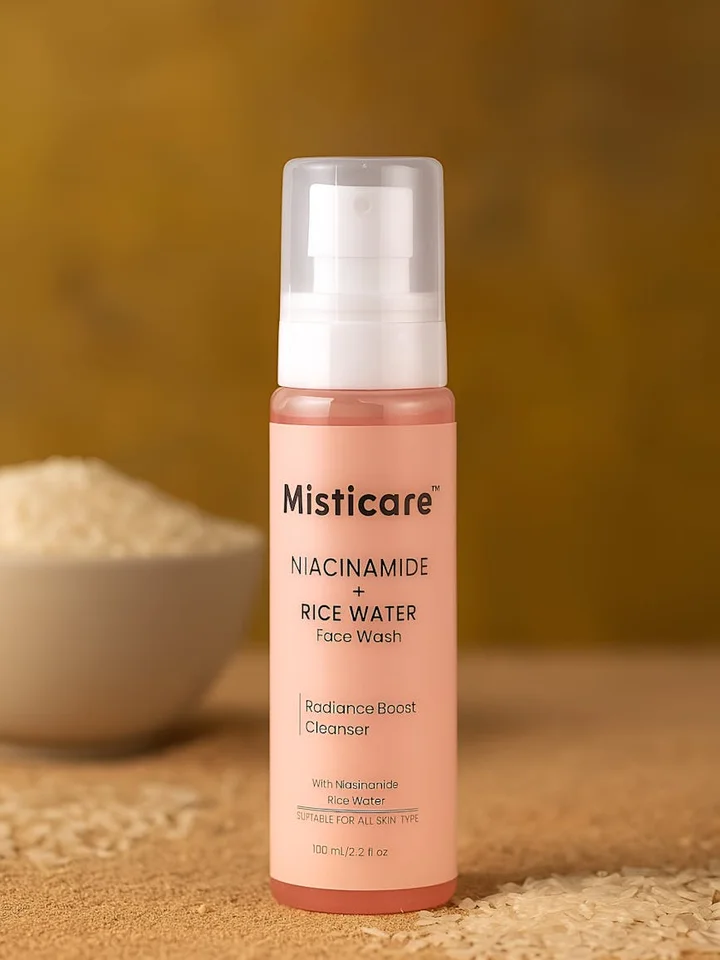
Many of you search for rice water brightening face wash reviews. A good one will have a low pH to respect your skin’s acid mantle and gentle surfactants that clean without stripping. Be wary of formulas loaded with fragrance or those that leave your skin feeling tight and squeaky-clean-that’s a sign it’s too drying, which can counteract any brightening benefits.
Your Questions on Rice-Based Brighteners, Answered
Can a rice water face wash deliver real brightening benefits, or do I need a serum?
A good rice water face wash offers gentle cleansing with surface brightening, but for lasting pigment correction, a leave-on serum with rice extract is key. Consider it a helpful prep step, not a substitute for targeted treatment.
Is fermented rice water a good choice for my sensitive, acne-prone skin?
Yes, its soothing compounds often calm sensitivity, but always patch-test first due to mild lactic acid. For acne-prone skin, it can aid gentle exfoliation—just choose a non-comedogenic, fragrance-free formula. Applied to the body, acid exfoliants can help address body acne on larger areas by gently loosening dead skin. Start with a low concentration and patch-test before broader use.
How long does it typically take to see results from rice extract or fermented rice water?
You might notice a healthier glow in 2-4 weeks, but significant brightening and barrier improvements usually require 8-12 weeks of consistent use. These ingredients, including alpha arbutin, work gently to build lasting skin health.
Putting Rice to Work for Your Skin
When it comes to brightening and strengthening your skin, both rice extract and fermented rice water are worthy ingredients. The best choice depends on whether you want a potent, targeted treatment or a gentle, multi-tasking tonic for your daily routine. Think of it as choosing between a specialized serum and a nourishing mist.
- Reach for fermented rice water if your skin is sensitive, reactive, or you love a simple, soothing step.
- Choose a product with rice extract when you want concentrated brightening and antioxidant power.
- You can absolutely use both by applying a serum with rice extract and then misting with fermented rice water for layered benefits.
This blog is here to help you navigate these choices with clarity. We focus on evidence and ethical formulations so you can build a routine that truly works. If you have more questions about these ingredients or your unique skin needs, we’re always here to help you find your path to healthier skin.
Industry References
- Is Rice Water Extract And Fermented Rice Water Extract different?
- How do you make fermented rice water (according to experts)
- Discover the Health Benefits of Neeraagaaram (Fermented Rice) – Traditional Fermented Rice Water
- Rice Water – Fermented
- Fermented Rice Water Extract- Plantas Medicinas, Plant-Based Beauty
- Rice Water – Fermented – Super Concentrate
- Development of Fermented Rice Water to Improve the Quality of Garaetteok, a Traditional Korean Rice Cake – PMC
Lucy Zimmerman
Lucy is an expert author and blogger when it comes to skin care and body care. She has first hand expertise acting as skin care consultant for over 5+ years helping her clients achieve smooth blemish free skin with natural and working remedies. She also has been an avid experimenter and tried out all the natural and artificial remedies and treatments so you can learn from her first hand experience. Additionally, she has traveled to many countries around the world and incorporated the skin care routines she has learnt into this blog. So, wait no more, reach out to Lucy if you have any specific needs and follow her blog, LuciDerma for expert skin care advice.