
Bee Products in Skincare: Choosing Propolis, Honey, or Royal Jelly for Your Skin
If you’re puzzled by propolis, honey, and royal jelly on ingredient lists, I get it-my clients bring me this question weekly.
By the end of this article, you’ll be empowered to:
- Spot the unique healing action of each bee ingredient on your skin barrier.
- Match propolis, honey, or royal jelly to your specific skin concerns, like calming acne or quenching dryness.
- Confidently select products that align with your skin’s needs without guesswork.
Let’s translate the hive into a simple, effective part of your routine.
The Hive Mind: A Quick Guide for the Curious
Let’s meet the three buzz-worthy ingredients that come straight from the beehive. Think of them as having very different jobs.
Propolis is the hive’s antibacterial sealant. Honey is the preserved food supply. Royal jelly is the exclusive superfood that creates the queen bee.
My goal here is to help you cut through the marketing noise. Once you know what each one does, you can confidently pick the right one for your specific skin concerns. From here, we’ll translate that knowledge into a practical build skincare routine step guide. In the next steps, you’ll see a simple, step-by-step routine tailored to your skin.
Getting to Know the Hive’s Heroes
Propolis Extract: The Hive’s Natural Defender
Propolis isn’t something bees collect, it’s something they make. Worker bees gather resin from tree buds and sap, mix it with enzymes, and use it as a sealant to sterilize their hive and protect it from invaders.
In skincare, this translates to a powerhouse ingredient. Its key traits are being a potent antioxidant, a broad-spectrum antimicrobial, and a strong anti-inflammatory. Together with vitamin C and vitamin E antioxidants, it helps protect and fortify the skin barrier. These antioxidants support barrier resilience against environmental stress.
You’ll typically find it as a brown propolis extract or tincture blended into serums, creams, and toners. It’s a star for calming angry, red blemishes and providing a protective layer against environmental stressors.
If you’re comparing propolis vs honey, remember this: honey is a food source with hydrating benefits, while propolis is primarily a protective, anti-inflammatory compound. I often recommend it to clients like Lina, who has combination skin, to soothe her sensitive cheeks while letting other ingredients tackle oiliness elsewhere.
A quick safety note: if you have a known allergy to bees or bee products, patch test carefully before using propolis.
Honey: The Classic Humectant
Honey’s main job in your skincare routine is hydration. It’s a natural humectant, which means it draws water from the air into your skin, like a magnet for moisture.
It also offers mild antibacterial and soothing properties, making it a gentle option for many skin types. It’s like giving your skin a drink of water with a calming touch.
Then there’s Manuka honey, a specific variant from New Zealand. Manuka has unique antibacterial factors (like methylglyoxal) that give it a stronger reputation for addressing blemishes.
When considering propolis vs manuka honey, think of propolis as a broader-spectrum defender and manuka as a specialized antibacterial agent. For someone like Noah, who has dry, reactive skin, a cleanser with plain honey can be a wonderfully gentle way to cleanse without stripping the skin’s barrier.
Royal Jelly: The Queen’s Superfood
Royal jelly is a milky secretion that worker bees produce to feed larvae. The larva destined to become the queen bee is fed exclusively royal jelly, which triggers her development.
It’s packed with proteins, B vitamins, and fatty acids. In skincare, it has a reputation for deep nourishment and moisturization, often used alongside hyaluronic acid for enhanced hydration.
While research is ongoing, its rich nutrient profile suggests potential support for skin hydration and elasticity. Think of it as a nutrient-dense treatment rather than a targeted solution, such as collagen peptides for skin elasticity and hydration.
Royal jelly is often chosen for its nourishing properties, making it a candidate for dry, lackluster, or mature skin that craves a boost of vitamins and amino acids. It’s the kind of ingredient I might suggest for someone wanting to add a layer of luxurious, skin-feeding care to their routine.
The Molecule Spec Sheet: A Scientific Snapshot
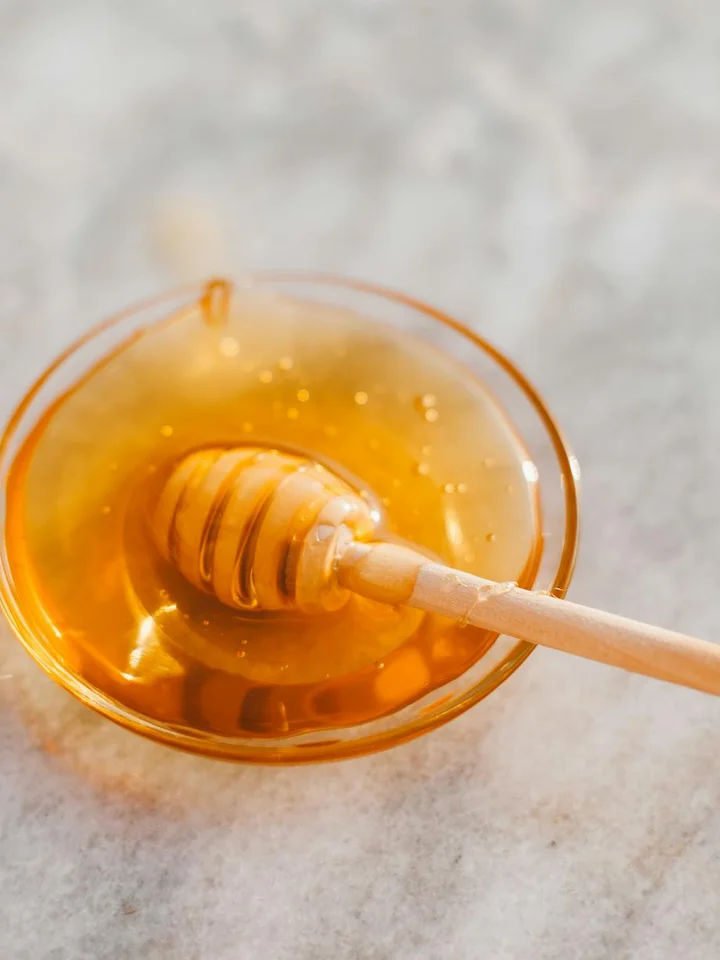
Let’s get technical for a moment. Knowing a bit about the chemistry helps you understand what you’re putting on your skin and why it behaves a certain way in a formula.
| Ingredient | pH (Typical in Products) | Common Concentration | Solubility | Safety & Patch Test Note |
|---|---|---|---|---|
| Propolis Extract | Varies, often balanced | 1-10% | Alcohol-soluble, oil-soluble extracts common | Higher allergy potential. Patch test is non-negotiable. |
| Honey ( & Manuka) | Acidic (~3.9) | 1-10% in formulations; up to 100% in masks | Water-soluble | Generally safe. Low allergy risk, but caution with bee product allergies. |
| Royal Jelly | Varies, often balanced | 0.1-5% | Water-soluble | Moderate allergy potential. Patch test recommended. |
Why does this table matter for your skin? The pH and solubility tell you about a product’s feel and function. Honey’s natural acidity is part of why it can feel gently exfoliating and help balance skin. Propolis, often dissolved in alcohol or oil, is frequently found in targeted serums or balms. Royal jelly, being water-soluble, blends easily into lightweight lotions and essences.
The concentration range is your clue to a product’s intent: a 1% propolis extract might offer soothing support, while a 10% one is a potent treatment shot.
Think of my client Noah, who has dry, reactive skin. He looks for propolis in gentle, balanced formulas and always, always patch tests first. For someone like Maya with oily skin, the slight acidity of a honey-based cleanser can be a perfect fit without stripping her skin, especially when considering pH-balanced formulations for barrier health.
Contraindications & Safety Warnings: Who Should Think Twice?
My first rule in the treatment room is “do no harm.” These ingredients are powerful, and that means we must respect their potential to cause reactions.
The primary concern is an allergy to bee products or bee venom. If you get a rash from a bee sting or have reacted to honey before, proceed with extreme caution or avoid these ingredients altogether.
Specific groups should consider a pause or get a professional opinion:
- Anyone with a known bee, pollen, or honey allergy. This is the biggest red flag.
- Pregnant or breastfeeding individuals. Not because topical use is proven dangerous, but because specific clinical data is limited. When in doubt, I advise choosing simpler routines.
- People with actively broken skin, wounds, or severe eczema flare-ups. Applying any active ingredient to compromised skin can lead to stinging or increased irritation.
Let’s clear up a common search query I see: “propolis vs honey for a cold.” These are topical skincare ingredients, not oral supplements you take for illness. While they have historical uses, we are only discussing their applied benefits for skin health here.
Patch testing is your best friend. Here’s how to do it properly for each type:
- For Propolis: Apply a small dab behind your ear or on the inner forearm twice daily for 5-7 days. Watch for any redness, itching, or bumps.
- For Honey (especially in a pure mask): Smear a pea-sized amount on your clean jawline for 10 minutes, then rinse. Check for a reaction over the next 24 hours.
- For Royal Jelly: Follow the same method as for propolis, testing on the inner arm for several days before using it on your face.
If you have sensitive skin like Lina, incorporating a new bee product without a patch test is like diving into a pool without checking the water depth. It only takes a few days and can save you from significant discomfort.
Matching the Ingredient to Your Skin’s Needs
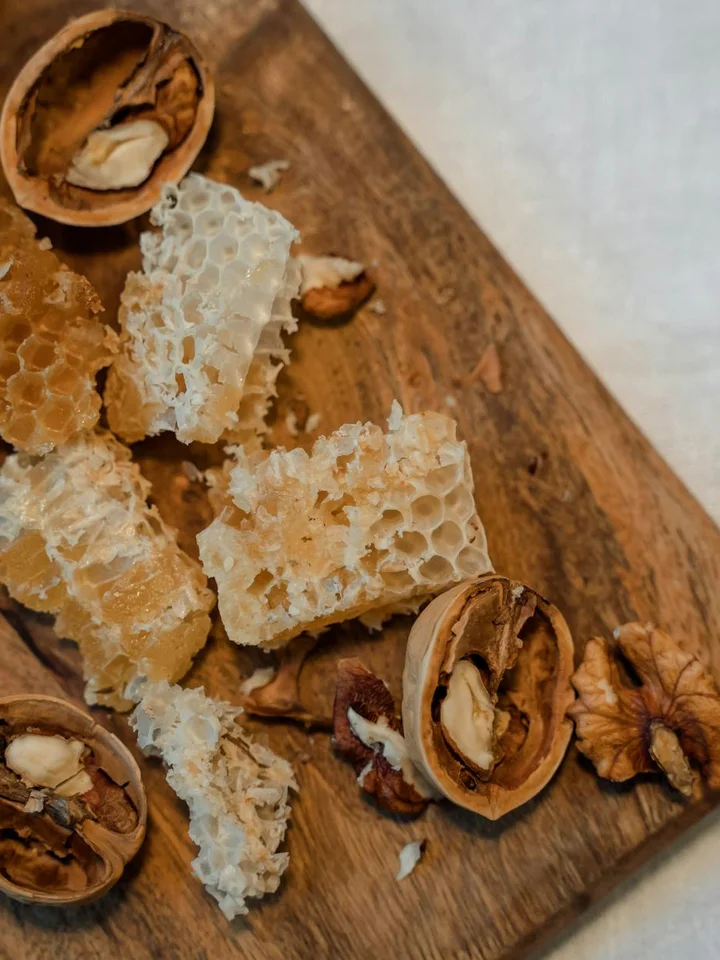
Think of these three ingredients as specialists. You wouldn’t call a plumber to fix your wiring. Let’s match the right bee expert to your skin’s specific request.
For Calming Acne & Reducing Redness
This is where propolis really shines. It’s like having a firefighter and a security guard in one bottle. Its powerful anti-inflammatory action calms the swelling and redness of a breakout, while its antimicrobial properties help keep the acne-causing bacteria in check.
Honey is gentler. It’s more like a calm janitor that cleans up and adds a bit of hydration, which can be helpful for acne-prone skin that’s been dried out by other treatments. Royal jelly, while nourishing, isn’t your first line of defense for active breakouts.
For angry, inflamed blemishes, propolis extract is often the most targeted and effective choice.
I remember my client Maya, who has oily, acne-prone skin. She was using a harsh, high-alcohol spot treatment that left her red and flaky. We swapped it for a propolis serum. She applied it all over her problem areas. The constant background inflammation went down, and when a painful zit did appear, dabbing a little extra propolis on it helped it settle much faster without the collateral damage to her skin barrier. Unlike some non-comedogenic makeup or treatments that can still irritate sensitive skin, propolis was gentle enough for everyday use.
For Soothing Dryness & Repairing Your Barrier
Here, honey and royal jelly become your best friends. Honey is a superstar humectant. It pulls water from the air into your skin, like a sponge. Royal jelly is rich and nourishing, packed with amino acids and lipids that help fortify your skin’s natural protective layer.
Propolis plays a supportive role here by creating a healthy environment for your skin to heal itself, but it’s not a primary moisturizer.
A great strategy is to use honey to draw in moisture, then lock it in with a cream containing royal jelly.
For someone like Noah, with his dry and reactive skin, a simple raw honey mask (left on for 10 minutes, then rinsed with lukewarm water) is a safe, soothing treat. If he wants a leave-on product, a fragrance-free moisturizer with royal jelly can provide that deep, gentle nourishment without irritating his sensitivity.
For Addressing Dullness & Supporting Skin Vitality
This is a team effort. Royal jelly, with its dense nutrient profile, can help support overall skin vitality and a healthy glow. Propolis, loaded with antioxidants, helps defend against environmental stressors that lead to dullness.
Don’t forget honey. Its naturally occurring mild acids provide a very gentle exfoliation, helping to lift away dead, dull skin cells to reveal brighter skin underneath. It’s the gentlest option of the three for this task, especially compared to other more potent acids used for exfoliation.
For a brightness boost, look for a serum combining propolis for defense and royal jelly for nourishment. When choosing a brightening serum, focus on ingredients that support an even, radiant complexion. Knowing which brightening ingredients to prioritize helps you compare products with confidence.
Building Your Bee-Friendly Routine: A Step-by-Step Guide
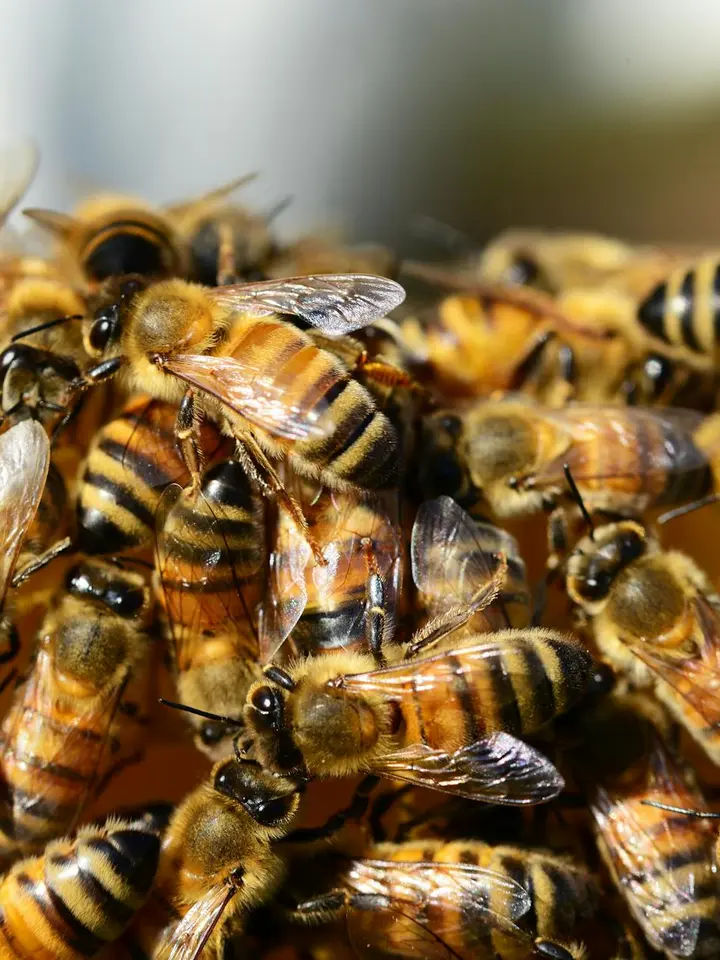
Ready to bring the buzz to your skincare? Follow these simple steps to do it safely and effectively.
- Pick one concern to start. Based on the sections above, choose the primary ingredient that matches your goal. Trying to fix everything at once is a recipe for confusion if your skin reacts.
- Choose your product type.
- Propolis works well in a serum, toner, or spot treatment.
- Honey is fantastic in a gentle cleanser or a wash-off mask.
- Royal jelly is often found in richer creams, nourishing ampoules, or overnight masks.
- Layer them thoughtfully. You can use more than one. A propolis serum (for calming) layers beautifully under a honey-infused moisturizer (for hydration). Always apply products from thinnest to thickest consistency.
- Patch test. Before using any new product all over your face, apply a small amount to the inside of your arm or behind your ear for a few days. Bee products are generally well-tolerated, but any ingredient can cause a reaction.
- Start slowly. Introduce your new bee product every other day to see how your skin responds. You can gradually increase frequency.
Don’t introduce two new bee ingredients at the same time. If your skin reacts, you won’t know which one was the culprit.
So, propolis vs. honey for skin? It’s not a competition. Think of propolis as your targeted treatment for inflammation and acne, and honey as your gentle, daily hydrator and soother. Choose the one that speaks to your skin’s most pressing need.
Your Questions on Bee Ingredients, Answered
Can I use propolis and honey together in my routine?
Absolutely, and they can be a fantastic team. Think of using a propolis serum first to calm and defend, followed by a honey-infused moisturizer to draw in and lock hydration.
Is royal jelly just a more expensive version of honey?
No, they are fundamentally different. Honey is primarily a humectant for hydration, while royal jelly is a nutrient-dense superfood aimed at deep nourishment and supporting skin vitality.
If I have sensitive skin, which bee ingredient should I try first?
Start with pure, plain honey for its gentle humectant and soothing properties. Always patch test any new ingredient, but honey typically presents the lowest allergy risk of the three.
Making Your Choice with Confidence
When it comes to bee-derived skincare, the most effective choice is the one that directly addresses your unique skin concern. Think of propolis as your soothing shield, honey as your hydrating helper, and royal jelly as your nourishing ally, each playing a distinct and valuable role in a thoughtful routine.
- Reach for propolis to calm reactive skin and reduce the redness around blemishes.
- Use raw honey in a wash-off mask or cleanser to draw moisture into dry, tight skin.
- Consider a serum with royal jelly to support skin that’s lost its bounce or glow.
- Prioritize products from brands that commit to ethical, sustainable beekeeping practices.
- Always perform a patch test behind your ear before using a new bee-based product all over your face.
Your skin journey is personal, and I’m here to offer clear, compassionate guidance every step of the way. If you’re still deciding between a propolis toner and a honey mask, send your questions to our blog. For more practical advice on ingredients and routines, you’ll find a wealth of trustworthy information right here on LuciDerma.
Further Reading & Sources
- Royal Honey Propolis Enrich Essence | Skinfood
- Royal Honey Propolis Enrich Barrier Cream | Skinfood US Official
- Honey, Propolis, and Royal Jelly: A Comprehensive Review of Their Biological Actions and Health Benefits – PMC
- Amazon.com: SKINFOOD Royal Honey Propolis Enrich Essence – 63% Black Bee Propolis & 10% Royal Jelly Extract Face Serum – Propolis Serum for Skin, Valentine Day Gift – 1.69 Fl. Oz. (50mL) : Beauty & Personal Care
Lucy Zimmerman
Lucy is an expert author and blogger when it comes to skin care and body care. She has first hand expertise acting as skin care consultant for over 5+ years helping her clients achieve smooth blemish free skin with natural and working remedies. She also has been an avid experimenter and tried out all the natural and artificial remedies and treatments so you can learn from her first hand experience. Additionally, she has traveled to many countries around the world and incorporated the skin care routines she has learnt into this blog. So, wait no more, reach out to Lucy if you have any specific needs and follow her blog, LuciDerma for expert skin care advice.