
Snail Mucin vs. Polyglutamic Acid: Your Guide to Hydrated, Healthy Skin
Choosing between snail mucin and polyglutamic acid for hydration can leave your head spinning. I get it, and in my years as an esthetician, I’ve helped many clients navigate this exact choice with clear, skin-friendly results.
By the end of this article, you will:
- Understand how snail mucin soothes and repairs your skin barrier, much like it calms reactive skin for my client Noah.
- Learn why polyglutamic acid locks in moisture without a heavy feel, ideal for oily or combination areas like Maya’s T-zone.
- Have a simple routine to layer both for balanced hydration, tailored for sensitivity as I do with Lina’s combination skin.
Let’s find your perfect hydrator together.
The 30-Second Skin Snapshot: Choosing Your Champion
Think of your skin’s needs like a house needing repairs. Snail mucin is the versatile, skilled crew that fixes drywall, repaints, and checks the plumbing all at once. Polyglutamic acid is the expert who brings in a massive water tank to flood the basement and solve a severe, specific drought.
Here’s a quick look at their technical specs to help you compare.
Molecule Spec Sheet
| Common Name | Typical pH Range | Common Concentration | Solubility | Safety Profile |
|---|---|---|---|---|
| Snail Mucin Filtrate | 5.0 – 7.0 | 5% – 10% | Water-Soluble | Generally non-comedogenic. Low allergy risk, but avoid if allergic to dust or shellfish. |
| Polyglutamic Acid (PGA) | 5.0 – 6.0 | 1% – 3% | Water-Soluble | Non-comedogenic and considered low risk for irritation or allergy. |
Your quick-choice guide: if your skin feels reactive, damaged, or just needs a reliable all-rounder, snail mucin is your champion. It’s the one I often recommend to clients like Noah, who need soothing and repair alongside hydration. Some routines also explore mixing snail mucin with retinol and vitamin C for a balanced, glow-friendly approach.
If your sole mission is to combat intense, flaky dryness and you want a visible plumping effect, polyglutamic acid is your targeted hydration hero. This is a go-to for Lina when her cheeks feel tight and parched in winter, but she doesn’t want extra ingredients on her T-zone.
Meet the Contenders: A Gentle Science Breakdown
Snail Mucin: The All-in-One Repair Serum
First, let’s clear things up. It’s a secretion, not garden slime. Snails produce this mucin to protect and repair their own skin as they move. For us, it’s like a pre-made, intelligent serum. Its power comes from a cocktail of beneficial compounds.
- Glycoproteins: These are the communicators. They signal to your skin to calm down, reduce irritation, and speed up healing.
- Hyaluronic Acid: Yes, snails make it too. This provides immediate, multi-level hydration.
- Glycolic Acid: In very gentle amounts, it helps subtly exfoliate and smooth skin’s texture.
Think of snail mucin as working from the inside out, hydrating while simultaneously calming inflammation and supporting your skin’s natural repair process. It’s why a client like Maya, with angry post-acne spots, might find it helps redness fade faster. And for those concerned about breakouts, snail mucin is non-comedogenic, making it suitable for acne-prone skin.
Ethically, look for brands that use cruelty-free collection methods where snails roam freely and the mucin is gathered without harm, often over a grid that doesn’t hurt them.
Polyglutamic Acid: The Hydration Magnet
Polyglutamic acid is a powerhouse peptide chain made through the fermentation of soybeans. If hyaluronic acid (HA) is a big glass of water for your skin, think of PGA as the thick, absorbent towel wrapped around that glass to stop the water from evaporating.
Its molecule is larger than HA, so it primarily works on the very surface of your skin. PGA creates a breathable, film-like layer that acts as a moisture blanket, preventing water loss and plumping the surface intensely. It’s less about cellular communication and more about creating an immediate, physical barrier to lock hydration in.
Because it’s born from fermentation and not derived from animals, it’s a stellar vegan option for extreme dry skin. It’s that final, sealing step in a routine for someone who drinks moisturizer but still feels dry an hour later.
Head-to-Head: Where Each Ingredient Shines (and Doesn’t)
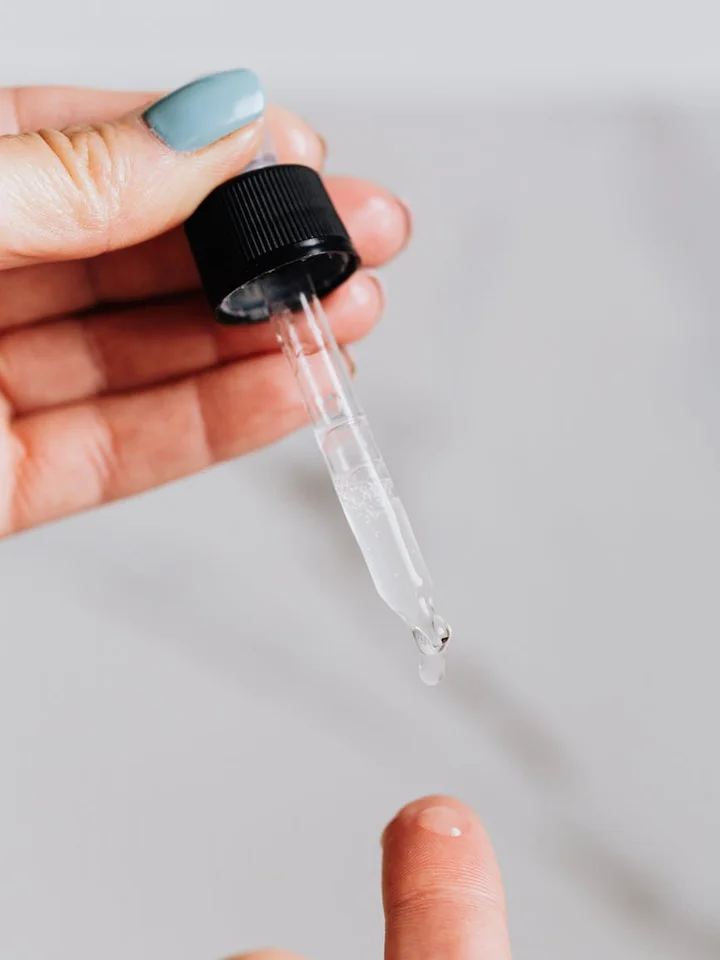
Let’s get specific. Both ingredients are hydrating heroes, but they have different strengths. Think of it like choosing between a quick, powerful drink of water and a nourishing, restorative meal for your skin.
Which is better for intense, immediate hydration?
Polyglutamic acid (PGA) is the undisputed winner for instant surface-level plumping. It’s a moisture magnet that can hold four times more water than hyaluronic acid. You’ll feel that “bounce” almost right away. Snail mucin is hydrating, but its magic builds over time. For that immediate dewy, supple feel, PGA delivers faster, more noticeable surface results.
Which is more effective for strengthening the skin barrier?
This is where snail mucin excels. Hydration is about adding water, but a strong barrier is about sealing it in and protecting your skin. Snail mucin is packed with glycoproteins, peptides, and hyaluronic acid that work together to support your skin’s natural repair processes. It helps calm irritation and fortify your skin’s defenses. If your barrier feels compromised, thin, or reactive, snail mucin is often the more comprehensive healing agent.
Which has additional benefits like anti-aging or healing?
Snail mucin brings a full toolkit. It naturally contains allantoin (a superb soother), glycolic acid (for gentle exfoliation), and copper peptides (which support collagen). This means it can help with post-breakout marks, minor texture, and overall skin resilience. PGA’s job is primarily hydration. While plump skin can look younger, snail mucin offers a broader range of secondary benefits for healing and rejuvenation, including scar fading and enhanced hydration.
What are the potential side effects?
Both are generally well-tolerated, but there are small considerations. For snail mucin, the main concern is a rare allergy, often linked to a shellfish or dust mite allergy. Always patch test. For PGA, the issues are usually textural. If layered incorrectly, it can pill (form little balls) or feel tacky on the skin. Starting with a small amount and applying it to damp skin minimizes PGA’s tacky potential.
What skin types are best suited for each?
Think about your skin’s primary need. Snail mucin is a fantastic all-rounder for sensitive, acne-prone, or combination skin. My client Noah, with his dry, reactive skin, finds it incredibly calming without causing flare-ups. PGA is a star for very dry, dehydrated, or mature skin that craves intense plumpness. If your skin feels tight or looks dull, PGA can give it that juicy, hydrated look. My client Lina uses PGA only on her drier cheek areas, not her oilier T-zone.
The Safety & Synergy Lab: What to Mix and What to Avoid
You don’t have to choose just one. They can be a powerful team when layered correctly. Here’s your guide to mixing.
Interaction Matrix
| Ingredient | Works Well With Snail Mucin | Works Well With PGA | Use Caution / Note |
|---|---|---|---|
| Vitamin C (L-ascorbic acid) | Yes. Apply Vitamin C first, let absorb, then snail. | Yes. Can layer after Vitamin C serum on damp skin. | No major conflicts. Ensure your Vitamin C serum is fully absorbed to prevent pilling with PGA. |
| Retinol / Retinoids | Excellent pairing. Snail mucin can soothe potential retinoid irritation. | Great pairing. PGA provides crucial hydration to counteract retinoid dryness. | Apply retinol treatment first, wait 10-15 minutes, then follow with your hydrator (snail or PGA). |
| Niacinamide | Yes, a very compatible and soothing combination. | Yes, they work well together for barrier support and hydration. | You can often find these ingredients already blended in one serum. |
| Other Peptides | Yes, they are complementary. | Yes, they are complementary. | Layer thinner textures (serums) before thicker ones (creams). |
| Exfoliating Acids (AHA/BHA like glycolic or salicylic) | Yes, snail mucin is perfect for calming skin after exfoliation. | Proceed with care. PGA may intensify tingling on freshly exfoliated skin. | Always apply exfoliating acids first, wait 20+ minutes, then follow with your soothing hydrator. |
Can they be used together? Absolutely. The classic order is: treat first, hydrate deeply after. Apply your snail mucin essence or serum first to deliver its healing factors directly to the skin. After it sinks in, apply your PGA product to lock in that treatment and add a massive surge of hydration. When layering, start with a lightweight hydrating serum and finish with a moisturizer to seal in moisture. They are a dream team for dehydrated skin needing repair.
Which is better for sensitive skin? Generally, snail mucin gets the nod for its proven soothing properties. But sensitivity is personal. The golden rule for any new product, regardless of hype, is to patch test it behind your ear or on your inner arm for a few days.
Don’t pair PGA with oil-based serums or certain silicones immediately before it. This is a common pilling culprit. Let your PGA serum absorb fully into damp skin before moving to the next step. For snail mucin, there are few hard “don’ts,” but always listen to your skin-if a combination stings, separate the steps.
Your Personal Blueprint: Building Them Into Your Routine
Here’s how to make these ingredients work in your real life, step by step.
Using Snail Mucin Solo (A Healing Focus)
Perfect for days your skin feels sensitive, or if you’re acne-prone like Maya who uses this to soothe active breakouts.
Morning & Night Routine:
- Cleanser
- Toner or Mist (optional, but apply to damp skin)
- Snail Mucin Essence or Serum: Press a few drops into your face and neck.
- Moisturizer
- Sunscreen (AM only)
Using Polyglutamic Acid Solo (A Plumping Focus)
Ideal for when your skin feels parched, or for mature skin wanting a smooth, plump canvas.
Morning & Night Routine:
- Cleanser
- Apply to Damp Skin: Lightly mist your face with water or a hydrating toner.
- PGA Serum: Smooth a pea-sized amount over your face. Press and pat it in.
- Moisturizer (You may find you need less)
- Sunscreen (AM only)
Using Them Together (The Repair & Quench Combo)
This is the ultimate hydration and barrier-support cocktail. My client Lina uses a version of this, applying snail all over and then adding a PGA-infused moisturizer just to her drier cheeks.
Morning or Night Routine:
- Cleanser
- Toner or Mist
- Treatment Step (Snail): Apply your snail mucin product first. Let it absorb for 60 seconds.
- Hydration Boost (PGA): Apply your PGA serum or moisturizer to still-damp skin. If using a PGA serum, follow with your regular moisturizer if needed.
- Sunscreen (AM only)
Application Tip: Always press and pat these ingredients into your skin instead of rubbing. This helps with absorption and prevents pilling. Let each layer settle before adding the next. You can find snail mucin most often in clear, slippery essences or lightweight serums. PGA is commonly found in serums, but also in some moisturizers and sheet masks. Check the ingredient list.
Your Quick Snail Mucin vs. Polyglutamic Acid FAQ
1. Can I use snail mucin and polyglutamic acid in the same routine?
Absolutely, and they layer beautifully for a comprehensive hydration strategy. Apply your snail mucin first to deliver its repairing nutrients, then follow with polyglutamic acid to seal in that treatment with intense moisture.
2. I have sensitive skin. Which ingredient should I try first?
Snail mucin is typically the gentler first choice due to its inherent soothing and barrier-supporting compounds. Always perform a patch test with any new product, but snail mucin’s reputation for calming reactivity makes it a stellar starting point—especially when you’re trying to differentiate between purging or irritation from active ingredients.
3. Which one gives faster results for dull, tired-looking skin?
For an immediate “wake-up” plump and dewy glow, polyglutamic acid is your go-to. It provides a rapid surface-level hydration surge that visibly smooths and revitalizes skin texture almost instantly.
Finding Your Perfect Hydration Partner
Your best hydration choice isn’t about finding a winner, but the right ally for your skin’s current needs. Think of snail mucin as your skin’s multi-tasking repair crew and polyglutamic acid as its brilliant, thirsty hydration specialist. You can absolutely use them together for a layered, deeply quenching effect.
- Choose Snail Mucin if your focus is soothing sensitivity, supporting healing, and providing all-day moisture alongside other active ingredients.
- Choose Polyglutamic Acid when you need an immediate, plumping moisture surge and a protective veil to lock everything in.
- For a powerhouse routine, apply a polyglutamic acid serum on damp skin, then follow with snail mucin before your moisturizer.
- Always patch test any new product, and remember that the most effective routine is one you consistently enjoy.
Have more questions about building your ideal hydration routine? I’m always here to help. Share your thoughts or your own experiences with these ingredients in the comments on the blog. For more science-backed, gentle skincare guidance you can trust, explore the other articles here on LuciDerma. We’re in this together.
Further Reading & Sources
- Polyglutamic Acid Before or After Snail Mucin? – SeoulCeuticals
- Polyglutamic Acid vs Snail Mucin: Which One Hydrates Better? – SeoulCeuticals
- r/IndianSkincareAddicts on Reddit: How to use snail mucin properly?
- Discover The Ingredient – Snail Mucin – RNA Blog
- r/SkincareAddiction on Reddit: [PRODUCT QUESTION] Why are hyaluronic acid/polyglutamic acid/snail mucin so much more popular than aloe vera?
- r/SkincareAddiction on Reddit: [Product Question] How to use Polyglutamic Acid Serum?
- The Surprising Twist Behind Snail Mucin and Peptide Serums – SeoulCeuticals
- Is Snail Mucin Safe? Risks & Alternatives: K-Beauty for Sensitive Skin – Mystic Beauty & Skincare
- Polyglutamic Acid: 4x More Hydrating Than Hyaluronic
Lucy Zimmerman
Lucy is an expert author and blogger when it comes to skin care and body care. She has first hand expertise acting as skin care consultant for over 5+ years helping her clients achieve smooth blemish free skin with natural and working remedies. She also has been an avid experimenter and tried out all the natural and artificial remedies and treatments so you can learn from her first hand experience. Additionally, she has traveled to many countries around the world and incorporated the skin care routines she has learnt into this blog. So, wait no more, reach out to Lucy if you have any specific needs and follow her blog, LuciDerma for expert skin care advice.