
Alpha Arbutin Side Effects: What to Know for Safe, Brighter Skin
You’re smart to research alpha arbutin’s side effects before trying it-I do the same with every new ingredient for my clients, especially cautious ones like Noah.
By the end of this guide, you will be empowered to:
- Grasp how alpha arbutin works on dark spots and why reactions can happen, giving you a clear picture of the science.
- Spot common skin responses, like temporary redness or dryness, so you can adjust your routine without panic.
- Apply simple, effective strategies to minimize risks and use alpha arbutin safely in your daily regimen.
Let’s get you feeling assured and ready for a more even complexion.
Let’s Get Acquainted: What Exactly Is Alpha Arbutin?
Alpha arbutin is a skin-brightening molecule naturally found in plants like bearberry, licorice, and mulberry leaves. Think of it as a gentle, skilled traffic controller for your skin’s pigment factory. It works by slowing down an enzyme called tyrosinase, which is a key player in producing melanin (the pigment that gives skin its color and forms dark spots). The effectiveness of alpha arbutin can depend on its concentration in skincare products.
Unlike harsh bleaching agents that can shock your skin, alpha arbutin takes a more diplomatic approach. It helps fade existing discoloration and prevent new spots from forming without wiping out all your melanin. For my client Maya, who deals with post-acne marks, it became a reliable part of her routine because it worked without aggravating her active breakouts. This gentler option is often discussed as an alpha arbutin discoloration fix, offering a balanced path to a more even complexion. If you’re evaluating options, it tends to blend well with a supportive routine that prioritizes skin health.
Alpha arbutin is a gentle, plant-derived ingredient that manages melanin production to fade dark spots over time.
The Alpha Arbutin Molecule Spec Sheet
Here’s a quick cheat sheet on what makes this ingredient tick. This info helps you understand what to look for on a product label.
| Property | Details |
|---|---|
| pH | Works best in slightly acidic formulations, similar to your skin’s natural pH. |
| Effective Concentration | Typically between 1-2%. Studies show this range is effective and well-tolerated. |
| Solubility | Water-soluble. You’ll often find it in lightweight serums or toners. |
| Safety Profile | Considered very safe at recommended concentrations. It’s stable and has a low irritation potential. |
You might see products with “5% alpha arbutin” and wonder if that’s safe. Concentrations above 2% aren’t necessarily more effective and can increase the risk of irritation for no proven extra benefit. Sticking to products with 1-2% alpha arbutin is the safest and most evidence-based approach. Higher percentages don’t equate to better results, just a higher chance of upsetting your skin.
Common Skin Reactions: What Does “Irritation” Actually Feel Like?
When you introduce any new active, your skin needs to adjust. With alpha arbutin, reactions are generally mild, but it’s good to know what’s normal. You might feel a faint, brief tingling that fades within a minute. Some people notice a temporary feeling of tightness or slight dryness, especially if the formula lacks complementary hydrating ingredients. So, is alpha arbutin drying? By itself, it’s not inherently drying, but some formulations can be if they’re not balanced.
The key is distinguishing between an active working and true irritation. A mild tingle that disappears is usually fine. Persistent warmth, stinging, or visible redness is your skin asking you to listen.
I remember when Lina, who has combination, sensitive skin, tried a new brightening serum. She texted me saying, “My cheeks feel a bit taut, like after a mild cleanser.” This was likely the alpha arbutin coupled with a lightweight formula. We had her layer a calming moisturizer over it, and the feeling resolved in a couple of days as her skin adapted. A normal adjustment feels fleeting and manageable, while irritation feels persistent and unpleasant.
When a Reaction Becomes a Problem: Signs to Stop
Your skin will tell you clearly when something isn’t working. Here are the signs that mean “stop immediately”:
- Persistent redness that doesn’t fade.
- Itching or a crawling sensation.
- A burning or stinging pain that lasts.
- The development of a rash, small bumps, or hives.
Often, this reaction isn’t to the alpha arbutin itself but to another ingredient in the product’s base formula, like a specific preservative, fragrance, or alcohol. Your skin might be perfectly happy with alpha arbutin in a different formulation for all skin tones.
If you see any of these warning signs, stop using the product right away. Switch immediately to a bare-bones, soothing routine: a gentle cleanser and a fragrance-free moisturizer with ingredients like ceramides or panthenol. Give your skin barrier a few days to a week to calm down before trying anything new. This isn’t a failure, it’s just smart skincare detective work.
The Big Question: Can Alpha Arbutin Cause Breakouts?
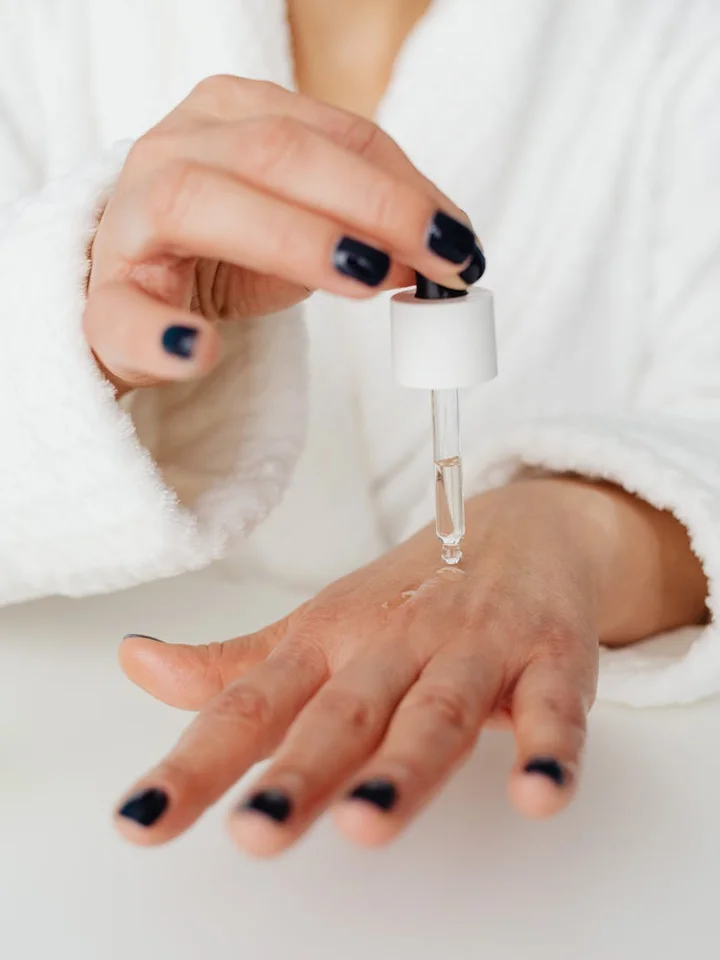
Let’s cut straight to the point. Can alpha arbutin break you out? The direct answer is: alpha arbutin itself is very unlikely to be the culprit. Does alpha arbutin cause breakouts? Not typically. The molecule is water-soluble and is not considered comedogenic, meaning it’s not known to clog pores on its own.
The real issue often lies in the vehicle-the cream, lotion, or serum base that delivers the alpha arbutin to your skin. A thick, occlusive cream packed with pore-clogging oils can cause problems for acne-prone skin, even if the star ingredient inside is benign.
Think of it like this: alpha arbutin is the passenger, and the formula is the car. You want a clean, non-comedogenic vehicle. For my friend Maya, who has oily, acne-prone skin, I always suggest looking for alpha arbutin in a lightweight serum or gel formula. These tend to be simpler and sink in without leaving a heavy film that could trap oil and dead skin cells.
If you’re breakout-prone, your best bet is to choose an alpha arbutin product with a simple, water-based texture and a short ingredient list you recognize.
Is It a Purge or a Breakout? How to Tell the Difference
This is a critical distinction. “Purging” is a specific reaction that happens when you use an ingredient that dramatically speeds up skin cell turnover, like a retinoid or an acid. It brings hidden, pre-existing clogs to the surface faster, usually as small whiteheads in areas where you normally get congestion.
Alpha arbutin works differently. It’s a brightening agent that blocks pigment production; it doesn’t accelerate cell turnover. Therefore, alpha arbutin does not cause purging.
If you see new blemishes shortly after starting an alpha arbutin product, it’s not your skin adjusting. It’s likely a straightforward breakout or irritation from another ingredient in the formula. Common triggers include fragrant plant extracts, heavy oils, or certain emulsifiers that don’t agree with your skin.
New blemishes after starting alpha arbutin mean your skin is reacting to something, not purging. Stop using the product and consider the other ingredients.
Understanding the Rare but Serious Risk: Ochronosis
When researching skin brighteners, you might stumble upon a scary term: ochronosis. This refers to a bluish-black or grayish discoloration of the skin that can occur from the prolonged, unsupervised use of very high concentrations of hydroquinone, a much stronger pigment inhibitor.
This brings us to the vital question: can alpha arbutin cause ochronosis? The risk is extremely low and considered mostly theoretical with alpha arbutin. Alpha arbutin is a derivative that slowly converts to hydroquinone at the skin’s surface in tiny, controlled amounts, which is why it’s gentler and available over-the-counter.
The documented cases of ochronosis are overwhelmingly linked to high-potency hydroquinone products used for months or years without a doctor’s oversight. This distinction is crucial for your peace of mind.
However, this information isn’t meant to scare you-it’s to empower you. It underscores a fundamental rule in skincare: concentration matters. Using alpha arbutin at the correct, recommended concentration (typically between 1-2%) is non-negotiable for safety and effectiveness. Sticking to proven formulations from reputable brands is your best defense against any remote risk and your surest path to results.
Contraindications: Who Should Be Extra Cautious?

Alpha arbutin is generally gentle, but like any active ingredient, it isn’t for everyone in every situation. Think of it like a skilled repair person; they work best on a stable foundation, not on a wall that’s actively crumbling. It’s important to know which ingredients don’t mix well with alpha arbutin.
If you have sensitive skin or a compromised moisture barrier, you need a more careful approach. My client Noah, with his dry, reactive skin, is a perfect example. When his barrier is weakened, his skin acts like a raw nerve, overreacting to even benign ingredients. For skin like Noah’s, I always recommend starting with a meticulous patch test behind the ear or on the inner arm for at least five nights before any face application. If that goes well, apply it just two or three times a week, watching closely for any stinging or redness.
For those who are pregnant or nursing, the guidance is straightforward but cautious. Comprehensive human studies are lacking, so we rely on a principle of prudence. The conservative and widely recommended advice is to temporarily pause using alpha arbutin until after pregnancy and breastfeeding. There are plenty of other gentle, pregnancy-safe options for managing pigmentation that we can explore instead.
Never apply alpha arbutin to broken skin, open wounds, or during an active eczema or rosacea flare. The ingredient needs intact skin to work correctly and safely. Applying it to inflamed, damaged areas is like pouring water on a electrical fire; it won’t help and could make the irritation worse by further disrupting your skin’s natural healing process.
Mixing with Other Actives: The Safe Way to Layer
Layering skincare is an art, and knowing which ingredients play well together prevents irritation and maximizes your results. Alpha arbutin is a team player, but it has its favorite teammates.
Combining alpha arbutin with Vitamin C (like L-ascorbic acid or magnesium ascorbyl phosphate) is not only safe but can be brilliant. Vitamin C is an antioxidant that protects the skin, while alpha arbutin targets dark spots. Using a Vitamin C serum in the morning followed by alpha arbutin at night creates a comprehensive, round-the-clock defense against pigmentation. Some studies even suggest they might work synergistically, making each other more effective. This is where layering comes in: a clear morning Vitamin C routine paired with a night-time alpha arbutin step can help optimize pigmentation control.
When it comes to retinoids, think of them as powerful exfoliators and renewers. Both retinoids and alpha arbutin are effective, but using them simultaneously can overload sensitive skin. To avoid redness or peeling, I advise a simple alternate-night schedule. Layering alpha arbutin with other actives like vitamin C and retinol can be tricky.
- Night One: Cleanse, apply your alpha arbutin serum, then moisturize.
- Night Two: Cleanse, apply your retinoid, then moisturize.
This gives your skin time to benefit from each ingredient without the risk of a reaction.
Finally, avoid the temptation to layer alpha arbutin with other direct tyrosinase inhibitors, such as kojic acid or licorice root extract, in the same routine. Using multiple ingredients that work the exact same way is overkill and significantly increases your risk of irritation without providing extra benefit. Choose one hero ingredient for targeting dark spots and stick with it consistently for at least 8-12 weeks to see its full effect.
Your Safe-Start Protocol: How to Introduce Alpha Arbutin
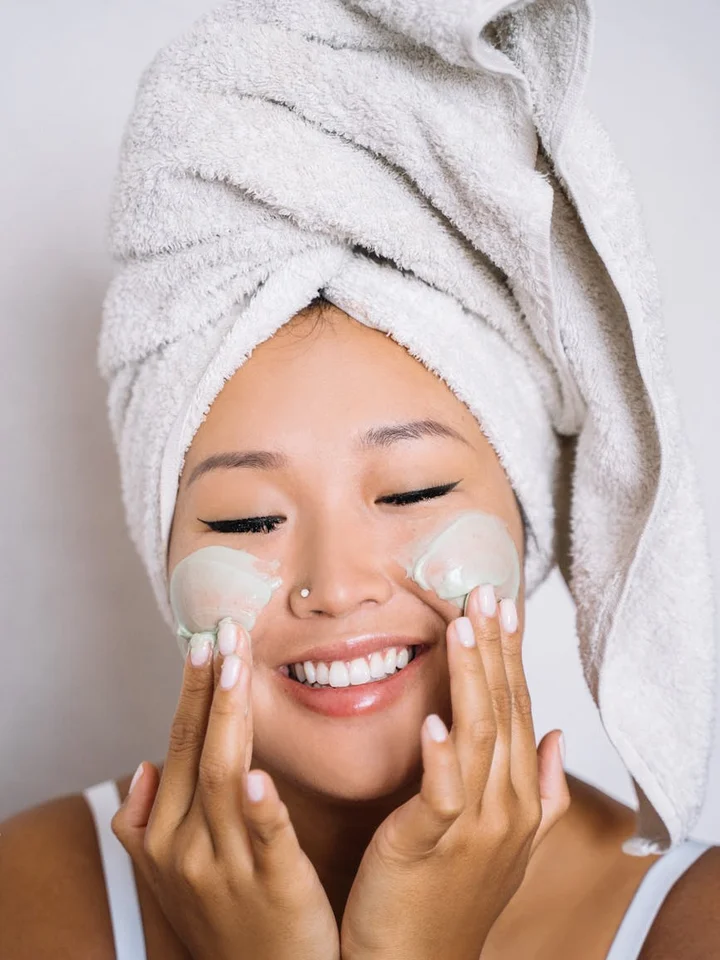
Think of introducing any new active like welcoming a new guest into your home. You don’t start with a loud party. You start with a quiet coffee, see how they fit in, and then maybe plan a dinner. This measured approach saves your skin from unnecessary drama.
Here is a simple, four-week plan to integrate alpha arbutin without upsetting your skin barrier.
- Week 1: The Introduction. Apply your alpha arbutin serum just two nights a week, after cleansing and before your moisturizer. Watch your skin closely the next morning.
- Week 2: Building Trust. If your skin feels calm and looks happy, increase to three nights a week. This is often the sweet spot for many, like my client Lina, who uses it to gently fade post-acne marks.
- Week 3 & 4: Finding Your Rhythm. If tolerated well, you can move to using it every other night, or even nightly if your skin is particularly resilient. Listen to your skin-it will tell you if it’s too much.
Before you even start week one, you need a perfect patch test. Applying a new product to your jawline or cheek on day one is a common mistake. That area is already exposed to many irritants.
The most reliable patch test is done on a delicate, hidden area of skin, like behind your ear or on your inner forearm. Apply a small amount twice daily for five days. If you see no redness, itching, or bumps in that spot, it’s likely safe for your face.
Once you begin, one rule becomes non-negotiable. Alpha arbutin works by interrupting the pigment-making process in your skin. Sun exposure is the main trigger for that process. If you use alpha arbutin without sunscreen, you’re trying to bail out a boat with a giant hole in the bottom.
Applying a broad-spectrum SPF 30 or higher every single morning is not a suggestion; it is the essential step that allows alpha arbutin to work effectively and protects your newly sensitized skin.
Building a Soothing, Supporting Routine
Alpha arbutin is a team player. It works best when your skin’s barrier is strong, calm, and hydrated. Pairing it with supportive ingredients prevents irritation and makes your entire routine more effective. The Ordinary’s alpha arbutin is known for gentle, steady brightening and a more even complexion. When your barrier stays strong and hydrated, these benefits tend to show with minimal irritation.
Look for companions that reinforce your skin’s natural defenses. Ceramides are the lipids that hold your skin cells together like mortar between bricks. Niacinamide (Vitamin B3) is a superstar for strengthening the barrier, reducing redness, and regulating oil-it’s a perfect partner for alpha arbutin. A simple, fragrance-free moisturizer with these ingredients creates a protective base.
Here is a straightforward routine framework to safely incorporate your new product.
Morning:
- Gentle Cleanser
- Alpha Arbutin Serum (if your formula is lightweight and designed for AM use)
- Moisturizer with Ceramides/Niacinamide
- Broad-Spectrum Sunscreen (SPF 30+)
Evening:
- Gentle Cleanser (consider an oil-based first cleanse if you wear sunscreen/makeup)
- Alpha Arbutin Serum
- Moisturizer with Ceramides/Niacinamide
This is the routine I often set with clients like Noah, who has reactive skin. We focus on one active at a time and wrap it in layers of comfort. Consistency with a gentle, supportive routine will always create better long-term results than an aggressive, reactive approach that compromises your skin’s health. Fading pigmentation is a marathon, not a sprint. Your skin will thank you for the patience.
Quick Questions on Alpha Arbutin & Your Skin
How do I choose an alpha arbutin product that won’t irritate my skin?
Look for a serum with a 1-2% concentration in a simple, water-based formula. Pairing it with supportive ingredients like niacinamide or ceramides in your moisturizer can also help buffer and soothe your skin barrier.
Can I use alpha arbutin safely every day long-term?
Yes, once your skin adjusts, daily use at the correct concentration is generally considered safe for long-term maintenance. Consistency paired with daily sunscreen is the key to seeing lasting, even results without compromising your skin’s health.
Does alpha arbutin make my skin more sensitive to the sun?
Alpha arbutin itself doesn’t increase photosensitivity, but because it works on pigmentation, unprotected sun exposure can counteract its benefits. Applying a broad-spectrum SPF 30+ every morning is non-negotiable to protect your skin and let the ingredient work effectively. Note that while alpha arbutin is stable to heat and sun, it doesn’t replace the need for sunscreen.
Final Thoughts on Using Alpha Arbutin Safely
Alpha arbutin is a gentle and effective ingredient for many, but like any active, it works best when you listen to your skin. The most reliable way to enjoy its brightening benefits is to introduce it slowly and pay close attention to how your skin responds. This simple, patient approach is your best defense against unwanted reactions.
- Always conduct a patch test behind your ear or on your inner arm before applying any new product to your face.
- Start by using your alpha arbutin serum just 2-3 times per week, gradually increasing frequency if your skin tolerates it well.
- If you experience stinging, redness, or itchiness, stop using the product and focus on soothing your skin barrier with a simple, fragrance-free moisturizer.
- For a sustainable routine, look for formulas that pair alpha arbutin with calming companions like licorice root or centella asiatica.
I’m always here to help you navigate your skin care journey. If you have more questions after trying alpha arbutin, or if you experience a reaction you’re unsure how to handle, please reach out. You can send your questions directly through the blog, and for more guidance on choosing gentle, effective products, I encourage you to follow along right here.
Industry References
- Arbutin 101: Skin-Care Benefits, Side Effects, Uses, and More
- What Are the Side Effects of Alpha Arbutin? – SeoulCeuticals
- Are There Any Dangers to Using Alpha-Arbutin in Skincare? – Typology
- Alpha Arbutin: Uses, Skin Healing Benefits, And Side …
Lucy Zimmerman
Lucy is an expert author and blogger when it comes to skin care and body care. She has first hand expertise acting as skin care consultant for over 5+ years helping her clients achieve smooth blemish free skin with natural and working remedies. She also has been an avid experimenter and tried out all the natural and artificial remedies and treatments so you can learn from her first hand experience. Additionally, she has traveled to many countries around the world and incorporated the skin care routines she has learnt into this blog. So, wait no more, reach out to Lucy if you have any specific needs and follow her blog, LuciDerma for expert skin care advice.