
Pycnogenol vs. Generic Pine Bark Extract: Which One Truly Benefits Your Skin?
If you’ve ever scanned a serum label and wondered if ‘pine bark extract’ is the same as the famed ‘Pycnogenol,’ you’re asking exactly the right question.
In this guide, you’ll come away with:
- How sourcing and processing create a major gap in quality and consistency.
- Why potency isn’t just about percentage on a label, but about bioactive availability.
- A clear, practical framework for choosing the right product for your skin goals.
Let’s clear up the confusion so you can invest in ingredients that deliver real results.
Pycnogenol vs. Pine Bark Extract: A Simple Starting Point
Let’s clear up the confusion right away. Think of it like coffee. “Pine bark extract” is like saying “coffee beans.” It’s a broad category. Pycnogenol is like a specific, premium brand of coffee made from beans grown in one particular region, using a precise recipe. It *is* a pine bark extract, but it stands apart from the generic crowd.
Many of my clients, like Noah who prefers ingredients with clear pedigrees, ask me this directly: Is pine bark extract the same as Pycnogenol? The simple answer is no, they are not interchangeable terms. Here’s how to tell them apart.
What is Pycnogenol, Exactly?
Pycnogenol is a trademarked name for a specific extract that comes only from the bark of the French maritime pine (Pinus pinaster). What makes it special isn’t just the tree, but the strict, standardized process used to make it.
This process yields a consistent blend of potent antioxidants, primarily procyanidins and phenolic acids. Because the formula is locked down, it’s the ingredient that has been used in numerous clinical studies on skin. When a product lists Pycnogenol, you’re getting that exact, researched compound.
What is Generic Pine Bark Extract?
This is the umbrella term. A product label that says “pine bark extract” could be derived from several species of pine tree, like Pinus pinaster (the same tree), Pinus sylvestris, or others.
The method of extraction can vary widely between brands, and the final potency and mix of beneficial compounds are not guaranteed. Think of generic pine bark extract as a variable ingredient-its strength and effects can change from bottle to bottle, depending on who made it and how.
The Short Answer to “Are They the Same Thing?”
To directly address what you’re searching for: Pycnogenol and pine bark extract are not the same thing. Pycnogenol is a specific, patented *type* of pine bark extract with a known composition. All Pycnogenol is pine bark extract, but not all pine bark extract is Pycnogenol. For skin care, this distinction matters for consistency and predictable results.
Why the Source Tree and Process Change Everything
You wouldn’t assume all olive oil is identical, right? The same principle applies here. The “French maritime pine” listed for Pycnogenol isn’t just marketing fluff. The specific soil, climate, and coastal conditions where these trees grow influence the natural antioxidants in their bark.
Combine that unique source with a controlled, water-based extraction process, and you get a highly purified, standardized powder. Generic extracts might use different solvents or methods that can alter the final product’s purity and how it feels on your skin.
The Importance of the French Maritime Pine (Pinus pinaster)
Why does this one tree type get all the attention? Much like wine grapes express “terroir,” the French maritime pine develops a distinct antioxidant profile shaped by its environment. This consistency in the starting material is the first step in ensuring the extract performs the same way in every batch.
So, if you see “French maritime pine bark extract” on a label, is it the same as Pycnogenol? Not necessarily. It tells you the source tree, but not the proprietary extraction and standardization process that defines the Pycnogenol trademark.
How Extraction Methods Affect Your Skin
Extraction is how we pull the good stuff out of the bark. Pycnogenol uses a gentle, water-based process. It’s a clean method that avoids harsh chemical solvents.
Some generic extracts may use different solvents, which can leave trace residues or break down the delicate antioxidants differently. The extraction method impacts the potency, purity, and how gentle the final ingredient is for sensitive skin types, like my client Lina. A cleaner extract is less likely to cause irritation and is more likely to deliver the antioxidant benefits your skin needs.
The Proven Skin Benefits of Pycnogenol
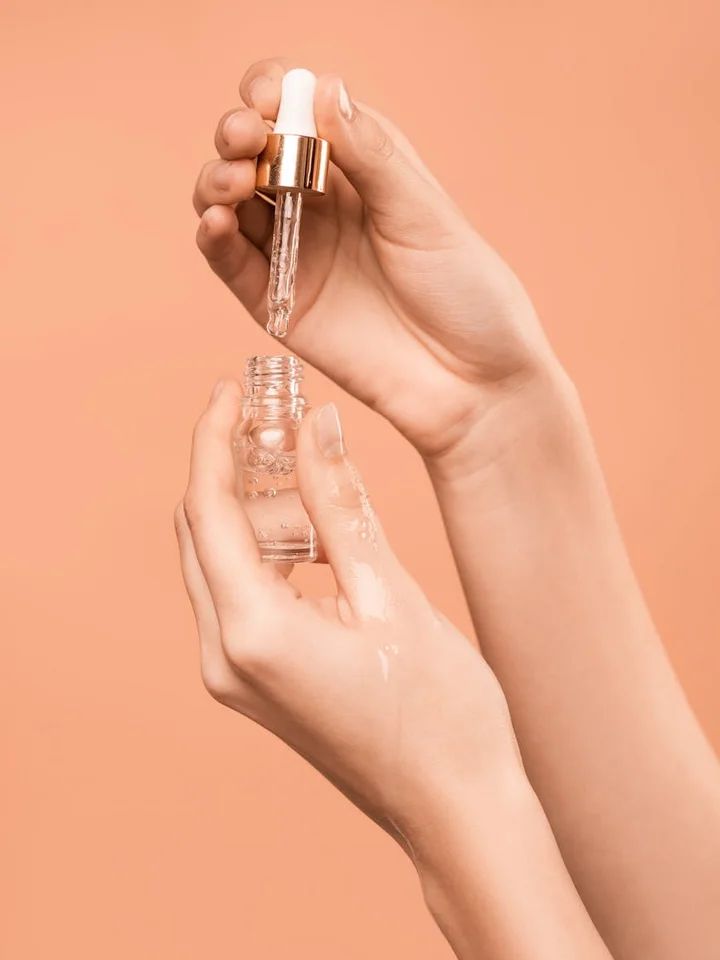
When we talk about Pycnogenol, we’re discussing one of the most researched botanical ingredients in skin care. It’s not just a trendy extract; it has decades of clinical studies backing its effects. Many of you search for “pycnogenol pine bark extract benefits” because you’ve heard the buzz. The core answer is that its power comes from a specific, standardized complex of over 40 procyanidins and phenolic acids, which work together for your skin.
Think of it like a well-coordinated team, where every player has a role. This synergy is what sets it apart and is responsible for its wide range of benefits, which I’ve seen help clients with various concerns.
A Powerful Antioxidant Shield
Your skin faces daily environmental stress from UV rays and pollution. These aggressors generate unstable molecules called free radicals, which speed up visible aging by damaging collagen and elastin. Using a sunscreen with anti-aging and UV protection can help mitigate this damage.
Pycnogenol acts like a sophisticated security system, neutralizing these free radicals before they can cause harm. In clinical terms, its antioxidant capacity is remarkably high. To give you a familiar comparison, some studies suggest it can be up to 50 times more potent than vitamin E and 20 times more potent than vitamin C in specific laboratory tests. It’s like having a broader, stronger net to catch more of the damaging particles.
Calming Inflammation and Supporting Hydration
If your skin tends to get red, reactive, or is prone to acne, this benefit is for you. Pycnogenol helps calm the skin’s inflammatory response. I often think of my client Noah, who has dry, reactive skin. Ingredients that soothe without irritation are his holy grail, and this is one I trust for that purpose.
It also supports your skin’s hydration in a clever way. Your skin produces hyaluronic acid to hold water, but an enzyme called hyaluronidase can break it down. Pycnogenol helps inhibit that enzyme, effectively helping your skin preserve its own natural moisture reservoir. It’s a hydrator supporter, not just a surface-level moisturizer. Pairing this with a hyaluronic acid serum can deliver these benefits deeper into the skin. Hyaluronic acid–based serum formulations are a popular way to harness these moisture-boosting properties.
Improving Skin Tone and Texture
This is where many people see the most visible results. Research has shown Pycnogenol can help improve several markers of skin health, especially for brightening sensitive skin.
- Evening Tone: It can help reduce hyperpigmentation and visible redness, leading to a more uniform complexion.
- Boosting Elasticity: By protecting existing collagen and encouraging skin firmness, it can improve the look of skin texture and fine lines.
- Enhancing Brightness: The combined antioxidant and anti-inflammatory actions often result in a healthier, more radiant glow. My client Lina noticed her combination skin looked less tired and more balanced after using a serum with it.
Your Practical Guide to Using Pine Bark Extract
Knowing the benefits is one thing, but fitting this ingredient into your routine is where the magic happens. Let’s get practical.
Molecule Spec Sheet: Key Properties at a Glance
Use this table as your quick-reference cheat sheet for what to look for in a product.
| Property | Typical Range for Skin Care Formulas |
|---|---|
| pH | Compatible with skin’s pH (4.5-7.0); often formulated into balanced products. |
| Effective Concentration | 0.5% to 2% in leave-on products. |
| Solubility | Water-soluble, making it ideal for serums, toners, and light gels. |
| Safety | Generally well-tolerated; non-irritating and suitable for sensitive skin when formulated properly. |
Here’s what that means for you: Look for it in water-based serums or boosters where it can be effective at a good concentration. Its skin-friendly pH and solid safety profile mean most people can try it, but always patch test first if you have known sensitivities.
Formulation Pro-Tip: Maximizing Efficacy
Because Pycnogenol is water-soluble, it absorbs quickly and layers seamlessly. Apply it after cleansing and toning, but before any thicker creams or oils. This allows it to deliver its benefits directly to the skin.
For a powerhouse antioxidant routine, layer it with vitamins C and E. They work synergistically, creating a broader defense network. While Pycnogenol is stable, I recommend avoiding products where it’s paired with very high concentrations of simple, denaturing alcohols (like ethanol or SD alcohol), as these can potentially degrade the active compounds and compromise your skin barrier.
Building a Sample Routine
Here is a simple way to incorporate a pine bark extract serum into your day. Remember, sunscreen is non-negotiable. Antioxidants like this work to protect your skin from free radicals, and sunscreen provides the physical block-they are the perfect team.
Morning:
- Gentle cleanser
- Pine bark extract serum
- Moisturizer
- Mineral sunscreen (SPF 30 or higher)
Evening:
- Oil-based cleanser or balm (if wearing makeup/sunscreen)
- Gentle cleanser
- Pine bark extract serum
- Night cream or facial oil
Safety, Side Effects, and What to Avoid
Let’s tackle the question I hear most: “What are the pycnogenol pine bark extract side effects?” I’m here to offer a big sigh of relief. Serious side effects are exceptionally rare. This ingredient has a long history of safety in skincare. Most people, including my clients with sensitive skin like Noah, tolerate it beautifully.
For the vast majority, applying Pycnogenol or a high-quality generic pine bark extract feels like giving your skin a soothing drink of water, not a sting.
Potential Reactions and Who Should Be Cautious
In very rare cases, usually linked to a specific allergy, someone might experience mild, temporary redness or itching. This is uncommon. The people who should be most cautious are those with known allergies to pine trees or a general history of plant-based allergies.
My rule for any new product, no matter how gentle its reputation, is to patch test. Apply a small amount to the inside of your forearm or behind your ear for a few nights. If your skin remains calm, you’re likely good to go on your face.
Red Flags in Product Labels
Your ingredient list is your best tool. Here’s what to look for and what to side-eye.
- For the standardized extract, the label should clearly state “Pycnogenol”. For a generic, look for clues about quality like “French maritime pine bark extract” or mention of a specific proanthocyanidin percentage.
- Be wary of products that just list the vague “pine bark extract” with no other context. This can be a sign of a cheap, ineffective filler.
A major red flag is seeing “pine bark extract” buried in a formula packed with denatured alcohol, heavy fragrances, or essential oils known to be irritating. This is a recipe for irritation that has little to do with the pine bark itself. For my client Lina, avoiding these cocktail mixes made all the difference in her sensitive, combination skin.
How Does Pycnogenol Compare to Other Antioxidants?
You might wonder if you need this if you already use Vitamin C. Think of your antioxidant routine like building a sports team. You need different players with different strengths. Pycnogenol is a powerful team player that brings unique benefits to the field.
Pycnogenol vs. Vitamin C (L-ascorbic acid)
Vitamin C (L-ascorbic acid) is brilliant but notoriously unstable and can be irritating at higher strengths. Pycnogenol is naturally stable and exceptionally gentle. While Vitamin C directly boosts collagen and fights pigmentation, Pycnogenol is a master at protecting your skin’s collagen from being broken down in the first place.
They work brilliantly together: use your Vitamin C serum in the morning for its photoprotective boost, and consider Pycnogenol in your morning or night routine for its deep supportive repair.
Pycnogenol vs. Vitamin E and Ferulic Acid
This isn’t a “versus” situation at all. It’s the ultimate collaboration. Vitamin E and ferulic acid are classic stabilizing partners for Vitamin C. Pycnogenol joins this party by actually helping to recycle and renew Vitamin E’s antioxidant power, keeping the whole team active longer.
You’ll often find these antioxidants formulated together. If you see them in a serum, it’s a sign of a well-designed, potent formula that can tackle multiple signs of aging simultaneously.
Pycnogenol vs. Green Tea or Resveratrol
These are all powerful polyphenol antioxidants. The differences often come down to skin feel and additional perks. Green tea (EGCG) is fantastic for calming redness and oiliness, which is why I often recommend it to clients like Maya. Resveratrol can have a slightly drier finish.
Pycnogenol stands out for its dual action on collagen and its ability to improve skin hydration from within. Your choice between these polyphenol powerhouses may come down to which texture your skin prefers and which extra benefit-calming, moisturizing, protecting-you need most. There’s no wrong answer, only what works for your skin.
Making Your Choice: A Gentle Esthetician’s Final Thoughts
Think of your skin as a unique ecosystem. What feeds and protects it matters. When peptides enter daily routines, understanding safety and long-term use becomes part of consistent care. This awareness helps you balance product promises with how your skin responds day to day. Your decision here isn’t about right or wrong, but about aligning a product’s promise with your skin’s specific needs and your personal values for consistency.
The core difference rests on guaranteed consistency and a deep library of human skin studies for Pycnogenol, versus the potential variability of generic pine bark extracts. One offers a predictable, research-backed experience every time, while the other can be a roll of the dice.
Your choice starts with asking yourself one question: Is having a clinically-documented, standardized ingredient non-negotiable for you, or are you comfortable with a bit more variability if it aligns with other product goals?
For Those Prioritizing Clinical Evidence
If your skin is reactive like Noah’s, or you’re managing a specific concern like persistent redness or hyperpigmentation, predictability is your friend. You want to know exactly what you’re applying.
In this case, I advise clients to look for the name “Pycnogenol” clearly stated on the ingredient list. This is your guarantee that you’re getting the specific, standardized French maritime pine bark extract used in the decades of research we discussed. You are paying for that traceable science and consistent potency.
When you choose a product with Pycnogenol, you’re choosing the ingredient with the most direct evidence for improving skin hydration, elasticity, and tone. It’s the choice for the evidence-minded person who prefers a known quantity.
If You’re Considering a Generic Extract
You might be wondering, “is pine bark extract as good as pycnogenol?” The honest answer is: it can be, but it might not be, and there’s often no way for you to know from the label alone.
Generic extracts aren’t inherently bad. Many brands use them to create effective, more affordable formulas. The key is to be a savvy shopper. Look for brands that practice radical transparency.
- Do they disclose the specific pine species (e.g., Pinus pinaster)?
- Do they mention their extraction method (like water extraction)?
- Do they provide information on standardization (e.g., “standardized for 70% procyanidins”)?
If this information is missing, manage your expectations. The antioxidant benefit will likely be present, but its strength and consistency may vary between batches or brands. This path is for the curious explorer, like Lina, who doesn’t mind a little experimentation and prioritizes other factors in a product, like its overall blend of ingredients or sustainability mission.
Whichever path you take, always patch test a new product. Apply a small amount behind your ear or on your inner arm for a few days to see how your unique ecosystem responds.
Your Questions on Pine Bark Extracts, Answered
How does the Pycnogenol® trademark guarantee better results for my skin?
That trademark is your guarantee of a specific, standardized extract used in decades of clinical skin studies. You’re not just getting pine bark; you’re getting a consistent, research-backed complex of bioactives proven to improve hydration, elasticity, and tone.
Are there any side effects I should watch for with pine bark extracts?
Serious side effects are very rare, and most skin types tolerate it well. Always patch test, especially if you have a known allergy to pine trees or a very sensitive complexion.
Can I use a pine bark extract serum with my vitamin C?
Absolutely-they’re a brilliant team. Using them together creates a broader, more synergistic antioxidant defense against daily environmental damage.
Making Your Choice Between Pycnogenol and Pine Bark Extract
Choosing between Pycnogenol and a generic pine bark extract comes down to understanding what you’re really paying for. Think of it as investing in a specific, time-tested recipe versus a general cooking concept; both have merit, but one offers a guaranteed, studied result.
- For proven, consistent results you can trust, Pycnogenol is the clear, research-backed champion.
- If you choose a generic extract, scrutinize the label for a stated concentration of procyanidins, the key active compounds.
- Always patch test any new antioxidant serum on a small area of your inner arm for a few days before applying it to your face.
- Pair your chosen pine bark extract with a daily broad-spectrum sunscreen to protect and maximize its antioxidant benefits.
If you’re navigating this choice for your own routine, remember you’re not alone. I love hearing from readers about what works for their skin. You can always find more guidance here on the blog, and if you have a specific question about your routine, send it my way. If you’re looking to build a skincare routine step by step, you can follow a dedicated guide that walks you through cleansing, treating, moisturizing, and protecting your skin. Your skin’s health is a journey, and having clear, honest information makes all the difference.
Related Guides and Information
- Amazon.com: Viva Naturals Pycnogenol – 100mg French Maritime Pine Bark Extract – Supports Circulation, Antioxidant-Like Activity, Joints & Immune Health and Function – 60 Veggie Capsules : Health & Household
- Pycnogenol® French maritime pine bark extract
- Pycnogenol® French maritime pine bark extract in randomized, double-blind, placebo-controlled human clinical studies – PMC
- Viva Naturals Pycnogenol®
- Pine Bark Extract: Uses, Benefits, and Side Effects
- Pycnogenol, French Maritime Pine Bark Extract, 100 mg, 60 caps – Life Extension
- Maritime pine bark extract – Wikipedia
- Pycnogenol: Uses and Risks
Lucy Zimmerman
Lucy is an expert author and blogger when it comes to skin care and body care. She has first hand expertise acting as skin care consultant for over 5+ years helping her clients achieve smooth blemish free skin with natural and working remedies. She also has been an avid experimenter and tried out all the natural and artificial remedies and treatments so you can learn from her first hand experience. Additionally, she has traveled to many countries around the world and incorporated the skin care routines she has learnt into this blog. So, wait no more, reach out to Lucy if you have any specific needs and follow her blog, LuciDerma for expert skin care advice.