
Can You Mix Benzoyl Peroxide and Alpha Arbutin? A Dermatologist’s Guide
Mixing powerful skincare ingredients like benzoyl peroxide and alpha arbutin can feel like walking a tightrope-you want the benefits without the irritation. I get it, and I’m here to give you the clear, practical steps to do it safely.
- How these two ingredients work together (or against each other) on a chemical level.
- The exact timing and application strategy to make them both effective.
- Gentler alternatives and adjustments if your skin tends to be reactive like my client Noah’s.
With the right approach, you can absolutely make this combination work for clearer, more even-toned skin.
What Benzoyl Peroxide and Alpha Arbutin Actually Do for Your Skin
Think of your skincare routine like a team where each player has a specific position. Benzoyl Peroxide and Alpha Arbutin are on the same team, but they handle completely different plays.
Benzoyl Peroxide: The Targeted Cleaner
Benzoyl Peroxide (BPO) is your frontline defender against active acne. It works by delivering oxygen into your pores, which creates an environment where acne-causing bacteria simply cannot survive. It also helps to clear out dead skin cells and excess oil that clog pores. Some acne regimens pair adapalene gel with benzoyl peroxide to tackle both clogged pores and bacteria. This combination is a common topic in acne management.
Its primary job is to stop new breakouts from forming and to calm the inflamed, red pimples you already have. I often explain it to my client Maya like this: if a breakout is a specific, messy spill, BPO is the powerful, targeted cleaner you use to disinfect and clear it away. It’s excellent at its job, but it’s not meant for cleaning up the stain the spill left behind.
Alpha Arbutin: The Gentle Eraser
Alpha Arbutin works on the aftermath. It’s a skin-brightening ingredient that gently interrupts the production of melanin, the pigment that gives dark spots their color. This makes it incredibly effective for fading post-acne marks, sun spots, and other forms of hyperpigmentation. These alpha arbutin skin brightening benefits explain why it’s a go-to choice for evening out skin tone. In the next steps, you’ll see how these benefits are described in product formulas and messaging.
Alpha Arbutin’s specialty is quietly and gradually fading discoloration without aggressively irritating the skin. For my client Noah, who deals with lingering red marks from old breakouts, I compare Alpha Arbutin to a gentle, diligent eraser for pencil marks. It works consistently over time to lighten discoloration, like the one Alpha Arbutin tackles, without scratching or damaging the paper (your skin barrier).
So, to be perfectly clear: Benzoyl Peroxide targets the active problem (the bacteria and inflammation of a pimple). Alpha Arbutin targets the subsequent problem (the dark or red mark it leaves on your skin). They are a perfect “before and after” pairing.
The Straight Answer on Mixing Benzoyl Peroxide and Alpha Arbutin
You can absolutely use both Benzoyl Peroxide and Alpha Arbutin in your skincare routine. The most important rule is to not apply them at the exact same time.
Some ingredient pairs, like certain vitamins, can destabilize each other on contact. Benzoyl Peroxide and Alpha Arbutin do not have this direct, canceling-out reaction. The reason for separation is all about skin comfort and letting each ingredient do its best work. Benzoyl Peroxide can be drying and sometimes irritating, especially when first introduced. Layering another active directly on top can overwhelm your skin, leading to redness, peeling, or sensitivity.
The core rule is simple: separate them by time. The easiest and most effective way is to use one in your morning routine and the other at night.
- Morning: Apply your Alpha Arbutin serum. It’s a stable, gentle brightener that works well under sunscreen, which is your non-negotiable morning step.
- Night: Apply your Benzoyl Peroxide treatment. This allows it to work overnight on preventing breakouts without interfering with your daytime brightening goals.
If you need to use both in the same PM routine, timing is everything. Apply your Benzoyl Peroxide treatment first, wait 10-15 minutes for it to fully absorb and dry down, and then gently layer your Alpha Arbutin serum over it. This buffer helps minimize potential irritation. Listen to your skin-if it feels angry or tight, revert to the morning/night split.
Your Step-by-Step Routine: How to Use Them Together Safely
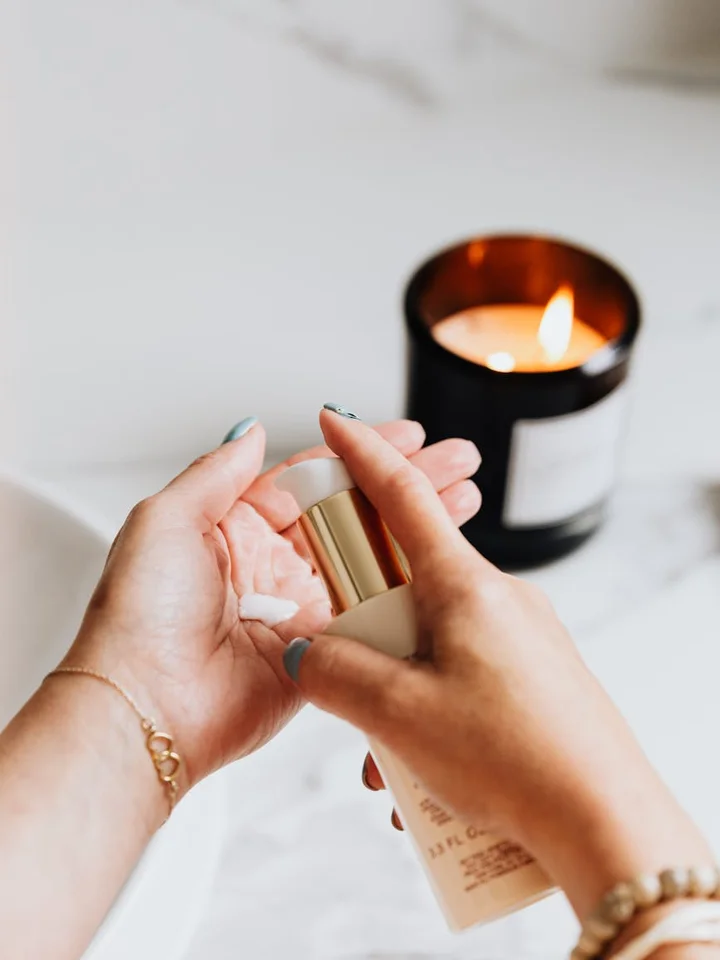
Think of benzoyl peroxide and alpha arbutin as two skilled specialists who work best on different shifts. The safest, most effective way to use them is to assign them to different times of day.
This separation prevents them from interfering with each other and gives your skin a chance to handle each active without overwhelm.
The AM Routine: Focusing on Protection and Marks
Your morning routine is for defense and correction. Alpha arbutin is stable and works well in the daylight hours, especially when followed by its best friend, sunscreen.
- Gentle Cleanser: Use a simple, non-stripping face wash. This is just to refresh your skin, not treat it.
- Alpha Arbutin Serum: Apply a few drops to slightly damp skin. Gently pat it over your entire face, focusing on areas with dark spots or post-acne marks.
- Moisturizer: Follow with a basic, soothing moisturizer. This step is like a cozy blanket that seals in hydration and prepares your skin for the final, most critical step.
- Sunscreen (SPF 30 or higher): This is non-negotiable. Alpha arbutin helps fade marks, but sun exposure creates them. Sunscreen protects your progress and prevents new dark spots from forming. Apply it as the last step, every single morning, rain or shine.
This morning sequence is perfect for someone like Lina, who wants to tackle leftover marks from past breakouts while protecting her combination skin from daily aggressors.
The PM Routine: Targeting Acne and Overnight Repair
Nighttime is for treatment and recovery. This is when benzoyl peroxide can go to work fighting acne-causing bacteria while you sleep.
- Oil-Based or Gentle Cleanser: Start by removing sunscreen and makeup. A cream or oil-based cleanser is great for this first step.
- Benzoyl Peroxide Treatment: Apply your benzoyl peroxide product (a wash, leave-on cream, or gel) as directed. If using a wash, massage it onto damp skin, leave it on for 60-90 seconds, then rinse thoroughly. Pat your face dry with a clean towel.
- Soothing Serum (Optional but Recommended): After your skin is completely dry, apply a hydrating serum with ingredients like hyaluronic acid or niacinamide. This buffers the skin and adds back moisture.
- Nourishing Moisturizer: Finish with a richer, barrier-supporting moisturizer. Look for ceramides or squalane. This step is crucial to counteract benzoyl peroxide’s potential dryness and keep your skin resilient.
This evening routine supports someone like Maya, who needs to actively treat oily, acne-prone areas while ensuring her skin barrier stays intact and hydrated overnight.
A common question I get is: can I use alpha arbutin after a benzoyl peroxide wash? The answer is yes, with the “cleanse-and-proceed” method. Since you rinse off the benzoyl peroxide wash completely, it doesn’t remain on your skin to destabilize the alpha arbutin you apply next. Just ensure your skin is patted dry before applying the serum.
If you’re new to using these ingredients together, start slowly. Introduce this combined routine just 2-3 nights per week, keeping your mornings consistent. Watch how your skin reacts over two weeks. If you see no redness, peeling, or excessive dryness, you can gradually increase the frequency of your benzoyl peroxide nights.
What to Mix and What to Avoid: Your Ingredient Interaction Guide
Building a routine is like managing a team. You want players that support each other, not ones that fight for the ball or cancel each other out. Here’s a simple guide to what works alongside your BP and alpha arbutin team, and what should stay on the bench.
The core principle is simple: avoid irritation and preserve each ingredient’s job. Your goal is to let benzoyl peroxide fight bacteria and alpha arbutin fade marks without creating a redness or sensitivity problem you have to fix later. When in doubt, simplicity and hydration are your best friends. A routine for someone like Noah, with dry and reactive skin, would lean heavily on the “friendly” list to ensure his barrier stays strong while he treats concerns.
Contraindications and Safety Warnings: When to Press Pause
This combination can be a powerful tool, but it’s not for every skin situation. Think of it like a specific workout plan; it’s great for building strength, but you wouldn’t start it with a sprained ankle. Here’s when you should skip this duo.
Skin Conditions That Say “Not Now”
If your skin barrier is already compromised, introducing these two actives can feel like pouring lemon juice on a paper cut. Hold off if you have:
- Active eczema or dermatitis: Your skin is in a state of heightened inflammation and needs to calm down first with simple, reparative ingredients.
- A severely damaged skin barrier: Signs include tightness, widespread stinging with any product, and a rough, flaky texture. Your priority is repair, not treatment.
- Open wounds, cuts, or recent surgical sites: Benzoyl peroxide can be particularly irritating to broken skin.
A Special Note for Pregnancy and Breastfeeding
While topical alpha arbutin is generally considered low-risk, the data on benzoyl peroxide during pregnancy and breastfeeding isn’t as comprehensive. Always, always consult your doctor or dermatologist before introducing any new active ingredient during this time. It’s the safest path for you and your baby.
Listen to Your Skin’s Protest Signs
Even if your skin is generally healthy, it might reject this partnership. Temporary mild tingling for a minute is common. What you need to watch for is irritation that signals “stop.”
- Stinging or burning that lasts more than a few minutes after application.
- Increased redness that looks like a rash, not a mild flush.
- Excessive flaking or peeling beyond mild dryness.
- A feeling of rawness or tenderness to the touch, like my client Noah described when his barrier was thin.
If your skin hurts to smile or touch, you’ve gone too far and need to pause.
Your “Skin Diet” Reset Plan
If you see any of the warning signs above, don’t panic. Here is your immediate action plan to reset your skin.
- Stop everything. Discontinue both the benzoyl peroxide and alpha arbutin immediately.
- Go back to basics. For 3-7 days, use only a gentle, fragrance-free cleanser and a bland, reparative moisturizer. Look for formulas with ceramides or panthenol.
- Protect. Do not skip sunscreen. A mineral option with zinc oxide can be soothing.
- Reintroduce slowly. Once your skin feels calm and normal, you can try reintroducing one product at a time, starting with just once every three days. Start with the alpha arbutin, as it’s typically gentler.
If Your Skin Needs More: Smart Alternatives and Supporting Players
What if this combo isn’t right for you? Maybe benzoyl peroxide is too drying, or you can’t find a good alpha arbutin formula. The beauty of skincare is that there are always other paths to your goal.
If Benzoyl Peroxide Feels Too Harsh
If you love the idea of fighting acne and inflammation but BP leaves you dry and tight, consider azelaic acid. It’s a fantastic multi-tasker. Azelaic acid tackles redness, kills acne-causing bacteria, and helps with post-inflammatory hyperpigmentation, all while being generally gentler and more soothing than BP. It’s a favorite for those with rosacea-prone or sensitive acne, like my client Lina.
Brightening Beyond Alpha Arbutin
Alpha arbutin is great, but it’s not the only pigment-fading ingredient in the cabinet. Its exfoliation-related effects are modest, but it can pair well with gentle exfoliants to smooth texture. Two other excellent, research-backed options are:
- Tranexamic Acid: This is a star for treating stubborn, persistent dark spots, particularly those related to melasma or hormonal changes. It works through a different pathway than arbutin, so it can be a powerful alternative or partner.
- Licorice Root Extract (Glabridin): A superb soothing brightener. It helps fade discoloration while calming inflammation, making it a perfect choice for sensitive skin types that are prone to redness alongside dark marks.
The Essential Support Team
Using active ingredients like BP and alpha arbutin is like having a skilled contractor renovate your house. But you need materials to rebuild the walls. These are your supporting ingredients that strengthen your skin barrier, preventing irritation.
- Ceramides: These are the essential lipids that hold your skin cells together like mortar. They are non-negotiable for maintaining a healthy, resilient barrier, especially when using drying agents.
- Centella Asiatica (Cica): Think of this as a soothing, green blanket for irritated skin. It reduces redness, calms itching, and supports healing. I often recommend a cica serum or cream for nights when skin feels a bit sensitive.
- Squalane: This is a lightweight, non-comedogenic oil that mimics your skin’s own sebum. It provides the perfect amount of occlusive hydration to prevent moisture loss without feeling heavy or greasy, ideal for both Maya’s oily skin and Noah’s dry skin.
Your treatment actives do the targeted work, but these supporting players keep your skin healthy enough to handle it.
Putting It All Together: Your Personalized Combination Plan
You now know the science. You understand the conflict. So, how do you get the benefits of both a powerful acne fighter and a gentle brightener? You build a schedule that keeps them apart and respects your skin’s limits.
The Golden Rules of Combination
Think of your skincare routine like a carefully planned day. Some tasks need your full morning energy, while others are best saved for a quiet evening. Your actives are the same.
- Separate them by time of day. This is the most effective and gentle strategy. Apply benzoyl peroxide in your morning routine and alpha arbutin at night, or vice versa.
- Start slowly, with low frequency. If you’re new to either ingredient, introduce them one at a time, using them just 2-3 times a week. Once your skin tolerates each one alone, you can begin your combined schedule.
- Listen to your skin every single day. If you see persistent redness, feel stinging, or notice unusual flaking, pause. This is your skin asking for a break. Skip a night of treatment and focus on a simple moisturizer.
My client Noah, who has dry and reactive skin, successfully uses this method. He applies a 2.5% benzoyl peroxide spot treatment on his chin in the AM after cleansing. At night, he uses a serum with alpha arbutin and licorice root on his post-acne marks. The separation prevents irritation for him.
Your Sample Routine Blueprints
Here are two simple ways to structure your week. Always apply products from thinnest to thickest consistency.
Option 1: BP in the AM, Alpha Arbutin in the PM
- Morning: Gentle cleanser, benzoyl peroxide treatment (leave-on or short-contact), fragrance-free moisturizer, sunscreen (non-negotiable).
- Evening: Gentle cleanser, alpha arbutin serum, moisturizer.
Option 2: Alpha Arbutin in the AM, BP in the PM (Short-Contact Method)
- Morning: Gentle cleanser, alpha arbutin serum, moisturizer, sunscreen.
- Evening: Gentle cleanser, apply benzoyl peroxide for 2-5 minutes, rinse off thoroughly, moisturizer.
The short-contact method for benzoyl peroxide is a game-changer for sensitive skin types. It significantly reduces irritation while still delivering anti-acne benefits. This method is often used in combination with other acne treatments, such as salicylic acid and benzoyl peroxide, for enhanced effectiveness.
Always Start With a Patch Test
Before you commit to a new product or combination, your skin deserves a trial run. A patch test is your safest first step.
- Clean a small, discreet area of skin, like behind your ear or on the side of your neck.
- Apply a pea-sized amount of the new product (your benzoyl peroxide or alpha arbutin formula) to that area.
- Wait 24-48 hours. Do not wash it off.
- Check for any signs of reaction: redness, itching, burning, swelling, or bumps.
If the area is clear, you can proceed cautiously. If you see any reaction, do not use the product on your face. This simple step saved my client Lina from a full-face reaction to a new niacinamide serum she wanted to layer. Her jawline patch turned red in just a few hours, signaling it wasn’t right for her.
Managing acne is a two-part journey: stopping new breakouts and healing the marks they leave behind. With a thoughtful plan, you can absolutely address both. Using benzoyl peroxide and alpha arbutin in separate parts of your routine allows you to tackle inflammation today while gently fading the evidence of yesterday’s blemishes. Your skin’s ability to heal and renew itself is remarkable. Giving it clear, patient instructions with these powerful ingredients is the kindest way to guide it toward clarity.
Your Quick-Reference Questions, Answered
How long before I see results from using them together?
Benzoyl peroxide can reduce active acne in as little as a few weeks, while alpha arbutin works gradually, with noticeable brightening often taking 8-12 weeks of consistent use. This separation of timelines is exactly why pairing them is so effective-you’re addressing both immediate and long-term concerns in one routine, especially when combined with other proven treatments like salicylic acid and retinoids.
Should I ever use them on alternating days instead?
Yes, alternating days is a smart strategy if your skin is sensitive or new to actives. This method, like using benzoyl peroxide one night and alpha arbutin the next, gives your skin a full 24-hour recovery period between each active, minimizing any risk of irritation.
Can I add a Vitamin C serum to this routine?
You can, but careful scheduling is key. We recommend using your Vitamin C serum in the morning with your alpha arbutin, as they are both antioxidants, and applying your benzoyl peroxide separately at night. Never apply pure L-ascorbic acid vitamin C at the same time as benzoyl peroxide, as this is a common irritant pairing.
Your Routine, Your Rules
You can absolutely pair benzoyl peroxide and alpha arbutin, but success hinges on respecting what each ingredient does and how your skin reacts. Think of your routine as a custom formula where timing, layering, and observation are your most powerful tools. Listen to your skin more than any rigid rule.
- Always patch test new combinations on a small area of your jawline for a week.
- Apply benzoyl peroxide as a short-contact treatment or a thin, targeted layer, letting it dry completely before the next step.
- Follow with a gentle, hydrating alpha arbutin serum to tackle dark spots without extra irritation.
- Never skip a broad-spectrum sunscreen in the morning; it’s non-negotiable for protecting your progress.
- If your skin feels tight, red, or stings, simplify your routine back to a gentle cleanser, moisturizer, and sunscreen until it calms.
For more guides that break down ingredient pairings and sustainable choices, follow along right here. If you’ve tried combining these actives, I’d love to hear your story. My inbox is always open for your skin questions.
Relevant Resources for Further Exploration
- What NOT to Mix With Alpha Arbutin – SeoulCeuticals
- r/30PlusSkinCare on Reddit: Can I use benzoyl peroxide and alpha arbutin in the same routine?
- I use alpha arbutin serum in the morning and benzoyl peroxide ointment at night. Is that okay? I don’t use them together, I use them during different times of the day separately. – Quora
- Can I Mix Benzoyl Peroxide and Alpha Arbutin | TikTok
- How to Use Alpha Arbutin with Other Skincare Products
Lucy Zimmerman
Lucy is an expert author and blogger when it comes to skin care and body care. She has first hand expertise acting as skin care consultant for over 5+ years helping her clients achieve smooth blemish free skin with natural and working remedies. She also has been an avid experimenter and tried out all the natural and artificial remedies and treatments so you can learn from her first hand experience. Additionally, she has traveled to many countries around the world and incorporated the skin care routines she has learnt into this blog. So, wait no more, reach out to Lucy if you have any specific needs and follow her blog, LuciDerma for expert skin care advice.