
Adapalene for Acne Scars: An Esthetician’s Clear-Cut Guide
If you’re staring at lingering acne scars and wondering if adapalene can help, I hear you. In my clinic, this is one of the most common hopes I help clients like Lina unpack.
- See exactly how adapalene works on a cellular level to improve skin texture and fade marks.
- Understand why this ingredient is a dermatological favorite for post-acne concerns.
- Get my simple, step-by-step routine for introducing adapalene without causing more damage.
Let’s look at the evidence together so you can move forward with clarity and care for your skin.
Adapalene Unpacked: More Than Just a Pimple Fighter
Adapalene is a third-generation retinoid, which is a fancy way of saying it’s a modern cousin of vitamin A. Think of retinoids as a big family: the older members are powerful but can be a bit harsh, while adapalene is like the clever, more easygoing relative.
Its primary, FDA-approved job is to treat inflammatory acne. It works from the inside out to unclog pores and calm the redness and swelling that turn a simple clog into a painful bump. By preventing those inflamed breakouts in the first place, it directly tackles one of the root causes of future scarring.
You can find it in two strengths. A 0.1% concentration is available over-the-counter at your local pharmacy or favorite skincare site. For more stubborn acne, dermatologists can prescribe a stronger 0.3% formula.
The Molecule Spec Sheet: Adapalene’s Core Chemistry
Here’s a quick look at what makes this ingredient tick. For people like my client Lina, who has sensitive skin, these details explain why adapalene can be a gentler starting point.
Its unique chemical structure makes it more stable when exposed to light and air compared to some other retinoids like tretinoin. This stability often translates to less potential for irritation, which is a win for anyone new to retinoids.
How Adapalene Talks to Your Skin Cells
Adapalene doesn’t just sit on your skin. It communicates with it. Imagine your skin cells are a construction crew that’s gotten slow and messy, leading to clogged sites (pores) and chaotic debris (inflammation). Adapalene also helps modulate inflammation and promote healthier cell turnover. In effect, it nudges the skin’s repair crew to refresh more quickly.
Adapalene binds to specific receptors within your skin cells like a calm, knowledgeable foreman. It gives clear directions to speed up orderly cell turnover, clear out the clogged pathways, and tell the inflammatory signals to quiet down. This triple action—increasing turnover, reducing clogging, and calming inflammation—is the foundation for how it improves both acne and the marks it leaves behind.
What Are You Actually Treating? The Two Worlds of Acne Scars
Before we talk about solutions, we need to identify the problem. “Acne scars” typically fall into two very different categories, and treating the wrong one leads to frustration.
Post-Inflammatory Hyperpigmentation (PIH) is flat, discolored marks-brown, purple, or red spots left after a pimple heals. It’s a pigment issue, not a texture issue. True atrophic scars are changes in the skin’s texture: little icepick holes, broader boxcar depressions, or wavy rolling scars. These are caused by a loss of collagen during the healing process.
Here is the most practical guidance I can give: adapalene is primarily a champion for fading PIH and making mild textural irregularities softer. It encourages fresh, evenly pigmented skin to surface and can subtly plump shallow depressions by supporting collagen over time. It is not a laser or a filler; it will not dramatically raise or erase deep, pitted scars.
I remember my client Noah. After a consistent routine with adapalene for his acne-prone skin, the dark brown spots on his jawline faded beautifully. But the deep, pitted scar on his cheek from teenage acne remained unchanged. That clarity helped him use adapalene for what it’s brilliant at, and later seek a different treatment (like laser therapy) for the texture change. Knowing the difference saves you time and sets realistic expectations.
Does Adapalene Help with Acne Scars? The Evidence and the Reality
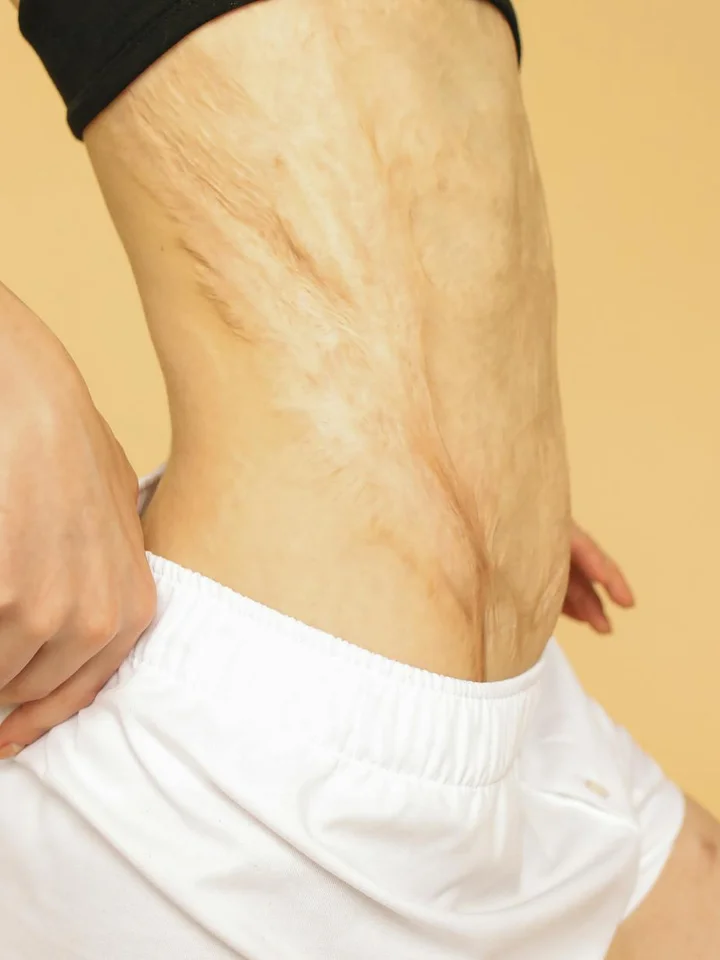
Yes, adapalene can help improve the appearance of acne scars, but it’s not a magic eraser for deep pits. Think of it more as a skilled refinisher, working diligently in the background. When my client Maya asked me this, I explained it works on three key fronts for scarring, including the way it exfoliates the skin.
First, it accelerates the fading of post-inflammatory hyperpigmentation (PIH), those flat dark or red marks left behind after a pimple heals. It does this by speeding up skin cell turnover, gently nudging the pigmented cells to the surface and away.
Second, it smoothes rough, uneven texture. By encouraging exfoliation and preventing dead skin cells from gluing together, it can soften the edges of shallow, rolling scars, making skin feel more even.
Third, there is evidence that, over the long term, it may support collagen production. This is the key to potentially improving the depth of atrophic scars, though this process is very slow.
The reality is that adapalene works in months, not weeks, and has minimal direct evidence for remodeling deep icepick or boxcar scars on its own. Its most powerful role is actually in prevention. By controlling active acne and reducing the severe inflammation that causes scars to form in the first place, it stops the problem at the source. For someone like Noah, who deals with reactive skin, this preventative benefit is often the most valuable part of the equation.
Adapalene vs. The Scar Treatment Cabinet
Adapalene is a team player, not a solo act. Here’s how it fits with other common ingredients.
Adapalene vs. Tretinoin: They are cousins in the retinoid family with similar goals. Tretinoin has a longer history of collagen studies, but adapalene is often much better tolerated, especially for sensitive or reactive skin types like Lina’s. If your skin balks at tretinoin, adapalene can be a gentler path to similar benefits. In some plans, a tretinoin-adapalene combination is explored to blend the strengths of both. When used together, these two can complement each other, often with a careful, gradual approach tailored by a clinician.
Adapalene vs. AHAs (like glycolic acid): This is a depth-of-action difference. An AHA is like dusting the very surface of a table. It works brilliantly on surface texture and brightening. Adapalene works deeper within the pore and the skin cell lifecycle. You can use them together cautiously on different days, but AHAs won’t influence cell behavior the same way.
Adapalene vs. Vitamin C: These two are fantastic partners, not rivals. Vitamin C is a daytime antioxidant that protects skin and brightens existing dark spots. Adapalene is a nighttime renovator that addresses texture and prevents future issues. Using vitamin C in your morning routine and adapalene at night is a classic, powerful pairing for scar appearance. This vitamin C and adapalene synergy provides daytime protection and nighttime renewal. Seeing them as a combined routine helps simplify your skincare plan.
A Step-by-Step Guide to Using Adapalene for Scarring
Consistency and patience are everything. Here’s a safe evening routine blueprint to follow.
- Cleanse with a gentle, pH-balanced formula. Avoid harsh scrubs or soaps that strip your barrier. Your skin should feel calm, not squeaky.
- Wait for your skin to be completely dry. This is non-negotiable. Applying adapalene to damp skin drives it in deeper and significantly increases irritation. Patience here prevents redness.
- Apply a pea-sized amount for your whole face. Dot it on your forehead, cheeks, and chin, then gently smooth it over your face and neck. Avoid the delicate skin of your eyelids, lips, and the corners of your nose.
- Follow with a simple, fragrance-free moisturizer. This buffers and soothes. Think of the moisturizer as a comforting blanket over the treatment.
Start by using it only 2 or 3 nights a week, and always apply it over your moisturizer for the first few weeks to build tolerance. You can gradually increase frequency as your skin adjusts, aiming for nightly use if your skin handles it well.
Contraindications & Safety Warnings: When to Press Pause
Even the best ingredients aren’t for everyone, right now. Certain situations require you to stop and get professional advice.
You should avoid adapalene or consult a doctor first if:
- You are pregnant, breastfeeding, or trying to conceive.
- Your skin barrier is severely compromised (think burning, stinging with any product, active eczema flares).
- You have open wounds or sunburn on your face.
- You are already using other prescription-strength exfoliants without your dermatologist’s guidance.
Never, ever apply adapalene to sunburned skin. It will cause severe irritation. This rule underscores the critical importance of daily sunscreen use the morning after-it’s not optional with this treatment. If your skin reacts with persistent burning, severe peeling, or worsening redness, take a break and reassess with a professional.
Managing Expectations and Side Effects
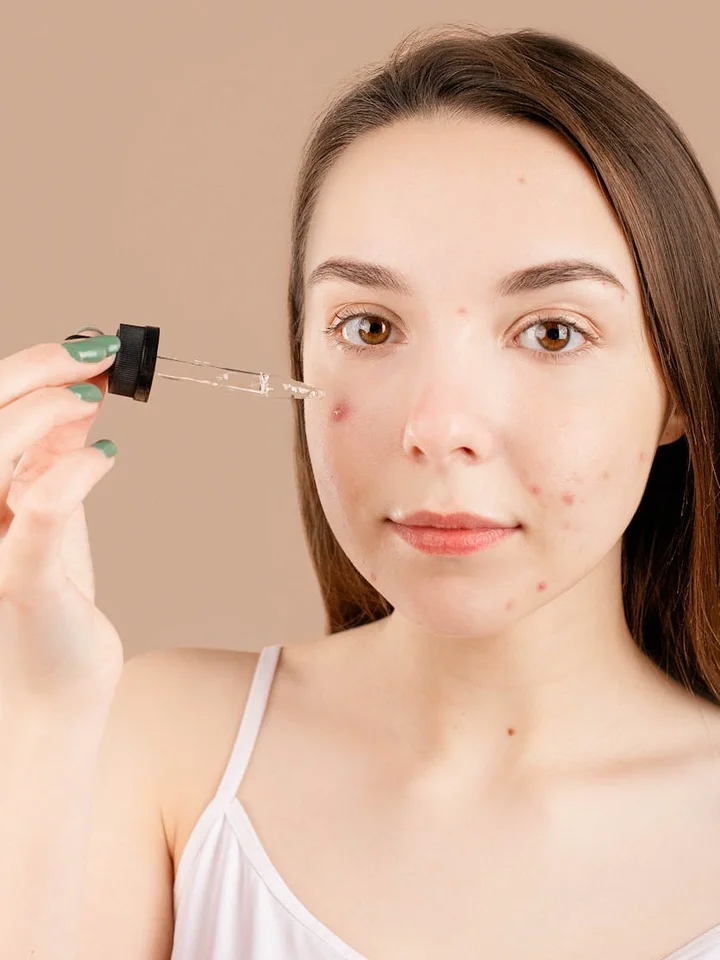
Starting adapalene is like meeting a new, very effective coworker. It’s brilliant at its job, but it takes a little time for your skin to adjust to its pace. This adjustment phase is called “retinization.”
For the first few weeks, you might notice some dryness, flaking, or a slight feeling of tightness. Some people, especially those prone to clogged pores, may experience a “purge”-a temporary increase in breakouts as the ingredient speeds up skin cell turnover, bringing underlying congestion to the surface.
This initial reaction is completely normal and is often a sign that the adapalene is starting to work deep within your skin. Think of my client Noah, who has dry, reactive skin. He was ready to quit after one week of peeling. We slowed down his routine, and within a month, his skin had adapted and was visibly smoother.
You can manage this period gracefully with a few simple strategies:
- Use the “Sandwich” Method: Apply a layer of a simple, fragrance-free moisturizer to damp skin. Let it absorb. Apply a pea-sized amount of adapalene. Finish with another light layer of moisturizer. This buffers the treatment without blocking its benefits.
- Listen to Your Skin: If redness or stinging flares up, it’s okay to skip a night. Using it every other night is a perfect way to build tolerance.
- Sunscreen is Non-Negotiable: Adapalene makes new, healthy skin cells surface. This fresh skin is highly vulnerable to sun damage. Applying a broad-spectrum SPF 30 or higher every single morning is the most critical step to protect your progress and prevent post-inflammatory hyperpigmentation from worsening.
A question I hear every single day is, “How long does adapalene take to work?” For active acne, you might see improvements in 4-12 weeks. For scarring and textural changes, you need a longer lens. Look for subtle changes in skin smoothness and shadowing around the 3-month mark, with more significant improvement typically visible after 6 months of consistent use. Patience here is truly a form of active treatment, especially when considering the adapalene acne timeline.
Choosing an Adapalene Product: What to Look For
Not all adapalene formulas are created equal. The vehicle-whether it’s a gel, cream, or lotion-makes a big difference in how your skin experiences it.
Gels are often alcohol-based and have a lighter, drying finish. They can be a good fit for my client Maya, who has persistently oily, acne-prone skin. Creams and lotions are more emollient, with moisturizing ingredients that help counter dryness. This formulation is usually better for those with normal, dry, or sensitive skin like Noah.
Your best bet is to seek out a simple, fragrance-free formula that doesn’t stack other potent actives like salicylic acid or high-percentage vitamin C. The goal is to let adapalene do its work without overwhelming your skin barrier. A minimalist formula reduces the chance of irritation and makes it easier to pinpoint what’s helping (or hurting).
For treating post-acne marks and textural scars, the over-the-counter concentration of 0.1% is often perfectly sufficient and much easier for your skin to tolerate long-term. Higher strength doesn’t always mean better results if your skin rebels against it.
You might see searches for “adapalene 0.3 acne scars.” This is a prescription-only strength. Adapalene 0.3% is a tool a dermatologist might recommend for very stubborn, resistant scarring, but it requires professional supervision due to its higher potential for irritation. Starting with 0.1% gives you a clear, effective path forward.
Your Adapalene Scar Questions, Answered
How does adapalene compare to other retinoids for treating acne scars?
Compared to other prescription retinoids like tretinoin, adapalene offers a very similar pathway to improving skin texture and fading dark marks, but often with a gentler tolerance profile. This makes it a brilliant, less irritating starting point for consistent, long-term use where scarring is a concern.
What kind of ‘before and after’ results can I realistically expect?
Realistically, expect a significant fading of post-inflammatory hyperpigmentation (the dark spots) and a smoother skin texture over several months. You should not expect it to erase deep, pitted scars; for those, it’s a helpful companion treatment but not a standalone solution.
Can I use adapalene with other treatments for deeper scars?
Absolutely, and we often recommend it. Using adapalene as part of your maintenance routine can enhance results from professional treatments like microneedling or lasers by priming your skin’s cell turnover. Always coordinate this plan with your dermatologist or esthetician for safe, layered efficacy.
Your Path to Smoother Skin
The most important takeaway is this: adapalene is a powerful ally for improving the texture and color of post-acne marks, but it requires a partnership with your skin’s natural rhythm. Consistency and patience, backed by diligent sun protection, are the non-negotiable foundations for seeing its best results. Think of it as a long-term investment in your skin’s health, not a quick fix. Over time, most people notice gradual improvements in acne and post-acne marks as adapalene follows the typical adapalene results timeline. This awareness helps you gauge its overall effectiveness and set realistic expectations.
- Adapalene primarily improves textural scars (like rolling or boxcar marks) and post-inflammatory hyperpigmentation (dark spots).
- Daily sunscreen use is mandatory to prevent new dark spots and protect your skin barrier while using this ingredient.
- Visible improvements take months, not weeks; stick with a simple, gentle routine to let it work.
- For deep or pitted scars, adapalene is often part of a plan that includes professional treatments like lasers or microneedling.
I’m here to help you navigate these choices. If you have more questions about incorporating adapalene or building a scar-conscious routine, I welcome you to follow the LuciDerma blog. Send your questions our way-your journey toward confident, healthy skin is one we take seriously, with ethically-made, sustainable skincare always at the heart of the advice we share.
Industry References
- Adapalene/benzoyl peroxide gel reduces atrophic acne scars, lesions up to 48 weeks
- Adapalene, Benzoyl Peroxide Gel Shown to Help Prevent Further Scarring from Acne Vulgaris | HCPLive
- (PDF) Adapalene 0.3% Gel Shows Efficacy for the Treatment of Atrophic Acne Scars
- How you can treat acne scars at home, according to dermatologists
- [PDF] Adapalene 0.3% Gel Shows Efficacy for the Treatment of Atrophic Acne Scars | Semantic Scholar
- Topical management of acne scars: The uncharted terrain – Bikash – 2023 – Journal of Cosmetic Dermatology – Wiley Online Library
- A Dermatologist’s Tips for Acne Scars: Southwest Family Medicine Associates: Family Medicine
- Adapalene 0.3% Gel Shows Efficacy for the Treatment of Atrophic Acne Scars – PubMed
- Can Topical Retinoids Decrease Atrophic Scars? | Dermatology Times
- An Insight of Use of Topical Adapalene in Management of …
Lucy Zimmerman
Lucy is an expert author and blogger when it comes to skin care and body care. She has first hand expertise acting as skin care consultant for over 5+ years helping her clients achieve smooth blemish free skin with natural and working remedies. She also has been an avid experimenter and tried out all the natural and artificial remedies and treatments so you can learn from her first hand experience. Additionally, she has traveled to many countries around the world and incorporated the skin care routines she has learnt into this blog. So, wait no more, reach out to Lucy if you have any specific needs and follow her blog, LuciDerma for expert skin care advice.