
Adapalene vs. Tretinoin vs. Tazarotene: Your Guide to Retinoid Potency and Choice
Choosing between retinoids like Adapalene, Tretinoin, and Tazarotene often brings up questions about strength and irritation, which I hear regularly from clients like cautious Noah or curious Lina.
Here’s what you’ll know by the end of this guide:
- How retinoid potency is measured and why it’s not just about strength, so you can prioritize results over arbitrary numbers.
- The real-world differences in how each retinoid behaves on your skin, helping you select one that aligns with your acne or aging concerns.
- How to start and adjust your routine based on your skin’s tolerance, so you can use these powerful ingredients without sabotaging your barrier.
Let’s get you the clear, practical facts to make your retinoid decision a confident one.
The Retinoid Family: A Quick Skin Science Refresher
Let’s break this down without the jargon. Retinoids are a family of ingredients derived from Vitamin A. Think of them as a signal to your skin cells. They tell your skin, “Hey, let’s pick up the pace.” This speeds up your skin’s natural renewal process, pushing fresh, healthy cells to the surface more quickly.
It’s key to know there are two main branches on this family tree. First, you have prescription-strength retinoids, which are the focus here-Adapalene, Tretinoin, and Tazarotene. These are potent and target specific receptors in the skin. Then, you have over-the-counter cousins like retinol and retinaldehyde. These are gentler and must convert within the skin to become active, which makes them slower and less direct.
So, why does faster cell turnover matter? For my client Maya with acne, it helps prevent pores from getting clogged in the first place. For concerns like fine lines or dark spots, it helps fade them by revealing newer skin more consistently. For everyone, it leads to a clearer, more radiant complexion over time.
I always remind my clients that these are powerful, proven tools, not instant magic. Respecting their strength with a gradual introduction and consistent sun protection is non-negotiable for good results.
Meet the Molecules: Adapalene, Tretinoin, and Tazarotene Under the Microscope
Each of these prescription retinoids has a distinct personality. Adapalene is the stable, targeted one designed for acne. Tretinoin is the classic, well-studied multi-tasker. Tazarotene is the potent specialist for stubborn conditions.
Their different behaviors come down to chemistry-specifically, which skin receptors they bind to and how they interact with your skin’s environment. Differences in pH and solubility explain why some, like Adapalene, can feel gentler initially, while others may work more aggressively on the surface.
Here’s a side-by-side look at their key specs. You’ll notice people often ask “how strong is adapalene 0.1”-this table puts its concentration in context with the others.
| Retinoid | Common Brand Names | Typical Concentrations | Primary FDA-Approved Use | Key Chemical Trait |
| Adapalene | Differin, La Roche-Posay Effaclar Adapalene | 0.1% (OTC & Rx), 0.3% (Rx) | Acne | Stable, selective for specific retinoid receptors. Less irritating for many. |
| Tretinoin | Retin-A, Renova, generic | 0.025%, 0.05%, 0.1% | Acne, Photoaging | Binds to all classic retinoid receptors. The most researched for anti-aging. |
| Tazarotene | Tazorac, generic | 0.05%, 0.1% | Acne, Psoriasis | Most potent/reactive. A prodrug that converts quickly in the skin. |
Adapalene: The Acne-Focused Stabilizer
Adapalene was designed in a lab to be more stable and less irritating than its predecessors. It’s like the reliable, focused member of the family. It targets the specific receptors involved in acne formation and is less likely to degrade in sunlight or when mixed with other common acne fighters like benzoyl peroxide.
A common point of confusion is asking, “is adapalene retin a?” The answer is no. Retin-A is a specific brand name for Tretinoin. They are different molecules.
When we look at strength, comparing adapalene 0.1 vs 0.3 is straightforward: the 0.3% formulation is stronger. For a long time, even the 0.1% was prescription-only, but it’s now available over-the-counter in many places. If you’re new to retinoids, starting with a lower concentration like 0.1% allows your skin to build tolerance with less drama.
Tretinoin: The Gold-Standard Multi-Tasker
Tretinoin is the veteran. It has decades of research behind it for both treating acne and reducing the signs of sun damage and aging. It communicates with a broader range of skin cell receptors, which is why it’s considered such a comprehensive treatment. Understanding tretinoin’s treatment timeline for acne and anti-aging helps set expectations. From initial improvements in blemishes to long-term skin texture changes, tretinoin’s effects unfold in recognizable phases.
It comes in various strengths and formulations. Gels are often better for oilier skin (like Maya’s), while creams can be more forgiving for drier or more sensitive types (like Noah). The journey often starts at a low concentration like 0.025% and may increase slowly over time.
Tazarotene: The Potent Problem-Solver
Think of Tazarotene as the specialist you call in for tough jobs. It is generally considered the most potent of these three prescription options. It works very quickly to normalize skin cell growth, making it highly effective for severe acne and conditions like psoriasis that involve thick, scaling skin.
With great potency comes a higher likelihood of redness, peeling, and irritation. Because of this, dermatologists often use it as a second-line treatment after other options, like Adapalene or Tretinoin, haven’t provided the desired results. It’s not typically the first choice for someone with sensitive skin.
Adapalene vs. Tretinoin: Breaking Down the Acne and Aging Debate
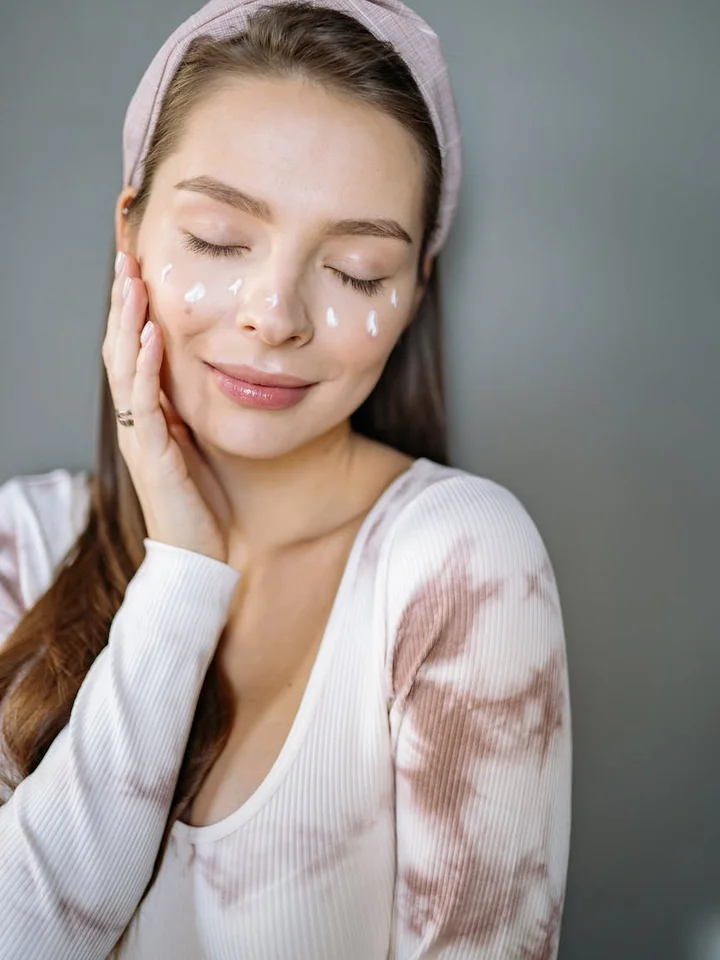
People often ask me which one is the “best.” My answer is always the same: the best retinoid is the one your skin can tolerate consistently to get the results you want. Let’s compare them head-to-head.
How do they stack up for stubborn acne?
For inflammatory acne-those deep, red, painful bumps-the clinical data is reassuring. Multiple studies show adapalene 0.1% and tretinoin 0.025% are often equally effective at reducing these lesions over 12 weeks.
The significant difference often comes down to how your skin reacts during the process. Adapalene is structurally more stable and selectively targets specific skin receptors, which typically means less initial irritation.
I think of my client Maya. She has oily, acne-prone skin and found that a 0.1% adapalene gel helped calm her cystic breakouts without the intense dryness and peeling she experienced years ago with a tretinoin cream. Online, you’ll see debates (search ‘adapalene vs tretinoin reddit’ and you’ll fall down a rabbit hole). Some people swear tretinoin is the only thing that cleared their closed comedones-those tiny, flesh-colored bumps. Both can work, but tretinoin’s mechanism might unplug those pores more aggressively for some.
For pure, inflammatory acne, they are frequently matched in effectiveness, but adapalene offers a gentler on-ramp for many.
Which one fights wrinkles and scars better?
This is where the long-term data gives tretinoin a noted edge. Tretinoin has decades of research proving it boosts collagen, improves skin texture, and reduces fine lines. It’s the gold standard for topical anti-aging.
Adapalene shows promising anti-aging benefits in studies, but we simply have more years of evidence with tretinoin. For acne scars, both promote cell turnover to help remodel skin, but tretinoin’s deeper collagen stimulation might make it the preferred choice for atrophic (indented) scarring over time.
And what about versus an over-the-counter retinol? Both prescription adapalene and tretinoin are significantly stronger and more direct in their action than any OTC retinol, making them better choices for targeted concerns.
For hyperpigmentation like sun spots or post-acne marks, both help by accelerating cell turnover to shed pigmented cells. Tretinoin is often specifically cited in studies for treating photodamage and melasma, sometimes making it the first pick for this goal.
Irritation and skin tolerance: a practical look
The “retinization” period-those first few weeks of adjustment-usually looks different for each. Tretinoin commonly causes more noticeable redness, peeling, and dryness early on. Adapalene’s side effects tend to be milder, though dryness and slight irritation are still possible.
Your skin type can guide you. Adapalene’s gel formulation and tolerability profile often make it a perfect first prescription for oily or acne-prone skin. Tretinoin comes in creams or gels; the cream versions can be a better match for someone like Noah, who has drier skin, as the base is more emollient.
All skin tones can use either retinoid, but diligent daily sunscreen use is non-negotiable for everyone, as retinoids increase sun sensitivity. Starting slow (twice a week) and applying over moisturizer can help anyone build tolerance.
Adapalene vs. Tazarotene: When to Choose the Stronger Option
Tazarotene is a different conversation. It’s like shifting from a reliable daily driver to a high-performance vehicle-it’s powerful, but you need a clear reason and careful handling.
Potency and purpose: why tazarotene is in its own league
In terms of sheer cell-turnover power, tazarotene is typically considered the strongest topical retinoid available. It works very quickly and is exceptionally effective for rapid clearing of severe acne and for treating plaque psoriasis.
With greater potency comes a much higher likelihood of significant irritation, including severe dryness, peeling, and burning. It is almost always more irritating than both adapalene and tretinoin. This isn’t a starter retinoid; it’s for when other options haven’t delivered.
Who is it really for? Decoding dermatologist prescriptions
You don’t usually start here. A dermatologist might prescribe tazarotene in specific scenarios: for severe, treatment-resistant acne that hasn’t improved with adapalene or tretinoin, or when a condition like psoriasis is the primary target.
So, is adapalene strong enough? For the vast majority of people with mild to moderate acne and anti-aging goals, yes, absolutely. A dermatologist may upgrade to tazarotene when rapid, aggressive results are needed for a specific, stubborn condition, and the patient is prepared to manage the stronger side effects. It answers the question, “What’s next?” after other prescriptions have been tried.
Your Retinoid Roadmap: How to Choose and Use Safely
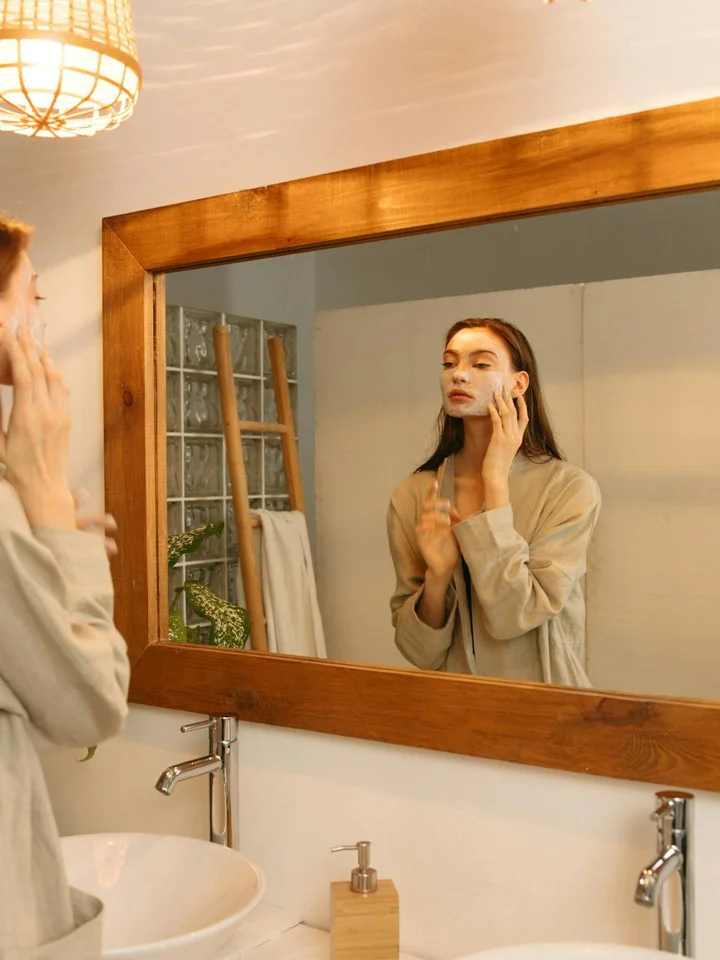
Knowing the strength is one thing. Applying that knowledge to your own skin is another. Let’s build a practical plan.
If you’re wondering, “Should I switch from adapalene?” the answer depends on your results and goals. Many people, like my client Maya, find adapalene perfectly manages her acne for years. A change might be warranted if your acne has plateaued after 3-6 months of consistent use, or if your primary concern has shifted squarely to deep wrinkles and sun damage, where tretinoin has more data.
Step 1: Matching the molecule to your skin goal
Think of this as a matching game. Your skin condition chooses the player.
- Start with Adapalene if: Your main target is acne (blackheads, whiteheads, inflamed bumps). It’s the gentlest prescription entry point and is now available over-the-counter.
- Consider Tretinoin if: You’re dealing with both persistent acne and clear signs of aging like wrinkles and hyperpigmentation. It’s a broader-spectrum workhorse, but requires more patience with sensitivity.
- Reserve Tazarotene for: Severe, resistant acne or psoriasis that hasn’t responded to other prescriptions. This is a specialist tool, always used under a doctor’s direct care.
Your safest path is to start with the mildest effective option and only move up if you need to.
Step 2: The gentle introduction technique
Rushing in causes redness and peeling. Here’s how to start a friendship with any retinoid.
- Wash your face with a gentle, fragrance-free cleanser and pat dry.
- Apply your usual moisturizer to slightly damp skin. Let it absorb for a few minutes.
- Take a pea-sized amount of retinoid for your entire face. Dot it on your forehead, cheeks, and chin.
- Gently blend it in.
- Start with this routine just two nights a week (e.g., Monday and Thursday).
After two weeks without major irritation, you can add a third night. The goal is to work up to nightly use over several months, but even 3-4 times a week gives great benefits.
For skin like Noah’s (dry and reactive), I always teach the “sandwich method”: moisturizer, then retinoid, then another light layer of moisturizer. This buffers the intensity and helps protect your skin barrier from the start.
Step 3: What to pair with (and what to avoid)
Your retinoid is the star player. The rest of your routine should be a supportive, calming team.
Do pair with:
- A simple, fragrance-free moisturizer. Look for barrier-supporting ingredients like ceramides and glycerin.
- A gentle, creamy cleanser. No foaming sulfates that can strip skin.
- A reliable mineral (zinc oxide/titanium dioxide) sunscreen, SPF 30 or higher, every single morning. This is non-negotiable, as retinoids make your skin more sun-sensitive.
Avoid these initially:
- Other strong actives like AHAs (glycolic acid), BHAs (salicylic acid), or vitamin C. You can reintroduce them slowly in your morning routine later if your skin tolerates it.
- Benzoyl peroxide in the same routine, unless it’s a formulated combination product. It can deactivate some retinoids and be overly drying.
- Physical scrubs or rough cleansing brushes. Your skin will be more fragile.
When choosing these supporting products, opting for cruelty-free brands with sustainable practices aligns your skincare with your values.
Beyond the Big Three: Gentler and Stronger Alternatives
Prescription retinoids are powerful, but they aren’t the only path. The spectrum of vitamin A options is wide.
Gentler paths: Retinol, Bakuchiol, and other derivatives
If the prescription lane feels too intense, you have effective over-the-counter options.
Retinol is a gentler precursor that your skin must convert into retinoic acid. This makes it weaker and results take longer (often 3-6 months), but it’s a fantastic starting point. For someone like Lina, who has combination, curious skin, a low-concentration retinol serum used twice a week allows her to test the waters without overwhelming her sensitive cheeks.
For those seeking a plant-based alternative, bakuchiol is a compelling option. Studies show it can mimic some of retinoid’s collagen-boosting and smoothing effects without the typical irritation or sun sensitivity. It won’t be as potent for severe acne, but it’s a beautiful, gentle option for overall evening of tone and texture.
When stronger isn’t better: listening to your skin’s limits
In skincare, more potent does not equal more effective for you. A mild retinoid used consistently will always beat a strong one that burns your skin and sits unused in the cabinet.
The best retinoid is the one you can use comfortably and regularly. Chasing the highest strength often leads to a damaged skin barrier, redness, and giving up entirely. Progress with retinoids is measured in months, not days. Patience and a gentle, consistent approach will get you farther than any brute-strength molecule ever could.
Frequently Asked Questions: Retinoid Strength & Choice
Which retinoid is best for stubborn closed comedones?
Both can effectively clear clogged pores, but tretinoin often works more aggressively to unplug them due to its broader receptor activity. For a gentler start, adapalene is an excellent first-line choice with a lower irritation profile for many.
How do prescription retinoids really differ from over-the-counter retinol?
Prescription options like adapalene and tretinoin are active molecules that work directly and more powerfully on skin receptors. Over-the-counter retinol is a gentler precursor that must convert in the skin, resulting in a slower, milder effect.
If adapalene manages my acne, should I ever switch to tretinoin?
Only consider switching if your primary concern shifts squarely to anti-aging or if your acne progress plateaus. For consistent acne management alone, staying with a well-tolerated retinoid like adapalene is often the most sustainable path.
Finding Your Retinoid Fit
The most effective retinoid isn’t the strongest one, it’s the one you can use consistently without wrecking your skin barrier. Think of it like building a fitness routine, you need a sustainable starting point you can stick with, not an immediate marathon.
- For most people starting out, adapalene offers the gentlest path to clearer, smoother skin.
- Always pair your retinoid with a generous, daily application of broad-spectrum sunscreen.
- Give any new retinoid at least three months of consistent use to see its full benefits.
- If your skin is very sensitive, apply your retinoid over your moisturizer to buffer its effects.
We’re here to guide you through these choices on the LuciDerma blog. If you’re unsure where to start, bring your questions to us, or better yet, have a chat with your own dermatologist for personalized advice. Your skin’s journey is unique, and we’re committed to providing the clear, compassionate guidance you need every step of the way.
Relevant Resources for Further Exploration
- Tazarotene versus tretinoin or adapalene in the treatment of acne vulgaris – PubMed
- Tretinoin, Adapalene, Tazarotene
- r/EuroSkincare on Reddit: Tret vs adapalene vs tazarotene
- Cumulative irritation comparison of adapalene gel and solution with 2 tazarotene gels and 3 tretinoin formulations – PubMed
- Best Acne Treatment: Adapalene or Tazarotene for Acne? – Curist
- Tazarotene vs. Tretinoin for Acne: Important Differences and Potential Risks.
- Tretinoin vs Adapalene – What’s the difference?
- Retinal vs retinol, tretinoin or adapalene? How to choose the right retinoid for you – Murad Skincare
- Is tazarotene better than tretinoin?
- What Topical Retinoid Formulation Is Most Effective for the Treatment of Acne?
Lucy Zimmerman
Lucy is an expert author and blogger when it comes to skin care and body care. She has first hand expertise acting as skin care consultant for over 5+ years helping her clients achieve smooth blemish free skin with natural and working remedies. She also has been an avid experimenter and tried out all the natural and artificial remedies and treatments so you can learn from her first hand experience. Additionally, she has traveled to many countries around the world and incorporated the skin care routines she has learnt into this blog. So, wait no more, reach out to Lucy if you have any specific needs and follow her blog, LuciDerma for expert skin care advice.