
Acids Don’t Thin Your Skin: The Dermatology Truth for Long-Term Care
If you’ve hesitated to use acids because you’re worried about thinning your skin, I get it, this myth pops up in my clinic all the time. Let’s set the record straight: acids, when used correctly, are allies for thicker, healthier skin.
In this article, I’ll share what dermatology says so you can use acids with confidence. You’ll learn:
- How acids like glycolic and salicylic actually strengthen your skin barrier over time.
- Why the thinning myth persists and what science proves instead.
- Practical steps to build a safe, effective acid routine for your skin type.
You’ll have the clarity to nurture your skin with confidence.
Where Did This “Acids Thin Skin” Myth Come From?
It starts with a feeling. You apply a glycolic acid toner or a salicylic acid treatment, and you feel a slight tingle or warmth. It’s easy for your brain to connect those dots: “This is strong. It must be dissolving my skin.” I hear this worry all the time.
This thought is as logical and as flawed as the old belief that weightlifting stunts a teenager’s growth. The sensation of effort or change gets mistaken for damage. With acids, that tingling is often just a signal that the product is working on the surface, not that it’s burning through to deeper layers.
What people often describe as skin feeling “thin” is usually a sign of a temporarily unhappy skin barrier. When your barrier is compromised from over-exfoliation or neglecting moisture, skin can feel raw, sensitive, and papery. This is distress, not permanent thinning.
True, permanent thinning of the dermis-the living, structural layer-is not something topical acids cause. Let me give you a real example. My client Noah, who has dry, reactive skin, was convinced his new lactic acid serum was making his cheeks “feel like tissue paper.” When we looked at his routine, he was using it twice a day on bone-dry skin without a moisturizer in sight. We dialed it back to twice a week on damp skin, followed immediately by a rich, barrier-supporting cream. That “thin” feeling vanished in a week. His barrier was just calling out for help.
What Skin Acids Actually Do to Your Skin Layers
Think of your skin’s outermost layer, the stratum corneum, as a brick wall. Your skin cells are the bricks, and the lipids (fats) holding them together are the mortar. Over time, dead cells pile up on top, making the wall look dull and uneven.
Acids are like the gentle, precise cleaning crew for this wall. They carefully loosen and remove the old, loose “bricks” (dead cells) that are already ready to shed. This makes room for fresher, plumper cells from underneath to surface. The mortar stays intact if you use acids correctly.
These acids primarily work on this outermost dead layer; they do not penetrate deeply enough to affect the living dermis where your skin’s true thickness and collagen are housed. Their job is surface-level renewal, not deep excavation.
Here’s the beautiful part that flips the myth on its head. Long-term, consistent use of certain acids like glycolic and lactic acid can send beneficial signals to that deeper dermis. Studies indicate they can stimulate fibroblasts, the cells that produce collagen and elastin.
With sustained and sensible use, these acids can contribute to a denser, plumper dermis over time-the opposite of thinning. It’s a reminder that what happens on the surface can positively influence the layers below, but it requires patience and a balanced approach.
Your Acid Cheat Sheet: AHAs, BHAs, and PHAs Explained
Think of your skin’s surface like a brick wall made of old skin cells. Acids help gently tidy up that wall. They’re not all the same, and picking the right one is like choosing the right tool for a specific job. You might also hear about a temporary skin purge when acids are introduced, a sign your skin is adjusting. Understanding this purge can help you choose the right acid for your goals.
AHAs (Alpha Hydroxy Acids) are the surface-level messengers. Water-soluble, they work on the very top layer to break the bonds between dead, dulling cells. Glycolic acid (from sugar cane) is the smallest molecule, so it’s like a fast, deep-cleaning messenger that gets to work quickly. Lactic acid (often derived from fermented sugars, a great sustainable choice) is a slightly larger, gentler messenger that also helps pull in moisture.
BHAs (Beta Hydroxy Acids) are the oil-dissolving scouts. Salicylic acid is the star here. Because it’s oil-soluble, it can dive into oily pores, dissolve the gunk inside, and calm inflammation. It’s the perfect scout for navigating an oily, congested landscape.
PHAs (Poly Hydroxy Acids) are the gentle, hydrating neighbors. Gluconolactone is a common PHA. These molecules are larger, so they work more slowly on the surface and are less likely to cause tingling. They excel at gentle exfoliation while attracting and holding water to the skin.
Molecule Spec Sheet
| Acid | pH Range | Typical Concentration | Solubility | Safety & Best For |
|---|---|---|---|---|
| Glycolic (AHA) | 3.5 – 4.5 | 5% – 10% (leave-on) | Water | Start low. Best for addressing surface texture, dullness, and fine lines on normal to oily skin. Can be irritating for sensitive types. |
| Lactic (AHA) | 3.5 – 4.5 | 5% – 10% (leave-on) | Water | Gentler than glycolic. A fantastic, often sustainably sourced option for dry or sensitive skin needing light exfoliation and hydration. |
| Salicylic (BHA) | 3.0 – 4.0 | 0.5% – 2% (leave-on) | Oil | The go-to for oily, acne-prone skin. Unclogs pores and reduces blackheads. Avoid if you have a salicylate allergy. |
| Gluconolactone (PHA) | 4.0 – 5.0 | 5% – 15% | Water | The safest bet for sensitive, rosacea-prone, or severely dry skin. Provides very mild exfoliation with a boost of hydration. |
How to Use Acids Without the “Thin Skin” Fear
The feeling of “thin” skin is almost always a signal of a temporarily compromised moisture barrier, not actual thinning. It happens when we over-clean, over-exfoliate, and under-moisturize. Here’s how to use acids wisely.
A gentle, consistent routine with acids strengthens your skin’s barrier over time by encouraging healthy cell turnover. pH-balanced formulations support barrier health and guide product choices. This helps you tailor routines for lasting comfort.
Your Starter Routine (Twice a Month to Start)
- Cleanse with a gentle, non-foaming cleanser on dry skin. Pat face completely dry.
- Apply your acid product (toner, liquid, or cream) directly to dry skin. Avoid the immediate eye area.
- Wait 5-10 minutes for it to fully absorb and finish its work.
- Apply
- Seal everything in with a bland, comforting moisturizer.
Frequency is your most important tool. Start with once every two weeks. If your skin tolerates it well with no redness or tightness, you can try once a week. Using an acid daily, especially when starting out, is a guaranteed recipe for irritation that mimics that ‘thin skin’ feeling.
Matching the Acid to Your Skin
My client Maya, with her oily, acne-prone skin, finds a 2% salicylic acid toner used just on her T-zone once a week keeps blackheads at bay without drying her out.
Noah, with his dry, reactive skin, does best with a 5% lactic acid formula in a creamy base. He applies it like a 5-minute mask, then rinses it off for minimal contact. This gives him the glow without the sting.
For someone like Lina, with combination and sensitive skin, a PHA toner used twice a week on her whole face provides the gentle polish she wants without upsetting her cheeks.
FAQ: Do acids make your skin sensitive?
Yes, but usually only temporarily and if you overdo it. This temporary sensitivity-where your skin might sting with products that never bothered it before-is what people often mistake for thinning. The fix is never to push through the irritation. It’s to pause your acids, focus on barrier repair with ceramides and cholesterol, and then reintroduce acids much more slowly. Your skin’s resilience will build with patient, consistent care.
Contraindications: When to Press Pause on Acids
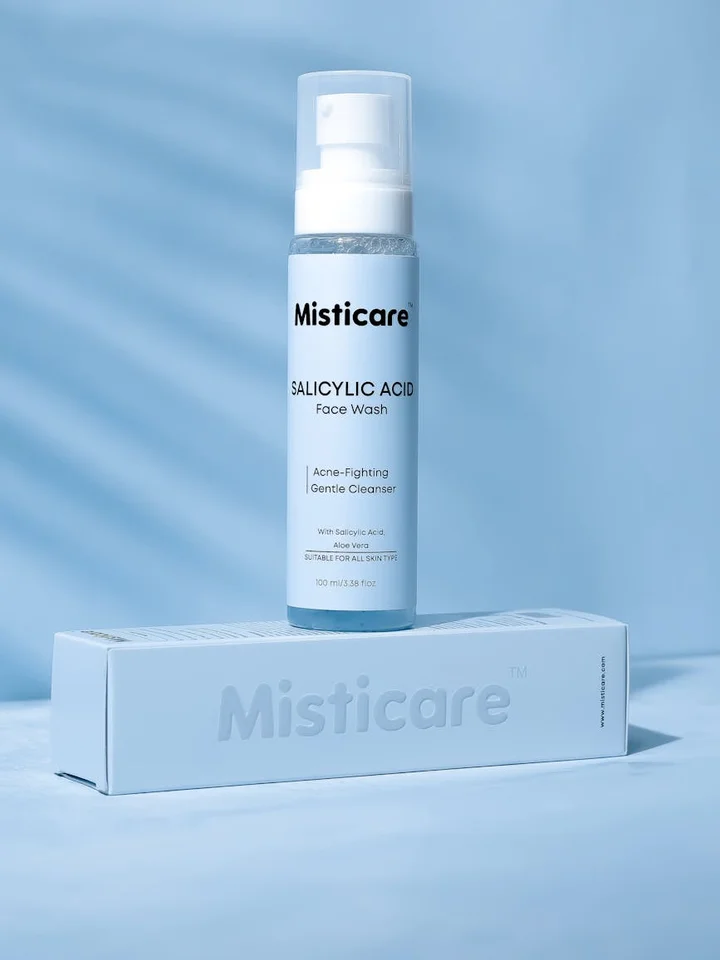
Think of acids like a skilled renovator for your skin. You wouldn’t ask them to work on a house that’s actively on fire or missing a wall. There are clear times when your skin needs a hard hat zone, not an acid. Understanding exfoliating properties and skin types helps you decide when to use them and which formulas to choose. Different skin types respond differently to acids, so matching the acid to your skin can keep the transformation safe and effective.
Here is your non-negotiable list for when to skip acids completely:
- Actively broken skin from cuts, scrapes, or wounds.
- A current sunburn or any sign of recent, significant sun damage.
- A visibly damaged moisture barrier. If your skin stings or burns when you apply even a gentle moisturizer or water, your barrier is compromised.
- Immediately after professional procedures like laser treatments, chemical peels, or dermabrasion. Always follow your provider’s aftercare plan.
- During pregnancy or breastfeeding, unless a doctor has specifically approved the ingredient for you. This is a crucial safety check.
When you hit one of these pause moments, switch your entire focus to repair. Your new best friends are ingredients that soothe and rebuild. Look for products rich in ceramides (the building blocks of your skin’s wall), colloidal oat extract (to calm the itch and fire), and panthenol (to deeply hydrate and support healing).
If your skin reacts with redness or stinging, it’s not proof that acids are thinning your skin; it’s a signal that your skin needs a different approach, a lower strength, or more support. My client Noah, with his reactive skin, taught me that starting with glycolic acid for sensitive skin just once a week, sandwiched between layers of a calming serum, made all the difference.
Building Your Acid-Friendly, Barrier-Supporting Routine
The secret to long-term acid success isn’t just the acid itself. It’s the supportive routine you build around it. You need both the renovator and the daily maintenance crew.
Let’s map out two evenings. The first is “Acid Night,” focused on active exfoliation. The second is “Recovery Night,” dedicated to nourishment and repair. Rotating nights like this prevents overdoing it.
Sample: Acid Night (1-3 times per week)
- Cleanse gently with a low-pH, non-stripping formula.
- Apply your acid treatment (e.g., a gentle AHA toner or a leave-on BHA serum) to dry skin.
- Wait 5-10 minutes for it to fully absorb and finish its work.
- Layer a hydrating serum with ingredients like hyaluronic acid.
- Seal everything in with a comforting moisturizer.
Sample: Recovery Night (on all other nights)
- Cleanse gently, as always.
- Apply a barrier-supporting serum packed with the ingredients listed below.
- Finish with a slightly richer moisturizer to lock in hydration overnight.
Your supporting ingredients act as a daily safety net for your skin barrier. Niacinamide is renowned for its skin barrier benefits, helping reinforce lipids and reduce water loss. Integrate them into your serums and moisturizers:
- Ceramides: These are the mortar between your skin cells. They actively repair and maintain your protective outer layer.
- Niacinamide: A multitasker that improves barrier function, reduces redness, and helps regulate oil. It’s perfect for all skin types, like Maya and Lina.
- Panthenol (Provitamin B5): A hydration superstar that draws water into the skin and soothes sensitivity.
- Centella Asiatica (Cica): A powerful anti-inflammatory that calms irritation and supports the skin’s natural healing process.
The absolute non-negotiable rule for using acids safely, every single day, is sunscreen. Acids work by revealing newer, fresher skin cells that have not yet built up a full defense. This makes them more susceptible to sun damage. Daily SPF 30 or higher is your essential protective gear. There are common myths about acids and sun sensitivity that are worth unpacking. Understanding the truth behind these acids sun sensitivity myths can help you use acids confidently and safely.
With patience and this balanced technique, acids are not a short-term trend. They can be a transformative and safe part of your skincare philosophy for life, helping your skin look and feel its resilient best. However, it’s essential to choose the right acid treatments for your skin type and concerns.
Your Acid Safety Questions, Answered

Can using acids long-term actually improve my skin’s thickness?
Yes, when used correctly. Consistent use of certain acids like glycolic acid can stimulate collagen production in the dermis, leading to a denser, more resilient skin structure over time.
How can I tell if my skin is thinning versus just irritated?
True thinning isn’t caused by acids. Irritation feels like temporary tightness or sensitivity, which signals a need to adjust frequency or add more barrier-supporting ingredients like ceramides.
Is it safe to use acids if I also use retinol or vitamin C?
Yes, but timing is key. Use them on alternating nights or at different times of day, and always monitor your skin’s response to prevent over-exfoliation and support barrier health.
Embracing Acids for Healthier Skin
Acids won’t thin your skin when you use them with care and consistency. Think of them like a skilled gardener tending to a garden—they remove the dead layers to let healthier skin thrive, without harming the roots below. For at-home use, safety guidelines matter to protect your skin and ensure consistent results. That careful approach sets the stage for safe, effective home acid peels in the steps to come.
- Select an acid matched to your goal: AHAs for surface glow, BHAs for clogged pores.
- Begin with a low concentration, applying it just once or twice weekly.
- Always layer a moisturizer after acids to soothe and reinforce your skin barrier.
- Apply a broad-spectrum sunscreen every morning without fail.
- Choose products from brands that are cruelty-free and environmentally mindful.
We’re dedicated to helping you navigate skin care with confidence and clarity. If you’re wondering how acids might work for someone like Maya or Noah, or if you have your own questions, our blog is filled with practical, sustainable guidance. Your trust means everything, and we’re here to support your skin health journey every step of the way.
Research and Related Sources
- Does Glycolic Acid Thin Skin? The Truth About Acid Exfoliants
- What Skin Care Acids Do You Need?
- Chemical Exfoliation Explained: AHAs vs. BHAs – SLMD Skincare by Sandra Lee, M.D. – Dr. Pimple Popper
- Are retinol and hydroxy acids thinning our skin? – Eudelo
- ph – How does acid damage skin? – Chemistry Stack Exchange
- 5 Face Acids You Need to Add in Your Skin Care Routine | Neutrogena®
- Face Acids: Types, Benefits, and How to Choose the Best One
- Acids in Skin Care – Are Acids Safe? – Organic Apoteke
- The 10 Best Acids for Your Skincare Routine – Minimalist
- Does Salicylic Acid Thin the Skin ?
Lucy is an expert author and blogger when it comes to skin care and body care. She has first hand expertise acting as skin care consultant for over 5+ years helping her clients achieve smooth blemish free skin with natural and working remedies. She also has been an avid experimenter and tried out all the natural and artificial remedies and treatments so you can learn from her first hand experience. Additionally, she has traveled to many countries around the world and incorporated the skin care routines she has learnt into this blog. So, wait no more, reach out to Lucy if you have any specific needs and follow her blog, LuciDerma for expert skin care advice.