
Hyaluronic Acid in Dry Climates: Your Guide to Smart Hydration
If you’re worried that hyaluronic acid might pull precious moisture from your skin when the air is dry, I hear you-clients like thoughtful Noah ask me this all the time.
This article will give you clear, actionable steps so you can use this ingredient with confidence.
- The simple chemistry of how hyaluronic acid attracts and holds water in your skin.
- Why the idea that it dehydrates you in dry air is a common misunderstanding.
- My esthetician-approved method for applying it to seal in moisture, no matter your climate.
You have everything you need to make hyaluronic acid work beautifully for your skin.
The Short Answer: It’s a Myth (If You Use It Right)
Hyaluronic acid itself does not dehydrate your skin. Any dryness comes from how it is applied, not the ingredient, especially when confused with sodium hyaluronate.
This myth is a classic case of misunderstanding humectants. A humectant’s job is to attract water. If the air around you is dry, and your skin is dry, a humectant with nothing to pull from might grab moisture from deeper in your skin. It’s not evil, it’s just doing its job with the wrong resources.
Imagine hyaluronic acid is a thirsty sponge. A sponge needs water to become useful. If you put a dry sponge on a dry surface, it just sits there. But if you dampen the sponge first, it can hold that water and release it where you need it. For hyaluronic acid to hydrate, it needs access to water, either from your damp skin or the moisturizer or serum you layer over it.
I remember when Noah, with his dry, reactive skin, told me his HA serum made his cheeks feel tight in the winter. We fixed it by changing when he applied it. The serum wasn’t the problem, the method was.
Let’s walk through exactly how to make it work for you.
Hyaluronic Acid 101: Your Skin’s Natural Sponge
Hyaluronic acid (HA) is a humectant, a type of molecule your body makes that loves to bind with water. Think of it as your skin’s built-in hydration reservoir. While it’s great to have in your skin naturally, you can also enhance its effects by using a hyaluronic acid serum.
Its primary function is to hold moisture. A single gram of HA can hold up to six liters of water, which is where the “1000x its weight” idea comes from. This binding action plumps the skin, temporarily smoothing the look of fine lines and giving a healthy, supple feel.
HA comes in different sizes, called molecular weights. This size changes where it works on your skin. High molecular weight HA is a larger molecule that stays on the skin’s surface, creating a hydrating film and instant smoothness. Low molecular weight HA is smaller and can sink a bit deeper into the top layers of skin, providing more sustained hydration support from within.
In practice, my client Lina, with her combination skin, uses a serum that has both. The high molecular weight HA calms the dry areas on her cheeks, while the low molecular weight version helps manage oil production in her T-zone by ensuring her skin is properly hydrated and doesn’t overcompensate with oil.
Here is a basic breakdown of this powerhouse molecule:
| Property | Detail |
|---|---|
| Typical pH | Around 7 (neutral, matches skin’s natural balance) |
| Common Concentration | 0.1% to 2% in serums and creams |
| Solubility | Water-soluble, so it blends perfectly into watery serums and gels |
| Safety | Excellent, it is generally non-irritating and suitable for all skin types, even sensitive skin |
While HA is famously gentle, I always suggest a patch test behind your ear for 24 hours if you have reactive skin like Noah’s. It’s a simple step for confidence.
How Humidity (or Lack of It) Changes the Game
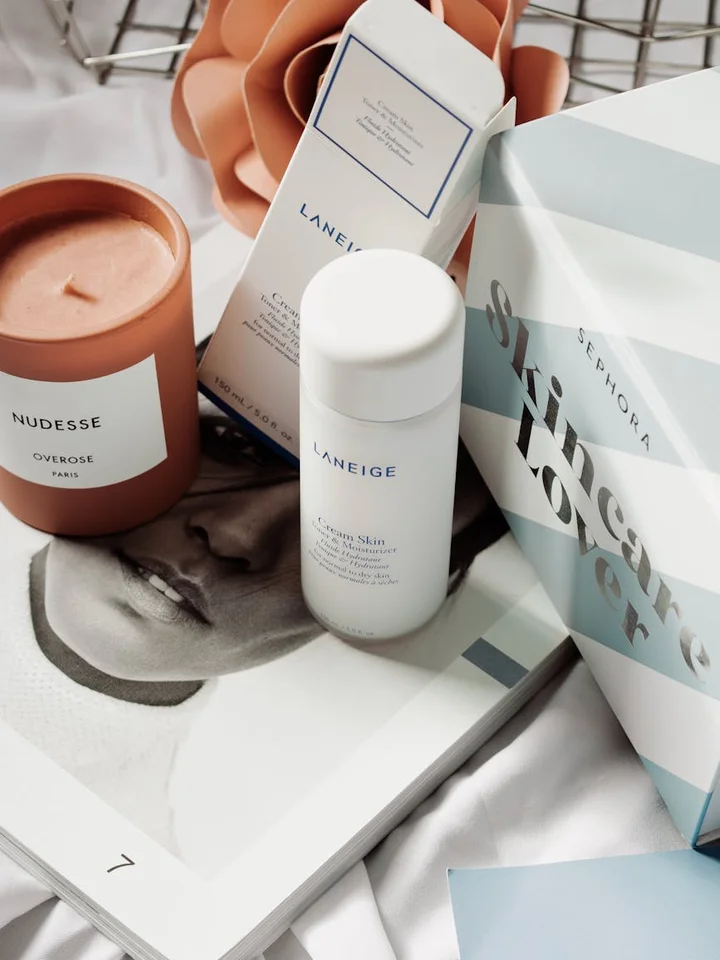
Think of a humectant like hyaluronic acid as a very thirsty sponge. Its only job is to grab and hold onto water. This sponge will pull moisture from the nearest available source, and that’s where your environment becomes the key player.
In a humid bathroom or a tropical climate, the air is packed with water vapor. Your hyaluronic acid serum happily pulls that moisture from the air and deposits it onto your skin’s surface. It’s like having a helpful friend who brings you a glass of water.
Now, picture a dry, desert-like climate or a room with the heater blasting. The air is parched. If you apply hyaluronic acid to skin that’s already dry on the surface, that thirsty sponge has only one place to look for water: the deeper layers of your skin. It can potentially pull that water up to the surface, where it then evaporates into the dry air.
This potential backfire is the entire foundation of the dehydration myth-it’s not that HA is bad, it’s that we need to use it smarter by controlling the context. The molecule itself is innocent; it’s just doing its job. We need to do ours by giving it the right conditions to work for us, not against us.
The Real Reasons People Feel Dryness from HA
If your skin feels tighter or drier after using hyaluronic acid, the acid itself is rarely the villain. Usually, it’s one of these common application missteps, or the quality of the hyaluronic acid itself.
- Applying to a Desert-Dry Face: Putting HA onto bone-dry skin is like asking that sponge to work without giving it any water first. It has nothing to pull from the surface, so it may look deeper.
- Skipping the Sealant: Using hyaluronic acid alone, especially in dry air, is like pouring water into a cup with a huge hole. You need a moisturizer (like a cream or oil) on top to “seal” or “occlude” that drawn-in water, preventing evaporation.
- Relying on Only One Type: Many formulas use only high-molecular-weight HA. These molecules are larger and sit on the skin’s surface, which is great for immediate plumping. For lasting hydration, a formula that also contains low-molecular-weight HA can penetrate deeper and work in more layers of the skin.
It also helps to clarify your skin’s complaint. “Dryness” typically means your skin lacks oil. “Dehydration” means it lacks water. You can have oily, dehydrated skin. HA addresses dehydration. If you feel flaky and tight, you might need both hydration *and* moisturization.
Finally, always glance at the full ingredient list. The drying culprit might be denatured alcohol, certain astringents, or fragrances in the formula, not the hyaluronic acid.
I saw this firsthand with my client, Noah. He has dry, reactive skin and moved to a very arid climate. He told me his new HA serum made his cheeks feel like parchment by midday. We looked at his routine: he was applying it after towel-drying his face and before his moisturizer had fully sunk in.
The fix was simple: we changed the order and added a damp layer. Now, he applies his toner to damp skin, then immediately applies his HA serum while his face is still slightly moist, and finally locks it all in with a rich, fragrance-free cream. The “dehydrating” effect vanished completely. The HA was never the problem; it just needed the right team and strategy around it.
Your Desert-Proof Hyaluronic Acid Routine
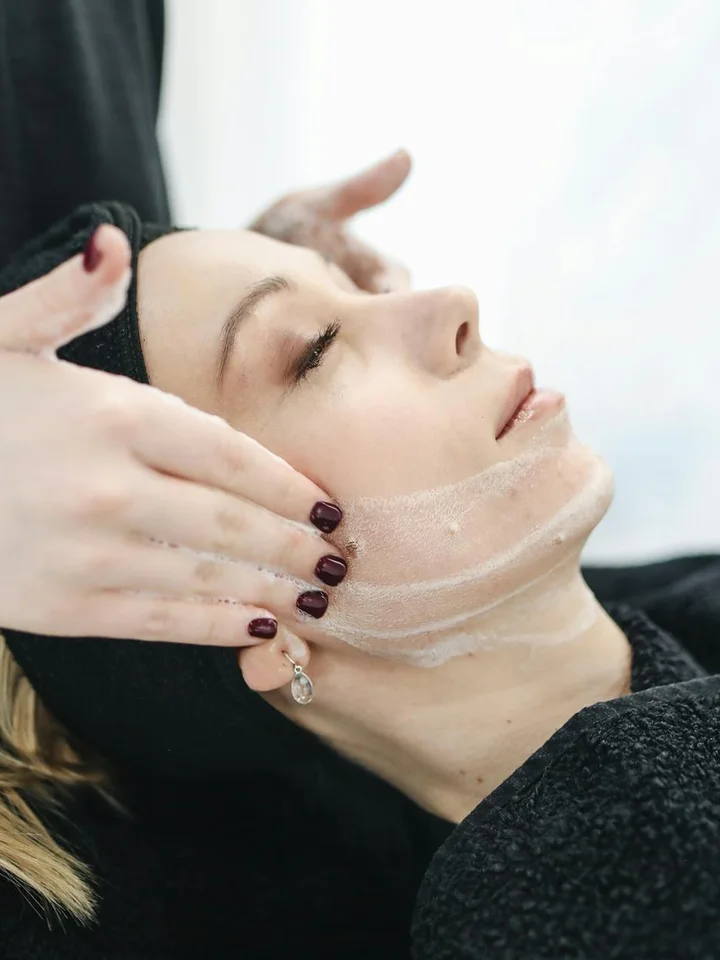
Using hyaluronic acid in the desert is all about technique. Think of your skin like a thirsty sponge. If you put a thick moisturizer on a dry sponge, it just sits on top. But if you soak the sponge first, it can hold that moisture inside. That’s our goal. Try a thin layer of hyaluronic acid serum first. That’s the start of hyaluronic acid serum layering, followed by your moisturizer to lock it in.
Follow this three-step method. I call it the “Sandwich Method” with my clients, and it’s the key to making HA work for you, not against you.
- Cleanse with a gentle, non-stripping formula. Your first job is to prepare the canvas without damaging your skin barrier. I recommend a creamy, non-foaming cleanser or a gentle micellar water. For my client Noah, who has dry and reactive skin, this step is non-negotiable. Stripping the skin sets you up for failure before you even start.
- Apply HA to damp, almost wet skin. This is the most critical step. Do not let your face dry. Immediately after cleansing, pat your skin gently so it’s no longer dripping, but is visibly dewy. Then, apply your hyaluronic acid serum. If your skin feels like it’s drying, spritz it with a face mist or even a little tap water first. The HA needs this water to grab onto and pull into your skin.
- Seal it in with a moisturizer or oil. While your skin is still damp from the serum, apply your moisturizing cream or a few drops of face oil. This final layer acts like a lid on a pot, trapping all that hydration underneath so it can’t evaporate into the dry air.
The Sandwich Method-damp skin, HA, then moisturizer-turns HA from a potential desert thief into a hydration hero.
Formulation Pro-Tip
Not all HA is created equal, especially when humidity is low. Look for products that list “sodium hyaluronate cross-polymer,” “hydrolyzed hyaluronic acid,” or mention “multiple molecular weights.”
These are different sizes of HA molecules. Imagine a multi-level water park. Larger molecules hydrate the surface, while tiny ones dive deep. Together, they create a resilient, layered hydration network that’s harder for dry air to steal from. This is a smart formulation choice for any climate, but it’s particularly helpful when you’re fighting low humidity.
What to Look For (and Avoid) in an HA Product
Navigating the serum aisle can be overwhelming. Let’s simplify your search with a clear checklist.
Look for these supportive ingredients and features:
- Multi-weight HA complexes. As noted above, this layered approach provides more comprehensive hydration.
- Partners like glycerin, amino acids, or panthenol. These are “humectants” like HA, but they work slightly differently. Glycerin is a powerhouse at holding water. Having them in the same formula creates a team effort for hydration, so the HA isn’t working alone.
- Textures that fit your routine. A lightweight, watery serum (like the one my client Maya prefers) is perfect for layering under other treatments and moisturizers. A creamy HA gel can be a great all-in-one hydrator for normal to oily skin, or for a minimalist routine.
Avoid these potential troublemakers:
- High concentrations of drying alcohols (like SD alcohol 40 or denatured alcohol) near the top of the ingredient list. They can disrupt your skin barrier, which is the last thing you need in a dry climate.
- Heavy fragrances or essential oils, especially if you have sensitive or reactive skin like Noah. They offer no hydration benefit and can cause irritation, making dryness and tightness feel worse.
Finally, even though HA is generally gentle, always patch test a new product. Apply a small amount behind your ear or on your inner forearm for a few nights. Your skin’s comfort is the ultimate test, no matter how good the ingredient list looks. My client Lina, with her combination sensitive skin, never skips this step, and it saves her from unexpected reactions.
Friendly Alternatives if HA Isn’t Your Match
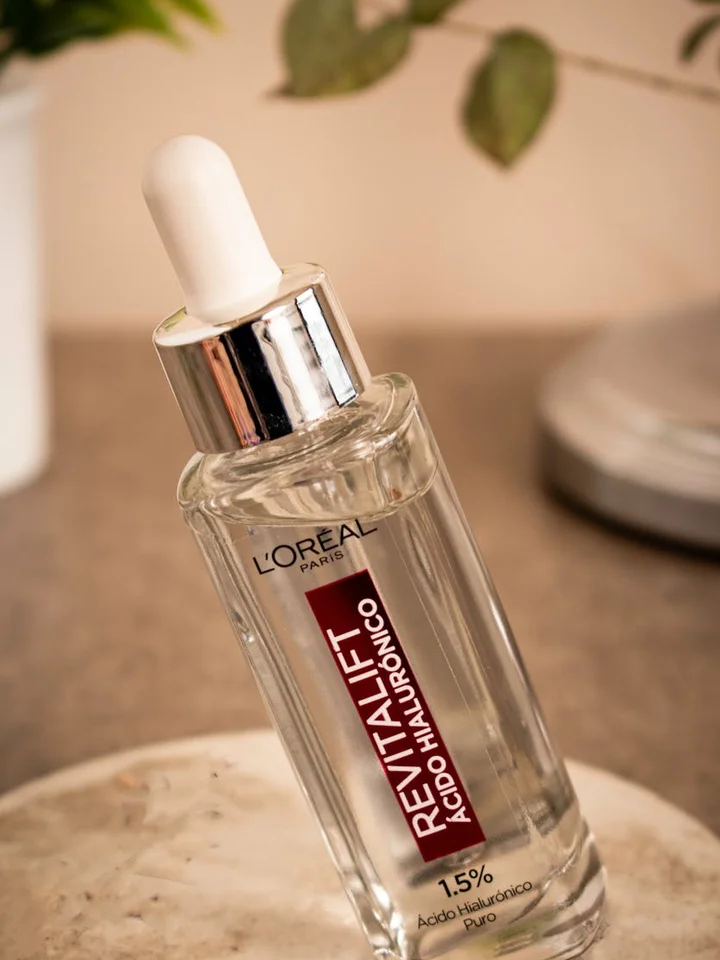
If you’ve tried the damp skin method and HA still leaves your skin feeling tight or thirsty, you are not doing anything wrong. It simply means your skin is asking for a different type of hydration. I see this often with clients like Noah, whose dry, reactive skin sometimes prefers a more predictable humectant.
Your skin’s hydration toolbox has many options, and hyaluronic acid is just one of them.
Gentle, Predictable Humectants
These ingredients attract water like HA does, but they can be less sensitive to wildly dry air. They are excellent team players in moisturizers and serums.
- Glycerin: This is a classic for good reason. It’s a superstar in dry climates because it can pull moisture from the deeper layers of your skin (the dermis) as well as from the air. Think of it as having a more reliable water source. It’s incredibly gentle and a safe bet for sensitive skin.
- Sodium PCA: This is a component of your skin’s own natural moisturizing factor. It’s a powerful humectant that works well at low humidity levels, helping your skin hold onto its own water.
- Honey (or its derivative, Propolis): A natural humectant that also soothes and provides antioxidants. It’s a wonderful, skin-friendly option that feels nourishing.
- Betaine: Often derived from sugar beets, this ingredient helps hydration by balancing water levels within skin cells. It’s very calming and protects against irritation.
When you’re shopping, look for these names on ingredient lists. A serum with glycerin and betaine can be a beautiful, simple switch for someone who found HA finicky.
Seal the Deal with Barrier Repair
Humectants are about drawing water in. But in a dry climate, you must also focus on preventing that precious water from escaping. This is where barrier-repair ingredients become non-negotiable.
Ingredients like ceramides, cholesterol, and fatty acids act like the mortar between your skin’s bricks, creating a seal that locks hydration in.
If humectants are the water, these lipids are the watertight bottle. For skin that constantly feels dehydrated, using a moisturizer rich in these components can be more transformative than any serum alone. My client Lina, with her combination but sensitive skin, found that a ceramide-rich cream on her drier cheeks made her entire routine more effective.
Learning Your Skin’s Language
Rotating or changing ingredients isn’t a sign of failure. It’s a sign you’re listening. Your skin’s needs can change with seasons, stress, or life stages.
I often remind my clients that building a routine is a conversation. You try something, you observe how your skin responds over a few weeks, and you adjust. Maybe glycerin is your summer humectant and a ceramide cream is your winter must-have. This process is how you become the true expert on your own skin.
Your Hyaluronic Acid in Dry Climates, Answered
Why is hyaluronic acid so misunderstood in dry climates?
The myth stems from a simple case of context. Hyaluronic acid is a humectant that will seek water from the nearest source; without a damp surface or a sealing moisturizer in arid air, it can pull moisture from within the skin instead of the environment.
What exactly do humectants do in my skincare routine?
Humectants like hyaluronic acid are moisture magnets that attract and bind water to your skin’s surface. Their primary job is to manage hydration levels, which is why pairing them with a moisturizer to seal in that water is the key to their success.
Is there research supporting HA’s use in low humidity?
Yes, scientific studies confirm HA’s hydrating efficacy is maintained in low humidity when applied correctly. The critical factor shown in research is the immediate application of an occlusive moisturizer over HA to prevent transepidermal water loss, making the “sandwich method” a proven technique.
Final Thoughts on Hyaluronic Acid and Humidity
Hyaluronic acid won’t dehydrate your skin, but using it on a dry canvas in dry air can leave it wanting more. The key is to always give it a drink of water first, then seal everything in. This is especially important when you are using other active ingredients, such as adapalene with hyaluronic acid.
- Apply your hyaluronic acid serum to slightly damp skin, right after cleansing or using a facial mist.
- In arid climates, always follow with a moisturizer or face oil containing occlusive ingredients to lock hydration in.
- Think of your serum as a sponge and your moisturizer as the wrap that keeps it from drying out.
If you’re ever unsure, come back to this post or send me a question. We’re here to help you navigate your skin’s needs, just like I do with clients like Maya and Noah every day. Your skin is smart, and with the right, gentle techniques, you can support it beautifully in any environment.
References & External Links
- r/AsianBeauty on Reddit: Hyaluronic acid and dry climates
- How to Use Hyaluronic Acid in Arid, Dry Weather: The Ultimate Guide
- Can Hyaluronic Acid Dry Your Skin? – Timeless Skin Care
- Skincare for Dry Climates. What it means and why it’s important. – The Potion Cosmetics Inc
- Can I use skincare products with humectants in a dry climate? For example, if the humidity is 0% on a certain day, can it dry out my skin? – Quora
Lucy Zimmerman
Lucy is an expert author and blogger when it comes to skin care and body care. She has first hand expertise acting as skin care consultant for over 5+ years helping her clients achieve smooth blemish free skin with natural and working remedies. She also has been an avid experimenter and tried out all the natural and artificial remedies and treatments so you can learn from her first hand experience. Additionally, she has traveled to many countries around the world and incorporated the skin care routines she has learnt into this blog. So, wait no more, reach out to Lucy if you have any specific needs and follow her blog, LuciDerma for expert skin care advice.