
Mugwort or Centella: Your Practical Guide to Calming Rosacea and Sensitive Skin
If you have rosacea or skin that reacts to everything, comparing Mugwort and Centella isn’t just trendy-it’s a smart move toward real comfort.
Reading this will help you:
- See how Mugwort cools acute redness and Centella mends your skin barrier, so you can pick the ingredient that targets your main concern.
- Learn to read product labels for these botanicals, empowering you to build a routine that actually soothes.
- Get my clear, clinic-tested steps for testing new products, giving you confidence to try them without fear of a flare-up.
Let’s find your skin’s new favorite calm together.
First, Understand Your Skin: Rosacea and Extreme Sensitivity Explained
If your skin often feels like it’s on fire, you’re not imagining it. Rosacea and extreme sensitivity are both real, and they can feel overwhelming. Let’s break them down so you know exactly what you’re dealing with.
Rosacea often shows up as a persistent blush that won’t fade, usually across your cheeks, nose, and forehead. You might see tiny, pimple-like bumps or visible thread-like blood vessels. For many, flare-ups bring intense flushing or stinging after a hot shower, a spicy meal, or a stressful day. Some people explore azelaic acid rosacea redness as a gentle option to calm the skin. When used as directed, azelaic acid can help reduce redness and surface bumps over time.
Extreme sensitivity is different from simply having “sensitive” skin. It’s when even the gentlest, fragrance-free moisturizer can cause immediate stinging, burning, or redness. Your skin reacts sharply to things it should tolerate, like wind, tap water, or mild lotions. Brightening ingredients can irritate sensitive skin, so patch testing and gentler formulations are essential. If you’re exploring brightening options, look for products labeled for sensitive skin.
Think of your skin’s barrier like a brick wall. When it’s healthy, the bricks (skin cells) are held tightly together with strong mortar (lipids). This wall keeps moisture in and irritants out. With rosacea and extreme sensitivity, that wall is cracked and crumbling. Irritants slip in easily, causing inflammation, and moisture escapes, leaving skin dry and vulnerable. Formulating for rosacea-prone skin requires focusing on barrier-supporting, gentle ingredients. This approach helps rebuild the wall, reduce inflammation, and lock moisture in.
Common triggers can spark a reaction:
- Environmental: Sun, wind, heat, and cold.
- Lifestyle: Spicy food, hot drinks, alcohol, and stress.
- Skincare: Fragrance, alcohol, essential oils, physical scrubs, and strong acids.
Both conditions share a core issue: a weakened skin barrier and an overactive inflammatory response. Calming that inflammation and repairing the barrier is the primary goal, which is where our two botanical stars come in.
Mugwort vs. Centella: Getting to Know These Soothing Stars
First, a quick note on names. You might see ‘Artemisia’ on an ingredient list and wonder how it fits. Artemisia is simply the plant genus name for mugwort. So when we talk about mugwort vs. centella vs. artemisia, mugwort and artemisia are the same thing. Now, let’s meet our plants.
Mugwort (Artemisia Vulgaris): The Itchy-Skin Soother
Mugwort is a resilient herb used for centuries in traditional medicine. In skincare, we value it for its impressive anti-inflammatory and antioxidant compounds, like flavonoids and chlorogenic acid.
I think of mugwort as a brilliant “cooling agent” for skin that feels hot, itchy, and irritated. My client Lina, who has combination and sensitive skin, finds it perfect for calming the occasional red, itchy patch on her cheeks without aggravating her oilier T-zone. It’s like applying a chilled, green tea compress to your face.
Mugwort excels at providing immediate, calming relief for surface-level redness and itchiness, making it a fantastic first-response ingredient.
Centella Asiatica (Cica): The Master Healer
Centella, often called “Cica” or “Tiger Grass,” is legendary in wound healing. Its power comes from unique compounds called centelloids, mainly asiaticoside and madecassoside, which directly support your skin’s repair processes, especially for sun-damaged skin.
If mugwort is the cooling compress, centella is the skilled construction crew for your cracked brick wall. It doesn’t just calm redness; it actively instructs your skin to produce more collagen and strengthen its own barrier. My client Noah, with his dry, reactive skin, relies on a centella serum because it helps his skin feel more resilient and less likely to react to every little change in his environment.
Centella is your go-to for long-term barrier repair and healing, working deeply to make your skin stronger from the inside out.
Both of these powerhouses are cruelty-free and plant-derived, championing the gentle, effective ethos of K-beauty and modern skincare. They’re typically extracted using water or gentle solvents to pull the beneficial compounds into the formulas you use. The extraction method matters less for you as a consumer than finding a product with a high concentration of the good stuff, listed near the top of the ingredient list.
How Mugwort Works to Calm Inflamed Skin
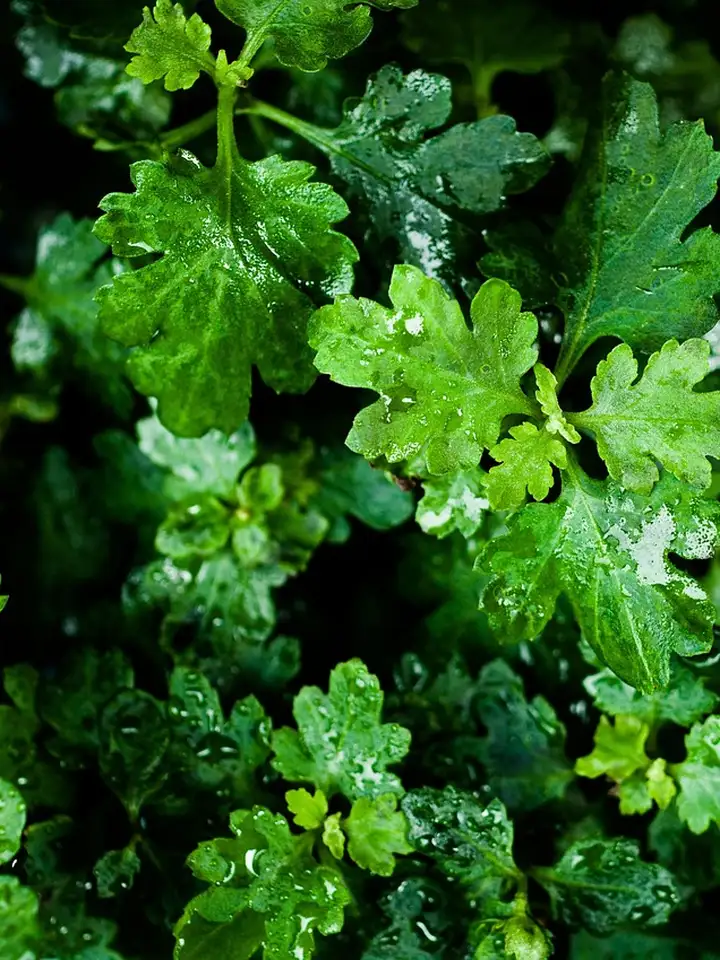
Mugwort, or Artemisia, acts like a cool, damp cloth for your skin’s internal fire. It targets the specific molecules, called cytokines, that send the “get red and swollen” signals throughout your skin. By quieting these signals, it helps reduce the visible flare before it can fully take hold.
Beyond inflammation, mugwort is a powerful antioxidant, meaning it neutralizes the free radicals that come from pollution or UV exposure before they can trigger more sensitivity. Think of antioxidants as sponges that soak up these irritating particles.
For those with acne-prone skin like my client Maya, there’s another layer. Mugwort has shown promise in helping balance the skin’s microbiome. An unbalanced microbiome can let unhelpful bacteria thrive, worsening breakouts. When Maya has a stress flare-up, a mugwort essence is her first line of defense. It calms the initial redness and seems to prevent the small, angry bumps she used to get along her jawline from turning into full-blown cysts.
This dual action makes it a standout for rosacea and extreme sensitivity. It doesn’t just mask the flush. It intervenes in the biological process that causes it, providing a sense of deep, lasting calm for skin that feels constantly on alert.
How Centella Asiatica Supports Barrier Repair and Healing
If mugwort is the emergency responder, centella asiatica (also called cica or tiger grass) is the skilled construction crew that rebuilds. Its key compounds, madecassoside and asiaticoside, directly tell your skin to produce more collagen and accelerate wound healing. This is vital for skin damaged by picking, severe dryness, or chronic irritation.
Centella’s most celebrated talent is reinforcing your skin’s barrier by encouraging the production of ceramides, the fatty “mortar” that holds your skin cells together. Different ceramide types in the skin barrier play distinct roles in locking in moisture and fending off irritants. Understanding these ceramide types helps explain how Centella supports barrier function. A strong barrier keeps moisture in and irritants out, which is the ultimate goal for reactive skin.
It has anti-inflammatory properties too, but its genius is in its holistic repair. My client Noah, with his dry, reactive skin, saw a turning point with a centella-based cream. His skin stopped feeling like a tight, itchy mask and began to feel resilient. Where before a harsh wind would leave him red for hours, his skin now bounces back quickly because its protective shield is stronger.
This makes centella exceptional for dealing with the aftermath of inflammation, like the stubborn red or purple marks left after a pimple heals (post-inflammatory erythema). It helps the skin repair itself from the inside out, fading those marks by genuinely healing the skin, not just camouflaging the discoloration. This aligns with green tea centella asiatica anti inflammatory approaches that emphasize calm, healed skin.
Mugwort vs. Centella: Choosing the Right One for Your Skin
Think of these two powerhouses as different types of first responders for your skin. Mugwort is the emergency coolant for a flare up. Centella is the skilled repair crew that rebuilds damaged structures. Your choice depends on what your skin is shouting for right now.
Direct Comparison: Mugwort vs. Centella
| Skin Concern | Mugwort (Artemisia) | Centella (Cica) |
|---|---|---|
| Rosacea & Redness | Excellent for immediate cooling and calming a hot, angry flush. It’s your fast-acting soother. | Superior for long-term barrier repair and strengthening skin to prevent redness triggers. |
| Acne | Best for oily, inflamed pimples. It helps quell the swelling and pain of active breakouts. | Best for healing post-acne marks, scars, and the lingering redness after a pimple is gone. |
| General Sensitivity | Soothes reactions to heat, pollution, or product overload with a noticeable cooling sensation. | Fortifies fragile skin from within by stimulating collagen and supporting a healthy moisture barrier. |
For rosacea, mugwort often provides the faster sensation of relief from a flare, while centella works diligently in the background to make your skin more resilient over time. In the next steps, we’ll explore how combining centella asiatica actives with complementary ingredients can boost long-term resilience. My client Noah, with his dry, reactive skin, found a centella-infused cream was his turning point for reducing daily background redness after a few weeks of consistent use.
When debating mugwort vs centella for acne, picture a painful, under-the-surface bump. Mugwort’s anti-inflammatory action can help take the fire out of it. Once that spot heals, centella’s compounds work to fade the scar and repair the damaged tissue. Maya, who deals with oily, acne-prone skin, keeps a mugwort toner in her fridge for those times a cyst starts to throb.
In the general centella vs mugwort for skin discussion, the distinction is clear. Mugwort is your immediate cooling ally against inflammation. Centella is your repair and hydration specialist. On community forums (the ‘mugwort vs centella reddit’ discussions), you’ll often see people with heat-reactive skin swear by mugwort’s instant calming feel, while those healing damaged barriers or eczema praise centella’s transformative, soothing properties.
Choose mugwort if your skin is oily, combination, or tends to react with heat and immediate redness. It’s like a tall glass of iced water for a hot face. Choose centella if your skin is dry, damaged, easily irritated, or in need of serious barrier repair. It’s like a nutrient-rich soup that helps you recover from the inside out.
Step-by-Step: Incorporating Mugwort or Centella into Your Gentle Routine
Introducing any new ingredient, even a soothing one, requires a gentle approach. Your skin’s tolerance is the top priority.
Step 1: The Non-Negotiable Patch Test
Apply a small amount of the product behind your ear or on your inner forearm. Wait 48 hours. This simple step is the best way to prevent a full-face reaction to an ingredient that might not agree with you personally.
Step 2: Picking Your Product Form
Not all products are created equal, and the formulation matters.
- For Mugwort: Look for it in lightweight, watery formulas like toners, essences, or serums. These allow its cooling properties to spread easily and absorb quickly without heaviness.
- For Centella: It excels in slightly more substantial formats like serums, ampoules, gels, and creams. These forms help it remain on the skin longer to support repair and hydration.
Step 3: Building a Sample Routine
Here is a simple way to slot one into your existing regimen. Remember, start with just one new product.
AM Routine with Centella (for daily protection):
- Gentle Cleanser
- Centella Serum (apply to damp skin)
- Moisturizer
- Sunscreen (your most crucial step)
PM Routine with Mugwort (for evening calm):
- Oil Cleanser
- Gentle Water-Based Cleanser
- Mugwort Toner (patted in with hands or a soft cotton pad)
- Your regular moisturizer
You could also use a mugwort wash-off mask once or twice a week after cleansing for an intense soothing session.
Step 4: How to Incorporate Both (If You Want To)
If your skin responds well to both, you can use them together or on alternate days. My general rule is to layer for function: centella first for barrier support, followed by mugwort for targeted soothing. For example, apply a centella serum, then use a mugwort toner-soaked cotton pad only on areas of redness or heat.
Alternatively, Lina, with her combination skin, uses a centella serum all over in the morning. At night, she uses her mugwort toner only on her oilier, more reactive T-zone.
Step 5: Go Slow and Simplify
Introduce one new mugwort or centella product at a time. Start by using it twice a week, then gradually increase frequency as your skin shows it’s happy.
When adding these soothing botanicals, I advise taking a break from other potent actives like retinoids, vitamin C, or strong acids for at least the first two weeks. This gives your skin a chance to acclimate without the risk of overload, letting you truly gauge the benefits of the new ingredient.
Important Warnings and When to Call a Professional
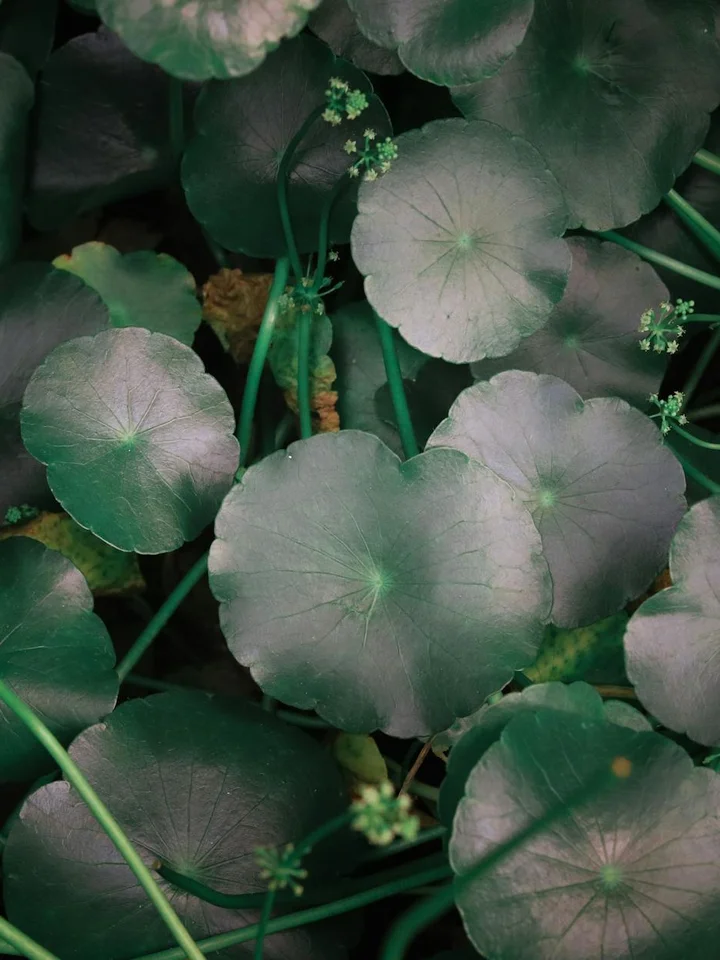
I love these plants, but they aren’t magic cures for everyone. Think of them as supportive friends for your skin barrier, not replacements for medical care. Using them safely means knowing when to pause and when to seek help.
Contraindications & Safety Warnings
Even gentle ingredients need a cautious approach. My client Noah, with his reactive skin, is always my guide here. He reminds me to check every detail.
- If you are pregnant, trying to conceive, or breastfeeding, please avoid mugwort. There isn’t enough safety data for its topical use during these times, so it’s best to skip it entirely. Centella asiatica is generally considered the safer botanical choice in this case, but always check with your doctor first.
- Be cautious if you have known allergies to plants in the Asteraceae/Compositae family (like ragweed, chrysanthemums, or chamomile). Mugwort is part of this family. A patch test is non-negotiable.
- Do not apply these products to broken skin, open wounds, or actively weeping eczema patches. The goal is to soothe, and applying anything to compromised skin can introduce irritants or cause a sting.
- Always scan the ingredient list for fragrance, essential oils, or denatured alcohol. A product can contain a beautiful centella extract but then load it with lavender oil, which is a common irritant for rosacea. This defeats the entire purpose.
- Your skin gets the final vote. If you notice increased redness, itching, a rash, or any new discomfort after introducing a product, stop using it. This is your skin saying, “This isn’t for me right now.”
When to See a Dermatologist
Skincare is a team sport, and sometimes you need to pass the ball to a professional. I’ve worked with many clients whose skin improved dramatically once we combined careful product choices with a dermatologist’s plan.
- See a dermatologist if you have deep, painful, or persistent acne cysts that don’t respond to over-the-counter care. The same goes for severe, frequent flushing that disrupts your day.
- If you experience gritty, dry, irritated eyes alongside facial redness, this could be ocular rosacea. This requires specific medical treatment to protect your eye health.
- Getting a professional diagnosis is the smartest first step if you’re unsure what you’re dealing with. What looks like sensitive skin could be contact dermatitis. What seems like rosacea could be another condition. Self-treating the wrong issue can make it worse.
- Botanicals like mugwort and centella can be excellent supportive players, but the main treatment for conditions like papulopustular rosacea might be a prescription like ivermectin or azelaic acid. A derm can build a layered approach.
- Extreme, unexplained sensitivity often has a root cause. A dermatologist can perform patch testing to identify specific allergens, turning a frustrating guessing game into a clear action plan.
Your Questions on Mugwort and Centella, Answered
Is there a difference between Mugwort and Artemisia in skincare?
No, they are the same plant. ‘Artemisia’ is the scientific genus name for mugwort, so you’ll often see them used interchangeably on ingredient lists.
I have acne-prone skin. Should I use Mugwort or Centella?
It depends on the stage of your breakout. Reach for Mugwort to calm the active inflammation and swelling of a new pimple. Use Centella to support your skin’s healing process and fade the post-acne marks left behind.
What’s the real-world difference I might feel when using them?
Mugwort often provides a noticeable, immediate cooling sensation on hot, reactive skin. Centella works more subtly over time, with users reporting their skin feels fundamentally stronger, more resilient, and less prone to reacting.
Finding Your Skin’s Soothing Partner
In my work with clients like Noah and Lina, I’ve learned that the choice between mugwort and centella isn’t about finding a winner, but about finding the right tool for your skin’s current moment. For calming immediate redness and that hot, tight feeling, I often recommend mugwort; for patiently repairing a delicate barrier and building long-term resilience, centella is the foundation I trust.
- Patch test everything. Apply a small amount of any new product, even a gentle botanical, behind your ear or on your inner arm for 24 hours before using it on your face.
- Keep a mugwort mist in the fridge for instant relief when your skin feels flushed or irritated.
- Use a centella serum or cream consistently in your morning or evening routine to strengthen your skin’s protective layer over time.
- Prioritize products that are clearly labeled cruelty-free and use ethically sourced ingredients-your skin and our planet will thank you.
- Introduce only one new product at a time and give it at least two weeks before assessing its effect.
Caring for reactive skin requires patience and a bit of detective work, and you don’t have to do it alone. My goal here at LuciDerma is to be a reliable resource for you, offering the same thoughtful, evidence-minded guidance I give in my clinic. If you have more questions about your specific routine, I’m always here to help you navigate it.
References & External Links
- r/AsianBeauty on Reddit: Experiences using centella with rosacea?
- r/AsianBeauty on Reddit: Centella vs Mugwort for calming inflamed cystic acne
- r/AsianBeauty on Reddit: If you have to pick between mugwort, propolis or centella.. which would you choose?
- r/AsianBeauty on Reddit: Heartleaf v Mugwort v Centella v Calendula
- r/AsianBeauty on Reddit: Mugwort vs. Centella Asiatica. Which one is superior?
- Better than Centella Asiatica? Best MUGWORT products 2024 …
- Mugwort: The Powerhouse Ingredient to Add to Your Skincare Routine – 100% PURE
- r/Rosacea on Reddit: Do mugwort/artemisia products help with roseacea?
Lucy Zimmerman
Lucy is an expert author and blogger when it comes to skin care and body care. She has first hand expertise acting as skin care consultant for over 5+ years helping her clients achieve smooth blemish free skin with natural and working remedies. She also has been an avid experimenter and tried out all the natural and artificial remedies and treatments so you can learn from her first hand experience. Additionally, she has traveled to many countries around the world and incorporated the skin care routines she has learnt into this blog. So, wait no more, reach out to Lucy if you have any specific needs and follow her blog, LuciDerma for expert skin care advice.