
Keep Your Natural Skincare Potent: A Practical Guide to Preserving Botanical Extracts
Worried your precious rosehip oil might spoil or that vibrant turmeric mask could fade? I’ve seen this concern in my clinic, and I’m here to show you how simple preservation can be.
This guide will help you:
- Stop spoilage before it starts, keeping your creations safe and stable.
- Understand what causes discoloration and how to maintain your product’s true color.
- Lock in the full power of plant extracts so every drop delivers its promised benefit to your skin.
You’re about to gain the confidence to make your natural skincare both effective and enduring.
What Causes Natural Extracts to Spoil or Lose Their Power?
Think of a potent botanical extract as a fresh-cut apple. Left on the counter, it turns brown, loses its crispness, and eventually grows fuzz. Your skin care ingredients face similar threats. Four main enemies-microbes, oxygen, light, and heat-work to break down the delicate, active compounds that give an extract its “potency,” or its strength and beneficial power. Protecting these assets is what separates a stable, effective formula from one that’s ineffective or, worse, unsafe.
Microbial Growth: The Unseen Invader
Water is life, and that includes microbial life. Any formula containing water-like a toner, serum, or cream-is a potential feast for bacteria, yeast, and mold. These microbes are invisible at first, but they can multiply quickly, turning your beautiful formulation into a contaminated product. I remind clients like Noah, who has reactive skin, that a compromised product is a direct path to irritation or infection.
Even oil-based products aren’t immune. While microbes can’t grow in pure oil alone, traces of water from wet hands dipping into a jar or plant material suspended in the oil can create pockets where unwanted guests can thrive.
Oxidation: When Good Molecules Go Bad
This is the “browning apple” effect for your ingredients. When delicate plant compounds like antioxidants, vitamins, and fatty acids are exposed to oxygen in the air, they degrade. Their molecular structure changes. You can often see or smell oxidation at work: a clear oil turns yellow, a fresh herbaceous scent becomes musty, or a lightweight oil feels sticky and smells like crayons (that’s rancidity).
This isn’t just about aesthetics. When an antioxidant like vitamin C or green tea extract oxidizes, it loses its ability to neutralize free radicals on your skin. For a client like Lina, seeking the brightening and protective benefits of these ingredients, using an oxidized product means she’s applying something that simply won’t work as promised.
Your First Line of Defense: Smart Preservation Systems
Preservation isn’t about adding “chemicals”; it’s about ensuring safety and stability. For a brand committed to gentle, ethical standards, choosing the right preservative is a careful balance. Broad-spectrum options that work against both bacteria and fungi are key.
- Potassium Sorbate & Sodium Benzoate: Often used together in low-pH (acidic) formulas. They’re widely accepted in natural formulating but require the right acidic environment to be effective.
- Leucidal Liquid (Ferment): A popular natural-origin option derived from fermentation. It’s gentle but sometimes needs a co-preservative for full broad-spectrum coverage, especially in challenging formulas.
- Ethylhexylglycerin & Phenethyl Alcohol: These are often paired with milder preservatives to boost their efficacy and provide a more robust defense without relying on high concentrations of a single ingredient.
No matter which system you choose, Preservative Efficacy Testing (PET) is a non-negotiable step for any serious formulator. This lab test challenges your finished product with specific microbes to prove the preservative system works over the product’s entire shelf life. Skipping PET is guessing, and guessing with microbial safety isn’t an option.
To align with a gentle ethos, most ethical brands avoid controversial preservatives like parabens (due to widespread consumer concern) and formaldehyde-releasers (which can be sensitizing for reactive skin types like Noah’s), as highlighted in various skincare myths.
Choosing a Preservative for Your Formula’s pH
The acidity or alkalinity of your mix-its pH-can make or break your preservative. Think of pH like a keyhole. Your preservative is the key; if the pH isn’t right, the key won’t turn.
For example, the potassium sorbate and sodium benzoate duo I mentioned earlier require a pH below 5 to work effectively. In a neutral or alkaline formula, they are practically useless, leaving your product unprotected. Always check the recommended pH range for your chosen preservative and formulate with that target in mind. It’s a fundamental rule that prevents preservation failures before they start. Beyond preservation, pH also influences how a formulation interacts with the skin’s barrier health. Keeping pH in the right range supports both efficacy and barrier integrity.
Fighting Oxidation and Rancidity in Oil-Based Extracts
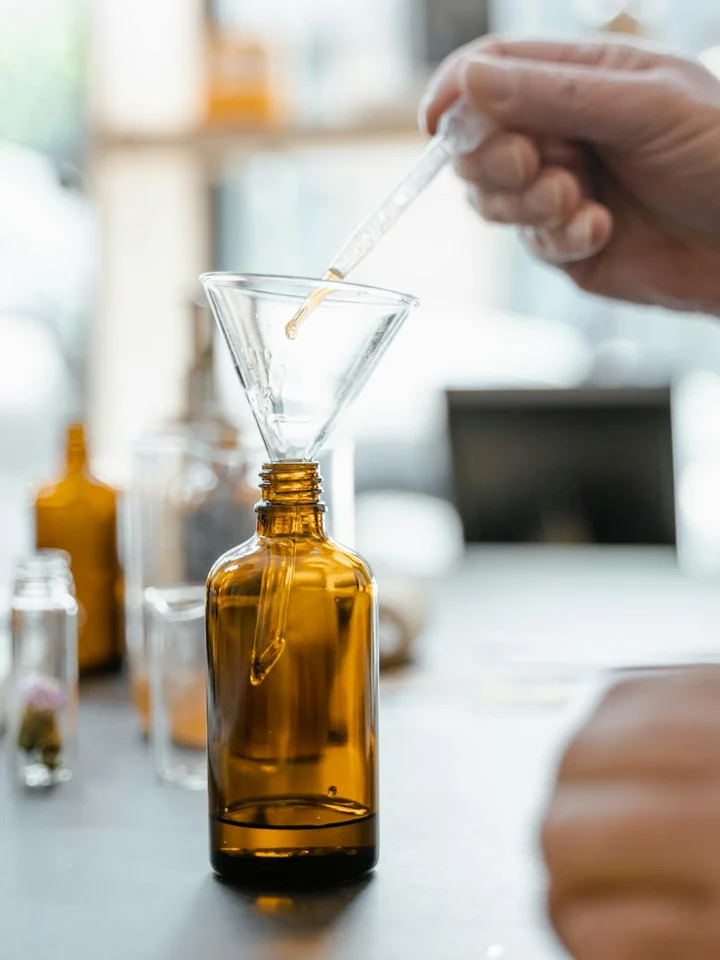
Think of a delicate oil going rancid like a sliced apple turning brown. It’s oxidation, and for skincare, it means your potent botanical extract loses its benefits and can even start to irritate skin. My client Noah, with his dry, reactive skin, is particularly sensitive to products where the oils have started to turn. The goal is to stop this process before it starts.
You need a guardian, and that’s where skin-friendly antioxidants come in. They sacrifice themselves to protect your precious oils.
- Tocopherol (Vitamin E): This is a classic for a reason. It’s a powerful antioxidant that helps stabilize oil-based formulas. For skin, it also offers its own soothing and protective qualities.
- Rosemary CO2 Extract: A fantastic natural alternative. It’s incredibly effective at preventing rancidity and brings its own soothing, plant-powered benefits to the formula without a strong fragrance.
A little antioxidant goes a very long way; typically, 0.5% to 1.0% of your total oil phase is more than sufficient to provide stability. Using more won’t make it more effective and could disrupt your formula.
Formulation Pro-Tip
Always add your chosen antioxidant directly to your oil phase before you even begin to heat or blend it with other ingredients. This ensures it’s evenly distributed and ready to protect from the very first moment, much like applying sunscreen before you step into the sun.
Shielding Extracts from Light and Heat Degradation
Sunlight and warmth are the enemies of stability. Many beneficial plant compounds are photosensitive, meaning light breaks them down and robs them of their potency. Heat speeds up all chemical reactions, including the ones that lead to spoilage.
Your first line of defense is your packaging. Always choose opaque, air-tight containers. Amber or cobalt glass bottles, opaque tubes, and airless pumps are your best friends. I advise my clients to avoid clear jars or bottles for any product containing these sensitive botanicals. Clear packaging on a sunny bathroom counter is a recipe for degrading your carefully formulated actives.
Storage is just as critical as packaging. That “cool, dark place” isn’t just a suggestion. A kitchen cupboard away from the stove or oven, or a bedroom dresser drawer, is perfect. Your bathroom medicine cabinet is often too warm and humid from showers.
For homemade extracts or products you won’t use quickly, the refrigerator can be a great tool. Cool temperatures dramatically slow down degradation. This is especially useful for fresh infusions or products without synthetic preservatives. Refrigerating these items can easily double or triple their usable shelf life, preserving their texture and efficacy. Just let the product come to room temperature before use for the best sensory experience.
Spotting Trouble: Shelf Life & Oxidation Signs
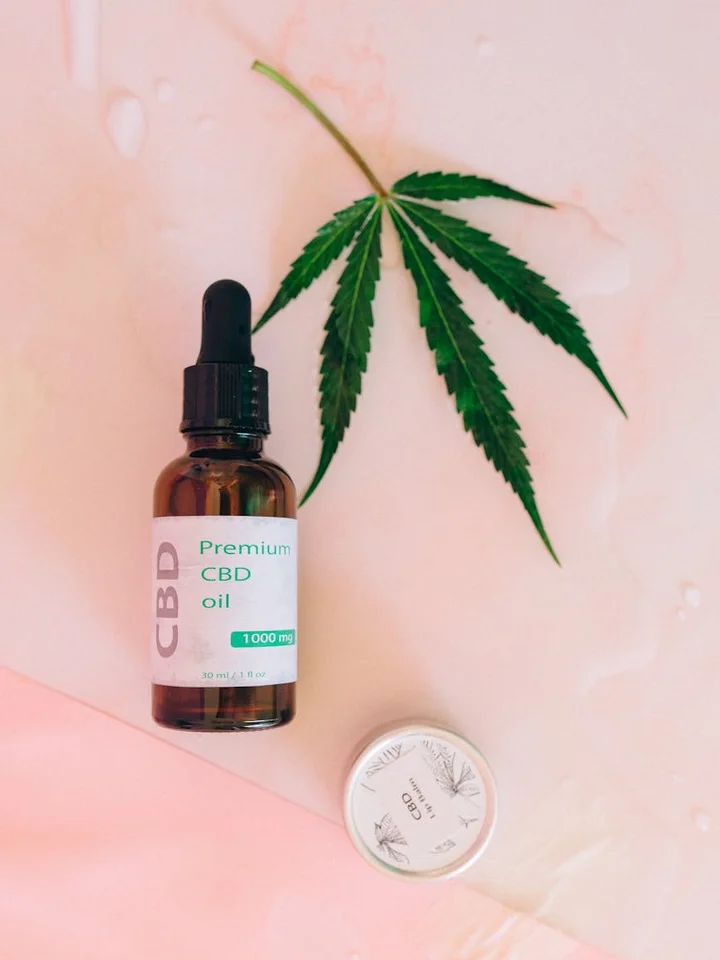
Think of your botanical extracts like fresh herbs in the fridge. They start vibrant and full of life, but over time, they can wilt and lose their magic. Your skin deserves the full, active benefit, not a degraded version. Here’s a simple checklist to run through before you use any natural extract in a formulation, especially when it comes to standardized novel botanical extracts.
Watch for these four key changes:
- Color: A clear shift is a major red flag. A bright green tea extract that turns murky brown or a vivid blue tansy oil that fades to yellow has likely oxidized.
- Smell: Your nose knows. A fresh, characteristic scent that becomes sour, rancid, or simply “off” indicates breakdown.
- Texture: Has it become unnaturally thick, slimy, or developed strange globules? A smooth extract should stay relatively smooth.
- Separation: While some natural suspensions may settle, a solvent and extract that refuse to recombine with gentle shaking can signal a problem.
If your bright green chlorophyll extract turns murky brown, it’s time to replace it. The antioxidants that made it valuable are spent. I think of my client Noah, with his reactive skin. Using a compromised, oxidized extract is a surefire way to trigger the redness and irritation he works so hard to avoid.
Trust your senses. Formulating is part science, part intuition. When in doubt, throw it out. It’s never worth risking a spoiled ingredient in a product you’ll apply to your skin.
Starting Strong: How Extraction Method Impacts Stability
The journey to a stable botanical extract begins with the very first step: how you pull the good stuff out of the plant. The solvent-the liquid the plant material sits in-doesn’t just grab the actives; it becomes their home and primary protector.
Different methods create extracts with wildly different shelf lives and skin feels. Let’s compare two common ones.
Glycerin Extracts (Glycerites): These use plant-derived glycerin. It’s a humectant, so it draws moisture into the skin. Glycerin itself is very stable and mildly antimicrobial, which helps preserve the extract. The downside? It’s not a strong solvent for all plant compounds. You often get a gentler, more soothing extract perfect for sensitive types. Shelf life is moderate. It’s a great choice for a calming chamomile or marshmallow root blend.
Alcohol Extracts (Tinctures): High-proof alcohol is a powerful solvent and a natural preservative. It pulls a broad spectrum of plant compounds and creates a very long shelf life. The trade-off is that alcohol can be drying. For oily or resilient skin (like Maya’s), this might be fine, especially in a rinse-off cleanser. For dry or compromised skin, a high concentration can be disruptive. These outcomes reflect how denatured alcohol interacts with skin lipids and fatty acids, which can alter barrier function and moisture. In other words, understanding denatured fatty effects explains the variable dryness or tolerance across skin types.
The solvent choice is a key stability factor from the start, locking in potency or leaving it vulnerable. A vitamin-rich sea buckthorn extract in a base of unstable, quick-to-rancidity oil won’t last long, no matter what you add later. When I select extracts for a formulation, I’m choosing for the finish line-a stable, effective, and skin-compatible final product.
Guidelines for Safe and Compliant Formulations
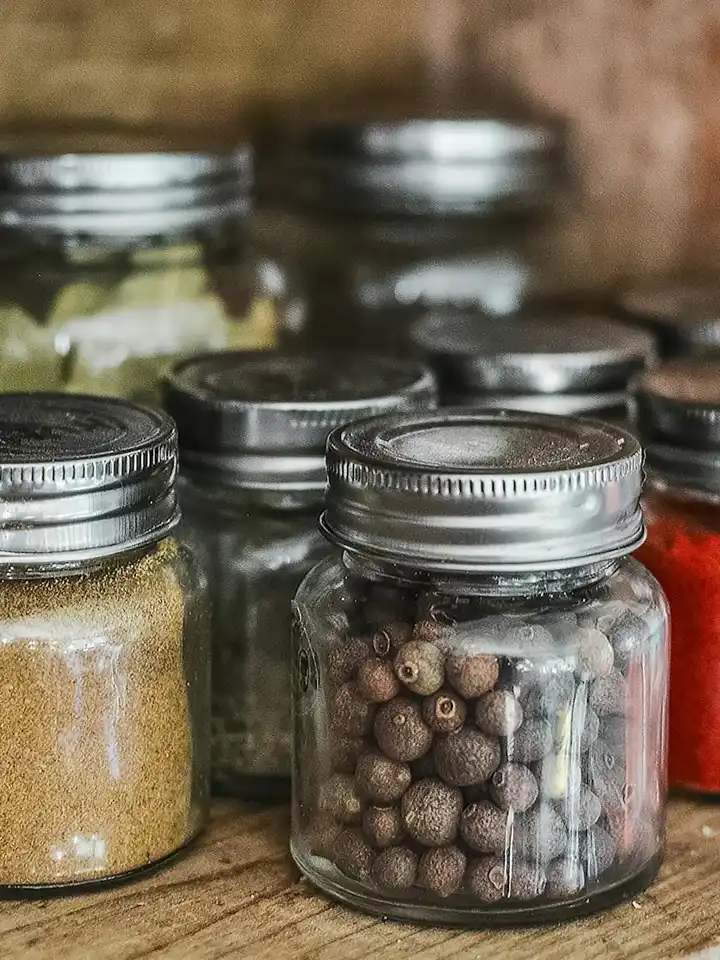
When you’re working with delicate botanical extracts, like fermented botanical extracts, your goal is to capture their living energy in a stable, safe, and effective formula. The rules aren’t just red tape; they’re the guardrails that keep your creations-and the people who use them-protected. Think of it like cooking in a clean, well-organized kitchen: it’s the foundation of a great meal.
Navigating Cosmetic Regulations Simply
In the United States, cosmetic products are regulated by the FDA and the FTC. The rules can feel complex, but they boil down to a few key principles for formulators. First, your product must be safe for its intended use. This responsibility falls on you, the manufacturer. Second, your labeling must be truthful and not misleading.
This means the ingredients on your list must be in descending order of concentration. If you feature “Green Tea Extract” on the front, it needs to be a meaningful part of the formula, not just a drop. Honest labeling builds immediate trust with savvy customers who read ingredient decks.
Avoid making drug claims. Saying a cream “moisturizes and soothes” is fine. Claiming it “treats eczema” moves it into drug territory, which has a completely different and stricter set of regulations. When in doubt, describe what the product does for the look or feel of the skin, not for a medical condition like eczema or dermatitis.
Why Good Manufacturing Practices (GMP) Are Non-Negotiable
Good Manufacturing Practices are your blueprint for consistency and safety. I’ve seen brilliant small-batch formulas fail because they weren’t made in a controlled environment. GMP isn’t just for giant factories. It applies to every step, whether you’re making ten jars or ten thousand.
For botanical extracts, this is critical. Imagine adding a pristine, potent chamomile extract to a batch mixed with contaminated utensils. You’ve just defeated the entire purpose. GMP covers your:
- Facility: Clean, organized workspaces.
- Equipment: Properly sanitized tools and containers.
- Raw Materials: Sourcing verified, high-quality ingredients and storing them correctly (remember those cool, dark places!).
- Production: Documenting every batch with precise weights, times, and conditions.
- Testing: Checking final products for stability, pH, and microbial growth.
My client Noah, with his reactive skin, is a perfect example of why this matters. His skin trusts a product because he knows every batch is made with the same rigorous standards, eliminating unpredictable irritants. Following GMP is your best defense against spoilage and contamination, protecting both your product’s integrity and your customer’s skin. It especially matters when using ingredients like propanediol, which are chosen for sensitive skin.
The Ethical Imperative: Transparency and Cruelty-Free Choices
At LuciDerma, we believe what you leave out is as important as what you put in. Full ingredient transparency isn’t just a trend; it’s an ethical commitment to your customer’s right to know. This aligns perfectly with preserving botanicals-when you value the integrity of an ingredient, you should be proud to declare it.
Advocating for cruelty-free testing is a fundamental part of modern, compassionate skincare. The efficacy and safety of botanical extracts (and all ingredients) can be proven using advanced, human-relevant methods like reconstructed human skin models and in-vitro testing. There is simply no need for animal testing.
Choosing suppliers who are Leaping Bunny certified or adhere to similar cruelty-free standards ensures your beautiful formulation isn’t built on hidden suffering. This commitment resonates deeply with today’s conscious consumer. It tells a client like Lina, who is curious about the story behind her products, that every choice from seed to serum was made with care.
When you formulate with these guidelines, you do more than prevent spoilage. You build a product that is stable, trustworthy, and aligned with a healthier future for skin and the world.
Your Top Questions on Extract Preservation, Answered
Which preservative systems work best for truly natural formulas?
For water-based products, we recommend a synergistic blend like a gentle ferment (e.g., Leucidal) boosted with ethylhexylglycerin for broad-spectrum protection. Always validate your chosen system with Preservative Efficacy Testing to ensure safety and stability across your product’s lifespan.
How does pH specifically influence an extract’s stability?
pH directly affects both preservative efficacy and the chemical stability of the active compounds themselves. For instance, many antioxidants are most stable in a slightly acidic environment, so formulating within a specific pH range protects both the ingredient and the preservation system.
What’s the single most critical packaging choice?
Opague, airtight containers are non-negotiable for blocking light and oxygen, the primary drivers of degradation. For ultimate protection, airless pump systems provide a significant advantage by minimizing the product’s exposure to air each time it’s used.
Preserving Nature’s Goodness
Your skincare is only as good and as kind as its ingredients. The most powerful formulation starts with protecting the potency and integrity of every botanical extract inside the bottle. Preservation choices—natural, synthetic, or a careful blend—keep formulas stable and gentle on skin. When preservation respects the ingredients, efficacy stays intact.
- Choose products that use smart, natural-compatible preservative systems like radish root or leucidal liquid.
- Store your products away from direct sunlight and heat to slow degradation.
- Prioritize formulas from brands that value ingredient quality and transparent sourcing over fleeting trends.
- Trust your senses; a significant change in color, scent, or texture is a sign to let a product go.
- Your choices support a beauty industry that values ethical, sustainable science.
I hope this guide helps you see your skincare with new eyes. If you have a question about an ingredient in your cabinet, send it my way. We’re here to help you find routines that are both effective and conscientiously made. If you need assistance to build your skincare routine from scratch, this step-by-step guide is a great place to start.
Sources and Additional Information
- Best Practices for Preserving Botanical Extract Shelf Life_Cactus Botanics
- How Botanical Extracts Improve Food Preservation_Cactus Botanics
- How to Store Botanical Extracts to Preserve Potency_Cactus Botanics
- The Preservation Puzzle: Mastering the Storage of Plant Extracts
- Medicinal Plant Extracts for Fresh Produce Preservation
Lucy Zimmerman
Lucy is an expert author and blogger when it comes to skin care and body care. She has first hand expertise acting as skin care consultant for over 5+ years helping her clients achieve smooth blemish free skin with natural and working remedies. She also has been an avid experimenter and tried out all the natural and artificial remedies and treatments so you can learn from her first hand experience. Additionally, she has traveled to many countries around the world and incorporated the skin care routines she has learnt into this blog. So, wait no more, reach out to Lucy if you have any specific needs and follow her blog, LuciDerma for expert skin care advice.