
Alcohol in Skincare: Denatured vs. Fatty Alcohols – A Clear Guide for Your Skin
If you’ve ever hesitated at the word “alcohol” on a skincare label, I hear you-let’s sort the skin-drying kinds from the hydrating heroes together.
In this article, you’ll learn:
- The simple chemistry that sets denatured and fatty alcohols apart, so you know exactly what’s in your products.
- How each type directly affects your skin’s barrier and hydration, based on my years of clinical experience.
- My easy method for scanning ingredient lists to choose formulas that nourish your skin, not stress it.
With this knowledge, you can make skincare choices that truly align with your skin’s health.
What “Alcohol” Really Means on Your Product Label
I see it all the time. A client brings in a new serum, points to the ingredients list, and asks with real concern, “It says alcohol. Is this going to ruin my skin?” That worry is completely valid. The word “alcohol” in skincare has become a villain, but like most things in skin science, the full story is more nuanced.
In chemistry, “alcohol” is a massive family of ingredients. It’s like saying “fruit.” A lemon and a blueberry are both fruits, but they taste, feel, and function very differently on your tongue. Skincare alcohols work the same way.
When we talk about alcohol in products, we’re usually discussing two main characters with opposite personalities.
- Denatured Alcohols (like Ethanol or SD Alcohol): These are volatile, fast-evaporating liquids. Think of the feel of hand sanitizer-that instant cooling, then dry sensation.
- Fatty Alcohols (like Cetyl or Stearyl Alcohol): These are emollient, waxy solids derived from plant oils or coconuts. Their texture is closer to the smooth wax of a candle or the comforting thickness of a rich butter.
Spotting one without understanding its role can lead you to reject a perfect product or tolerate one that’s causing subtle harm.
The Chemistry of Skin-Drying vs. Skin-Soothing Alcohols
Let’s get molecular for a moment. The difference comes down to the size and shape of the alcohol’s carbon chain, which dictates how it behaves on your skin.
| Feature | Ethanol (A Denatured Alcohol) | Cetyl Alcohol (A Fatty Alcohol) |
| Common Name(s) | Alcohol Denat., SD Alcohol, Ethanol | Cetyl Alcohol, Palmityl Alcohol |
| Chemical Feel | Light, volatile liquid, cooling | Waxy, soft solid, emollient |
| Typical Job in Formula | Solvent, quick-dry agent, penetration enhancer | Thickener, texture smoothie, barrier moisturizer |
| pH | Neutral (~7) | Neutral (~7) |
| Safe Concentration Range | Low (often under 10% in leave-on products) | Wide (typically 1-10% as an emollient) |
| Solubility | Mixes with water (hydrophilic) | Does not mix with water (lipophilic/oil-loving) |
| Safety for Sensitive Skin | Can be problematic; often drying or irritating | Generally very well-tolerated and soothing |
Denatured alcohol has a very small, light molecule. It evaporates almost the second it hits your skin. That evaporation can pull water and some of your skin’s natural lipids (oils) with it, which is why it leaves that tight, “squeaky-clean” feeling. Over time, this can disrupt your skin barrier.
Fatty alcohols have long, heavyweight carbon chains. They don’t evaporate. Instead, they sit on top of and integrate into your skin’s surface, forming a gentle, occlusive cushion. This helps prevent water loss and softens the skin. Think of denatured alcohol as a swift breeze that can chap your lips, and fatty alcohol as a protective balm that seals in comfort.
I also get asked about halal or religious concerns regarding denatured alcohol. The “denatured” part means additives have been mixed in to make it undrinkable (bitrants). These additives, not the ethanol itself, are what require careful sourcing verification for those following specific religious guidelines. Many brands now use ethanol derived from sugar beet or corn, not grapes or grains.
Denatured Alcohol: The Potent Disinfectant
You’ll find this type listed as Alcohol Denat., SD Alcohol, Ethanol, or Isopropyl Alcohol. It’s not inherently evil; it has legitimate jobs in formulation.
Formulators use it as a solvent to dissolve ingredients that won’t mix with water, to create that immediate “fast-absorbing” matte finish some people desire, and in some cases, to help certain active ingredients penetrate more effectively. It’s also a powerful disinfectant, which is why it’s common in hand sanitizers and in some products targeting acne-prone skin.
But its strength is its downside for daily care. My client Maya (oily, acne-prone, 28) learned this. She bought a popular astringent toner with SD Alcohol listed near the top. “It made my skin feel so clean and oil-free at first,” she told me. After a week, her complexion felt tighter, looked shinier (a sign of barrier distress), and became more reactive. That instant dry-down feeling can be a warning sign for those with dry, sensitive, or barrier-compromised skin.
Fatty Alcohol: The Comforting Emollient
Look for these friendly names: Cetyl, Stearyl, Cetearyl (a blend), and Behenyl Alcohol. They are skincare workhorses, not irritants, and are even non-comedogenic.
Their primary jobs are to give lotions and creams their luxurious, spreadable texture, to stabilize formulas so water and oil don’t separate, and most importantly, to moisturize. They act as emollients, smoothing the flaky gaps between skin cells and reinforcing your skin’s own barrier function.
Noah (dry, reactive, 45) had avoided all products with “alcohol” on the label for years. His skin was persistently flaky and red. We found a simple, fragrance-free moisturizer where cetearyl alcohol was a key emollient. He was hesitant, but after patch-testing, he tried it. “This is the first cream that doesn’t sting and actually makes my skin feel calm and protected,” he said. The waxy, soothing property of the fatty alcohol helped lock hydration into his parched skin without any irritation. For those with dryness, sensitivity, or eczema, fatty alcohols are often allies, not enemies.
How to Spot Them on Any Ingredient List
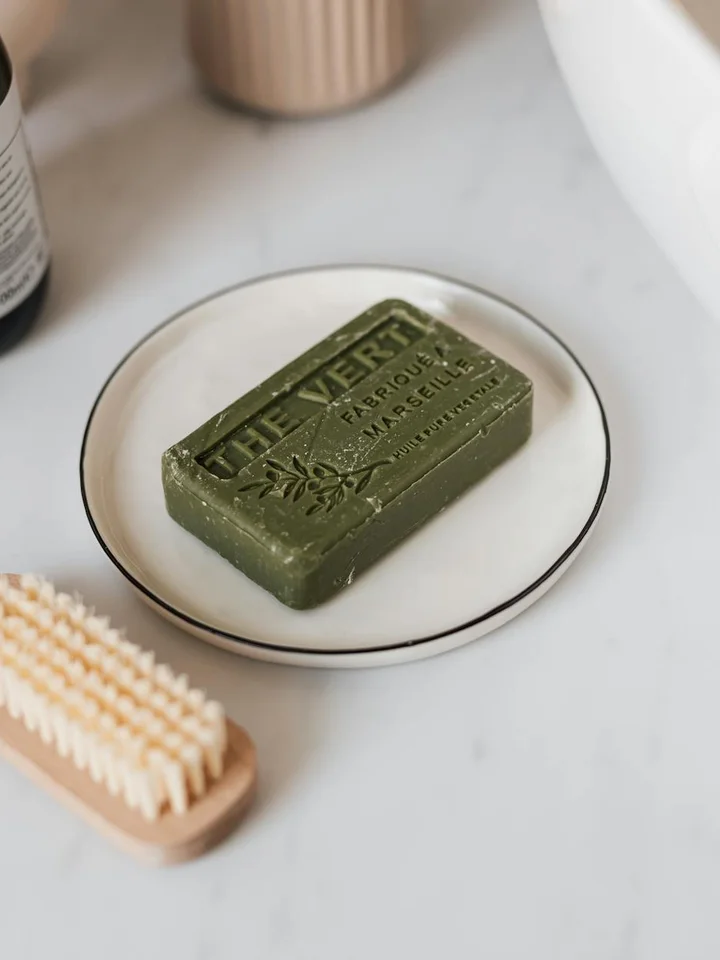
If you’ve ever scrolled through skincare forums, you’ve seen the panic. “Alcohol” on a label can send people running. I get it-my client Maya came to me once, holding a toner, worried it would strip her oily skin into a desert. But here’s the truth: learning to read the list turns fear into power.
Remember this rule: ingredients are listed by concentration, from highest to lowest, just like a recipe lists flour before salt. Where the alcohol sits tells you its job.
If you see “Alcohol Denat.” or “SD Alcohol” in the first five ingredients, it’s a main component. This denatured alcohol is there to make the product feel weightless and dry quickly. In a moisturizer, that’s a red flag. In a targeted acne treatment, it might be a deliberate, short-term choice.
Fatty alcohols like cetyl or stearyl alcohol almost always appear in the middle or end of the list. They’re not there to evaporate; they’re texture builders. Think of them as the ingredient that turns a runny lotion into a silky cream.
Let’s make it practical. Here is how to scan any label in 30 seconds.
- Look for “Alcohol Denat.” high up. Check the top five spots. If it’s there, note that this product will likely have a brisk, evaporating feel.
- Look for “cetyl” or “stearyl” further down. Find them after the first few ingredients? They’re working as gentle emulsifiers and thickeners.
- Consider the product type. A clarifying toner often uses denatured alcohol for astringency. A nourishing night cream uses fatty alcohols for richness. The formula’s purpose gives the ingredients context.
This skill decodes the mystery and lets you choose based on your skin’s needs, not just a scary name. For Lina, who has combination skin, spotting cetyl alcohol in her moisturizer meant she could trust it to hydrate her dry cheeks without fear.
Contraindications & Safety Warnings: When to Be Cautious
With knowledge comes responsibility. While fatty alcohols are skin-friendly heroes for almost everyone, denatured alcohol requires a more cautious approach in specific situations.
Denatured alcohol can be problematic when your skin barrier is already compromised or in a state of flare. It’s not an everyday villain, but it can exacerbate existing issues.
You should be cautious or avoid products with high concentrations of denatured alcohol if your skin is in one of these states, especially when compared to gentle alternatives like propanediol that are safe for sensitive skin:
- A compromised skin barrier. This means your skin feels tight, stings easily, or is overly flaky. Adding a drying agent can slow healing.
- Active rosacea or eczema flares. The evaporation can intensify redness and irritation for conditions that are already inflammatory.
- Very dry skin types. Like my client Noah, if your skin naturally lacks oil, denatured alcohol can further disrupt your moisture balance.
- Immediately after procedures like dermaplaning, microneedling, or a strong chemical peel. Your skin is in repair mode and needs calm, supportive ingredients.
If you are pregnant or nursing, and have any concerns about an ingredient, consulting your doctor is always the wisest step. They can provide personalized guidance for your unique situation.
Now, for the reassurance. Fatty alcohols like cetyl and stearyl alcohol are generally safe and beneficial for nearly all skin types, even sensitive and acne-prone skin. They are non-irritating moisturizers that help formulas spread evenly and lock in hydration. For someone with reactive skin like Noah, a fragrance-free cream with stearyl alcohol is often a cornerstone of a gentle, repairing routine. Interestingly, cetearyl alcohol—the blend of cetyl and stearyl alcohol—also features in many hair care formulas to soften and smooth hair. Its role in maintaining moisture and improving combing ease makes it a relevant topic when discussing cetearyl alcohol hair effects.
Picking Your Side: Which Skin Types Actually Benefit?
Let’s settle the big questions: is alcohol in skincare good for oily skin? What about for acne? The answer isn’t a simple yes or no. It’s a strategic “sometimes,” and only for one specific team.
For my client Maya, who has oily, acne-prone skin, a well-formulated product with a small amount of denatured alcohol can serve a specific purpose. In a toner or treatment serum, it helps control immediate surface shine and allows key ingredients like salicylic acid to penetrate oil and exfoliate inside the pore more effectively. Think of it like a quick-drying delivery system for the active ingredient that does the real work.
This is a precise tool, not a daily blanket solution. Overuse will backfire, even for Maya, by disrupting her skin’s barrier over time.
For my client Noah, with dry, reactive skin, or for mature skin types, denatured alcohols are almost always a poor choice. These skin types are working hard to maintain hydration and a healthy barrier, and denaturing alcohols actively work against that goal. They can lead to that tight, papery feeling, increase visible flakiness, and make skin more reactive to other products. If your skin often feels thirsty, this ingredient team is not your friend—especially when compared to natural moisturizing factors that actually support skin hydration.
This is where fatty alcohols become the all-stars. For Noah’s dryness, Lina’s combination sensitivity, or anyone with barrier-compromised skin, ingredients like cetyl or stearyl alcohol are protective heroes. They provide non-comedogenic hydration that supports your skin’s natural barrier, helping it hold onto moisture without clogging pores. They are the reason your richest moisturizer feels comforting, not irritating—especially when paired with non-comedogenic products.
So, is alcohol in skincare good or bad? The debate ends here: it depends entirely on the chemical family and your skin’s current needs. Denatured alcohols are a occasional tactical choice for specific oily-skin concerns. Fatty alcohols are a foundational, beneficial choice for nearly every skin type seeking hydration and comfort. If your priority is oily or dry skin, you can customize your routine to balance oil control with hydration. The next steps will explore skincare for oily and dry skin customization and how to tailor products to your needs.
Your Practical Ingredient Cheat Sheet
You don’t need a chemistry degree to make smart choices. Use these two lists as your label-reading guide.
Ingredients to Pause On
When you see these names near the top of an ingredient list (indicating higher concentration), take a moment. They might be okay in specific, rinse-off products or targeted treatments, but I recommend caution, especially for dry or sensitive skin.
- Alcohol Denat. (Denatured Alcohol): The common drying alcohol. Check its placement in the list.
- SD Alcohol 40: Another form of denatured alcohol, often used in astringents.
- Isopropyl Alcohol: Very drying and stripping, commonly found in cleansers or hand sanitizers.
The rule here is concentration and context: a tiny amount low on the list in a rinse-off acne wash is very different from it being the second ingredient in a leave-on toner you use twice a day.
Ingredients to Embrace
These fatty alcohols are skin-care allies. Welcome them in your creams, lotions, and serums. They are non-irritating, excellent emollients, and help create luxurious, stable textures.
- Cetyl Alcohol: A gentle emollient derived from vegetable oils like coconut or palm that gives a smooth, velvety feel.
- Stearyl Alcohol: Another plant-derived fatty alcohol that works as a great texture enhancer and softener.
- Cetearyl Alcohol: A blend of cetyl and stearyl alcohols, a superstar for creating rich, stable creams that absorb well.
- Behenyl Alcohol: A thicker, wax-like fatty alcohol that provides a protective, long-lasting feel, ideal for very dry skin formulas.
You are now equipped to read your labels, not with fear, but with understanding. You can spot the difference between an ingredient that might temporarily mattify and one that will lastingly comfort.
Your Top Questions on Skincare Alcohols, Answered
Is alcohol in skincare halal or permissible in Islam?
For denatured alcohol, compliance depends on its source-look for plant-based ethanol from ingredients like sugar beet, and verify additive sourcing with the brand. Fatty alcohols, derived from plants like coconut, are generally not a concern for halal skincare.
Can fatty alcohols cause breakouts or clog pores?
Fatty alcohols are non-comedogenic, so they won’t clog pores or trigger acne. In fact, they help stabilize your skin’s barrier and provide lightweight, non-irritating hydration that can benefit acne-prone skin.
How do I quickly decide if an alcohol in a product is safe for my skin?
Scan the ingredient list: if “Alcohol Denat.” is in the top five, it’s likely drying and best for oily skin used sparingly; if cetyl or stearyl alcohol appears later, it’s a moisturizing ally for almost all skin types. But for non-comedogenic moisturizer ingredients, always double-check if your skin is prone to breakouts.
Final Thoughts on Skincare Alcohols
The biggest lesson is that not all alcohols are created equal. You can confidently use products with fatty alcohols like cetyl or stearyl alcohol, which are gentle skin conditioners, while being more selective about products that list denatured alcohol (alcohol denat.) high in their ingredients. That same mindful approach also applies to natural and synthetic preservatives in skincare, guiding you toward formulas that balance preservation with skin compatibility. Your skin’s reaction is the most important guide.
- Read your ingredient labels, looking for “cetyl,” “stearyl,” or “cetearyl” alcohol for hydration.
- Be cautious if “alcohol denat.” is listed in the first five ingredients, especially for dry or sensitive skin.
- Let your skin’s comfort be your final judge-tightness or stinging is a sign to stop.
- Remember, a well-formulated product balances all its ingredients for a specific purpose.
I’m always here to help you decode your skincare labels. If you’re ever unsure about a product you’re considering, feel free to send me a question. Making informed, gentle choices for your skin is a simple, powerful act of care.
Related Guides and Information
- What Is Denatured Alcohol and Why Is It in My Skincare Products?
- Cosmetics and Alcohol Free Labeling
- alcohols in skincare – cocokind
- Exploring the Benefits of Fatty Alcohols in Skincare – The Beauty Crop
- Alcohol, denatured alcohol and fatty alcohols in skin care – harmful or not?
- Is alcohol denat safe in skincare? What to know | Curology
- Alcohol as an Ingredient in Skin Care Products – Skin Type Solutions
Lucy Zimmerman
Lucy is an expert author and blogger when it comes to skin care and body care. She has first hand expertise acting as skin care consultant for over 5+ years helping her clients achieve smooth blemish free skin with natural and working remedies. She also has been an avid experimenter and tried out all the natural and artificial remedies and treatments so you can learn from her first hand experience. Additionally, she has traveled to many countries around the world and incorporated the skin care routines she has learnt into this blog. So, wait no more, reach out to Lucy if you have any specific needs and follow her blog, LuciDerma for expert skin care advice.