
Preservative Boosters in Skincare: How EDTA, Citric Acid & Co. Keep Your Products Safe
When you spot EDTA or citric acid on a label, it’s natural to wonder what they’re doing in your serum or cream. I see this curiosity all the time in my practice, and I’m here to explain why these unsung ingredients are key to your skincare’s performance and safety.
By the end of this guide, you’ll be able to:
- Recognize common preservative boosters and understand their role in your products.
- See how EDTA and citric acid work together to prevent spoilage and maintain formula integrity.
- Confidently choose products with preservative systems that are both effective and skin-friendly.
Let’s turn that ingredient list confusion into clear, actionable knowledge for your routine.
The Unsung Heroes: Why Your Cream Needs More Than One Preservative
Think of a preservative system not as a single ingredient, but as a team. In a great team, you have star players and crucial support staff. The main preservatives-like phenoxyethanol or potassium sorbate-are your star defenders against mold and bacteria. But they can’t do it all alone.
That’s where preservative boosters, or auxiliary agents, come in. These are ingredients that help the main preservative work better and last longer. Their core job is to make the primary preservative so efficient that we can use less of it, which is often gentler for your skin. That’s especially helpful when you’re using active ingredients, like salicylic acid, which can be sensitive.
You might wonder why we don’t just use a huge amount of one strong preservative. The answer is skin sensitivity and smart formulation. Modern skincare often balances natural and synthetic preservatives. In the next steps, we’ll explore how natural and synthetic options work together to keep formulas safe. A robust, balanced team approach is more elegant and often better tolerated, especially by clients like Noah with reactive skin. A good preservative system is what keeps your product safe from mold and bacteria from the first use to the last.
Meet the Key Boosters: EDTA, Citric Acid, and Their Helpful Friends
Let’s meet two of the most common support players you’ll spot on ingredient lists.
EDTA: The Mineral Manager
EDTA (ethylenediaminetetraacetic acid) is a chelating agent. “Chelating” simply means it grabs onto things. Imagine it as a tiny magnet for unwanted metal ions-like calcium and magnesium-that can come from your tap water or other ingredients. These minerals can interfere with preservatives, making them less effective. By binding them up, EDTA clears the way for the main preservative to do its job without obstacles.
Citric Acid: The Environment Adjuster
You might know citric acid as an exfoliant, but at very low concentrations, it’s a brilliant pH adjuster and booster. Many preservatives work best within a specific pH range. Citric acid helps fine-tune the formula’s environment, making it ideal for preservation. It’s like ensuring the star player is always performing on their home field, unlike some chemical exfoliants that lose potency over time.
The Supporting Cast
Other auxiliary agents bring different strengths:
- Sodium Phytate: A plant-derived alternative to EDTA that also chelates metals.
- Glycerin: While it’s a superstar humectant, at high levels it can lower water activity in a formula, making it less hospitable to microbes.
- Certain Antioxidants (like Vitamin E): Their main role is to prevent oils from going rancid, but by protecting the formula’s integrity, they indirectly support the preservative system.
Molecule Spec Sheet
| Agent | Primary Role (pH) | Typical Concentration | Solubility | Safety Note |
|---|---|---|---|---|
| EDTA (e.g., Tetrasodium EDTA) | Chelator (works across a range) | 0.05% – 0.2% | High in water | Well-tolerated; considered safe at low cosmetic levels. |
| Citric Acid | pH Adjuster / Booster (works best at lower pH) | 0.1% – 0.5% | High in water | Gentle; can cause tingling at very low pH/high concentrations. |
Seeing these names on a label is usually a sign of thoughtful formulation. They indicate the brand has invested in a system to protect the product’s safety and stability with a potentially lighter touch. For my sensitive-skin clients, a formula that uses these boosters effectively can mean the difference between a product that works without incident and one that causes unnecessary irritation.
How These Invisible Ingredients Work to Protect Your Products
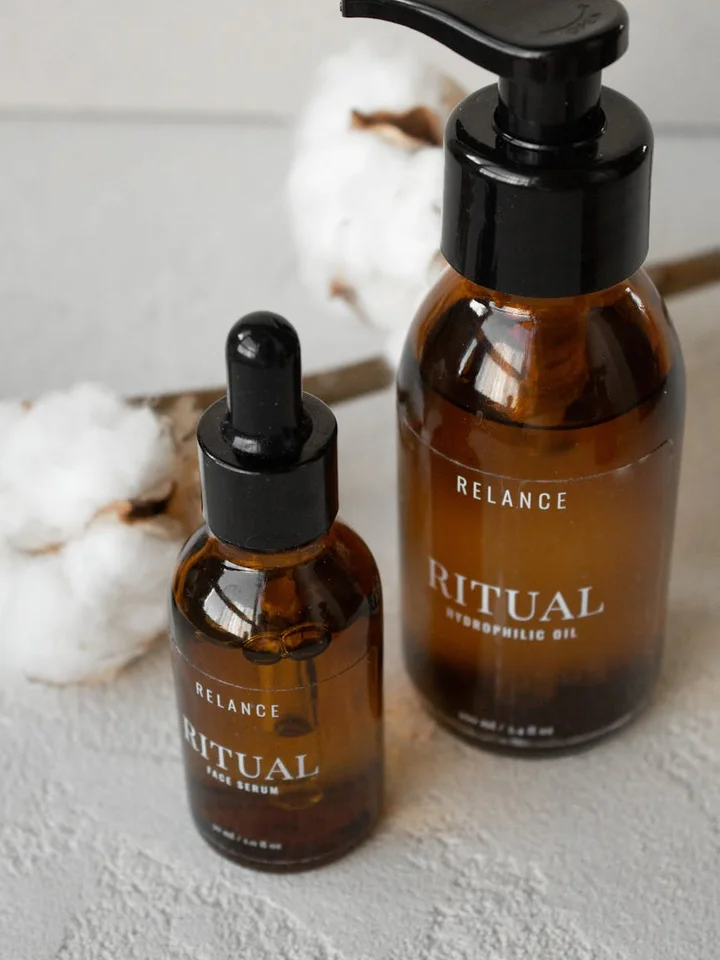
Think of bacteria and mold wanting to grow in your moisturizer like a plant trying to grow in a pot. They need certain conditions: water, nutrients, and the right environment. Preservative boosters change that environment to make it much harder for them to survive.
EDTA, which you might see as tetrasodium EDTA or disodium EDTA on a label, works like a magnet for metal. It seeks out and tightly binds to metal ions like calcium and magnesium. These metals are like a growth supplement for bacteria, and they can also interfere with the main preservative, making it less effective. By grabbing these metals first, EDTA starves potential microbes and lets the primary preservative do its job without interference.
Citric acid works differently. Many harmful microbes prefer a neutral environment. Citric acid lowers the pH of a formula, making it more acidic. This creates an inhospitable zone that slows microbial growth. For some preservatives, like certain types used in natural formulations, a lower pH actually increases their antimicrobial power, making citric acid a crucial performance enhancer.
Their real magic is in synergy. A primary preservative, like phenoxyethanol, often works by breaking down a microbe’s cell wall. If metal ions are in the way or the pH is wrong, that preservative has to work much harder. With boosters on the team, the pathway is clear. Imagine the primary preservative is a key designed to open a lock (the bacterial cell). Boosters like EDTA remove the grime and grit (the metal ions) so the key fits perfectly and turns easily.
Formulation Pro-Tip
For formulators or the deeply curious, here’s how these ingredients are handled to ensure stability and safety.
- Citric acid is most effective as a booster in formulations targeting a pH below 5.5, which coincidentally is great for skin health too.
- EDTA is very stable but can slowly bind to certain active ingredients, like some minerals or peptides, over time. Comprehensive compatibility testing during development is non-negotiable.
- To ensure even distribution, chelators like EDTA must be fully dissolved in the water phase early in the mixing process, often during initial heating.
What You Need to Know About Safety and Concentrations
First, a critical point: EDTA and citric acid are not preservatives by themselves. They must always be part of a validated preservation system that includes a primary preservative proven to kill microbes. A product boasting only “citric acid” as a preservative is a red flag.
These ingredients are used in very small, controlled amounts. Typical safe use concentrations in leave-on skincare are up to 0.1% for EDTA and up to 0.5% for citric acid, though they are often used lower. In rinse-off products like cleansers, levels can be slightly higher. These limits are well-established by global regulatory bodies.
For your skin, these ingredients are generally well-tolerated. When a formula is correctly balanced, chelators and pH adjusters don’t typically cause irritation. I think of my client Noah, who has dry, reactive skin. His favorite fragrance-free moisturizer uses a tiny amount of EDTA to stabilize its preservative system. It protects the product without disrupting his delicate skin barrier because it’s part of a thoughtfully engineered formula. For all skin types, including sensitive, the safety of these boosters comes down to expert formulation and appropriate concentration. In practice, pH-aware skincare formulations support barrier health by preserving the skin’s acid mantle. When pH and ingredients are thoughtfully balanced, the barrier stays resilient against irritants.
Regions like the European Union and the United States have strict cosmetic regulations that dictate maximum allowable concentrations for these auxiliary agents. Reputable brands formulate to meet or exceed these standards, which is why ingredient transparency and choosing trustworthy companies matters.
Spotting and Understanding Preservative Boosters on Your Label
Think of your skincare ingredient list, or INCI list, like a recipe. The main actives are the star ingredients, but everything else has a job. Preservative boosters are the helpful assistants, and you’ll usually find them listed in the middle or toward the end.
Finding them is a skill that quickly becomes second nature: scan for familiar names like Citric Acid, Sodium Citrate, or EDTA (often listed as Disodium EDTA).
What Their Partnerships Tell You
These agents are almost never alone. They team up with primary preservatives to do their job better. For example, you’ll often see Citric Acid paired with phenoxyethanol. The citric acid tweaks the product’s pH to a level where phenoxyethanol is most effective, meaning the brand can use less of it overall. Another common duo is caprylyl glycol with a booster like glycerin or propanediol, which helps the preservative blend evenly throughout a cream or lotion.
Seeing a booster alongside a preservative is a sign of thoughtful formulation-it’s a brand building a smarter, often gentler, defense system.
The Guardians of Stability
Their main job is to keep your product stable from the first use to the last. This isn’t just about preventing mold. It’s about preserving the product’s texture, color, and, most importantly, the potency of your actives. A vitamin C serum without proper preservation and pH balancing will turn brown and lose its effectiveness within weeks. Chelating agents like EDTA quietly bind to trace metals in water that can degrade formulas and cause unwanted color or smell changes over time.
I remind clients like Noah, who invests in sensitive-skin formulas, that this invisible chemistry is what ensures his fragrance-free moisturizer feels and works the same every single day for months. When it comes to sensitive ingredients, it’s crucial to trust only non-comedogenic branded moisturizers that won’t clog pores or cause irritation.
A Real-World Example
Let’s look at a hypothetical, effective preservative system you might find in a gentle hydrating serum:
- Primary Preservative: Phenoxyethanol (at a low, safe percentage)
- Booster 1: Caprylyl Glycol (enhances preservation and feels smooth on skin)
- Booster 2: Citric Acid (balances the pH to optimize the entire system)
This trio works synergistically. It’s a robust yet elegant way to protect a water-based product, allowing the hydrating and soothing ingredients to remain stable and effective.
Your Practical Guide to Products with Smart Preservation
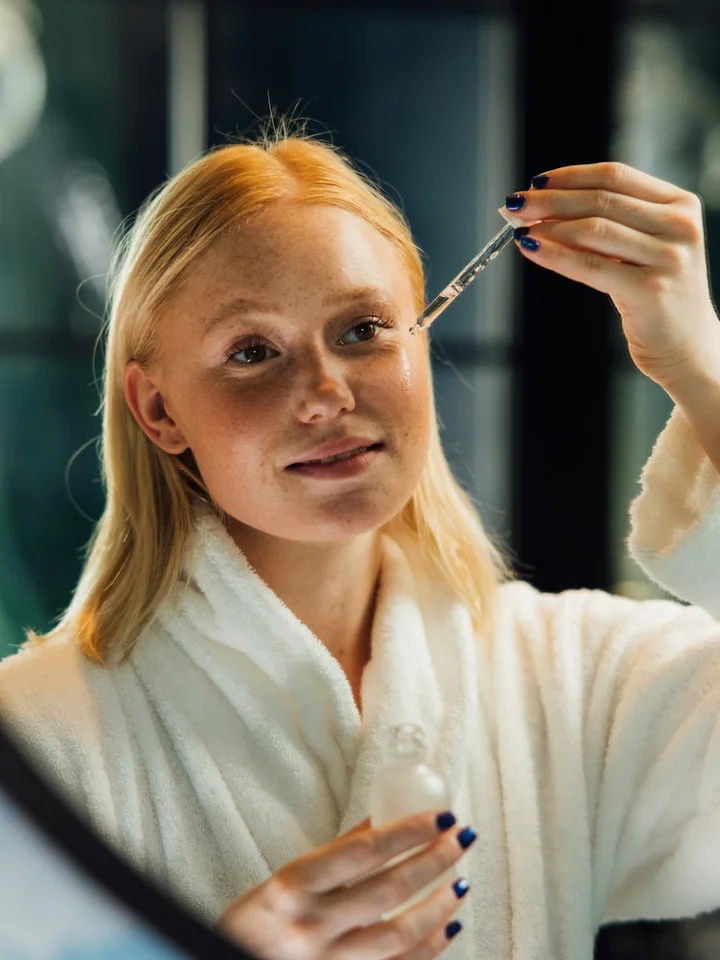
Choosing a product with a well-designed preservative system is a vote for safety and efficacy. It shows the brand cares about the product’s integrity throughout its entire life with you. A formula that spoils or separates isn’t just unpleasant-its actives have likely degraded, making it a waste of your money and time.
A gentle, effective preservative system is the unsung hero that allows your vitamin C to stay bright and your retinoid to remain potent. For my client Lina, who uses targeted actives for her combination skin, this stability is non-negotiable. She needs her treatment products to perform consistently to manage oiliness and sensitivity without surprise reactions from a compromised formula.
It’s easy to be wary of ingredients with chemical-sounding names. I was, too early in my career. But I’ve learned that these chemistry workhorses, when used responsibly at appropriate levels, are fundamental to creating the safer, gentler, and more sustainable skincare we want. They prevent waste from spoiled products and allow for cleaner, water-based formulas that many skin types prefer. Understanding the comedogenic ratings of common skincare ingredients can help tailor products to your skin. It’s a practical way to balance efficacy with pore-friendly formulas.
When you understand the role of preservative boosters, you move from fear of the ingredient list to confidence, selecting products that are stable, effective, and truly skin-friendly.
Your Smart Questions on Preservative Boosters, Answered
Are preservative boosters like EDTA safe for sensitive skin?
Yes, when used correctly at low concentrations, they are generally very well-tolerated. Their role in enhancing a preservative system often allows for lower amounts of the primary preservative, which can be beneficial for reactive skin.
How do regulations for these ingredients differ between regions?
Major markets like the EU, USA, and Canada all permit their use but have specific maximum concentration limits for finished products. Reputable brands formulate to meet the strictest applicable standards to ensure global safety and compliance.
Can I rely on a product that only lists citric acid for preservation?
No, you should not. Citric acid is a booster, not a standalone preservative. A product claiming preservation from citric acid alone is a significant red flag for inadequate protection against microbial growth.
Trusting the Science Behind Your Skincare
The core message is simple: preservative boosters like EDTA and citric acid are foundational, not frightening. They are the careful, behind-the-scenes work that keeps your products stable and safe from contamination, so your routine can deliver consistent results.
- Scan ingredient lists for EDTA or citric acid as a sign of a thoughtfully preserved formula.
- Understand that these agents work in synergy with main preservatives, often allowing brands to use milder overall systems.
- If you have reactive skin like Noah, remember that these boosters are rarely the culprit; look first at fragrance or potent actives.
- Support brands that are transparent about their preservation strategy-it reflects a commitment to quality and safety.
I’m dedicated to helping you navigate skincare ingredients with clarity and confidence. This blog is filled with guides to support your journey. If you’re ever curious about how something in your routine works, send your questions my way-I read them all and often find inspiration for what to write about next. Whether you’re just starting out or looking to refine your regimen, building a skincare routine can be a transformative experience.
Sources and Additional Information
- Disodium EDTA | Ingredient for Hair & Skincare | Lotioncrafter
- What is Disodium EDTA: Meaning & Benefits of Disodium EDTA | The Pink Foundry
- Ingredient Watch List: Tetrasodium EDTA in skin care, the Preservative Made from Formaldehyde – Annmarie Gianni
- EWG Skin Deep® | What is EDTA