
Moisturizer Before or After Tretinoin? Your Simple Guide to Layering
If you’re puzzling over whether to apply moisturizer before or after tretinoin, take a deep breath. I help clients like you sort this out every day to keep skin calm and effective.
- You’ll know the clear rule for layering moisturizer with tretinoin and why it protects your skin barrier.
- You’ll get the exact wait time after retinol before moisturizing, so the ingredient can work properly.
- You’ll be empowered to adjust the steps for your skin, whether it’s oily, dry, or sensitive.
Consider this your quick path to a smoother, happier retinoid routine.
What Are You Really Working With? Tretinoin, Retinol, and Adapalene Explained
Before we layer anything, let’s know our players. These are all forms of vitamin A, but they are not the same thing.
Tretinoin is prescription-strength and goes to work immediately on your skin cells. You might know it by brand names like Retin-A. It’s the most direct and potent option, typically used for significant acne and pronounced photoaging. When starting, its usage is typically guided by a dermatologist to tailor dose and frequency to your skin’s tolerance. You’ll find practical guidelines on tretinoin usage in the next steps.
Retinol, available over-the-counter, is a precursor that your skin must convert into retinoic acid. This conversion makes it gentler and slower to show results than tretinoin, but it’s a superb option for gradual improvement in texture and fine lines.
Adapalene (like Differin) is another OTC option, often formulated specifically for acne. It’s more stable and can be less irritating for some, sitting in a middle ground of potency.
Think of it like cars. Tretinoin is a race car: incredibly powerful and efficient, but it requires a skilled driver and a smooth track (your skin’s tolerance). Retinol is your reliable commuter car: it will definitely get you to your destination (better skin), it just takes a little longer and offers a smoother ride for most. Both, however, need the right fuel-your skin’s unique chemistry and health-to run properly without breaking down.
Their common goal is to speed up skin cell turnover, but the strength of the ingredient changes how you should handle it. A race car demands more caution and preparation than your daily driver.
The Golden Rule of Layering: Thinnest to Thickest, But With a Retinoid Twist
The standard rule for layering skincare is simple: apply products from the thinnest, wateriest consistency to the thickest, creamiest one. This allows each layer to absorb effectively. A hydrating toner or serum goes on before your rich moisturizer.
Retinoids are the famous exception to this rule. Because they can be irritating, how you layer your moisturizer with them becomes a powerful tool to control tolerance. You have two main, equally valid paths: direct application and buffering.
So, should you apply moisturizer before or after tretinoin or retinol? Here are your options.
Method 1: The Direct Approach (After Cleansing, Before Moisturizer)
- Cleanse your face and pat it completely dry. Wait 10-15 minutes for your skin to be fully dry, not damp.
- Apply a pea-sized amount of your retinoid (tretinoin, retinol, or adapalene) evenly across your face, avoiding the eye area and lips.
- Wait. This is the critical step. Allow the active ingredient time to absorb and interact with your skin. For prescription tretinoin, I advise my clients like Noah (dry, reactive) to wait a full 20-30 minutes before moving on.
- Apply your moisturizer to lock in hydration and support your skin barrier.
This method delivers the most potent effects and is often preferred by those with resilient skin who are acclimated to retinoids.
Method 2: The “Buffering” Method (Moisturizer First, Then Retinoid)
- Cleanse and dry your face.
- Apply your moisturizer first, all over.
- Wait about 10 minutes for that moisturizer to settle.
- Then, apply your retinoid over the top.
Think of this as putting a protective, hydrating blanket down first. The moisturizer acts as a buffer, diluting the intensity of the retinoid slightly as it passes through. Buffering is a fantastic strategy for beginners, those with sensitive or dry skin (like Noah), or anyone experiencing redness and peeling. It helps you build tolerance with far less drama.
For my client Lina (combination, sensitive), we started with buffering twice a week. It allowed her skin to adapt without flaring up her cheeks, while still effectively targeting oiliness in her T-zone.
Method 1: Apply Retinoid First, Then Moisturizer (The Direct Approach)
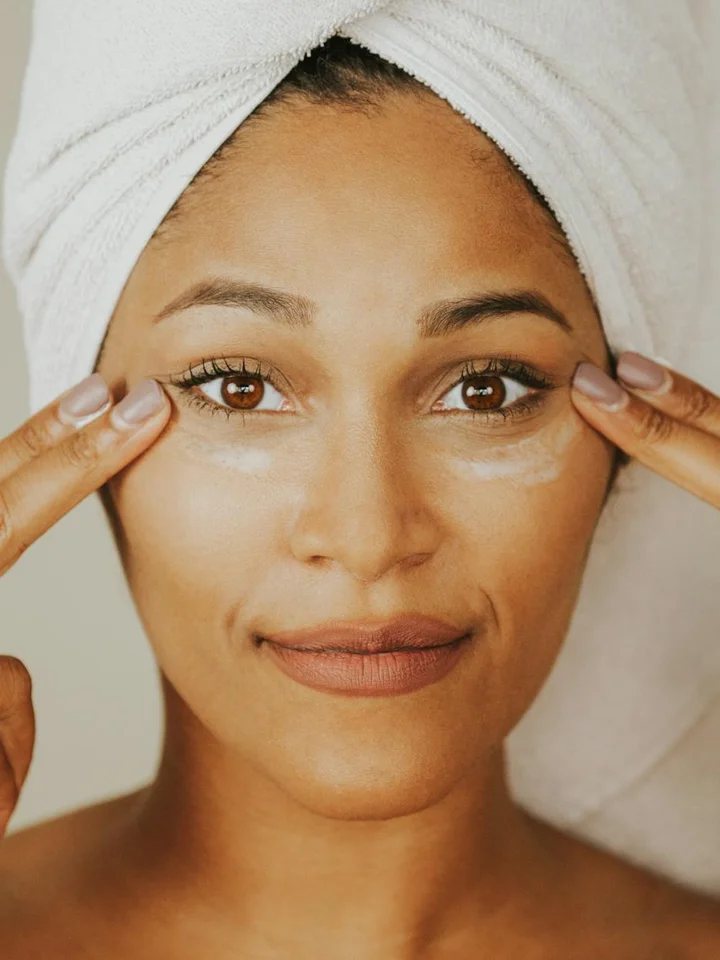
Think of this as the classic, no-frills way to use your retinoid. You’re letting the active ingredient work with minimal interference. I recommend this to clients like Maya, who has built up tolerance, or anyone focused on targeting texture or breakouts with full strength.
The Step-by-Step Routine
Follow these steps in the evening, and be consistent.
- Cleanse gently. Use a simple, non-drying cleanser to remove makeup, sunscreen, and the day’s grime. Pat your skin dry with a clean towel.
- Wait for complete dryness. This is non-negotiable. Damp skin can increase irritation, making the retinoid penetrate too quickly. Give your face a full 5-10 minutes to air-dry.
- Apply a pea-sized amount of retinoid. Literally, a pea. For your entire face. Dot it on your forehead, cheeks, nose, and chin, then spread it thinly. Avoid the sensitive skin right around your eyes and lips.
- Now, you wait again. This is the crucial pause. Let the retinoid absorb and start its work on the skin.
- Apply your moisturizer. Smooth it over your entire face, including over the areas where you applied the retinoid.
How Long Should You Wait to Apply Moisturizer?
You need to give the retinoid time to settle in. I tell my clients to aim for about 20 minutes. Set a timer, fold some laundry, or plan your next day. This window allows the formula to absorb more fully into the skin where it needs to work.
Waiting about 20 minutes before applying moisturizer prevents diluting the retinoid, letting it work at its intended strength.
Why the Waiting Game Matters
It comes down to simple chemistry and absorption. Your moisturizer is full of beneficial ingredients like humectants (which draw in water) and emollients (which soften and smooth). Applying it immediately after your retinoid can physically dilute the treatment, potentially slowing its absorption and reducing its impact.
Imagine putting on a thin medical patch, then immediately covering it with a thick, occlusive bandage. The patch still works, but the process might be less direct. By letting the retinoid absorb first, you ensure it gets a clear, uninterrupted pathway into the skin.
This direct approach delivers the retinoid at its full formulated potency. This method is best for experienced users or those with resilient, non-sensitive skin who want to prioritize maximum efficacy for concerns like stubborn acne or pronounced wrinkles. If your skin starts to feel raw or excessively dry, this might be too intense, and it’s a sign to adjust your strategy.
Method 2: Apply Moisturizer First, Then Retinoid (The “Buffering” Technique)
Think of your skin barrier like a wall. Sometimes, a powerful ingredient like a retinoid can feel like it’s trying to remodel that wall all at once. Buffering is like adding a thin layer of protective drywall compound first-it lets the remodel happen, but more gently and with less dust (or in this case, less irritation).
This method is a game-changer for anyone with reactive, dry, or sensitive skin who has been hesitant to start a retinoid. It’s the exact technique I walked my client Noah through when he wanted to try adapalene for texture but was worried about redness.
The Buffering Routine: Step-by-Step
- Cleanse your face with a gentle, non-stripping formula and pat skin dry.
- While your skin is still slightly damp, apply your moisturizer. This locks in hydration. Use a simple, fragrance-free formula-think ceramides and hyaluronic acid.
- Wait. This is the critical step. Give your moisturizer a full 10-15 minutes to soak in and dry down completely. Your skin should feel soft, not tacky or wet.
- Now, apply a pea-sized amount of your retinoid (tretinoin, adapalene, or retinol) all over your face, avoiding the immediate eye and lip areas.
That waiting period allows the moisturizer to form a protective, hydrating buffer between the potent retinoid and your skin.
Why Buffering Works for Sensitive Skin
The moisturizer doesn’t block the retinoid. Instead, it slows down its initial absorption rate. This reduces the sudden “shock” to your skin cells that causes intense dryness, peeling, and stinging-the unpleasant phase we call “retinization.”
For someone like Noah, or if you’ve ever wondered “can I apply moisturizer before adapalene,” this is your answer. Starting with buffering can make the difference between giving up on a product in week two and successfully building a long-term tolerance to it.
The Trade-Off: Patience for Comfort
Buffering may slightly delay your initial visible results by a few weeks. Because the retinoid’s effects are moderated, the cell-turnover process starts more gradually.
This isn’t a downside; it’s a strategic choice. Minimizing severe flaking and purge-related irritation leads to better long-term adherence-you’re far more likely to stick with a routine that doesn’t make your skin scream. Consistency is what ultimately gives you clearer, smoother skin, not enduring a painful initiation phase.
You can always transition to applying the retinoid directly to clean, dry skin later, once your skin has built up its resilience. For many people with sensitivity, buffering remains the most comfortable way to use their retinoid indefinitely.
Your Personal Layering Decision: How to Choose Your Method
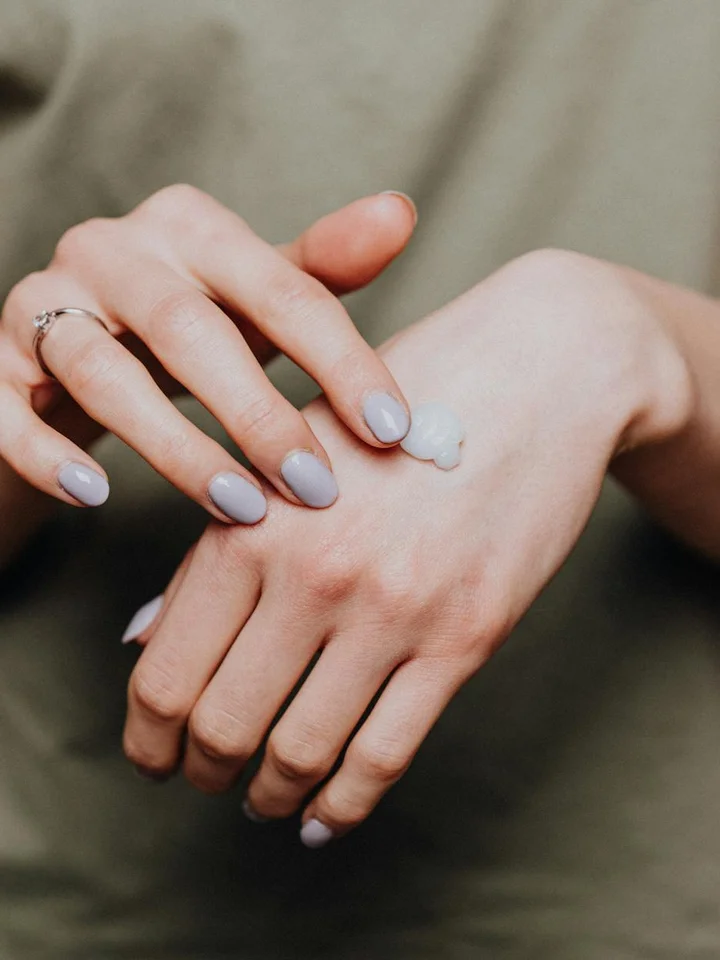
Think of this not as a rule, but as a strategy. The best method is the one that gets you the results you want with the least amount of irritation.
Here’s a simple way to decide. Ask yourself two questions:
- Are you new to retinoids, or does your skin sting, flake, or redden easily?
- If yes, start with the Buffering Method (Moisturizer First).
- After 4 to 6 weeks, is your skin tolerating it well with minimal dryness or redness?
- If yes, you can consider trying the Direct Method (Retinoid First) for potentially stronger effects.
Let’s look at how this works for real skin. My client Noah has dry, reactive skin. For him, buffering is non-negotiable. Applying his fragrance-free moisturizer first creates a protective buffer that slows the delivery of the tretinoin, preventing a painful flare-up. He’ll likely always use this method, and that’s perfectly effective.
Maya, with her oily, acne-prone skin, often starts with the direct method. Her resilient skin barrier can usually handle it. But she’s learned to listen to her skin and switch to buffering on nights when her skin feels tight or stressed from other products. This flexibility prevents her from tipping into irritation.
And Lina, with her combination skin? She often uses a hybrid approach. She might apply her retinoid directly on her oily T-zone but buffer it over moisturizer on her drier, more sensitive cheeks. This targeted strategy addresses her different skin zones perfectly.
The core truth is this: your skin’s needs can change daily based on stress, weather, or your cycle. There is no single right answer for everyone, only what’s right for your skin’s current condition. The goal is consistent, comfortable use, not enduring a painful process.
The Interaction Matrix: What to Mix With Your Retinoid & What to Avoid
Think of your retinoid as a powerful, focused messenger. What you layer with it can either help that message get delivered calmly or start an argument on your skin. This isn’t about fear, it’s about strategy.
Getting the sequence right with moisturizer is one thing, but the ingredients inside your products matter just as much. Pairing your retinoid with compatible ingredients can boost your results and comfort, while mixing it with the wrong ones can lead to frustration and a damaged skin barrier.
Here’s a quick-reference guide to the most common players in your routine.
| Ingredient | Category | Quick Notes |
|---|---|---|
| Niacinamide | Synergy | Calms redness & reinforces your skin’s barrier. |
| Hyaluronic Acid | Synergy | Draws in water to hydrate, counteracting dryness. |
| Peptides | Synergy | Supports skin’s repair and collagen production. |
| Ceramides | Neutral | Repairs & protects. A perfect, safe teammate. |
| Squalane | Neutral | Lightweight, non-comedogenic moisture. Very safe. |
| Benzoyl Peroxide | Conflict | Can oxidize and deactivate some retinoids. |
| AHA/BHA (Glycolic, Salicylic Acid) | Conflict | High risk of severe irritation when used together. |
| Vitamin C (L-ascorbic Acid) | Conflict | Different pH needs; can be overly stimulating together. |
Synergies: Your Retinoid’s Best Friends
These ingredients work *with* your retinoid to make the experience more effective and comfortable. They are ideal candidates for your moisturizer or serum applied in the same routine.
Niacinamide is my top recommendation for anyone starting a retinoid. It’s like giving your skin a calming drink of water while builders are renovating the house. It directly helps soothe the irritation and redness retinoids can cause while strengthening your skin’s natural barrier. My client Noah, with his dry, reactive skin, found his tolerance for tretinoin improved dramatically once he used a niacinamide serum first.
Hyaluronic Acid (HA) provides the hydration your skin craves as it retinizes. Remember, retinoids work by accelerating skin cell turnover, which can temporarily compromise your barrier and lead to water loss. Applying HA to damp skin, then your retinoid, followed by a moisturizer, creates a hydrating sandwich that keeps plumpness in and flakiness out.
Peptides support the “rebuild” phase that retinoids trigger. While retinoids signal your skin to make fresh collagen and elastin, peptides are the building supplies that help get the job done. They are gentle, supportive, and perfect for nourishing mature or fragile skin undergoing renewal.
Conflicts: Ingredients to Use at Separate Times
This isn’t a moral judgment on these ingredients-they’re fantastic on their own. But using them in the same routine as your retinoid is often a recipe for a red, angry, stingy face.
Benzoyl Peroxide can chemically degrade some forms of retinol and tretinoin, making them less effective. If you need both for acne, the standard advice is to use one in the morning (BP) and the other at night (retinoid). Always check with your prescriber for the best plan. A practical retinol benzoyl peroxide guide can help you tailor the routine. It covers timing, concentrations, and safe layering to maximize effectiveness while minimizing irritation.
Direct exfoliating acids (AHA like glycolic, BHA like salicylic) dramatically increase your risk of severe irritation, peeling, and a compromised barrier. It’s simply too much direct cell-removing action at once. I advise my clients, like Maya who is acne-prone, to use her salicylic acid cleanser in the morning only if she’s using a retinoid at night, and to drop acid-based toners or peels on retinoid nights entirely.
For most people, I suggest avoiding high-potency Vitamin C serums in the same routine as your retinoid. Both are potent actives with different optimal pH levels. Using them together can be overwhelming for the skin. A simpler, safer strategy is Vitamin C in the morning (with sunscreen!) and your retinoid at night.
The Neutral Team: Gentle Support Players
These are the unsung heroes of your retinoid journey. They don’t directly boost its function, nor do they fight with it. They provide the fundamental, gentle support your skin needs to stay healthy.
Ceramides are the mortar between your skin’s bricks. Retinoids can temporarily loosen that mortar. A moisturizer rich in ceramides helps repair and maintain your barrier, reducing sensitivity and transepidermal water loss. This is non-negotiable for skin types like Noah’s.
Squalane is a nearly identical match to your skin’s own sebum. It’s lightweight, deeply hydrating, and non-comedogenic. It acts as a perfect protective layer without interfering with your retinoid’s work. Lina, with her combination skin, loves using a few drops of squalane oil over her moisturizer on dry cheek areas on retinoid nights.
When in doubt, a simple, fragrance-free moisturizer built around these neutral, barrier-supporting ingredients is always a safe and intelligent choice to follow your retinoid.
Formulation Pro-Tip: Why Texture and pH Are Your Silent Guides
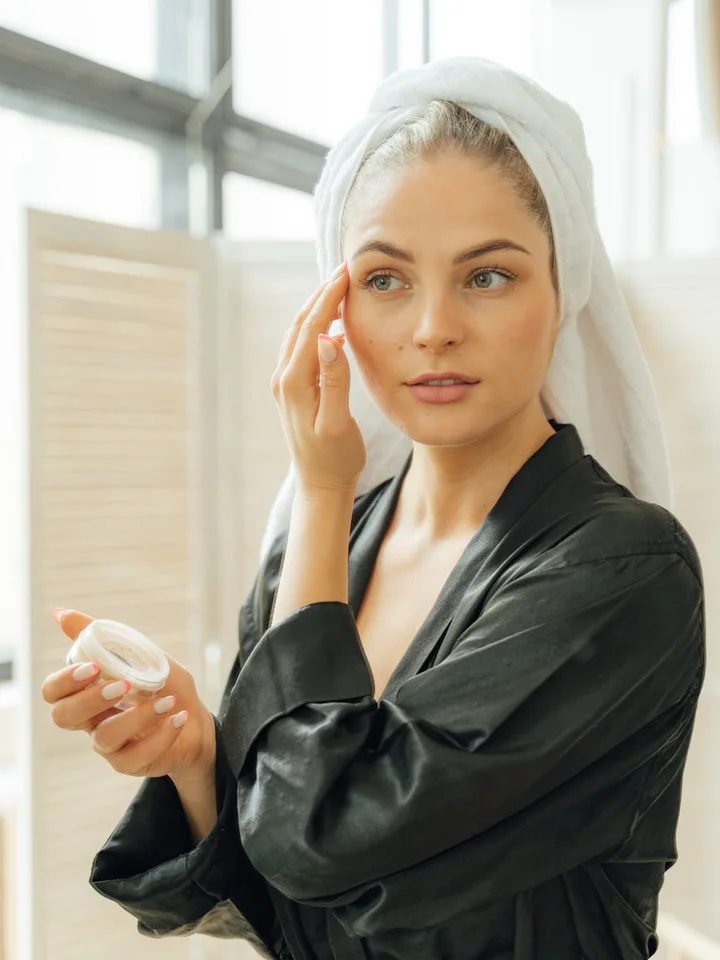
Think of your skincare routine as a recipe where the order of ingredients matters. The texture of your products and the pH of your skin are like the silent instructions that determine how well your retinoid will work.
1. Texture Determines the Barrier
Imagine applying a thick, occlusive moisturizer before your tretinoin. That cream acts like a protective blanket sitting on top of your skin. This blanket will physically block a significant amount of the active tretinoin from penetrating deeply where it needs to work. For someone like Noah, who loves rich creams for his dry skin, applying it after the retinoid is non-negotiable.
On the flip side, a very lightweight, water-based lotion or serum creates much less of a barrier. If your skin is sensitive and you need that buffer, a light hydrator first can be a smart move. The rule is simple: the thicker and more occlusive the product, the more it will interfere if applied first.
2. The Delicate Matter of pH
Retinoids, including retinol and tretinoin, are most effective in a slightly acidic environment. Your skin’s natural acid mantle provides this. Applying a product with a high (alkaline) pH right before your retinoid can temporarily raise your skin’s surface pH and neutralize the retinoid’s activity.
Common culprits with a higher pH include some traditional bar soaps and foaming cleansers. You don’t need to obsess over numbers, but it’s wise to avoid using a high-pH cleanser immediately before your retinoid step. A gentle, low-pH cleanser sets the ideal stage.
3. The Ideal Canvas for Application
For the most effective absorption, your retinoid prefers a clean, slightly damp, or perfectly prepped canvas. Here is the best way to prepare:
- Cleanse with a gentle, low-pH formula.
- Pat your skin gently until it’s just damp, not dripping wet. Slightly damp skin can help with spreadability.
- Alternatively, apply a simple, pH-balanced toner or essence. Think of it as a primer that ensures the surface is receptive.
- Then, apply your retinoid. This method gives it the clearest path to your skin without significant blockers in its way.
Lina, with her combination skin, finds that a hydrating toner applied to her whole face before her retinol serum helps it absorb evenly without feeling tight on her drier cheeks. Starting with skin that just has water or a simple toner is the gold standard for retinoid efficacy.
Special Case: Layering with Adapalene Gel
If you’re searching “can I apply adapalene after moisturizer,” you’re likely using a product like Differin. This is a fantastic question, and the answer helps you manage that classic adapalene tightness.
Adapalene, a retinoid used for acne, follows the same core principle as tretinoin: applying it to dry skin is key, and moisturizer can act as a buffer. The main difference is the vehicle. Adapalene is often formulated in a gel base, which can feel particularly drying or stripping as it evaporates.
For most people using adapalene to manage breakouts, I recommend the buffering method. Applying a light, non-comedogenic moisturizer first creates a protective layer that helps counteract the gel’s drying effect without fully blocking its efficacy. Think of it as laying down a thin, hydrating primer before the treatment. This is a strategy my client Maya, who uses adapalene for her oily, acne-prone skin, finds indispensable for avoiding a tight, uncomfortable feeling. Some moisturizers are specifically formulated to be compatible with adapalene treatment, helping maintain hydration without diminishing performance. When selecting, prioritize oil-free, non-comedogenic products labeled suitable for sensitive or acne-prone skin.
Buffering with a simple, light lotion can make your adapalene routine more comfortable and sustainable, which is the ultimate goal for clear skin.
After applying your adapalene gel, proceed with caution. I advise against immediately slathering on a thick, occlusive cream. A heavy cream applied right over the gel can trap the active ingredient against your skin, potentially increasing penetration and irritation. If your skin needs more moisture, wait at least 20 minutes for the adapalene to absorb fully, then tap on your richer moisturizer only where you need it, like on drier cheek areas.
Your Retinoid & Moisturizer Layering Questions, Answered
Can I mix my retinol with moisturizer to save time?
We don’t recommend mixing them in your hand. Combining them dilutes the retinoid’s precise formulation, making application uneven and its effects less predictable.
What if I forget to wait before applying moisturizer?
Don’t worry-just carry on. Consistency is more important than perfection; gently pat your moisturizer on and aim for a full wait time at your next application to maintain efficacy.
Should I use moisturizer around my eyes when using a retinoid?
Yes, apply your moisturizer to the eye area first. This creates a protective barrier, as retinoids should not be applied directly to the delicate eye contour where they can cause irritation.
Your Skin, Simplified: Layering Retinoids and Moisturizer
Ultimately, managing retinoids is about balancing effectiveness with comfort for your unique skin. I guide my clients to use moisturizer as a protective buffer with tretinoin and as a follow-up sealant after retinol has settled, which keeps skin calm and supported.
- Apply moisturizer before tretinoin if your skin is sensitive or dry, like Noah’s, to reduce irritation.
- Wait about 15 to 20 minutes after retinol before moisturizing to let it absorb properly.
- Always use a gentle, fragrance-free moisturizer to maintain your skin barrier.
- Pair your retinoid routine with daily sunscreen to protect your skin.
Skin care is a personal journey, and I’m here to help you navigate it with evidence and empathy. For more practical advice on cruelty-free routines, follow along on the LuciDerma blog. If you have questions about your skin, just reach out-I read every message and love helping you find your glow.
Lucy Zimmerman
Lucy is an expert author and blogger when it comes to skin care and body care. She has first hand expertise acting as skin care consultant for over 5+ years helping her clients achieve smooth blemish free skin with natural and working remedies. She also has been an avid experimenter and tried out all the natural and artificial remedies and treatments so you can learn from her first hand experience. Additionally, she has traveled to many countries around the world and incorporated the skin care routines she has learnt into this blog. So, wait no more, reach out to Lucy if you have any specific needs and follow her blog, LuciDerma for expert skin care advice.