
Centella Asiatica in Skincare: Soothe, Heal, and Strengthen Your Skin
If your skin often feels irritated, reactive, or just needs a reset, you might be looking for a powerful yet gentle botanical ally. Centella asiatica, or cica, is that kind of superstar ingredient, and I’ve seen it transform skin for many of my cautious clients.
By the end of this guide, you will know exactly why this humble herb deserves a spot in your routine.
- What Centella Asiatica is and the key compounds that make it so effective for skin.
- How it works in your skincare to calm flare-ups, support healing, and reinforce your skin’s natural barrier.
- Exactly when and how to use it in your routine for your specific skin concerns.
- How to spot quality Centella products and pair them with other ingredients.
You’ll have the clear, practical knowledge to use this soothing powerhouse with total confidence.
What Is Centella Asiatica and Why Is It in My Skincare?
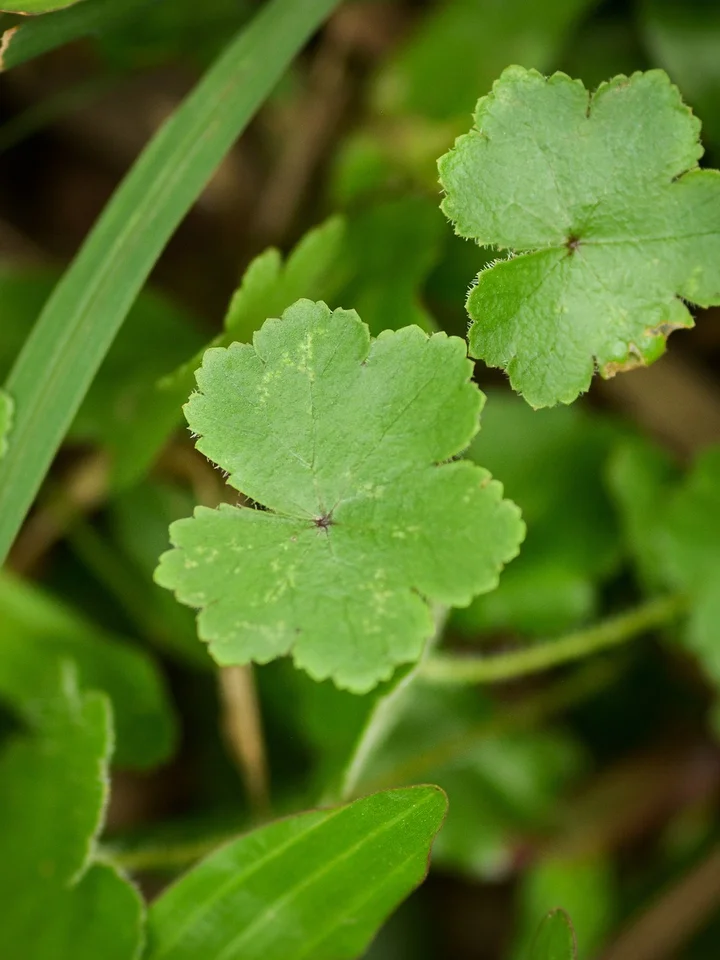
If you’re scanning ingredient lists, you might see “Centella Asiatica Extract” and wonder what it is. Let’s clear that up right away: this is a plant, not a synthetic chemical created in a lab. It’s a creeping herb, sometimes called gotu kola or tiger grass, that grows in wetlands across Asia. You’re putting a time-tested botanical on your skin. Authentic Centella Asiatica extract is sourced carefully to ensure quality.
Its use isn’t new. For centuries, it’s been a cornerstone in traditional healing systems like Ayurveda and Traditional Chinese Medicine, often used to help wounds heal faster and calm irritation. That long history of safe, effective use is a big part of why modern skincare science has embraced it.
Think of centella as a first-aid kit for your skin barrier. For clients like Noah, with his dry, reactive skin, it acts like a soothing friend that helps put out fires of redness and reinforces the skin’s own defenses. It’s the ingredient you reach for when your skin feels stressed, sensitive, or simply needs a hug.
The Centella Molecule Spec Sheet: Core Properties
To understand why it’s so effective, we need to look at its key components. The magic of centella comes from four main active compounds: madecassoside, asiaticoside, madecassic acid, and asiatic acid. Together, they’re often called centelloids or cica compounds.
Here’s a quick, practical breakdown of what you’re working with:
| pH Range | Typically formulated to be skin-friendly (around 4.5 – 7), so it plays nicely with your acid mantle. |
| Common Concentrations | Varies widely. A product might contain 1-10% centella extract, or a purified form like 0.1-0.5% madecassoside for targeted treatments. |
| Solubility | Water-soluble. This means you’ll often find it in toners, essences, light serums, and gel-creams that absorb quickly. |
| Safety Profile | Excellent. It’s generally well-tolerated, even by very sensitive skin types, and is considered non-comedogenic. |
So, a cosa serve la centella asiatica-what is centella asiatica used for? Those active compounds each have a job. Madecassoside is the superstar for soothing; it tells your skin to dial down inflammation and redness on contact. Asiaticoside encourages healthy collagen production, which aids in skin repair. The acids (asiatic and madecassic) provide antioxidant protection and support the overall healing process.
This combination makes it a versatile multitasker. It’s hydrating, calming, and helps strengthen your skin’s barrier over time. For someone like Lina, who deals with combination sensitivity, a centella serum can soothe her reactive cheeks without aggravating her T-zone. Always patch test a new product, but you can feel confident this is one of the gentlest, most supportive ingredients you can choose.
The Soothing Superpower: Key Anti-Inflammatory Benefits

Think of a flushed, irritated complexion like a fire alarm blaring in your skin. Centella Asiatica is the expert who arrives to switch it off and air out the room. Its magic lies in how it directly calms the cellular-level reactions that cause visible redness and heat.
For skin, inflammation isn’t just about a sunburn or a rash. It’s the root cause of many frustrating concerns. When your skin barrier is weak or aggravated, it sends constant “danger” signals. Centella intercepts these signals. Its active compounds, like madecassoside, work by quieting the skin’s alarm system-technically, they inhibit pro-inflammatory cytokines. This means your skin stops overreacting to every little trigger.
Applying a product with Centella is like giving your skin a cool compress from the inside out, helping to settle that persistent, uncomfortable flush.
This makes it a hero ingredient for specific skin types and situations. If you have rosacea, your skin’s alarm system is hypersensitive. Centella helps lower the volume, reducing the frequency and intensity of flare-ups. For my client Noah, with his dry, reactive skin, a Centella serum became his go-to buffer against environmental stress and harsh weather, preventing the tight, red reactions he used to get.
It’s also indispensable for post-procedure care. After treatments like chemical peels, laser, or even meticulous extractions, skin is inflamed by design. Centella aids the healing process not by masking redness, but by genuinely calming the underlying irritation, which can help support smoother recovery.
- Best for: Rosacea-prone skin, reactive or sensitive skin (like Noah’s), post-treatment healing, and general redness relief.
- Feels like: Immediate relief from stinging or heat. The skin often feels quieter and less “angry” to the touch.
- Practical tip: Look for it in calming toners, serums, or lightweight gels you can apply before your moisturizer for targeted relief.
Your Skin’s Repair Crew: Healing and Barrier Support
Think of your skin’s top layer as a team of construction workers constantly repairing the surface. When you get a scratch, a burn, or a popped pimple, that team kicks into high gear. Centella Asiatica acts as the foreman, organizing the crew and speeding up the timeline.
The key compounds, asiaticoside and madecassoside, tell your skin to produce more collagen and new skin cells right where they’re needed. This isn’t just about sealing a wound; it’s about rebuilding the area properly to minimize lasting marks. I often explain it to clients like this: healing without the right support can leave a messy, uneven patch, while healing with Centella encourages a smoother, stronger finish.
Centella Asiatica doesn’t just patch the hole; it guides your skin to rebuild its structure from the inside out, which is why it’s so valuable for healing acne marks and small injuries.
Reinforcing Your Moisture Barrier
Your skin’s moisture barrier is like the mortar between bricks. If it’s weak, moisture escapes (hello, dryness) and irritants sneak in (hello, redness). A compromised barrier is at the root of many skin frustrations, from tightness to sudden sensitivity.
Centella helps in two direct ways. First, it boosts the skin’s own production of ceramides and hyaluronic acid, which are the essential “glue” and “sponge” that hold water in. Second, its anti-inflammatory action calms the irritation that often further weakens the barrier. This one-two punch helps your skin better defend itself.
By calming inflammation and supporting your skin’s natural moisturizing factors, Centella Asiatica helps repair a leaky barrier, so your skin feels more resilient and less reactive. My client Noah, with his dry, reactive skin, found that a Centella serum made his complexion far less prone to flaking and blotchiness from wind or dry air. It’s especially effective for those dealing with rosacea and other sensitivity issues.
Putting It Into Practice: Healing Everyday Skin Struggles
So, what does this mean for your daily routine? This repair power makes Centella a versatile ally for specific concerns:
- Fading Post-Acne Marks: After a pimple heals, the red or brown mark left behind is often inflammation lingering in the skin. Centella’s healing and anti-inflammatory actions help calm that residual discoloration, encouraging clearer skin faster. It’s a gentler alternative for marks where you might not want to use a strong acid.
- Soothing Small Scratches & Burns: For minor kitchen nicks, cat scratches, or superficial burns, a clean Centella cream or gel can provide a protective, healing layer. Remember, for serious wounds, always see a doctor first.
- Fixing a Compromised Barrier: If your skin feels tight, stings with products, or looks rough and flaky, your barrier needs help. Incorporate a Centella-based moisturizer or serum into a simple, gentle routine. Avoid active ingredients like retinoids or strong acids until your skin feels stronger.
A crucial safety note: while Centella is excellent for healing, you should never apply any product, even one with Centella, into an open, actively weeping wound. Always patch test a new product on a small area of your inner arm before using it on your face, especially if your barrier is already impaired.
Hydration and Antioxidant Protection
Let’s clear up a common mix-up first. Centella asiatica is not a humectant. It doesn’t act like hyaluronic acid or glycerin, which are molecules that grab water from the air and hold it onto your skin’s surface. Its role is more foundational.
Think of it as a barrier supporter. By calming irritation and encouraging healthy skin function, it helps your skin’s natural moisture barrier stay strong and intact. A resilient barrier is better at preventing water loss. My client Noah, with his dry, reactive skin, noticed his moisturizer seemed to work better and longer once he added a Centella serum-his skin was finally calm enough to hold onto the hydration.
Centella asiatica helps your skin hold onto its own moisture by fortifying its natural protective barrier. Ceramide types form the backbone of that barrier, regulating moisture retention and defense against irritants. Strengthening these lipids can boost overall skin resilience.
Shielding Your Skin from Daily “Rust”
This is where Centella truly shines as a daily defender. Its powerful antioxidants, like madecassoside, work to neutralize free radicals. You can think of free radicals as little particles of “rust” generated by pollution, UV rays, and daily stress. This rust causes damage at a cellular level.
Antioxidants in Centella donate electrons to stabilize these rogue molecules, preventing them from harming your skin’s proteins, lipids, and DNA. It’s a preventative measure you apply every morning.
- Targets: Pollution particles, UV-induced oxidative stress, and general environmental aggressors.
- Result: Helps prevent the dullness, uneven tone, and weakened resilience that come from cumulative daily damage.
- Best For: Anyone in an urban environment, daily commuters, or those noticing their skin looks tired or lackluster by midday.
Supporting Skin Structure Over Time
By consistently protecting your skin from this oxidative “rust,” Centella asiatica indirectly supports anti-aging efforts. Free radicals attack collagen and elastin, the proteins that keep skin firm and springy. By neutralizing the attackers, Centella helps protect these vital structures from breakdown.
This isn’t about plumping wrinkles away overnight like a targeted retinoid might. Its anti-aging benefit is more about long-term, preventative protection of your skin’s supportive collagen network. For my client Lina, who is cautious about strong actives, using a Centella-infused moisturizer provides a gentle layer of defense that complements her sunscreen, helping to maintain her skin’s bounce.
As with any active, if you have persistent concerns about deep wrinkles or significant photoaging, a consultation with a dermatologist can help you build the most effective routine.
How to Use Centella Asiatica in Your Routine: A Practical Guide
Think of centella asiatica as your skin’s reliable best friend, ready to help in almost any situation. You can find it in nearly every type of product, which makes it wonderfully easy to add to your regimen.
Here’s a quick tour of the formats:
- Cleansers & Toners: These offer a gentle, calming wash or a first layer of soothing. They’re perfect for setting a calm tone for your entire routine, especially if your skin feels reactive.
- Serums & Ampoules: This is where centella truly shines. These concentrated formulas deliver a high dose of actives like madecassoside right where your skin needs it. I often recommend these as the core treatment step.
- Creams & Moisturizers: Ideal for locking in hydration and forming a protective, repairing barrier. Look for these if your primary goal is soothing dryness or strengthening compromised skin.
- Masks & Spot Treatments: These are your emergency responders. A centella hydrogel mask is my go-to for post-sun care, while a targeted spot treatment can calm a burgeoning pimple overnight.
Let’s translate this into real routines. The key is to place centella products after cleansing and before your final moisturizer or sunscreen.
Sample Routine for Lina (Combination, Sensitive Skin)
Lina needs to balance her oily T-zone without upsetting her sensitive cheeks. Her routine focuses on targeted calming.
Morning:
- Gentle, low-pH cleanser.
- A centella and niacinamide toner to soothe and lightly regulate oil.
- A lightweight centella serum focused on madecassoside for her cheek areas.
- Oil-free moisturizer on T-zone, a slightly richer one on cheeks.
- Sunscreen (centella can make a great calming primer underneath).
Evening:
- Oil-based cleanser followed by water-based cleanser.
- The same centella toner to re-soothe.
- (2-3 times a week) A gentle BHA exfoliant on the T-zone only, followed by her centella serum all over to counteract potential sensitivity.
- Reparative night cream with centella and ceramides.
Sample Routine for Maya (Oily, Acne-Prone Skin)
For Maya, centella helps manage the inflammation that comes with breakouts, without adding heaviness.
During a Flare-Up:
- Gentle foaming cleanser.
- A pure centella asiatica “water” or mist, like those from A’pieu, to instantly cool and reduce redness.
- A centella serum paired with salicylic acid or niacinamide.
- Light gel-cream moisturizer with centella.
- As a final step, a centella-infused hydrocolloid patch directly on any angry spots.
After using a strong exfoliant or retinoid, applying a layer of a simple centella cream is like giving your skin a cool drink of water and telling it everything is going to be okay. For daily maintenance, using a centella toner or serum can keep baseline inflammation low, which may help prevent some breakouts before they start.
Finding Your Perfect Centella Product
Not all centella products are created equal. Reading the ingredient label tells you what you’re really getting.
- Centella Asiatica Extract or Centella Asiatica Leaf Water: This is a full-spectrum extract, containing all the beneficial compounds. It’s a great, well-rounded choice.
- Madecassoside, Asiaticoside, Madecassic Acid, Asiatic Acid: These are the isolated superstar compounds. Products listing these are targeting very specific pathways, like intense barrier repair (madecassoside) or collagen stimulation (asiaticoside).
Texture is your guide to function. A lightweight centella water mist absorbs instantly, offering a quick refresh. A rich barrier-repair cream with centella and ceramides sits on the skin longer, providing lasting protection and healing. For someone like Noah with dry, reactive skin, that richer cream is a lifesaver. For Maya’s oily skin, the mist or a gel serum prevents clogged pores.
Pair centella with other actives to address multiple concerns. For oil and pores, look for it alongside niacinamide. For dry, fragile skin, seek out formulas with ceramides and fatty acids. This synergistic approach is how you build a truly intelligent routine.
When and How Often to Apply Centella
While some people search about taking centella asiatica orally, our focus is on the direct, topical benefits for your skin. The beauty of this ingredient is its flexibility and ability to combine with other actives to enhance its effects.
You can use centella asiatica safely both morning and night. In your morning routine, it helps calm skin and reduce redness, creating a perfectly soothed canvas for your sunscreen and makeup. Think of it as a protective shield against daily environmental stress.
At night, its reparative properties go to work, supporting your skin’s natural recovery process as you sleep. If your skin is feeling particularly irritated or compromised, applying a centella product twice daily is not only safe but encouraged.
For most people, daily use is perfectly fine. When your skin is stressed, inflamed, or recovering from a treatment, you can confidently use it multiple times a day for consistent soothing support. Always listen to your skin-it will tell you if the frequency is right.
Contraindications & Safety Warnings
Centella asiatica is famously gentle, but a few thoughtful precautions ensure you use it safely and effectively.
Pregnancy & Breastfeeding
Using Centella asiatica topically, as in serums or creams, is generally considered safe during pregnancy and breastfeeding. The research focuses on topical application, not high oral doses. My standard advice is always to share your full skincare routine with your obstetrician or doctor, as they know your complete health picture. It’s a simple, reassuring step.
Potential for Allergic Reactions
Allergies to Centella are rare, but possible, as with any plant ingredient. I’ve seen this most often in clients with known sensitivities to plants in the Apiaceae family, like parsley or carrots.
The solution is simple: always perform a patch test with any new product containing Centella. Apply a small amount to the inside of your forearm or behind your ear once a day for three days. If you see redness, itching, or swelling, rinse it off and discontinue use.
Use on Broken Skin or Open Wounds
This is an important distinction. While Centella is brilliant at calming irritation and supporting the repair of compromised skin (like a cracked barrier or a healing blemish), it is not a substitute for medical wound care.
If you have severe abrasions, surgical incisions, or deep open wounds, consult your doctor before applying any skincare product, even one with healing properties like Centella. For minor, surface-level irritations, it’s typically a fantastic help.
An Ideal Choice for Sensitive Skin
If you’re hesitant about active ingredients, let this reassure you. Centella asiatica is one of the most well-tolerated actives in skincare. My client Noah, who has dry, reactive skin, describes a good Centella serum as “a cool, quiet hug for his face.” It calms without provoking. Its mechanism is to support your skin’s own resilience, making it a cornerstone ingredient for sensitive, redness-prone, or stressed complexions, especially for those who might find more aggressive acids challenging.
Centella Asiatica vs. Other Soothing Ingredients
Centella asiatica is a superstar, but it doesn’t work alone. To understand its true value, let’s see how it stacks up against other popular calming ingredients. This helps you choose the right tool for your skin’s moment.
Centella Asiatica vs. Niacinamide
Both are brilliant for calming redness and irritation, but they come at the problem from different angles. Think of niacinamide as a multi-tasking manager for your skin barrier. It helps regulate oil production, minimizes the look of pores, and improves barrier function, which indirectly reduces sensitivity.
Centella, on the other hand, is like an emergency repair crew sent directly to the site of inflammation. Its active compounds (like madecassoside) tell your skin cells to calm down and focus on healing. If your primary concerns are oily skin, enlarged pores, or general barrier support alongside redness, niacinamide is your go-to. If you’re dealing with reactive flares, post-procedure redness, or sensitive skin that stings easily, centella asiatica is often the more targeted choice.
Centella Asiatica vs. Oats (Avena Sativa)
Colloidal oatmeal is the gold standard for immediate, soothing relief-it’s why it’s in so many products for eczema and itchy skin. It forms a protective, emollient film on the skin that relieves discomfort on contact.
Centella provides that soothing sensation too, but its superpower is backed by robust clinical data for active wound healing and stimulating collagen. Oats are fantastic for putting out the immediate fire of itch and dryness, while centella asiatica is exceptional for repairing the skin’s structure after the fire is out. For my client Noah, with his dry, reactive skin, a wash with colloidal oatmeal can stop the itch, but a serum with centella helps his skin recover its resilience faster.
Centella Asiatica vs. Aloe Vera
This is a classic comparison. Aloe vera is a fantastic, natural hydrator and surface cooler. It’s what you reach for after a sunburn for that instant, fresh relief. Its action is primarily on the skin’s surface.
Centella asiatica works on a deeper, cellular level. While aloe soothes the top layer, centella’s actives penetrate to help quiet the inflammatory signals and support skin repair from within. Aloe vera is like splashing cool water on your face; centella asiatica is like drinking a tall glass of water to hydrate your whole body-the repair work happens internally.
Why and How to Layer Them
You don’t have to choose just one. Layering these ingredients can be a strategic way to address both instant comfort and long-term repair.
Here’s a practical approach I often recommend:
- Start with a calming cleanser or toner containing aloe or oats. This removes impurities without stress and provides that first layer of surface soothing.
- Apply a centella asiatica serum or ampoule. This allows its active compounds to absorb deeply and get to work on cellular repair and reducing underlying inflammation.
- Seal it in with a moisturizer that may contain niacinamide or more centella. This final step reinforces the barrier and locks in all the benefits.
For example, Lina, with her combination, sensitive skin, might use an aloe gel on her warm, flushed cheeks for instant coolness, then apply a centella serum all over to tackle deeper redness and strengthen her skin over time. Layering a surface soother with a deeper repair agent like centella gives you both immediate comfort and lasting resilience. As always, patch test when introducing new products, especially when layering.
Building a Routine Around Centella for Common Concerns
The real magic of an ingredient shows up when you use it the right way for your skin. Think of centella asiatica as a versatile team player. It supports your other products while doing its own calming work. Here is how I build routines for my clients Maya, Noah, and Lina.
For Acne-Prone & Oily Skin (Maya)
Maya’s skin tends to flare up with red, tender bumps. Her biggest needs are calming that inflammation and preventing new clogged pores without stripping her skin. A heavy cream would feel suffocating.
I guide her toward lightweight, water-based formulas. A centella serum or gel is perfect. Look for one paired with salicylic acid, which cleans out pores, or zinc, which helps control oil and is anti-microbial. The centella immediately soothes the redness and discomfort that often comes with acne treatments.
For skin like Maya’s, apply a centella serum after cleansing and before your moisturizer to calm inflammation and support healing without adding heaviness.
- Morning: Gentle cleanser, centella + zinc serum, oil-free moisturizer with SPF.
- Evening: Gentle cleanser, centella + salicylic acid treatment (on affected areas), light moisturizer.
For Dry, Reactive Skin (Noah)
Noah’s skin often feels tight, looks flaky, and turns pink at the slightest provocation. His skin barrier is compromised, like a wall with cracks in it. Centella helps repair the wall, but he needs the “bricks and mortar” too.
This is where a rich barrier cream comes in. We look for centella combined with ceramides and fatty acids. The ceramides are the bricks that fill gaps in the skin, the fatty acids are the mortar that holds them together, and the centella is the repair crew that reduces the inflammation causing the damage.
A centella-infused barrier repair cream is ideal for dry, reactive types, providing soothing relief while actively strengthening the skin’s protective layer.
- Routine Focus: Fragrance-free cleanser, hydrating toner if desired, a pea-sized amount of a centella barrier cream pressed gently onto damp skin morning and night.
- Pro Tip: On extra reactive days, Noah can use the cream as a soothing mask, leaving a thin layer on for 10 minutes before gently blotting off the excess.
For Combination, Sensitive Skin (Lina)
Lina has an oily T-zone but dry, sensitive cheeks. Her challenge is addressing two different needs without using ten different products. Centella offers a unified solution because it benefits both oily and dry areas through calming.
We start with a centella toner or mist for her whole face. This delivers an initial layer of hydration and calm. For her dry cheeks, she follows with a centella-rich moisturizer to lock in that hydration and continue soothing. Her oily T-zone might only need the toner and a touch of sunscreen.
Using a centella toner all over addresses overall sensitivity, while reserving richer centella creams for drier zones prevents the oily areas from feeling overloaded.
- Evening Routine: Oil-based cleanser (to remove sunscreen), gentle water-based cleanser, centella toner patted over entire face, centella moisturizer pressed only onto cheeks and drier jawline.
The Key to Seeing Results: Simplicity & Consistency
With a calming ingredient like centella, patience and consistency win the race. You cannot calm chronic irritation with a product you use once a week. The goal is to build a simple, repeatable routine that your skin tolerates well every day.
Introduce one new centella product at a time and use it consistently for at least 4-6 weeks to fully appreciate its barrier-supporting and anti-inflammatory effects. If you layer on five new active ingredients at once and your skin reacts, you will not know which one caused it. Start simple, let centella do its steady work, and then you can consider adding another targeted treatment if needed.
Your Centella Asiatica Questions, Answered
Can I use Centella Asiatica every day?
Absolutely. Its gentle, supportive nature makes it ideal for daily use in both morning and evening routines. Consistent use is key for building long-term resilience and maintaining a calm, strong skin barrier.
Will Centella clog my pores or cause breakouts?
No, it is generally non-comedogenic and well-tolerated even by oily, acne-prone skin. In fact, its anti-inflammatory properties can help calm the redness and irritation associated with breakouts.
Can I layer Centella with active ingredients like retinoids?
Yes, and I often recommend it. Using a Centella serum or moisturizer can help soothe and buffer skin, mitigating potential irritation from potent actives like retinoids or acids.
Your Skin’s New Best Friend: Wrapping Up on Centella
Think of Centella Asiatica as a multi-tasking skin soother, not a miracle cure. Its real power is in providing consistent, gentle support, especially if your skin feels reactive or compromised.
- Reach for a Centella serum or cream when your skin feels irritated, red, or stressed.
- For daily prevention, look for it in your moisturizer or toner to quietly strengthen your skin barrier.
- Always pair it with a proven sunscreen; it’s a helper, not a substitute for UV protection.
- Choose formulas from brands that prioritize clean, sustainable sourcing to get the best from the plant.
I love hearing how these ingredients work for you. If you’re wondering whether a Centella product is right for your version of sensitive skin-be it like Noah’s dryness or Lina’s combination type-send your questions to the blog. We’re here to help you build a calmer, happier skin routine.
Lucy Zimmerman
Lucy is an expert author and blogger when it comes to skin care and body care. She has first hand expertise acting as skin care consultant for over 5+ years helping her clients achieve smooth blemish free skin with natural and working remedies. She also has been an avid experimenter and tried out all the natural and artificial remedies and treatments so you can learn from her first hand experience. Additionally, she has traveled to many countries around the world and incorporated the skin care routines she has learnt into this blog. So, wait no more, reach out to Lucy if you have any specific needs and follow her blog, LuciDerma for expert skin care advice.