
Non-Comedogenic Makeup and Creams for Acne-Prone Skin: What Actually Works
Choosing makeup and treatment creams when you have acne-prone or sensitive skin often feels like navigating a minefield. I guide clients like Lina through this every week, and the right, gentle products are your best defense.
By the end of this article, you will be able to:
- Decode product labels to find formulas that won’t clog your pores or cause irritation.
- Select treatment creams that hydrate and repair your skin barrier without triggering breakouts.
- Build a layered routine with makeup that provides coverage while letting your skin breathe and heal.
Your search for clear, calm skin is about to get much simpler.
What does ‘non-comedogenic’ actually mean for your skin?
At its simplest, “non-comedogenic” means a product is formulated not to clog your pores. Think of a comedone as the fancy clinical word for a clogged pore, which can become a blackhead or a whitehead. A non-comedogenic product aims to avoid creating that traffic jam.
Here’s the critical part you need to know: this term is not strictly regulated by agencies like the FDA. Any brand can put it on a label. This means “non-comedogenic” is a starting point for your research, not a guaranteed seal of approval. You become the final judge by learning what works for your unique skin.
I like to explain it with a clothing analogy. A heavy, occlusive formula is like a thick, non-breathable plastic raincoat for your pores-it traps everything inside. A well-formulated non-comedogenic product is more like a soft, breathable cotton t-shirt. It allows your skin to function normally without suffocating it.
For my clients with acne-prone or sensitive skin, like Maya and Noah, this is the foundation of a calm routine. Clogged pores are the first step toward a new breakout, and for sensitive skin, clogging can lead to redness and irritation. Choosing truly non-clogging formulas helps prevent new problems and gives your skin the space it needs to heal existing ones.
How to find non-comedogenic products you can actually trust
Since the label itself isn’t a guarantee, your new skill is becoming a savvy label reader. Look past the marketing and into the ingredient list (the INCI list). Some products also carry certifications from groups like the National Eczema Association, which have stricter standards for non-irritating, pore-friendly formulas.
Here’s my simple, 3-step guide for scanning any product label, in-store or online:
- Check the Vehicle. Look at the first five ingredients, which make up the bulk of the product. Prefer lightweight bases like water (aqua), aloe, squalane, and some silicones like dimethicone (which can be non-comedogenic in many formulas). Be cautious if heavy oils or butters like coconut oil or cocoa butter are at the top.
- Spot the Supportive Actives. Look for proven, gentle ingredients that benefit blemish-prone or sensitive skin, such as niacinamide, hyaluronic acid, or zinc. Their presence often signals a thoughtfully formulated product.
- Do a Fragrance Check. For sensitive skin, the word “fragrance” or “parfum” can be a red flag for irritation, which can worsen acne. “Unscented” is not the same as “fragrance-free”-unscented can use masking fragrances.
A question I hear often is, “Is BB cream non-comedogenic?” The honest answer is: it depends entirely on the formula. A BB cream is just a type of product, like a soup. Some soups are light broths, some are heavy chowders. You must check the specific ingredient list of the BB cream you’re considering using the steps above.
Molecule Spec Sheet: Your Quick-Reference Guide
This table breaks down common non-comedogenic and skin-friendly ingredients. Think of it as a cheat sheet for what you’re likely to see on a good label, especially when understanding their comedogenic ratings.
| Ingredient | Typical pH Range | Common Concentration | Solubility | Safety & Notes |
|---|---|---|---|---|
| Niacinamide (Vitamin B3) | 5.0 – 7.0 | 2% – 10% | Water-soluble | Exceptionally well-tolerated. Reduces redness, regulates oil, and strengthens the skin barrier. A top pick for both Maya (acne-prone) and Noah (sensitive). |
| Hyaluronic Acid | 6.0 – 7.5 | 0.1% – 2% | Water-soluble | A hydration magnet. It draws water into the skin without feeling heavy or clogging. Perfect for providing weightless moisture to all skin types. |
| Zinc PCA | 5.5 – 7.0 | 1% – 5% | Water-soluble | A gentle oil regulator and anti-inflammatory. Less drying than some other acne ingredients, making it a good option for sensitive, acne-prone skin. |
| Squalane | Neutral (~7) | 5% – 100% | Oil-soluble | A botanical-derived oil that mimics your skin’s own sebum. It’s lightweight, non-comedogenic, and excellent for balancing both dry and oily areas-Lina with her combination skin loves it. |
| Ceramide NP | 5.0 – 6.5 | 0.5% – 5% | Oil-soluble | A foundational lipid for repairing the skin barrier. Crucial for sensitive or reactive skin (like Noah’s) that needs to recover and strengthen its defenses. |
Always patch test a new product on a small area of your jawline or inner arm for a few days before applying it to your entire face. This is the most reliable way to see how your unique skin will respond, regardless of what the label promises.
Building your gentle, pore-friendly makeup routine

Think of your makeup not as a mask, but as the final, protective layer of your skincare. The right choices can actually support your treatment plan by providing a physical shield against pollutants and preventing you from touching your face.
Let’s break down the categories, focusing on formula types that typically play well with acne-prone, sensitive skin.
- Primer: Look for silicone-based formulas (with dimethicone or cyclopentasiloxane) that create a smooth canvas. They fill in uneven texture and help foundation last without sinking into pores. For very oily skin like Maya’s, a mattifying primer with silica can be a game-changer.
- Foundation & Concealer: Liquid and mineral powder formulas are generally your safest bets. Liquid foundations labeled “water-based” or “serum” foundations often have lighter textures. Mineral powders, made from zinc oxide and titanium dioxide, are naturally soothing and offer buildable coverage.
The best non-comedogenic makeup product is the one you apply sparingly and remove thoroughly every single night. Instead of a branded list, use this framework to choose: prioritize products labeled “non-comedogenic,” “oil-free,” or “for sensitive skin.” Always check the ingredient list for known irritants if you’re reactive like Noah. To identify non comedogenic makeup skincare in practice, observe how your skin responds over a few days. In the next steps, we’ll share practical ways to spot non comedogenic options.
Your application technique matters just as much as the product. Start with a tiny dot of foundation on the back of your hand, pick it up with a clean brush or fingertip, and blend outward. You can always add more. Always remove makeup with a gentle, creamy cleanser that dissolves product without stripping your skin’s barrier. A double cleanse (first with the creamy cleanser, then with your regular facial wash) ensures nothing is left behind to cause trouble overnight.
Choosing a base: tints, foundations, and concealers that breathe
Your coverage needs will change day-to-day. For minimal “my skin but better” days and for drier skin types, a tinted moisturizer or a skin tint is ideal. These are packed with hydrating ingredients and offer a sheer wash of color. Noah, with his dryness, finds these prevent his skin from looking parched or flaky under makeup.
For days when you need more coverage to even out redness or post-acne marks, a lightweight liquid foundation works well. Maya prefers these because they can be built up just where she needs it-like over a healing spot-without feeling heavy or cakey on her oily T-zone.
Key non-comedogenic ingredient heroes to look for include silica, which absorbs excess oil, and dimethicone, a silicone that forms a breathable barrier without clogging. Hyaluronic acid is also a great sign; it provides hydration in a weightless way. These ingredients are commonly found in non-comedogenic moisturizers, helping hydration without clogging pores. Being familiar with non-comedogenic moisturizer ingredients makes label-reading easier when you shop.
One of the biggest makeup pitfalls for acne-prone skin is using dirty applicators or layering too many thick products. A brush or sponge caked with old foundation, oil, and bacteria is a direct ticket to new breakouts. Wash your tools weekly. Also, avoid the temptation to layer a heavy concealer, then a heavy foundation, then a heavy powder—especially if you’re not using non-comedogenic products designed for acne-prone skin. This creates a thick, occlusive blanket that can trap oil and dead skin cells. Choose one area to focus your coverage and keep the rest of your face light.
The treatment creams that calm acne without causing clogged pores
Think of your treatment creams as the skilled technicians of your routine. While cleansers and sunscreens are the essential foundation, these creams are the workhorses that do the actual repair and prevention work on your skin.
The key is to know which type of cream your skin needs at any given moment. Using the wrong one can set you back, while the right one can calm a flare-up overnight.
Daily moisturizers vs. spot treatments vs. barrier-repair creams
Not all creams are created equal. Choosing the right one starts with understanding their job.
- Daily Moisturizers: These are your all-over hydrators. For acne-prone skin, they should feel light, absorb quickly, and provide hydration without heavy oils or waxes. Their main job is to keep your skin barrier happy so it can better defend itself.
- Targeted Spot Treatments: These are your emergency responders. They are higher concentrations of active ingredients (like salicylic acid or benzoyl peroxide) meant to be dabbed precisely on an active pimple, not smeared all over your face. Using them as a moisturizer will likely irritate and dry you out.
- Barrier-Repair Creams: These are the rehab specialists. If your skin feels raw, tight, or stings after washing, this is what you reach for. They are rich in ingredients that mimic your skin’s natural protective layer, like ceramides and fatty acids, to help heal sensitivity caused by treatments or over-washing.
So, what are the best non-comedogenic treatment creams? The answer depends entirely on your skin’s primary goal right now.
- For soothing active redness and irritation, look for creams with centella asiatica or licorice root.
- For hydrating without clogging pores, a gel-cream with hyaluronic acid or squalane is a safe bet.
- For treating breakouts, a cream with azelaic acid or a low percentage of retinol can work gently over time.
I often get asked about specific products, like “Is 345 Cream non-comedogenic?” or “Is Ambi Fade Cream non-comedogenic?” My rule is to never trust a label at face value, always check the ingredient deck. Brands can market a product as “oil-free” or “for acne-prone skin,” but the final formula is what matters. Look up the ingredients online and scan for common, heavy pore-cloggers like coconut oil, cocoa butter, or certain silicones like dimethicone at the top of the list. If in doubt, a quick patch test on a small area of your jawline for a week will tell you more than any claim.
Key treatment ingredients that are safe for sensitive, acne-prone skin
These ingredients are the reliable friends your skin needs. They get the job done without the drama.
- Ceramides: These are the fatty molecules that hold your skin cells together, like the mortar between bricks. Replenishing them strengthens your skin’s barrier, which helps reduce sensitivity and prevents moisture loss. They are inherently non-comedogenic and soothing because they mimic what your skin already makes.
- Niacinamide (Vitamin B3): This is a true multitasker. It helps regulate oil production, calms redness, and improves the look of pores. It’s water-soluble, so it won’t clog pores, and it’s generally well-tolerated even by reactive skin types like Noah’s.
- Azelaic Acid: A superstar for treating rosacea-related bumps and regular acne. It gently exfoliates inside the pore to unclog it, reduces inflammation, and helps fade post-acne marks. It’s less irritating than many other acids and is often prescribed for sensitive skin.
- Centella Asiatica (Cica): Think of this as a cooling aloe vera but more powerful. It’s packed with compounds that speed up skin healing, reduce redness, and soothe irritation on contact. It’s a perfect base for barrier-repair creams.
- Licorice Root Extract: A brilliant natural ingredient for calming. It contains glabridin, which helps inhibit redness and can brighten dark spots left behind from old pimples, making it a gentle two-in-one treatment.
Choosing the right combination is where the art comes in. For a client like Lina, with her combination and sensitive skin, I often recommend a light daily moisturizer with ceramides and niacinamide. This combo helps balance oil in her T-zone while simultaneously reinforcing the delicate skin on her cheeks, treating her whole face without causing conflict between zones.
When to be extra careful: contraindications and safety warnings
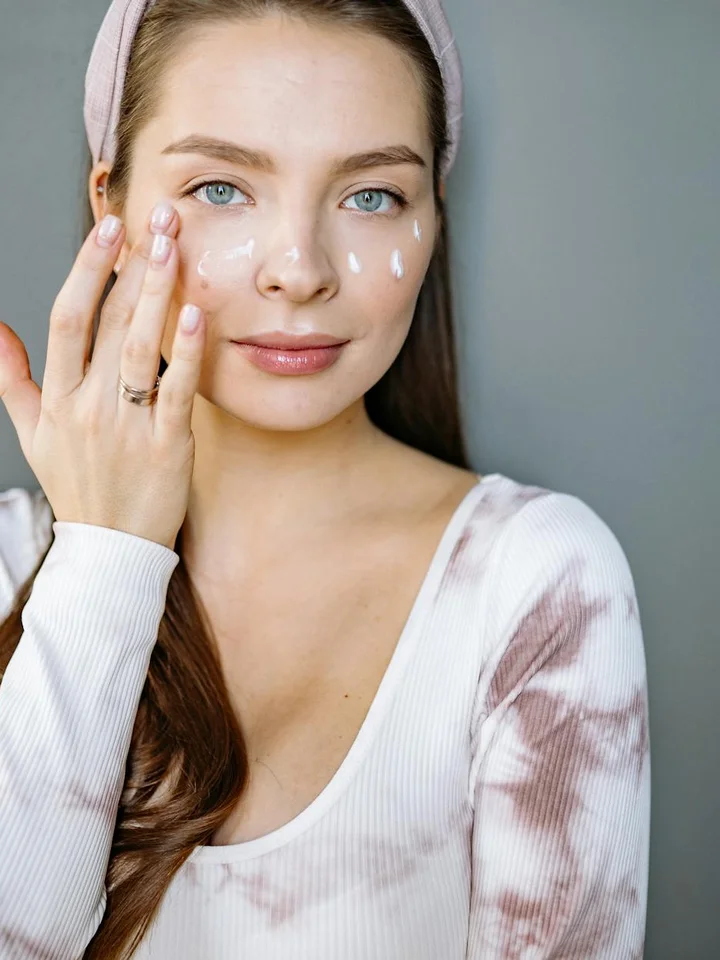
Even the gentlest, most carefully formulated product can cause a problem if your skin isn’t ready for it. Think of it like putting on a new, soft sweater over a bad sunburn. The timing matters. My client Noah reminds me of this; his dry, reactive skin taught me to always check the current state of the skin barrier before introducing anything new.
When Not to Try New Products
Press pause on testing any new makeup or treatment cream if your skin is in one of these states. Your priority should be calming and healing, not experimenting.
- During active, weeping breakouts. Open lesions are direct pathways for bacteria and potential irritation. Focus on your trusted spot treatments and healing balms first.
- If your skin barrier is severely compromised. This means widespread redness, stinging with water, tightness, or flaking. Your skin’s protective wall is down, and new ingredients are more likely to cause a reaction.
- Immediately after professional treatments. If you’ve just had a chemical peel, laser, or microneedling, your dermatologist or esthetician will give you a post-care protocol. Stick to it. Introducing a new product can disrupt healing and cause damage.
- When you’re experiencing an unexplained rash or allergic reaction. Get that cleared up with a professional diagnosis before adding another variable to the mix.
The Non-Negotiable: Patch Testing
I tell every client, from cautious Noah to curious Lina, the same thing: never skip the patch test. It’s a 48-hour insurance policy for your face.
- Apply a small amount of the product (a pea-sized dot is plenty) to a discreet area. The inside of your arm or behind your ear works well.
- Leave it on for 48 hours. Do not wash it off.
- Watch for any signs of redness, itching, swelling, or bumps. If you see nothing, the product is likely safe for a trial run on a small area of your face, like the jawline.
This step is crucial for sensitive skin, as a reaction on your arm is far easier to manage than a full-face flare-up.
Special Considerations: Allergies and Pregnancy
Some ingredients require an extra layer of caution. Always read the full ingredient list (INCI).
For those with known allergies: Be vigilant about cross-reactors. For example, if you have a ragweed allergy, you may also react to chamomile or calendula in cosmetics. If you’re allergic to wool fat (lanolin), avoid it in lip balms and creams.
For those who are pregnant, breastfeeding, or trying to conceive: This is a time to be especially conservative. Discuss all skincare with your OB/GYN or dermatologist. Commonly, clinicians advise avoiding high-dose retinoids (like prescription tretinoin) and salicylic acid in high concentrations over large areas. Opt for pregnancy-safe alternatives like azelaic acid or glycolic acid in low percentages, but always get personalized medical advice first.
Your daily blueprint: combining makeup and treatment without conflict
The hardest part isn’t choosing the products. It’s figuring out the order of operations. I see many clients, like Lina, who love her foundation but worry her acne treatment won’t work underneath it. The secret is in the layering and, sometimes, in giving your skin a break. Here are two simple frameworks to follow.
Sample Routine 1: The Makeup Day
This is for days when you want coverage and confidence. The goal is to create a smooth, hydrated base so your makeup sits nicely and your treatment can still work.
Morning (AM):
- Gentle Cleanser: Use a lukewarm water rinse or a sulfate-free cleanser. This removes overnight sweat without stripping your barrier.
- Treatment (Optional): If you use a leave-on treatment like a niacinamide serum or a lightweight azelaic acid formula, apply it to dry skin now. Let it absorb for 60 seconds.
- Moisturizer: Apply a light, non-comedogenic moisturizer. This is your buffer and hydration layer.
- SPF 30+: This is non-negotiable. Acne-prone skin is especially vulnerable to post-inflammatory hyperpigmentation from sun exposure. Use a mineral or hybrid sunscreen formulated for sensitive skin.
- Makeup: Apply your non-comedogenic foundation or concealer. Look for labels that say “oil-free” and “for sensitive skin.”
Evening (PM):
- Double Cleanse: First, use a micellar water or cleansing balm to dissolve makeup and sunscreen. Follow with your gentle facial cleanser to wash everything away.
- Treatment: This is your prime time for actives. After cleansing, apply your prescribed retinoid or treatment serum. Remember, less is more.
- Moisturizer: Seal everything in with a calming moisturizer. If your skin feels dry from treatment, a cream with ceramides or squalane can be very soothing.
Sample Routine 2: The Treatment-Focused Day
This is for days at home, or when your skin feels reactive and needs minimal interference. Think of this as your skin’s “recovery day.” My client Noah finds this approach vital for managing his dry, reactive skin.
Morning (AM):
- Water Rinse: Simply splash with lukewarm water. Avoid cleanser to preserve your skin’s natural oils.
- Moisturizer: Apply your moisturizer to damp skin to lock in hydration.
- SPF 30+: Even indoors, UVA rays come through windows. Apply sunscreen as the final step.
Evening (PM):
- Gentle Cleanser: Wash away the day’s SPF and any environmental grime.
- Treatment: With no makeup to compromise, you can apply your treatment to perfectly clean, dry skin. Allow it to fully absorb.
- Soothing Moisturizer or Facial Oil: Follow with a richer, barrier-supporting moisturizer. For very dry or irritated patches, a drop of pure jojoba or squalane oil can be incredibly healing.
Your skin’s needs can change daily, and the most effective routine is the one you can consistently follow without stress. Pay attention to what your skin tells you. If a product stings or causes redness, pause and simplify back to just cleanser, moisturizer, and SPF for a few days. Progress with acne-prone, sensitive skin is rarely a straight line. It’s about building a resilient barrier first, then carefully introducing treatments. A minimalist, patient approach almost always wins the long game.
Your Non-Comedogenic Questions, Answered
How can I make sure my acne treatment is effective under my makeup?
Apply your treatment to clean, dry skin and let it absorb fully before adding moisturizer and makeup. This creates a direct pathway for actives to work without being blocked by other layers.
Are all oils and silicones bad for acne-prone skin?
No, many are non-comedogenic heroes. Lightweight oils like squalane and certain silicones like dimethicone can provide moisture and create a breathable barrier without clogging pores, which is why they’re in many trusted formulas.
My skin has finally calmed down. How do I maintain this?
Consistency with your gentle, pore-friendly routine is key. You can consider this your skin’s new baseline, only reintroducing or testing one new product at a time to monitor your skin’s response.
Your Blueprint for Happy, Healthy Skin
Choosing makeup and creams for acne-prone, sensitive skin boils down to one simple rule: listen to your skin. Always prioritize products labeled non-comedogenic and fragrance-free, as these are formulated to avoid clogging pores and causing irritation, giving your skin the clean slate it needs to heal. For ongoing care, pair these with a lightweight, non-comedogenic moisturizer designed for acne-prone skin to maintain hydration without clogging pores. When shopping, look for options labeled non-comedogenic to support your skin’s recovery.
- Read every label for “non-comedogenic” or “oil-free” to ensure makeup and creams won’t block your pores.
- Introduce only one new product at a time, testing it on a small area like your jawline for a week.
- Opt for mineral-based powder or liquid makeup, which typically contains fewer potential irritants than some heavy, creamy formulas.
- Commit to a gentle, double-cleansing routine every evening to thoroughly remove all makeup and treatment layers.
- Never underestimate a good moisturizer; even oily skin needs hydration from a lightweight, water-based gel or lotion.
In my practice, clients like Lina found that this mindful approach turned frustrating trial-and-error into a confident routine. Your skin journey is personal, and we build our blog to be a reliable resource for it, answering the questions you face every day. We’re here to help with practical, ethical choices that support your skin’s long-term health.
Lucy Zimmerman
Lucy is an expert author and blogger when it comes to skin care and body care. She has first hand expertise acting as skin care consultant for over 5+ years helping her clients achieve smooth blemish free skin with natural and working remedies. She also has been an avid experimenter and tried out all the natural and artificial remedies and treatments so you can learn from her first hand experience. Additionally, she has traveled to many countries around the world and incorporated the skin care routines she has learnt into this blog. So, wait no more, reach out to Lucy if you have any specific needs and follow her blog, LuciDerma for expert skin care advice.