
Adapalene for Acne: Your Realistic Timeline and Shelf Life Check
I hear you asking how long adapalene takes to work for acne, and whether that tube in your cabinet is still good. It’s a smart pair of questions I get from cautious clients like Noah all the time.
By the end of this article, you will be able to:
- Understand how adapalene clears acne at the source, so you can trust the process even when patience is thin.
- Map out a realistic week-by-week expectation for your skin, helping you spot progress without second-guessing.
- Easily check your product’s shelf life after opening, ensuring every drop is effective and safe for your skin barrier.
You’ve got this, and I’m here to guide you through every step.
The Adapalene Molecule: A Quick Chemistry Snapshot
Before we get into timelines, it helps to know a little about what you’re putting on your skin. Think of this as a quick spec sheet for adapalene.
| Chemical Class | Synthetic retinoid (a vitamin A derivative) |
| pH Stability | Stable across your skin’s natural pH range |
| Common Concentration | 0.1% (over-the-counter), 0.3% (prescription) |
| Solubility | Lipophilic (it’s oil-loving) |
| Safety Notes | Photo-stable (doesn’t break down easily in light), generally less irritating than some older retinoids |
Why does this chemistry lesson matter for your skin? Its stability is a superpower. Because it’s photo-stable, it doesn’t degrade quickly on your shelf or when it’s on your skin, making it a reliable nighttime (or daytime, with sunscreen) worker. That same stability is why it can be formulated with benzoyl peroxide, a common acne fighter that would cancel out other retinoids.
Most importantly, that lipophilic, oil-loving nature means it can dive into your pores to work where acne starts. If a salicylic acid wash is like a street sweeper cleaning the surface, adapalene is like a gentle, persistent worker inside the pore, helping to normalize how skin cells behave over time.
Your Realistic Adapalene Timeline: What to Expect Week-by-Week
So, how long before adapalene works? I tell my clients to think in phases, not days. Consistency is your best friend here.
Phase 1: The Adjustment (Weeks 1-4)
This is often the toughest part. Your skin is getting used to a new pace of cell turnover. You might see more breakouts in areas where you typically get them. This is often called the “purge,” and it’s a normal sign the ingredient is working.
The key is to tell the difference between a normal purge and true irritation: a purge happens in your usual breakout zones, while irritation (stinging, burning, severe redness) can happen anywhere you apply the product.
If your skin feels sensitive, try short-contact therapy. Apply adapalene to clean, dry skin, leave it on for 5-10 minutes, then rinse it off and follow with your moisturizer. Gradually increase the contact time as your skin adjusts.
My client Maya, who has oily, acne-prone skin, saw a few more cysts along her jawline during week three. We stuck with her routine, used a calming moisturizer, and by week five, those spots had cleared and weren’t coming back.
Phase 2: Initial Improvements (Weeks 4-12)
After the initial adjustment, you should start to see the tide turn. Active breakouts begin to heal faster, and new ones form less frequently. You might notice your skin texture smoothing out, with fewer clogged pores or rough patches.
This is a phase of gradual progress, not overnight miracles. Celebrate the small wins, like a shorter pimple life cycle or less oily skin.
This is also when any initial dryness or flaking usually subsides as your skin retinizes, or adapts. If you’re still very dry, reassess your moisturizing step you might need a richer, barrier-supporting cream.
Phase 3: Maintenance and Clarity (3-6 Months and Beyond)
For optimal, lasting results, you need to think long-term. Around the three-month mark is when many people see significant clearing of inflammatory acne. The real magic for overall clarity and preventing new clogs happens with continued use.
This is also the phase where adapalene can really help with the aftermath: post-inflammatory hyperpigmentation (those dark marks left after a pimple heals). By steadily increasing healthy cell turnover, it helps fade those marks more quickly over time.
Think of this phase as your new normal. Many people continue using adapalene several nights a week to maintain results and keep skin cell turnover in a healthy rhythm.
What Slows Down or Speeds Up Your Results? Key Factors
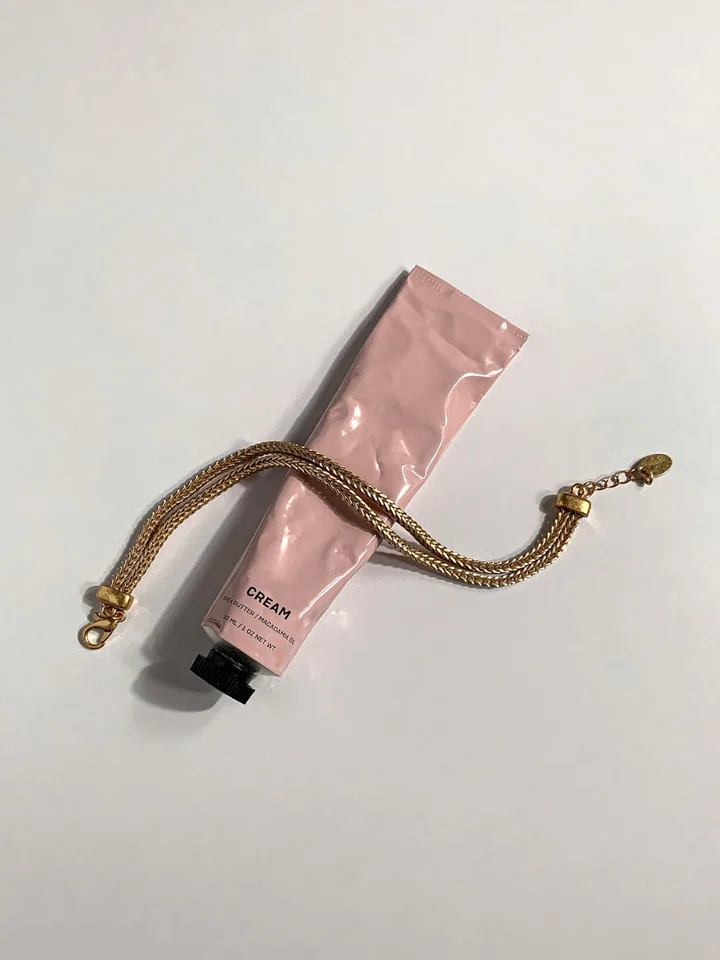
While the general adapalene timeline is a helpful guide, your personal journey will be unique. Think of it like a commute: the estimated time can change based on traffic, your vehicle, and how you drive. These four factors are the traffic lights and road conditions for your skin.
Factor 1: Your Acne Type
Adapalene works on all acne, but the type you have changes how quickly you see improvement. I often explain it to clients like this: adapalene is a fantastic pore plumber and inflammation manager.
If your main concern is comedonal acne-those tiny flesh-colored bumps (whiteheads) or blackheads-you might notice a smoother texture within 4 to 8 weeks. The retinoid is efficiently clearing the pore congestion.
For inflammatory acne-the red, painful, swollen papules and pustules-the initial “purge” can be more noticeable. You are likely to see a reduction in the number and severity of these inflamed breakouts after the first 8 to 12 weeks of consistent use. The medication is working from deep within the pore to prevent the formation of these painful spots, which takes a full skin cycle.
Factor 2: Your Skin’s Sensitivity
This is where someone like my client Noah needs to be especially strategic. If your skin barrier is already compromised, reactive, or naturally very dry, jumping straight into nightly use is a recipe for setback.
Starting too fast can cause significant peeling, stinging, and redness. This irritation forces you to stop and repair your barrier, which pauses your progress. A slower, gentler ramp-up-like applying it over moisturizer twice a week initially-protects your barrier and leads to better long-term results, even if it extends your initial phase by a few weeks. Listening to your skin is not a delay; it’s smart strategy.
Factor 3: Your Companion Products
What you use with your adapalene can make or break your progress. The biggest mistake I see is adding other potent actives too soon, hoping to speed things up.
- Using a salicylic acid (BHA) cleanser every morning and night.
- Applying an alpha hydroxy acid (AHA) toner or serum in your routine.
- Using physical scrubs on sensitive, retinoid-treated skin.
These can overwhelm your skin, leading to irritation that mimics a bad breakout or a damaged barrier. For the first three months, keep your routine simple: a gentle cleanser, a good moisturizer, and sunscreen. Treat other actives like loud party guests-invite them in only after the main event (adapalene) is comfortably settled.
Factor 4: Consistency (The Non-Negotiable)
Adapalene is not a spot treatment. It’s a long-term treatment that works by steadily changing how your skin cells behave. Skipping nights is like missing doses of an antibiotic; it gives acne a chance to regroup.
Applying it consistently, every other night or every night as your skin tolerates, is the single most important thing you can do to see results on time. Inconsistent use resets progress and draws out the initial adjustment period. Think of it like brushing your teeth: it’s the daily, quiet habit that prevents the big problems.
How to Use Adapalene Correctly for Faster, Safer Results
Think of starting adapalene like training for a marathon, not a sprint. Your skin needs a consistent, gentle routine to adapt without a major rebellion of redness and peeling. Getting the technique right by applying adapalene correctly is what separates a successful journey from a frustrating one.
Your Gentle Evening Routine: A Step-by-Step Guide
Follow this order every night. Consistency is your most powerful active ingredient here.
- Cleanse. Use a gentle, hydrating cleanser. We want to remove dirt and oil, not strip your skin barrier. Pat your face dry with a clean towel-no rubbing.
- Apply your treatment moisturizer to damp skin. This is the optional but often crucial “buffer” step. Applying a simple, fragrance-free moisturizer to slightly damp skin helps fortify your barrier before the adapalene arrives.
- Wait for your skin to dry completely. This is non-negotiable. Setting a timer for 10-15 minutes is a great idea. Applying adapalene to damp skin can drive it deeper and cause significantly more irritation.
- Apply a pea-sized amount of adapalene. Literally, one pea for your entire face. Dot it on your forehead, cheeks, nose, and chin, then gently spread it outwards, avoiding the eye area, lips, and the sensitive corners of your nose.
- Follow with your moisturizer again if needed. If your skin still feels tight or you have a drier skin type like Noah, you can apply another light layer of moisturizer. This is the “sandwich” method.
The “Sandwich Method” for Sensitive Skin
If you have reactive or dry skin like my client Noah, starting with this method can be a game-changer. You’re literally sandwiching the adapalene between two layers of moisturizer (step 2 and step 5 from the routine above).
This buffer doesn’t make the adapalene less effective; it helps your skin tolerate it better by slowing absorption and minimizing irritation. Think of it like putting a protective blanket on your lawn before a frost-the ground still gets cold, but the grass isn’t shocked. After 2-4 weeks, as your skin adjusts, you can try moving the moisturizer to after the adapalene only.
What You Must Avoid
Adapalene makes your skin more efficient at renewing itself, but also more vulnerable. Protect your progress by steering clear of these skincare products with medications that can interact with it.
- The Eye Area & Lips: The skin here is too thin and sensitive. Apply your eye cream first to create a barrier.
- Other Retinoids or Strong Exfoliants: Do not use adapalene with retinol creams, tretinoin, or AHAs/BHAs like glycolic or salicylic acid in the same routine. You risk severe irritation.
- Physical Scrubs & Harsh Cleansers: Skip grainy scrubs, rough washcloths, and foaming cleansers with sulfates. They compromise the barrier adapalene is working on.
- Sun Exposure Without Protection: This is so critical it gets its own section below.
The Non-Negotiable Partner: Daily Sunscreen
If you only follow one piece of advice, let it be this. Adapalene increases your skin’s sun sensitivity and sun damage will directly reverse your progress and worsen post-inflammatory dark spots.
Apply a broad-spectrum SPF 30 or higher every single morning, rain or shine, and reapply every two hours if you’re outdoors. This isn’t just about preventing burns; it’s about protecting your investment in clearer skin. For my client Maya, finding a lightweight, non-comedogenic sunscreen was the final key to managing her acne marks while using her treatment.
How Long Does Adapalene Stay Effective? Shelf Life & Storage
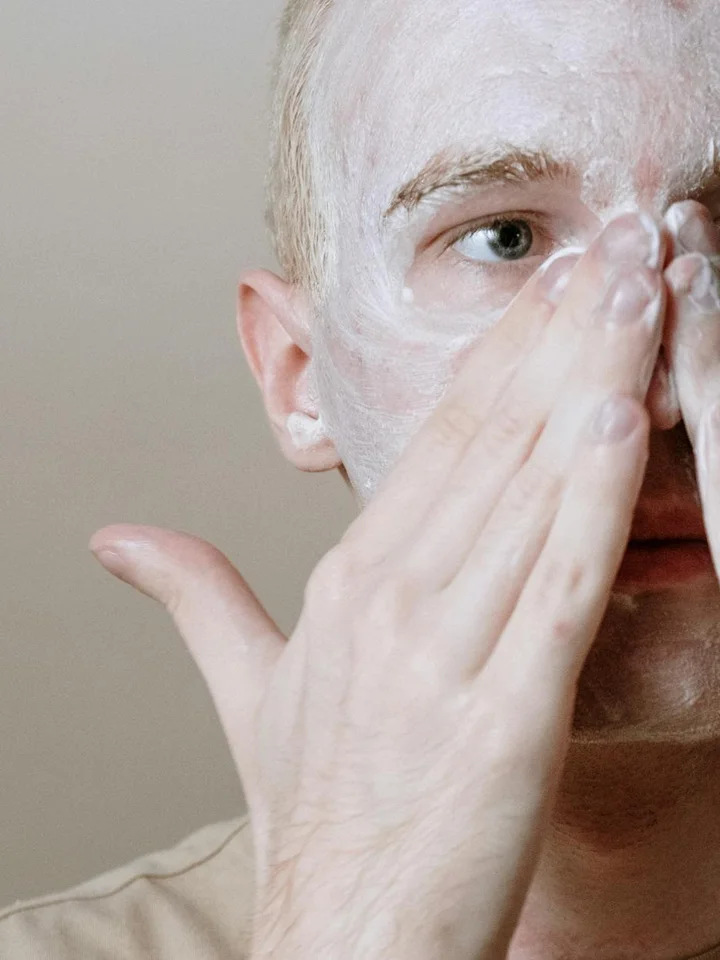
Once you’ve opened a tube of adapalene, you have about 12 months to use it before its stability and effectiveness begin to decline. This is the general rule for most retinoid formulas.
You’ll find this timeframe printed right on the packaging, often as a small symbol of an open jar with a number and the letter ‘M’ inside it, like 12M. This is the Period After Opening (PAO) indicator, a required cosmetic standard in many regions. It exists because once a product is unsealed, its active ingredients are exposed to air and light, which can slowly break them down.
The PAO Symbol: Your Product’s Expiration Clock
Think of the PAO symbol as a “best by” date that starts the moment you twist off the cap for the first time. The clock is ticking from that day forward. While an unopened tube in a cool cupboard might last years past its printed expiration date, an opened tube has a firm 12-month lifespan.
I always remind my cautious client, Noah, to take a permanent marker and write the opening date right on the tube. It takes the guesswork out and ensures you’re always using a product at its most potent.
How to Store Your Adapalene Correctly
Where you keep your adapalene directly impacts whether it makes it to that 12-month mark. Proper storage is non-negotiable for maintaining its strength.
- Keep it in a cool, dark, and dry place. A bedroom drawer or a dedicated skincare box in a closet is perfect.
- Never store it in your bathroom. The constant heat and humidity from showers create a harsh environment that accelerates the degradation of active ingredients.
- Always screw the cap on tightly immediately after use to minimize air exposure.
Shelf Life & Oxidation Signs: How to Tell If Your Adapalene Has Gone Bad
Even within that 12-month window, a poorly stored product can oxidize and degrade. Using a degraded retinoid is ineffective and can be more irritating to your skin. Before each use, do a quick visual and sensory check.
If you notice any of the following three changes, it’s time to safely dispose of the tube and start a fresh one.
- Change in Color: Fresh adapalene gel or cream is typically white or very pale. If it has turned a distinct yellow or yellowish-brown, the formula has oxidized.
- Change in Texture: The formula should be smooth and consistent. If it has become runny and separated, feels gritty, or has dried out and hardened, its integrity is compromised.
- Change in Odor: Take note of its original, mild medicinal scent. If it develops a sharp, sour, or noticeably “off” chemical smell, that’s a clear sign of breakdown.
When in doubt, throw it out. It’s better to use a fresh, effective product for a shorter time than to persist with one that’s lost its power and could upset your skin barrier.
The Truth About Expired Adapalene: Chemistry and Safety
So, how long can you use that tube of adapalene gel? The answer lives in the difference between two dates: the expiration date printed on the box and the stability after you twist off the cap.
The printed expiration date assumes the tube is sealed and unopened. Once you break that seal, you introduce air, light, and bacteria, which starts a clock. Most dermatologists advise using an opened topical treatment like this for 6 to 12 months.
Using it past this point isn’t about immediate danger, it’s about it simply stopping its job.
What Happens Inside the Tube
Let’s talk simple chemistry. The active molecule, adapalene, is stable in its dark, airtight tube. But when you open it, oxygen gets in. This can cause oxidation, which slowly breaks down the molecule’s structure.
Think of a freshly sliced apple. Left on the counter, it turns brown and mushy because oxygen changes it. Nothing “toxic” appears, but it’s no longer a crisp, effective apple. The same quiet degradation happens to adapalene.
The gel base can also separate or dry out, making application uneven. You might be applying the same pea-sized amount, but the amount of actual, working adapalene in that pea is shrinking each day.
The Safety Stance: Ineffective, Not Dangerous
Here’s the reassuring part for my cautious clients like Noah: using a slightly expired adapalene gel is very unlikely to harm your skin or cause a bad reaction. The main risk is one of wasted time and frustration.
You’ll be going through the motions of your routine, possibly even dealing with the initial dryness or purging, but without getting the full therapeutic benefit. You’re essentially applying an inactive product, which is the real skincare sin here.
One Simple Habit for Confidence
Life is busy, and no one remembers when they opened a tube. My universal advice is this: the moment you open a new tube, grab a permanent marker and write the date right on it.
“OPENED 10/26/2023” is all you need. Toss it after a year. This tiny habit removes all the guesswork and ensures you’re always using a product that can actually perform for you.
Merging Adapalene with Your Full Routine: A Gentle Guide
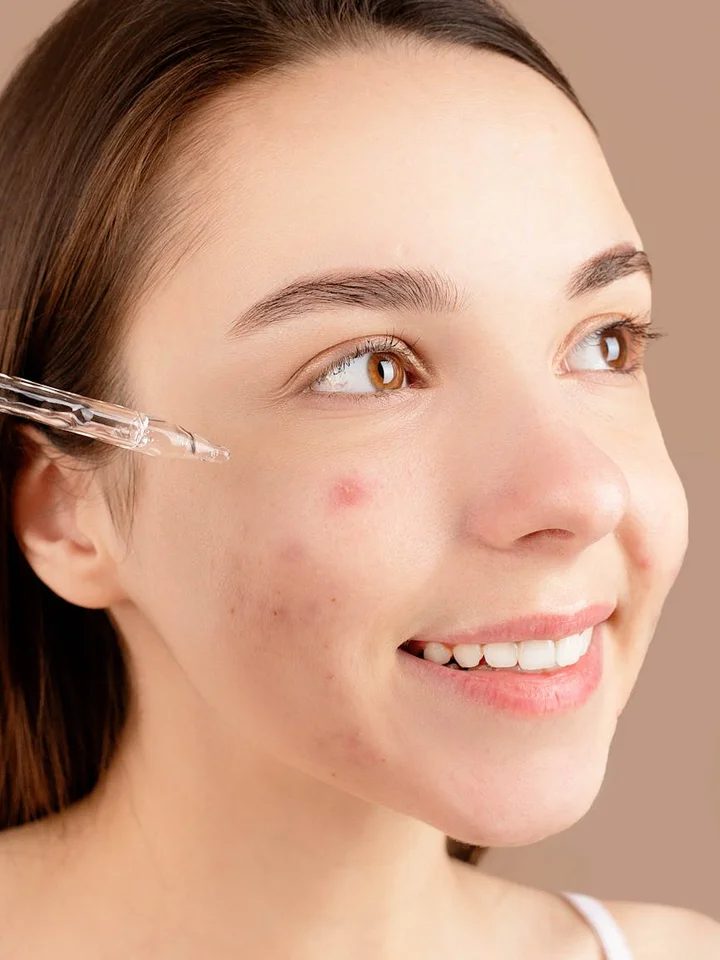
Starting a new treatment feels like rearranging your closet. You need to know what works with what and what to put aside for a while. Think of your skincare routine the same way. The goal is to support your skin, not overwhelm it.
Your New Morning and Night Plans
Simplicity is your best friend here. Your routine should focus on protection in the morning and recovery at night.
Your morning routine has one job: defend your skin from the sun and environmental stress. After cleansing with a gentle, non-foaming wash, apply a lightweight, antioxidant serum. Follow that with a fragrance-free moisturizer to reinforce your barrier. The final, non-negotiable step is a broad-spectrum SPF 30 or higher. Sunscreen is non-negotiable because adapalene makes your skin more sensitive to UV rays.
Your night routine is for treatment and repair. Wash your face and wait 10-15 minutes for your skin to be completely dry. This simple step prevents irritation. Apply a pea-sized amount of adapalene, then follow with your moisturizer. I often tell my clients to try the “sandwich method” if they’re nervous: apply moisturizer first, then adapalene, then another light layer of moisturizer. It buffers the treatment without stopping its work.
Soothing Companions for Your Skin
While adapalene gets to work, these ingredients act as a supportive team to calm and strengthen your skin.
- Ceramides: These are the mortar between your skin’s bricks. They repair the moisture barrier, which helps combat the dryness and flaking that can come with retinoids. Look for them in moisturizers.
- Niacinamide: This is a multi-tasking superstar. It helps regulate oil, reduces redness, and improves barrier function. Using a niacinamide serum in the morning can beautifully complement your nighttime adapalene use.
- Centella Asiatica (Cica): Imagine a cool, soothing gel on a sunburn. Ingredients like Centella, Madecassoside, and Panthenol provide that relief for skin feeling reactive or inflamed from adapalene.
What to Take a Break From
Your skin needs gentleness while it adjusts to adapalene. To integrate adapalene into a gentle, cohesive skincare routine, plan with mild cleansers and a hydrating moisturizer. This approach keeps your routine stable as your skin adjusts. For at least the first 3-4 months, or until any redness and peeling have fully settled, press pause on other exfoliants.
This means temporarily stopping other retinoids, AHAs (like glycolic acid), BHAs (like salicylic acid), and physical scrubs. Using them together significantly increases your risk of irritation, redness, and a damaged skin barrier. You can slowly reintroduce them later, only if your skin feels resilient and you still see a need for them.
A Scenario for Combination Skin
Let’s talk about Lina, who has combination skin. Her T-zone is oily and prone to clogs, but her cheeks are more sensitive and can get dry. A full-face application of adapalene every night might be too much for her cheeks right away.
For someone like Lina, I’d suggest applying adapalene only to the T-zone every other night at first, while using a calming serum on the cheeks. This targets the acne-prone area without challenging the more delicate skin. After a few weeks, if her cheeks tolerate it, she can begin using a tiny amount there as well, always following with plenty of moisturizer.
Your Quick Questions on Adapalene, Answered
How can I tell if my skin is purging or just irritated?
A purge, which is normal, happens exclusively in your usual breakout zones and should subside as you continue use. True irritation-stinging, burning, or significant redness-can occur anywhere you apply the product and means you should slow down your frequency.
What are the clear signs my adapalene has expired or degraded?
Trust your senses: discard the tube if the product has changed to a yellow/brown color, developed a gritty or separated texture, or has a sharp, “off” odor. These are clear indicators of oxidation, meaning the active ingredient is no longer fully effective.
Can I use adapalene with other acne treatments, like benzoyl peroxide?
Yes, adapalene is uniquely stable and can be used with benzoyl peroxide, but not necessarily in the same routine. To minimize irritation, we often recommend applying benzoyl peroxide in the morning and adapalene at night, ensuring each has its own time to work effectively.
Steady Progress with Adapalene
The most important thing to remember with Adapalene is that consistency and time are your best allies. Stick with a gentle nightly application for 8 to 12 weeks to see real changes, and always check that tube’s date to keep your treatment effective.
- Use Adapalene every night on clean, dry skin to let it work without interruption.
- Apply a broad-spectrum sunscreen every morning without fail, as Adapalene increases sun sensitivity.
- Write the open date on your tube and replace it after one year to guarantee its strength and safety.
- If irritation strikes, buffer it with a plain moisturizer or use it every other night until your skin adjusts.
Your skin care questions are always welcome here. Follow along with LuciDerma for more practical guidance, and feel free to share your own Adapalene journey-I read every comment and love helping you find your way to confident skin.
Lucy Zimmerman
Lucy is an expert author and blogger when it comes to skin care and body care. She has first hand expertise acting as skin care consultant for over 5+ years helping her clients achieve smooth blemish free skin with natural and working remedies. She also has been an avid experimenter and tried out all the natural and artificial remedies and treatments so you can learn from her first hand experience. Additionally, she has traveled to many countries around the world and incorporated the skin care routines she has learnt into this blog. So, wait no more, reach out to Lucy if you have any specific needs and follow her blog, LuciDerma for expert skin care advice.