
L-Tyrosine for Your Skin: A Practical Guide to Timing and Melanin Support
If you’re wondering about the right time to take L-Tyrosine for your skin and how it boosts melanin, I hear you-let’s simplify the science into steps you can trust.
- Clarify what L-Tyrosine is and why it’s a key player for your skin’s natural processes.
- Identify the best times to take L-Tyrosine so your skin gets the most from it.
- See how it supports melanin production in a way that aligns with your skin’s health.
- Gain ethical, practical tips for fitting L-Tyrosine into your daily routine safely.
You’re already on the path to making confident, informed decisions for your skin’s well-being.
L-Tyrosine Explained: More Than a Building Block
Think of your body as a complex kitchen, and amino acids like L-tyrosine are the basic ingredients. Your body uses this particular ingredient to cook up proteins and some very important chemical messengers.
In that kitchen, L-tyrosine helps make dopamine, which influences your mood and stress response. It’s also a key player in thyroid hormone production. But for your skin, its most direct job is acting as a crucial starting material for making melanin, your skin’s natural pigment.
Here’s a clear, at-a-glance look at what this molecule is all about.
| pH (in solution) | ~5.5 – 6.5 (mildly acidic) |
| Typical Oral Dose for Skin | 500 – 2000 mg daily (always consult a doctor) |
| Solubility | Water-soluble |
| Safety (Topical) | Generally recognized as safe (GRAS) in cosmetics, but data is limited for direct skin application benefits. |
Notice that “typical oral dose.” I always tell my clients, like cautious Noah, that supplementing is a conversation for you and your doctor. It’s not something to start based on an article alone.
The Skin Benefits of L-Tyrosine: What Can You Realistically Expect?
The main reason L-tyrosine pops up in skin conversations is its role as a precursor in the melanin production line. Imagine melanin production as an assembly line; L-tyrosine is one of the first essential parts fed into the machine.
Providing this building block is thought to support the skin’s natural pigment-making process, especially if there’s a reason your body might be running low on supplies.
Does L-Tyrosine Darken Skin or Make You Tan?
This is the biggest question I get. Let’s be direct: L-tyrosine is not a tanning pill. Taking it will not give you a sun-kissed glow or significantly darken your overall skin tone if your melanin production is already functioning normally.
Its potential lies in support, not stimulation. For someone with a clinical deficiency or specific hypopigmentation condition, ensuring adequate L-tyrosine is like making sure the factory has the raw materials it needs to do its job. For everyone else, extra ingredients just sit in the warehouse.
A Potential Support for Hypopigmentation
In conditions like vitiligo, where the skin loses pigment in patches, L-tyrosine is sometimes discussed as part of a broader, multidisciplinary approach. The theory is that by ensuring an ample supply of this precursor, you might support the melanocytes (your pigment-making cells) in repopulating those lighter areas.
It’s critical to understand that research is ongoing, and L-tyrosine is not a standalone cure. If you’re exploring options for hypopigmentation, this is a topic to review carefully with a dermatologist who can create a holistic plan that may include light therapy, topical treatments, and other support.
The Indirect Stress Connection
Remember L-tyrosine’s link to dopamine? This is where we connect brain and skin. Chronic stress can wreak havoc on your skin barrier, worsen inflammation, and even trigger flares of conditions like psoriasis or eczema.
By supporting your body’s natural dopamine production, adequate L-tyrosine levels play a part in your overall stress response system. Think of it as foundational support for your internal resilience. My client Lina noticed her combination skin calmed down significantly when she worked on her stress management alongside her topical routine. It’s all connected.
For your skin, the most practical takeaway is that L-tyrosine is a foundational nutrient. Focusing on a protein-rich diet often provides what you need, and any supplemental use for skin concerns should be guided by a professional, especially when considering tyrosinase inhibitors for skin brightening.
How L-Tyrosine Works to Support Melanin in Your Skin
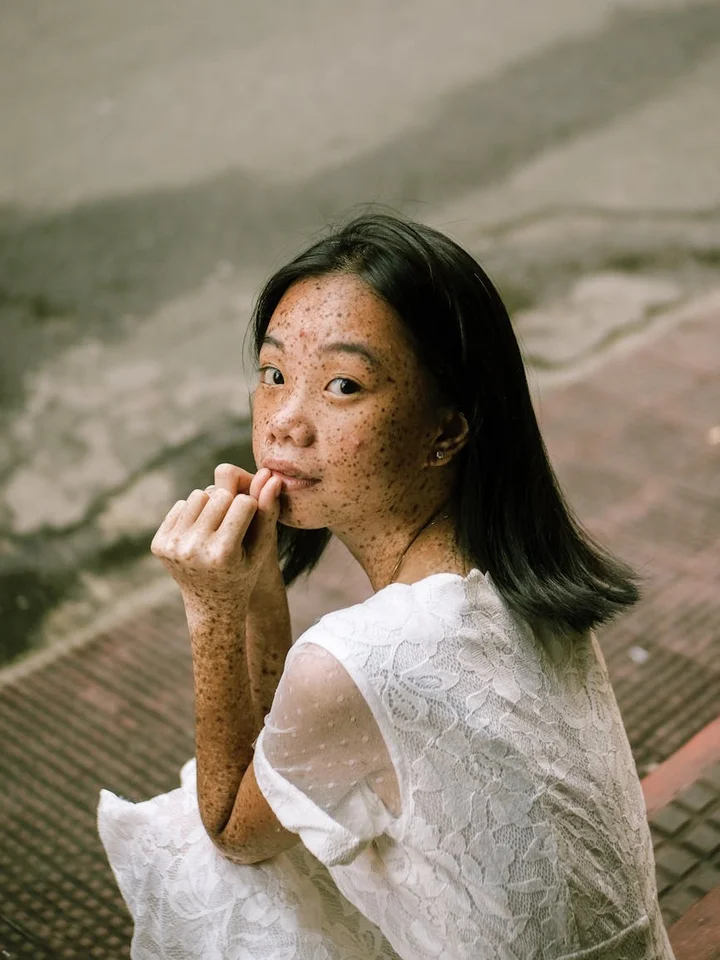
Think of your melanocytes, the pigment-making cells in your skin, as a specialized factory. For this factory to produce its main product, melanin, it needs specific raw materials delivered to its door. L-Tyrosine is one of those essential raw materials.
Inside the melanocyte, an enzyme called tyrosinase acts like the factory foreman and assembly line combined. This enzyme grabs the L-Tyrosine and starts converting it through a multi-step process. L-Tyrosine doesn’t magically become pigment. Tyrosinase meticulously processes it, first into another compound called DOPA, and then further along the line until it becomes melanin.
Your body makes different types of melanin, and the process determines which kind you get. Eumelanin is the brown or black pigment that provides more substantial protection against UV rays. Pheomelanin is a red or yellow pigment that offers less UV protection. The specific “recipe” and signals your skin cells receive determine the final blend.
So, how does it work to support production? It’s a straightforward supply chain.
- You provide L-Tyrosine through your diet or topical application.
- Your body delivers it to the melanocyte “factories.”
- The tyrosinase enzyme uses L-Tyrosine as the primary building block.
- This kickstarts and supports the biochemical assembly line that ends with melanin.
By ensuring an adequate supply of this key starting material, you are supporting your skin’s inherent ability to produce its own protective pigment.
Is L-Tyrosine the Right Tool for Your Skin Goals?
L-Tyrosine has a specific job related to pigment. In skin care, its role as a pigment precursor ties it to melanin production and color balance. It’s not a universal skin health ingredient. Use this simple checklist to see if your goals align with its function.
Consider L-Tyrosine if you are looking to:
- Address uneven skin tone or hypopigmentation by providing the foundational support for pigment production.
- Support your skin’s natural response during controlled, minimal sun exposure (think building a base tan cautiously, not burning).
- Manage a specific pigment-related condition, but only under the direct guidance of a dermatologist who can diagnose the root cause.
For general “skin health,” brightness, or anti-aging, other antioxidants are more versatile. An ingredient like Vitamin C has robust evidence for fighting free radicals, boosting collagen, and brightening tone through a different mechanism. Vitamin C and Vitamin E work together to support the skin barrier, aiding moisture retention and resilience to environmental stress. Their antioxidant actions help protect and maintain overall barrier function.
L-Tyrosine is a supporting player for your skin’s pigment system, not a stand-alone treatment for discoloration or an anti-aging powerhouse. Unlike tyrosinase inhibitors, which are used to target melanin production directly, L-Tyrosine serves a different role in the body.
Your most crucial tool is sunscreen. L-Tyrosine supports melanin production, but melanin alone is not a complete shield. Using L-Tyrosine, whether in a supplement or serum, is never a substitute for applying a broad-spectrum sunscreen every single morning. Think of it as potentially supporting your skin’s natural defenses, while sunscreen provides the essential, non-negotiable outer defense layer.
Timing and Dosage: When and How Much Should You Take?
Let’s tackle the most common question first: when should you take L-tyrosine for skin health? The simple answer is that consistency is far more important than clockwork precision. Your body uses this amino acid as a building block, and keeping its levels steady supports the ongoing process of melanin synthesis.
I advise my clients to take it at the same time each day to build a reliable habit. Linking it to another daily action, like your morning vitamins or your afternoon tea, can help.
Can You Take L-Tyrosine at Night?
You might be wondering, can I take L-tyrosine at night or before bed? This depends on your individual response. L-tyrosine is a precursor to dopamine and norepinephrine, neurotransmitters associated with alertness and energy.
For some people, like my client Noah, taking it on an empty stomach in the morning provides a gentle, clean focus. For others, it doesn’t affect their sleep at all. If you’re new to L-tyrosine, start by taking it in the morning to see how your body reacts before considering an evening dose.
General Dosing Guidelines
In the clinical studies I review, doses for supporting metabolic pathways often range from 500 to 1500 milligrams per day. This is a wide range because individual needs vary dramatically based on diet, health status, and genetics.
This is not a one-size-fits-all recommendation, and you must discuss the appropriate dose for you with your doctor or a registered dietitian. They can consider your full health picture. Starting at the lower end of any range allows you to assess tolerance.
The Nutrient Synergy: Don’t Go It Alone
L-tyrosine doesn’t work in isolation. Think of it as the raw material. To effectively build melanin, your body needs the proper tools—specific enzymes that require cofactors to function.
This is why nutrition is a system. For optimal enzyme function in the melanin pathway, ensure you have adequate levels of:
- Vitamin B6: A crucial cofactor that helps convert L-tyrosine into the next step in the melanin production chain.
- Copper: This mineral is essential for the activity of tyrosinase, the key enzyme that kickstarts melanin synthesis from L-tyrosine.
You don’t necessarily need to take these all in one supplement. A balanced diet with foods like poultry, chickpeas, and bananas (for B6) and seeds, lentils, and dark leafy greens (for copper) often provides support. A healthcare provider can check if you need supplemental help.
L-Tyrosine vs. Other Skin Supplements for Pigment
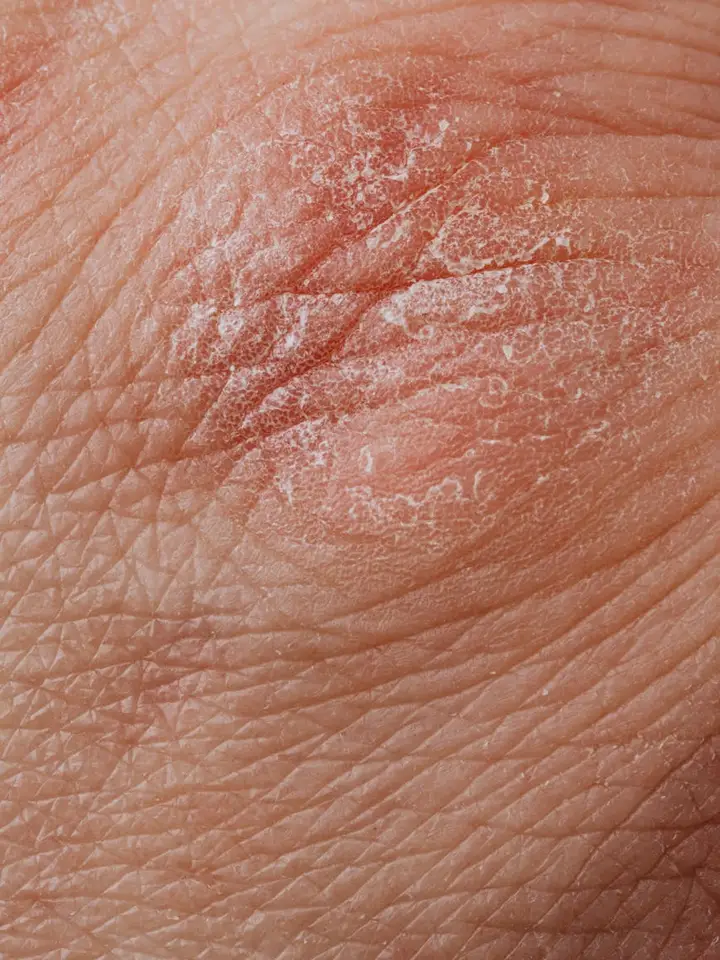
L-Tyrosine doesn’t work alone. It’s part of a team of nutrients your skin uses to make melanin. Knowing the difference helps you choose the right support.
Think of melanin production like building a car. L-Tyrosine is the raw metal frame. Other nutrients are the specialized workers who assemble, paint, and protect it.
| Nutrient | Its Role (The Job) | Key Point for Your Routine |
| L-Tyrosine | The precursor. It’s the fundamental building block converted into melanin. | Supplementing may provide more “raw material,” but your body usually makes enough unless you’re deficient. |
| Phenylalanine | The parent. Your body converts phenylalanine *into* L-tyrosine first. | It’s found in protein-rich foods. A deficiency is rare, so extra may not boost tyrosine levels further. |
| Vitamin B12 & Copper | The co-factors. They are essential tools (enzymes) that drive the chemical reactions to make melanin. | A deficiency in B12 or copper can directly slow melanin production, sometimes leading to pale patches. |
| Antioxidants (e.g., Ginkgo Biloba, Vitamin C) | The protectors. They shield melanocytes and skin from UV damage and oxidative stress that disrupts healthy pigment. | They support an even tone by preventing UV-induced overproduction or uneven distribution of melanin. |
My client Noah is a good example. He was curious about L-Tyrosine for a pale patch on his cheek. Instead, we looked at his diet and found his antioxidant intake was low. We focused on a topical vitamin C serum and adding more leafy greens. His skin’s overall tone and resilience improved, which did more for that area than targeting a single building block ever could.
Can You Use Topical L-Tyrosine in Your Skincare?
You might spot L-Tyrosine listed in some serum ingredients, but it’s not a common powerhouse like vitamin C or retinol. There’s a practical reason for this.
L-Tyrosine is a water-soluble amino acid. To affect melanin production, it needs to travel through the upper layers of your skin and reach the melanocytes deep in the basal layer. That’s a difficult journey for a simple, water-loving molecule on its own. This is especially challenging when used in topical vegan skincare products.
For a topical ingredient to influence melanin significantly, it usually needs a sophisticated delivery system or to work in synergy with other actives.
If you’re interested in trying it topically, look for it in formulations designed for penetration. These might include other amino acids, peptides, or encapsulation technology. You’ll often see it paired with copper peptides or antioxidants, aiming to support the entire pigment-production environment rather than just supply one part.
Temper your expectations. A topical L-Tyrosine serum is unlikely to dramatically alter your skin’s melanin production on its own. Its value is as a supportive player in a well-formulated blend, not as a solo treatment for pigment concerns.
Safety First: Important Side Effects and Interactions
Before adding any supplement to your routine, understanding the safety profile is non-negotiable. Let’s talk about what you need to watch for with L-tyrosine.
Does L-Tyrosine Cause Melanoma?
This is a serious and common worry. Because L-tyrosine is involved in melanin production, people logically wonder if it could fuel melanoma, a serious form of skin cancer. Here is the clear, evidence-based stance: There is no scientific research linking L-tyrosine supplementation to causing melanoma or any other cancer. The body uses this amino acid for many vital functions, and obtaining it from diet or a supplement doesn’t direct it to grow cancerous cells.
That said, if you have a personal history of melanoma or are at very high risk, I advise an abundance of caution. Your system is unique. Discussing any new supplement, including L-tyrosine, with your dermatologist or oncologist is a prudent step. They can provide guidance tailored to your personal health landscape.
Common Side Effects to Know
For most people, L-tyrosine is well-tolerated at standard doses, typically around 500-1000 mg per day. Side effects are usually mild and often tied to taking too much or taking it under certain conditions.
- Headaches or nausea can occur, especially on an empty stomach. Taking your dose with food often solves this.
- Jitteriness or feeling overstimulated is a notable one. L-tyrosine is a precursor to adrenaline and dopamine. If you’re sensitive to stimulants or pair it with caffeine, you might feel unusually wired or anxious.
- Some people report mild heartburn or fatigue.
If you feel jittery, the first steps are to lower your dose and avoid taking it with coffee or other caffeinated drinks. Think of it like turning up a dial-you only need enough to get the signal, not to blast it.
Critical Medication Interactions
This is the most crucial part of our safety check. L-tyrosine can interact with specific medications, altering their effects. Always consult your doctor or pharmacist before starting if you are on any of the following, especially when using skincare products like adapalene that can interact with other medications.
- MAOIs (Monoamine Oxidase Inhibitors): These are a class of antidepressants. Combining them with L-tyrosine, a precursor to neurotransmitters, can lead to a dangerous spike in blood pressure.
- Thyroid Medication (Levothyroxine): L-tyrosine is a building block for thyroid hormone. Taking it alongside prescription thyroid medication could potentially alter your dosage needs and hormone levels.
- Levodopa (L-dopa): This is a primary medication for Parkinson’s disease. L-tyrosine may compete with Levodopa for absorption in the brain, potentially reducing the drug’s effectiveness.
My client Noah, who is meticulous about his health, always makes a list of his medications to review with his doctor before trying anything new. I recommend you do the same. Transparency with your healthcare provider is your best tool for safe supplementation.
When Not to Try L-Tyrosine: Contraindications & Warnings
While L-tyrosine has its place, it’s not a universal solution. My first job is to help you steer clear of potential harm. Think of these warnings like a pre-flight safety check for your skin routine. For those with sensitive skin, propanediol is often chosen as a gentler humectant that supports hydration without irritation. We’ll also consider how such ingredients fit into a safe, everyday routine.
Pregnancy, Breastfeeding, or Trying to Conceive
Do not use L-tyrosine supplements during pregnancy, while breastfeeding, or if you are trying to conceive unless your doctor has explicitly approved it. This is non-negotiable. Your body’s hormone and nutrient balance is incredibly delicate during these times. Introducing an amino acid that influences precursor pathways could have unintended effects. Always prioritize the guidance of your OB-GYN or a reproductive endocrinologist over any blog advice, including mine.
Hyperthyroidism (Graves’ Disease) or Melanoma
If you have a diagnosis of hyperthyroidism, like Graves’ disease, avoid L-tyrosine supplements. Since your body uses this amino acid to produce thyroid hormones, supplementing could potentially fuel an already overactive thyroid. For the same reason, if you have a history of melanoma or any active skin cancer, do not use L-tyrosine. Because it is a building block for melanin, there is a theoretical concern it could support the growth of melanocyte-based cancers. Your dermatologist is your best guide here.
Sensitive Skin or a Damaged Barrier
If you’re considering a topical serum with L-tyrosine, proceed with caution if your skin is sensitive or your barrier is compromised. The issue is rarely the L-tyrosine itself, but what else is in the bottle. Many active serums contain penetration enhancers, preservatives, or other actives that can sting or irritate vulnerable skin. I think of my client Noah, who has dry, reactive skin. For him, I’d recommend focusing solely on barrier repair with simple, fragrance-free creams before introducing any new active ingredient, L-tyrosine included. A patch test behind the ear for a week is a mandatory first step.
Broken Skin or Active Inflammatory Conditions
Do not apply topical L-tyrosine products to broken skin, open wounds, or during a major inflammatory flare of a condition like severe rosacea or eczema. Applying any active ingredient to compromised skin is like pouring lemon juice on a cut it significantly increases the risk of stinging, burning, and further irritation. Your skin’s only job during an active flare is to calm down. Focus on gentle, soothing ingredients like centella asiatica or colloidal oatmeal instead. Once the skin is fully healed and calm, you can reconsider new ingredients with your clinician.
Your Top Questions on L-Tyrosine Timing and Function
Can I get enough L-Tyrosine for my skin from food alone?
For most people, yes-a diet rich in proteins from poultry, fish, dairy, and soy provides ample L-tyrosine. Consider a supplement only if a healthcare professional identifies a specific need, as extra building blocks won’t boost production if your system is already well-supplied.
What should I look for in an L-Tyrosine supplement for skin support?
Prioritize purity and third-party testing for quality assurance. Look for supplements that include co-factors like Vitamin B6 and copper, as these nutrients work synergistically to support the melanin production pathway effectively.
How will I know if L-Tyrosine is benefiting my skin?
Notice subtle, supportive changes over time, not drastic darkening. With professional guidance for a specific concern like hypopigmentation, you might observe a gradual, more even return of pigment in affected areas as part of a comprehensive treatment plan.
Putting L-Tyrosine into Practice
If you’re considering L-tyrosine for your skin, consistency and context are everything. The most reliable approach is to pair any supplement regimen with a solid, gentle skincare routine and the guidance of a healthcare professional who knows your history.
- Take L-tyrosine on an empty stomach, ideally in the morning, for the best absorption.
- Always pair it with a comprehensive sun protection habit-it’s non-negotiable.
- Start with the lowest effective dose and give your body months, not weeks, to show any response.
- View it as one potential piece of your skin health puzzle, not a standalone solution.
I’m always here to help you navigate these choices. For more guidance tailored to your skin’s unique story, follow along right here on the blog. If you have questions about this or any other skin concern, send them my way-I read every one and they often inspire the topics we cover next.
Lucy Zimmerman
Lucy is an expert author and blogger when it comes to skin care and body care. She has first hand expertise acting as skin care consultant for over 5+ years helping her clients achieve smooth blemish free skin with natural and working remedies. She also has been an avid experimenter and tried out all the natural and artificial remedies and treatments so you can learn from her first hand experience. Additionally, she has traveled to many countries around the world and incorporated the skin care routines she has learnt into this blog. So, wait no more, reach out to Lucy if you have any specific needs and follow her blog, LuciDerma for expert skin care advice.