
How Often to Use Salicylic Acid: Your Simple Guide to Daily Clarity
You’re holding that bottle of salicylic acid, wondering if using it every day is the fast track to clear skin or a one-way ticket to irritation. I hear that question from clients like Noah all the time, and the answer isn’t a simple yes or no.
By the end of this guide, you’ll have a clear, personalized plan. You will know:
- The science of how salicylic acid works, so you can use it smartly, not just frequently.
- How to spot the signs your skin is getting too much of a good thing.
- How to safely build it into your morning or night routine for your specific skin type.
Let’s figure out your perfect frequency, together.
Meet Salicylic Acid: Your Oil-Soluble Clarifier
Salicylic acid is a Beta Hydroxy Acid, or BHA, naturally found in willow bark. Its real power comes from being oil-soluble, which lets it act like a microscopic cleaner that slips inside your pores. I often tell clients like Maya, who has oily, acne-prone skin, that this is the key difference from other exfoliants that work only on the surface.
Once inside the pore, it focuses on three main tasks. It dissolves excess sebum to break up clogs. It exfoliates the dead skin cells lining the pore walls. And it helps calm inflammation, reducing the redness and swelling of breakouts.
This makes salicylic acid particularly effective for managing clogged pores, blackheads, whiteheads, and general oiliness. If your skin feels congested or looks shiny, this acid can help clear a path for smoother skin.
The Molecule Spec Sheet: Salicylic Acid Facts
| Property | Detail | Why It Matters for Your Skin |
|---|---|---|
| pH (to work best) | 3.0 – 4.0 | It needs an acidic environment to exfoliate effectively. |
| Typical Concentration | 0.5% – 2% (Over-the-counter) | Lower percentages (0.5%) are for daily care, higher (2%) for targeted treatment. |
| Solubility | Oil-soluble | This is its superpower: it can mix with and dissolve oily pore plugs. |
| Safety Profile | Generally recognized as safe and effective for acne. | It’s well-studied, but frequency and formulation are key to comfort. |
How Often Can You *Really* Use It? Finding Your Frequency
The straight answer is it depends on your skin and the product type. There is no single schedule that works for everyone.
In skin care, “daily use” almost always means once per day. For salicylic acid, that’s typically in your evening routine. This gives your skin the night to work with the ingredient without interference from sunscreen or makeup.
Many clients ask me, “Can you use salicylic acid twice a day?” My clinic answer is: you rarely need to. Using it morning and night is a fast track to irritation for most people. The goal is consistent, gentle exfoliation, not a constant assault on your pores.
A better question is, “How many times a week should you start?” Start low and go slow. Here is a starter schedule I use with new clients:
- Week 1 & 2: Use it 1-2 times per week.
- Week 3 & 4: If your skin tolerates it well (no redness or stinging), increase to 2-3 times per week.
For many people, the long-term sweet spot isn’t nightly use, but a maintenance frequency of 3 to 4 times a week. This is often enough to keep pores clear without challenging your skin’s barrier.
The Golden Rule: Let Your Skin Type Lead
Your skin type is the best guide for creating your schedule. Think of salicylic acid like a helpful friend; you want to invite them over just the right amount.
For Oily or Resistant Skin (like Maya): Your skin can often handle more frequent contact. You might tolerate a leave-on product, like a toner or serum, 3 to 5 nights a week. A daily salicylic acid cleanser is also a good option, as it rinses off, leaving less residue to potentially irritate.
For Dry or Sensitive Skin (like Noah): Your approach needs more caution. I recommend a rinse-off cleanser just 1-2 times a week. If you want to try a leave-on, seek a formula with a low concentration (0.5%) and use it sparingly, once weekly to start.
For Combination Skin (like Lina): You have the flexibility to target. Apply your salicylic acid product only to the oily T-zone (forehead, nose, chin) and avoid your drier cheeks. A frequency of 2 to 4 times a week on those zones only can balance everything without over-drying.
What Happens If You Use Salicylic Acid Too Often?
Your skin will send you clear signals it’s had too much. This is called over-exfoliation, and it means you’ve compromised your protective skin barrier.
Watch for these signs:
- A feeling of tightness or dryness, even right after moisturizing.
- Redness that looks shiny or feels warm.
- Small, flaky patches in areas that aren’t normally dry.
- Sudden sensitivity or stinging when applying your regular, gentle products.
More salicylic acid is not better; it actively damages the structures that keep your skin healthy and resilient, especially if you have sensitive skin or experience adverse reactions.
If this happens, don’t panic. The fix is simple: stop. Immediately pause all active ingredients (acids, retinols, potent vitamin C). For the next 1-2 weeks, use only a gentle, hydrating cleanser and a moisturizer focused on barrier repair, containing ingredients like ceramides or glycerin. Your skin needs a quiet period to rebuild its defenses.
Choosing Your Vehicle: Cleanser, Toner, Serum, or Mask?
Think of the product type-what we call the vehicle-as the delivery method for the salicylic acid. This isn’t just marketing. The form you choose directly controls how deeply and for how long the acid works on your skin, which is the single biggest factor in determining safe frequency.
Cleansers: The Gentle, Daily Workhorse
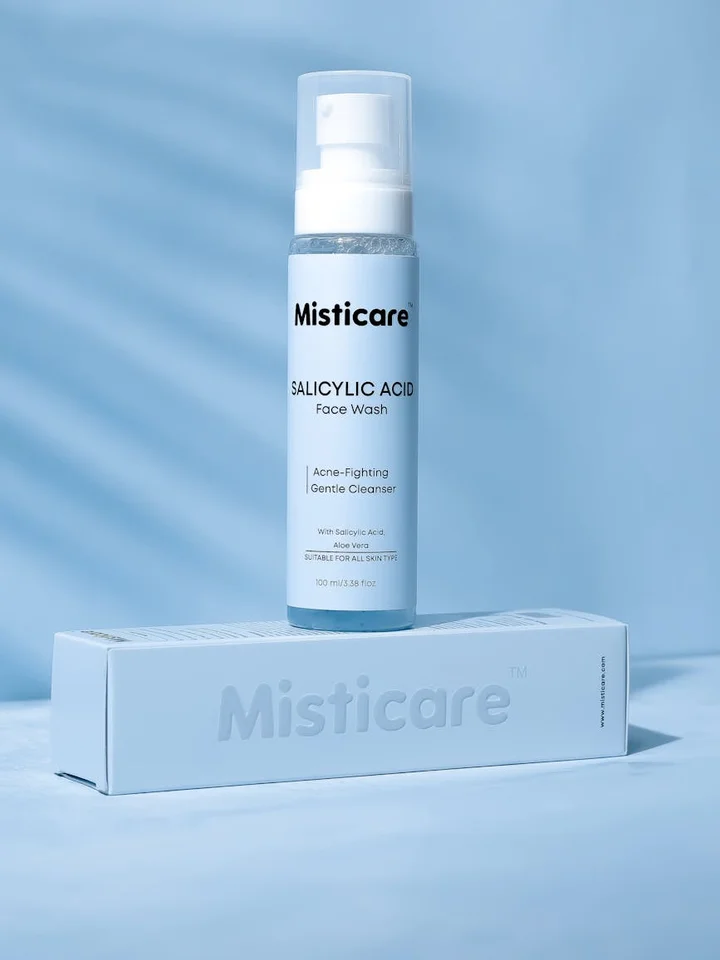
This is the answer to “can I use a salicylic acid cleanser everyday?” For most people, the answer is a cautious yes. A cleanser is the gentlest way to incorporate this ingredient. It sits on your skin for just 30-60 seconds before being rinsed away. This gives it just enough time to start dissolving excess oil and surface debris without a deep, prolonged soak that could lead to irritation.
It’s perfect for my client Maya, who has oily, acne-prone skin. Using a salicylic acid cleanser each morning helps manage her shine and keep pores clear without overwhelming her skin. For someone with Noah’s drier, sensitive skin, a salicylic acid cleanser might be better suited for use just 2-3 times a week, focusing on the T-zone.
You can typically use a salicylic acid cleanser daily, but always listen to your skin; if it feels tight, dry, or looks red, scale back to every other day.
Toners & Liquids: The Targeted Prep Step
Imagine a toner as a light, hydrating mist that also contains a small dose of active ingredients. Because it’s a liquid, it delivers a lighter, more superficial layer of salicylic acid compared to a thicker serum. It’s great for an all-over application or for targeting specific zones 3-4 times a week.
This is a fantastic middle-ground option. It offers a bit more contact time than a cleanser but isn’t as concentrated as a serum. For my client Lina with combination skin, a salicylic acid toner used on her oily forehead and nose a few nights a week helps balance those areas without disturbing the drier, more sensitive skin on her cheeks.
A salicylic acid toner is a step up from a cleanser, ideal for use several times a week to refine pores and smooth texture without heavy commitment.
Serums & Treatments: The Potent Power Players
Now we’re talking about a focused treatment. A serum is a leave-on product designed to deliver a higher concentration of actives deep into your skin. This is where you need to slow down and pay close attention. Because it sits on your skin for hours, using it too often is the fastest way to compromise your skin barrier.
I always tell clients to start extremely slowly with a salicylic acid serum. Begin by applying a thin layer just once a week, ideally in the evening. Watch for any signs of excessive dryness, stinging, or peeling over the next 48 hours. Only if your skin feels perfectly calm should you consider adding a second weekly use.
With a salicylic acid serum, always start at 1-2 times per week maximum, and only increase frequency if your skin shows no signs of irritation or dehydration.
Masks & Peels: The Monthly Reset
These are your intensive treatments. A salicylic acid mask or peel is formulated to give a high-dose, short-term burst of exfoliation. Using it daily would be like getting a professional chemical peel every single day-a guaranteed recipe for severe damage, redness, and a wrecked moisture barrier.
Reserve these for a monthly or bi-weekly reset. They are excellent for giving congested skin a deep clean, but they are not part of a daily maintenance routine. After using one, pamper your skin with gentle, soothing products and ample sunscreen.
A salicylic acid mask or peel is an occasional intensive treatment, never for daily use. Treat it as a monthly reset, not a regular step.
Contraindications & Safety Warnings: When to Press Pause
Salicylic acid is a fantastic tool, but even the best tools aren’t for every job. Using it on skin that isn’t ready can set you back. Think of it like running on a sprained ankle-it just worsens the injury. Knowing when to skip your salicylic acid product is just as important as knowing how to use it.
When to Avoid Salicylic Acid Entirely
There are times when the best step is to leave it in the cabinet. If your skin barrier is visibly compromised, salicylic acid will cause more harm than good. This isn’t a matter of toughness; it’s about letting your skin heal without chemical interference.
Apply it only to intact, healthy skin. If the surface is broken, raw, or damaged, choose a different path.
Broken, Wounded, or Sunburned Skin
This is non-negotiable. Applying salicylic acid to a cut, scrape, fresh blemish you’ve picked at, or a sunburn is asking for a stinging, painful experience. It disrupts the natural healing process.
I remind clients like Noah, who has reactive skin, that an impaired barrier can’t handle exfoliation. Your skin’s priority is to repair itself, and salicylic acid will feel like an irritant, not a helper, on vulnerable tissue. Stick to gentle cleansers and bland moisturizers until the area is fully healed—especially before trying to exfoliate using salicylic or glycolic acid.
Active Eczema or Rosacea Flares
During an active flare-up of conditions like eczema or rosacea, your skin is in a state of significant inflammation. Introducing an exfoliating acid, even a gentle one, can be like adding fuel to a fire.
It can increase redness, dryness, and that uncomfortable burning sensation. For my client Lina, who has sensitive areas, we pause all actives during a flare and focus solely on calming and barrier-repair ingredients like ceramides and oatmeal until her skin settles down.
If You Are Pregnant or Breastfeeding
This is a clear case for consulting your doctor or dermatologist before use. While topical salicylic acid in low concentrations (like the 2% found in over-the-counter products) is generally considered low-risk, medical guidelines can vary.
Your physician knows your full health picture and can give you personalized, safe advice. Always get a professional green light before introducing new actives during pregnancy or while nursing.
If You Are Using Prescription Retinoids
Combining prescription-strength retinoids (like tretinoin) with salicylic acid requires a careful, strategic approach. Both are powerful exfoliants that can seriously dry out and irritate the skin if used together without a plan. This is where guidance on how to use salicylic acid with retinol becomes essential. By considering timing, concentration, and skin response, you can minimize irritation while still benefiting from both.
If you’re just starting a retinoid, I typically advise pausing all other exfoliants, including salicylic acid, for the first few months. This allows your skin to build tolerance to the retinoid without overwhelming it. Later, you might reintroduce salicylic acid sparingly-perhaps just in a cleanser a few mornings a week-but listening to your skin is key. Signs of over-exfoliation, like persistent stinging, peeling, or redness, mean you need to scale back immediately.
Salicylic Acid vs. Mandelic Acid: A Gentle Alternative
If your skin finds salicylic acid a bit too intense, you’re likely wondering, “Can I use mandelic acid daily?” The short answer is often yes, and it’s a fantastic gentler swap for many people.
Mandelic acid is an Alpha Hydroxy Acid (AHA) derived from bitter almonds. Its molecule is larger than other AHAs like glycolic acid, which means it penetrates your skin more slowly and gently. Think of it as the patient, thoughtful friend in your skincare routine, especially when compared to glycolic acid for sensitive skin.
How They Work: A Quick Comparison
It helps to picture how these two acids operate differently on your skin.
- Salicylic Acid (BHA): This is oil-soluble. It acts like a deep-cleaning plumber for your pores, dissolving the sticky mix of oil and dead skin cells that leads to clogs and blackheads.
- Mandelic Acid (AHA): This is water-soluble. It works primarily on the skin’s surface, gently loosening the “glue” between dead skin cells to reveal smoother, brighter skin underneath. It also has some mild antibacterial properties.
Because it’s gentler and works on the surface, mandelic acid is frequently better tolerated by those with sensitive, dry, or rosacea-prone skin. It’s also a star player for managing concerns like melasma, as its gentle exfoliation can help fade discoloration without as much risk of irritation. It’s often recommended as a chemical exfoliant for sensitive skin.
Who Should Consider the Switch?
In my practice, I often suggest mandelic acid to clients like Noah, who has dry, reactive skin. When he tried a salicylic acid cleanser, it left his skin feeling tight and looking red. Switching to a low-percentage mandelic acid toner gave him the smoothness he wanted without the backlash, especially when used in combination with other gentle products.
If your skin responds to salicylic acid with stinging, flaking, or excessive dryness, a mandelic acid formula could be your solution. You can often find it in gentle cleansers or toners at concentrations (like 5% or less) that are safe for daily use. Always patch test first.
For a simple swap, try using a mandelic acid cleanser in the evening where you might have used a salicylic one, or apply a mandelic toner after cleansing to prep your skin for the rest of your routine. It clears the path without the drama.
Building Your No-Guesswork Salicylic Acid Routine
Knowing the rules is one thing. Putting them into a simple, effective routine is another. Think of your routine as a personalized plan, not a rigid set of laws. Here are two templates to build from, based on where your skin is right now.
A “Start Slow” Evening Routine (For First-Timers)
This routine is for you if you’re new to salicylic acid or have sensitive, reactive skin like my client Noah. The goal is to introduce the ingredient without starting a fight with your skin barrier.
- Cleanse: Use a gentle, creamy or milky cleanser. Pat your face completely dry with a clean towel. Applying salicylic acid to damp skin can increase irritation.
- Apply Salicylic Acid: Start with a leave-on product like a toner, lotion, or serum with 0.5% to 2% salicylic acid. Apply a thin layer only to areas that need it (like the T-zone or breakout-prone spots). Begin by using this just two evenings per week, always on perfectly dry skin.
- Soothe and Moisturize: Wait 5-10 minutes for the product to absorb, then apply a calming moisturizer. Look for formulas with ingredients like oat extract, panthenol, or squalane to counteract any potential dryness.
If your skin feels fine after two weeks, you can consider adding a third evening. Listen to your skin more than the calendar.
A “Managing Oil & Clogs” Evening Routine (For Acclimated Skin)
This is a great routine for someone like Maya, whose oily, acne-prone skin has already tolerated salicylic acid well and needs consistent management of congestion.
- Cleanse with Salicylic Acid: Use a salicylic acid cleanser (usually 0.5%-2%) on damp skin. Massage it over your entire face for about 60 seconds to let it work, then rinse thoroughly. Start with this cleanser four nights a week, using a gentle cleanser on the other nights.
- Hydrate: Follow immediately with an alcohol-free, hydrating toner. This replenishes water content and prepares your skin for the next steps.
- Treat with a Partner: Apply a serum containing niacinamide (around 5%). This ingredient is brilliant with salicylic acid-it helps regulate oil, calms redness, and strengthens your skin’s barrier.
- Seal it In: Finish with a lightweight, non-comedogenic moisturizer. Even oily skin needs hydration to stay balanced and healthy.
Every single morning, no matter which evening routine you follow, your first skincare step after cleansing must be a broad-spectrum sunscreen (SPF 30 or higher). Exfoliating with salicylic acid makes new, fresh skin cells more visible, and they are more vulnerable to sun damage. Sunscreen is not optional here; it’s what protects all your hard work.
Supporting Cast: Ingredients That Work Well With Salicylic Acid
Salicylic acid doesn’t need to work alone. Pairing it with supportive ingredients like glycolic acid can make your routine more effective and comfortable.
- Niacinamide: This is my favorite pairing. It helps calm the irritation salicylic acid can sometimes cause, reduces excess oil production, and improves your skin’s overall resilience. Think of niacinamide as the calm, steadying friend for salicylic acid’s deep-cleaning work.
- Hyaluronic Acid: Salicylic acid can be drying. Following it with a hydrating serum or moisturizer containing hyaluronic acid pulls water into the skin, keeping it plump and counteracting dryness without adding oil.
- Ceramides: These are the lipids that hold your skin barrier together. Using a moisturizer with ceramides helps repair and maintain your protective outer layer, especially important when using any exfoliating acid regularly.
Always patch test a new product combination on a small area of your jawline before applying it to your whole face. If you experience stinging, significant redness, or flaking that doesn’t subside, scale back and let your skin recover before trying again.
Your Salicylic Acid Frequency FAQs
Is it safe to use salicylic acid every day?
Yes, for many skin types, daily use is safe when you choose a gentle vehicle like a cleanser and listen to your skin’s response. Always start slowly and prioritize barrier health to avoid irritation.
What is the maximum daily usage for salicylic acid?
In skincare, “daily use” means once per day at most, typically in the evening. Exceeding this-like applying it twice daily-greatly raises the risk of over-exfoliation and compromise to your skin barrier.
How do I seamlessly add salicylic acid to my daily regimen?
Begin by substituting your evening cleanser with a salicylic acid formula 2-3 times a week, observing how your skin feels. Consistency with a supportive routine, including hydration and sunscreen, is key to seeing benefits without upset.
Final Thoughts on Salicylic Acid and Your Skin
The most important rule with any active ingredient is to listen to your skin. Salicylic acid is a powerful ally for clarity, but its effectiveness depends entirely on a consistent, gentle routine that doesn’t compromise your skin barrier. Knowing Salicylic acid cosmetic uses and the sources of salicylic acid can help you choose products that suit your skin. This context helps you navigate formulations and select gentle, effective options. Start slow, be patient, and let your skin’s response guide you.
- Begin with 2-3 uses per week and only increase frequency if your skin tolerates it well.
- Never combine salicylic acid with other strong exfoliants like glycolic acid or retinoids in the same routine.
- Always follow with a nourishing moisturizer and daily sunscreen to protect your newly clarified skin.
- Consider using a wash-off cleanser for your face and a leave-on treatment for your body to address different needs safely.
- If you experience persistent redness or stinging, scale back immediately and focus on barrier repair.
We’re here to help you navigate your skincare journey. For more detailed guides and sustainable product advice, follow along right here on the blog. If you have a specific question about your routine, feel free to reach out-we read every message and love helping you find answers that work for your unique skin. Stay tuned for our build skincare routine step guide, which breaks down morning and evening steps. It will show you how to assemble a routine tailored to your skin’s needs.
Lucy Zimmerman
Lucy is an expert author and blogger when it comes to skin care and body care. She has first hand expertise acting as skin care consultant for over 5+ years helping her clients achieve smooth blemish free skin with natural and working remedies. She also has been an avid experimenter and tried out all the natural and artificial remedies and treatments so you can learn from her first hand experience. Additionally, she has traveled to many countries around the world and incorporated the skin care routines she has learnt into this blog. So, wait no more, reach out to Lucy if you have any specific needs and follow her blog, LuciDerma for expert skin care advice.