
Adapalene and Salicylic Acid Together: Your Guide to Layering Without Irritation
If you’re wondering whether you can safely pair adapalene and salicylic acid, you’re asking the right question for your skin’s health. Let’s tackle this common concern with the same clear, step-by-step plan I use with my clients like cautious Noah or curious Lina.
- You’ll get a straightforward explanation of how these ingredients interact and why compatibility depends on your approach.
- You’ll learn a practical, gentle layering sequence to apply them without triggering a reaction.
- You’ll know exactly how to spot potential irritation and soothe your skin back to comfort.
- You’ll feel confident making product choices that are effective and aligned with ethical skin care.
With a little knowledge, you can make this powerful combination work for you, not against you.
First, a Quick Introduction to Your Two Power Players
Let’s get to know these ingredients individually, like meeting two very skilled specialists before you put them on the same project.
Adapalene: The Beneath-the-Surface Regulator
Adapalene is a type of retinoid, a vitamin A derivative. Think of it as a deep-reaching communicator that works within your skin layers. Within the retinoid family, adapalene differs from retinol in how it’s activated and how strong it is, which fits into a broader retinoid classification. This distinction helps explain their different roles in skincare.
Its main job is to normalize how your skin cells turn over. It helps prevent pore blockages at the source by encouraging smoother, more regular cell shedding. This is why it’s a cornerstone for treating acne.
For my clients concerned with fine lines, like Noah, I explain that this same cell-regulating action can also help improve skin texture and the appearance of aging over time. It’s a long-term strategist, not a quick fix.
Salicylic Acid: The Pore-Cleansing Dissolver
Salicylic acid is a beta-hydroxy acid (BHA). Its superpower is that it’s oil-soluble, meaning it can cut through and dissolve the sticky sebum and dead skin cells that clog your pores from the inside.
It’s a superb exfoliant for the pore lining itself. This makes it the go-to for visibly clearing blackheads, smoothing rough texture, and managing shine.
My client Maya, who is acne-prone, finds a well-formulated salicylic acid cleanser or toner invaluable for keeping her pores clear and preventing surface-level breakouts.
How They Work Together: A Simple Analogy
Imagine your skin is a city. Adapalene is the city planner working underground, rerouting traffic and updating infrastructure to prevent future gridlock (future clogs and breakouts).
Salicylic acid is the street sweeper, actively clearing away the current debris and grime from the roads and alleys (your pores). They operate on different levels but towards the common goal of a clearer, smoother city.
Can You Mix Adapalene and Salicylic Acid? The Safety Check
Here’s the straightforward answer: yes, you can use them together, but success depends entirely on your strategy and your skin’s current condition. You need a plan, not just enthusiasm.
The primary risk of using adapalene and salicylic acid together is irritation, not a dangerous chemical reaction. They don’t cancel each other out or create a harmful compound. The challenge is that both can be drying and potentially irritating, especially when you’re new to them. In fact, when used alongside other acids like glycolic acid, extra caution is required.
Understanding Your Skin’s Tolerance Threshold
Everyone has a personal limit for how much active ingredient their skin can handle before it protests with redness, peeling, or stinging. Your job is to find that limit gently.
My client Noah, with his dry and reactive skin, has a much lower tolerance threshold. He needs to introduce these ingredients separately, with lots of calming hydration in between.
Maya, with her oilier, more resilient skin, might find her threshold is higher, allowing her to use them closer together or even in the same routine sooner-but even she must start slow.
Who Should Press Pause on Combining Them
Some skin conditions mean your barrier is already compromised and shouting for help. In these cases, combining potent actives is like adding more work to an already overwhelmed team. Hold off if you have:
- Active eczema or dermatitis flare-ups
- A visible rosacea flare (widespread redness, bumps)
- A visibly damaged skin barrier (skin that feels tight, raw, burns with most products, or looks scaly)
If your skin barrier is compromised, your only focus should be repair with gentle cleansers, ceramides, and soothing moisturizers before even considering this combination. Listen to your skin first.
Your Practical Guide to Layering: What to Mix & What to Avoid
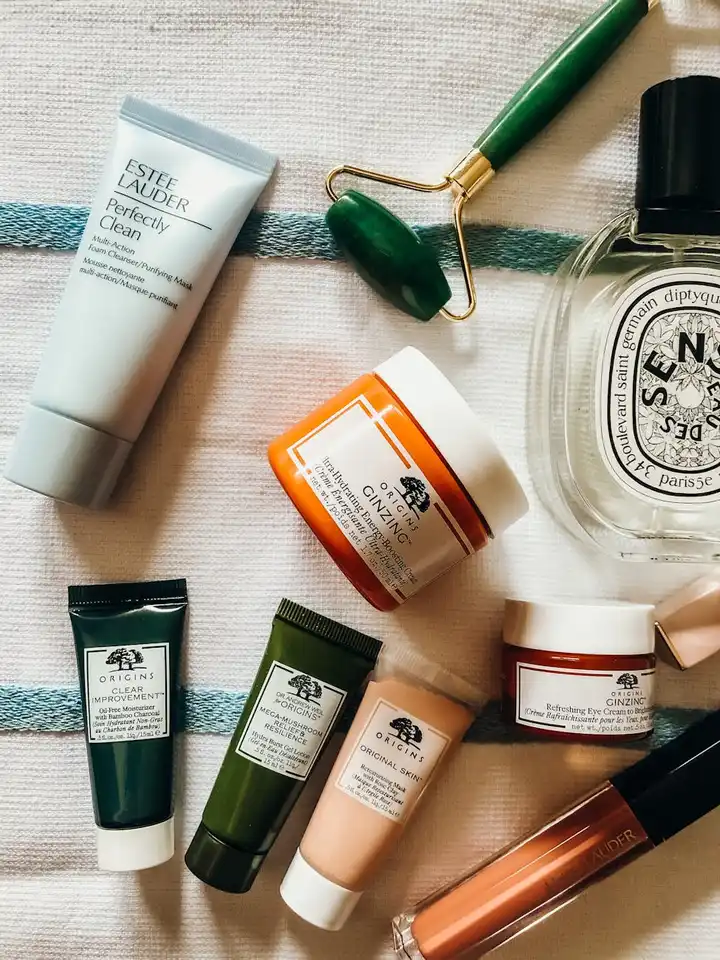
Let’s map this out simply. Think of your skin as a sensitive project that needs a clear plan, not a free-for-all. This matrix shows how these ingredients typically interact.
| Combination | Interaction | Best For |
|---|---|---|
| Adapalene + Salicylic Acid (Alternate Nights) | Low irritation, high efficacy. | Everyone, especially beginners and sensitive skin. |
| Adapalene + Salicylic Acid (Same Night, Sequenced) | Effective but requires careful timing. | Experienced users with resilient skin. |
| Adapalene + SA Cleanser | Gentle, low-risk introduction. | A great starting point for combination acne. |
| Adapalene + Other Strong Acids (e.g., Glycolic) | High risk of irritation and barrier damage. | Avoid this combination. |
The Safest Way to Combine: Alternate Nights
If you’re new to either ingredient or your skin leans reactive like Noah’s, this is your golden rule. You give each powerhouse its own dedicated evening, with a buffer night of simple hydration in between if needed.
Here’s how it works: use your salicylic acid treatment (like a toner or serum) on Monday night. On Tuesday, use your adapalene. This alternating schedule gives your skin time to recover and significantly lowers the chance of redness, peeling, or stinging. It’s a patient strategy that lets both ingredients work effectively without overwhelming your skin’s defenses.
Can I Use Them on the Same Day? The Sequential Method
Yes, you can, but spacing is non-negotiable. The rule is: gentle acid first, retinoid later. Never the other way around. Applying adapalene to freshly exfoliated skin can drive irritation deeper.
Follow this order closely:
- Cleanse with a gentle, non-drying formula.
- Apply your salicylic acid product (toner, treatment, or a lightweight serum).
- Wait 20-30 minutes. This is crucial.
- Apply your moisturizer.
- Apply a pea-sized amount of adapalene.
Why the wait? Salicylic acid works best at a lower pH, while adapalene is formulated to be stable at skin’s natural pH. Waiting allows your skin’s surface pH to rebalance, preventing potential inactivation of the adapalene and reducing the direct sensation of combining two active ingredients. Think of it like letting a coat of paint dry completely before adding another.
The Simplest Combo: A Salicylic Acid Cleanser with Adapalene
This is often the easiest and smartest way to get the benefits of both. A salicylic acid cleanser is a wash-off treatment. It gives a quick, targeted exfoliation to clear pores but doesn’t sit on your skin all day, making it far less likely to cause cumulative irritation when paired with a nightly retinoid.
My client Maya, who deals with oily, congested skin, found this method perfect. Her routine looks like this: she uses a salicylic acid cleanser in the morning to manage shine and prevent clogged pores throughout the day. At night, after a gentle cleanse, she applies her adapalene. Using a wash-off SA product in your AM routine and adapalene in your PM routine creates a powerful, yet separated, one-two punch against acne.
What Not to Do
Safety first. Avoid these common mistakes to keep your skin calm and on track.
- Do not mix adapalene and salicylic acid together in your palm before applying. This creates an unpredictable concentration that can easily irritate.
- Avoid introducing other potent leave-on exfoliating acids, like glycolic or lactic acid, into the same routine. Pick one exfoliant partner for your adapalene at a time.
- Do not over-cleanse or use physical scrubs or harsh brushing tools. Both adapalene and salicylic acid are already exfoliating. Adding physical abrasion is a fast track to a damaged, angry skin barrier.
Always patch test a new combination on a small area of your jawline for a week before applying it to your full face. Your skin’s tolerance is the most important guideline of all.
Crafting Your Routine: Sample Schedules for Different Skin Types
The real test of any skincare advice is whether you can easily fit it into your life. General guidelines are helpful, but a concrete plan is better. Here are specific, copy-paste style routines tailored to different needs, inspired by the clients I see in my practice.
For Acne-Prone, Oily Skin (Maya’s Plan)
Maya, my 28-year-old client with oily and acne-prone skin, found her sweet spot by separating her actives. She uses salicylic acid in the morning to manage oil and shine throughout the day, and reserves the stronger cell-communicating power of adapalene for nightly repair. This split focuses each ingredient’s strength where it works best.
This routine leverages salicylic acid for daytime pore-clearing and adapalene for overnight skin renewal, minimizing the chance of irritation from using them at the same time.
- Morning: Cleanse with a gentle foaming or gel wash. Apply a salicylic acid toner (look for 0.5% to 2%) or a lightweight serum. Follow with a lightweight, non-comedogenic moisturizer to hydrate without clogging pores. Finish with a broad-spectrum sunscreen (this is non-negotiable).
- Evening: Double cleanse to remove sunscreen and oil. On dry skin, apply a pea-sized amount of adapalene gel or cream all over your face, avoiding the eye area. Wait 10-15 minutes, then apply the same lightweight moisturizer from your morning routine.
Maya started this every other night for two weeks before moving to nightly adapalene, and she always listens to her skin, taking a night off if she feels any stinging or tightness.
For Sensitive, Combination Skin (Lina’s Plan)
Lina has combination skin with an oily T-zone but reactive, sometimes dry cheeks. For her, a gentler, more strategic approach was key. We use the “Alternate Nights” method to give her skin ample recovery time between active ingredients.
Alternating nights between adapalene and salicylic acid allows sensitive or combination skin to reap the benefits of both without overwhelming the skin barrier.
- Night 1 (Adapalene Night): Cleanse with a gentle, hydrating cream cleanser. Apply adapalene. If her cheeks are feeling reactive, she applies it only to her acne-prone T-zone (forehead, nose, chin). Follow with a calming moisturizer.
- Night 2 (Recovery Night): Cleanse with the same gentle, hydrating cleanser. Skip all actives. Apply a hydrating serum with ingredients like ceramides or panthenol, then a nourishing moisturizer. This night is for repair.
- Night 3 (Salicylic Acid Night): Cleanse. Use a salicylic acid product, perhaps a wash-off cleanser or a mild leave-on liquid. Moisturize well.
- Night 4 (Another Recovery Night): Repeat Night 2.
This cycle provides treatment while prioritizing barrier health, which is essential for Lina’s skin type.
For Dry or Reactive Skin (Noah’s Plan)
Noah’s dry, reactive skin needs the most caution and the slowest introduction. The goal here is to introduce one new thing at a time, in the mildest way possible, and to always buffer with moisture. Patience is the core ingredient.
For dry or reactive skin, a very slow start with the “sandwich method” and targeted salicylic acid application can help manage acne without triggering a flare of dryness or irritation.
- Weeks 1-2: The Introduction. Start by using adapalene once per week, on a Wednesday night for example. Use the “sandwich method”: apply a basic moisturizer to slightly damp skin, wait 10 minutes for it to absorb, apply the adapalene, wait another 10 minutes, then apply a second layer of moisturizer.
- Weeks 3-4: Adding a Second Player. Keep adapalene at once per week. On a Sunday morning, try a salicylic acid toner pad, but use it only on the oily areas like the chin and nose, not the whole face. Follow immediately with moisturizer and sunscreen.
- Moving Forward: Only after a month with no redness or peeling would Noah consider using adapalene twice a week. The salicylic acid pad might stay a once- or twice-a-week spot treatment for his problem areas.
This method builds tolerance by minimizing direct contact and maximizing hydration and repair.
Spotting Trouble: Signs of Irritation and How to Fix It

Your skin talks to you. When you combine powerful actives like adapalene and salicylic acid, it might send a clear distress signal. Learning to listen is the key to using them safely.
I see this often in my practice. Noah, with his dry and reactive skin, is a perfect example of someone who needs to watch for these signs closely.
The Red Flags You Should Never Ignore
Mild tingling for a minute or two when you apply a product can be normal, especially with retinoids. But these sensations mean you’ve crossed into irritation territory and need to pause:
- Stinging or burning that lasts for several minutes or feels intense.
- Excessive dryness that makes your skin look or feel papery.
- A rough, sandpaper-like texture all over your face.
- Redness that looks more like a rash than a mild flush.
- Peeling flakes that go beyond a few small, dry patches.
- A persistent, uncomfortable feeling of tightness, like your skin is too small for your face.
If your skin is painful, visibly angry, or the discomfort lasts long after your routine, it’s telling you to stop.
Is This Normal Peeling or a Problem?
When starting adapalene, a little flaking around your nose or chin is common. This is “retinization”-your skin adjusting. It’s usually mild, localized, and fades as your skin gets used to the retinoid.
Concerning irritation is different. It’s widespread, feels actively uncomfortable, and often comes with that burning sensation. Think of retinization as your skin gently shedding an old layer. Irritation is more like it’s shouting for a break.
Retinization is a gentle nudge; irritation is a shove. Your job is to recognize the shove before it causes damage.
Your Step-by-Step Skin Reset Protocol
If you spot those red flags, don’t panic. Here is exactly what to do. I walked Noah through this same plan when his barrier became compromised.
- Stop all actives immediately. This means pausing both adapalene and any salicylic acid products. Continuing will only dig the hole deeper.
- Switch to a minimalist, soothing routine for 3 to 7 days. Use only a gentle, fragrance-free cleanser and a basic, repairing moisturizer. Look for formulas with ceramides or panthenol. This isn’t the time for fancy treatments.
- Reintroduce adapalene alone, slowly. After your skin feels calm and no longer stings to the touch, try adapalene just once the next week. Keep the rest of your routine gentle. Only consider adding salicylic acid back in much later, if at all.
This process isn’t a setback. It’s essential first aid. A damaged skin barrier must heal through soothing and hydration-it cannot be exfoliated or retinized into health. Trying to push through irritation only weakens your skin’s defenses, making problems like sensitivity and breakouts worse. Be as patient with your skin as I am with clients like Noah. Let it recover fully before you ask it to work hard again.
Important Contradictions and Safety Warnings
While combining these ingredients can be a strategic move for some, it’s not a strategy for everyone. Certain situations require you to press pause or avoid this combination entirely.
Pregnancy, Breastfeeding, and Medical Consultations
If you are pregnant, trying to become pregnant, or breastfeeding, you must avoid adapalene. It is contraindicated, meaning it’s not recommended for use during these times.
Salicylic acid, especially in higher leave-on concentrations (like serums over 2%), also warrants caution. The general advice is to consult your doctor or dermatologist before using any strong acne treatments during pregnancy or while nursing, even those derived from natural sources.
Your safest path is to get personalized guidance from your clinician, who might recommend alternative, gentler ingredients like azelaic acid.
When Your Skin Barrier Is Compromised
Never apply this combination to broken skin. This means open wounds, recently picked acne, burns, or cuts. It also applies to the sensitive skin you have after professional procedures like chemical peels, microneedling, or laser treatments.
Both adapalene and salicylic acid increase skin cell turnover and can deeply penetrate. Applying them to compromised skin dramatically raises the risk of severe irritation, stinging, and delayed healing.
Your post-procedure routine should focus solely on gentle cleansing, hydration, and sunscreen until your clinician gives you the all-clear.
The Prescription Rule
This advice is tailored for those using over-the-counter adapalene. If you are using a prescription-strength retinoid like Differin or another formula prescribed by your dermatologist, their instructions overrule any blog post, especially when considering the strength and potency of different retinoids.
They have assessed your specific skin in person and may have strategic reasons for advising a different routine. Always follow their layered treatment plan.
Why You Won’t Find Them in One Bottle
You might wonder why there aren’t more products that combine adapalene and salicylic acid into one formula. The primary reason is control. Formulating them together in one stable product that works for most people is tricky due to the high irritation potential.
Think of it like cooking: sometimes you want to add your spices separately to control the flavor. Using them as separate steps allows you to manage frequency, amount, and which areas of your face get each ingredient.
This separate, controlled application is why using a salicylic acid cleanser followed by an adapalene treatment is often a more manageable and effective approach than seeking a single combined product.
When to Call in a Professional
Even with the best, most gradual plan, sometimes your skin needs a coach. Combining actives like adapalene and salicylic acid is advanced skincare, and there’s absolutely no weakness in seeking expert guidance to get it right.
Signs You Should Schedule an Appointment
Listen to your skin’s signals. If you notice any of the following, it’s time to pause your routine and consider professional advice.
- Persistent irritation: Redness, burning, stinging, or peeling that continues for a full week after you’ve stopped using all active ingredients and switched to a bare-bones, soothing routine.
- A pre-existing skin condition: If you manage rosacea, eczema, psoriasis, or severe dermatitis, introducing this combination on your own can easily trigger a major flare. My client Noah, with his reactive skin, learned this the hard way before we built a safer plan together.
- Severe, painful acne: Deep, cystic bumps that are painful to the touch often require prescription-strength intervention. Over-the-counter products may not reach the root of the inflammation.
When your skin’s reaction is loud and prolonged, it’s telling you the current approach isn’t working and you need a different strategy.
What a Dermatologist Can Offer
Booking an appointment is an investment in a personalized solution. A dermatologist can look at your unique skin picture and provide options that aren’t available over the counter.
- They can prescribe stronger retinoids or combination creams that may be more effective and sometimes even less irritating than juggling two separate products.
- They can assess whether what looks like irritation is actually a different issue, like perioral dermatitis, which requires completely different treatment.
- They can perform in-office procedures, like corticosteroid injections for a massive cyst, to reduce pain and swelling rapidly and prevent scarring.
Think of them as your skincare architect, able to draw up a blueprint specifically for your skin’s foundation and needs.
Mastering Your Routine is a Skill
Navigating potent ingredients is a learning process. I’ve tweaked my own routine countless times over the years based on what my skin tells me.
Getting expert help to combine adapalene and salicylic acid effectively isn’t a failure; it’s the smartest way to build your skincare confidence. There’s no trophy for suffering through irritation alone. Understanding the right timing for applying adapalene can influence both its efficacy and irritation. With personalized guidance, you can tailor your routine to maximize results while keeping irritation in check, so your skin gets the clear, smooth results you’re working for.
Your Questions on Combining Adapalene and SA, Answered
Who should absolutely avoid using adapalene and salicylic acid together?
Anyone with a visibly compromised skin barrier, active eczema/rosacea flares, or those who are pregnant or breastfeeding should pause. Your safest path is always to consult a dermatologist for personalized advice before starting any new active combination.
What’s the simplest, lowest-risk way to start using both ingredients?
Use a wash-off salicylic acid cleanser in your morning routine and apply adapalene at night. This separates the actives across different parts of the day, giving you the benefits of both with a much lower risk of cumulative irritation.
What are the clear signs I should see a professional about my routine?
If you experience persistent stinging, redness, or peeling that continues for over a week after stopping actives, it’s time to book an appointment. A dermatologist can diagnose the issue and provide a tailored treatment plan, which is the smartest move for your skin’s long-term health.
Final Thoughts on Combining Actives
Using adapalene and salicylic acid together is possible, but it demands a careful, patient strategy. Your skin’s health and comfort must always come before the desire for faster results, especially when avoiding negative interactions with other skincare medications.
- Always conduct a patch test with any new combination.
- Start by using each ingredient on alternate nights, not together.
- Anchor your routine with a gentle, fragrance-free moisturizer to support your barrier.
- If your skin stings, flakes, or turns red, pause and simplify your routine.
- Consistent sun protection is non-negotiable every single morning.
I’m here to help you navigate your skin journey. For more guidance like this, follow along right here on the blog. If you have a specific question about your routine, feel free to reach out. Your skin’s long-term health is worth every careful step.
Lucy Zimmerman
Lucy is an expert author and blogger when it comes to skin care and body care. She has first hand expertise acting as skin care consultant for over 5+ years helping her clients achieve smooth blemish free skin with natural and working remedies. She also has been an avid experimenter and tried out all the natural and artificial remedies and treatments so you can learn from her first hand experience. Additionally, she has traveled to many countries around the world and incorporated the skin care routines she has learnt into this blog. So, wait no more, reach out to Lucy if you have any specific needs and follow her blog, LuciDerma for expert skin care advice.