
Combining Tretinoin and Azelaic Acid: Your Safe, Effective Routine Guide
If you’re holding a tube of tretinoin and a bottle of azelaic acid, wondering if they can peacefully coexist on your skin, I hear you. Let’s clear up the confusion with a plan that prioritizes your skin’s health.
By the end of this guide, you will know:
- Why this combination is so effective for tackling stubborn acne and fading dark spots, without overwhelming your skin.
- Exactly how to layer them in your evening routine, including whether to use them on the same night or alternate, to prevent irritation.
- How to adapt the routine if your skin feels sensitive, using lessons from clients like Noah who need a gentle, barrier-focused approach.
You have the power to use these ingredients confidently for real results.
The Short Answer: A Powerful, Yet Gentle “Yes”
Yes, you can use tretinoin and azelaic acid together. Combining these two is a highly effective, professional-approved strategy for treating acne, fading dark spots, and refining skin texture.
Think of this as a targeted skin renovation project. Tretinoin acts as the foreman, directing your skin cells to renew from the ground up. Azelaic acid is the site manager, calming inflammation and cleaning up surface issues. This partnership requires a thoughtful approach to maximize benefits while minimizing irritation.
If the idea of mixing actives makes you anxious, I understand. With a gradual introduction, this combination can be both powerful and surprisingly gentle on your skin.
Meet Your Ingredients: What Tretinoin and Azelaic Acid Do Solo
To use them well together, you first need to know what each one does alone. In simple terms, tretinoin is like a cellular coach. It encourages your skin cells to turn over faster, pushing out old cells and bringing fresh ones to the surface. Azelaic acid is more like a calm bouncer. It reduces redness, quietly eliminates acne-causing bacteria, and evens out skin tone.
Both ingredients deliver proven results for three main concerns: persistent acne, post-inflammatory hyperpigmentation (those stubborn dark marks left after a pimple), and rough or uneven texture. The key difference is their mechanism-tretinoin accelerates renewal from within, while azelaic acid tackles inflammation and bacteria on the surface.
Azelaic acid is frequently well-tolerated, even by those with sensitive or reactive skin. My client Noah, for instance, finds it a dependable, non-irritating part of his fragrance-free routine.
What Sets Tretinoin Apart?
Tretinoin is a prescription retinoid, considered the gold standard for transformative skin care. Its profound effect on collagen production helps smooth fine lines and reduce wrinkles and prevents acne by keeping pores clear from the inside out.
It also directly addresses post-inflammatory hyperpigmentation by speeding up the shedding of pigment-loaded skin cells. The trade-off is a common initial phase often called “retinization,” which can include dryness, peeling, and sensitivity.
What Sets Azelaic Acid Apart?
Azelaic acid is distinguished by its dual anti-inflammatory and anti-bacterial action. It uniquely soothes redness associated with rosacea and lightens dark spots without relying on major physical exfoliation. For those dealing with rosacea redness, it offers a targeted option to calm the skin. Over time, it can reduce visible redness and help even skin tone without aggressive exfoliation.
It works without significantly compromising your skin’s barrier. This makes it an ideal supportive active that can help mitigate the potential irritation from tretinoin, creating a more harmonious and effective routine.
Why This Combination is a Skin Power Couple

Using tretinoin and azelaic acid together isn’t just allowed-it’s often recommended by dermatologists for a smarter, more effective routine. Each ingredient tackles skin concerns from a different angle, and when they work in concert, the results can be impressive. Retinoids and azelaic acid can complement each other when used correctly.
Think of your skin like a busy street that needs repairs. Tretinoin is the deep renovation crew working overnight. It accelerates cell turnover, unclogs pores from the bottom up, and stimulates collagen to improve texture and fine lines. Azelaic acid is the daytime cleanup crew that also paints the finished walls. It targets surface-level bacteria that cause acne, calms inflammation, and gently exfoliates to reveal brighter, more even-toned skin.
This partnership means you often see clearer, smoother skin faster than using either ingredient alone.
Enhanced Acne Clearing & Texture Improvement
If you’re dealing with persistent breakouts or rough texture, this duo is particularly powerful. Tretinoin works beneath the surface to prevent pore blockages, while azelaic acid tackles the redness and bacteria of active pimples on the surface.
For someone like my client Maya, who has oily, acne-prone skin, this combination was a game-changer. The tretinoin prevented the deep, painful cysts she was prone to, and the azelaic acid took care of the surface redness and post-acne marks, leading to a more uniform complexion.
Azelaic Acid as Your Irritation Buffer
One of the most practical benefits of pairing these two is how azelaic acid can help manage the initial “retinization” phase with tretinoin. This is the period of peeling, redness, and sensitivity many people experience when starting tretinoin.
Azelaic acid has well-documented anti-inflammatory properties. Applying it can help soothe the redness and stinging that tretinoin sometimes causes. It doesn’t cancel out tretinoin’s effects; it helps calm the reaction so you can use your retinoid more consistently. For my client Noah, who has dry, reactive skin, using a 15% azelaic acid cream in the morning made his evening tretinoin application much more tolerable, allowing his skin to adapt without as much distress.
Addressing Your Question: The Direct Benefits
You might be asking, “What are the concrete benefits of combining tretinoin and azelaic acid?” Here’s a clear breakdown:
- Faster, More Comprehensive Results: You target acne formation, active breakouts, texture, and discoloration simultaneously.
- Mitigated Side Effects: Azelaic acid can reduce the visible irritation and redness associated with starting tretinoin.
- Targeted Treatment for Multiple Concerns: It’s an efficient strategy for those dealing with both acne and conditions like rosacea or melasma, which azelaic acid excels at treating.
Remember, introducing any new active requires care. Always patch test and consider consulting your dermatologist or esthetician to create a schedule that works for your unique skin.
The Layering Guide: How to Apply Them Without the Burn
Think of layering tretinoin and azelaic acid like building a gentle, effective team. When done correctly, they work in harmony. When rushed, they can overwhelm your skin barrier. The most common question I get is, “How should you layer tretinoin and azelaic acid?” The safest rule is to apply azelaic acid first, wait for it to dry, then follow with tretinoin. Azelaic acid is often formulated at a higher pH and can create a slight buffer, while tretinoin prefers to be applied to dry skin for optimal efficacy and minimal irritation.
If your skin is new to these ingredients or tends to be reactive, the “buffer” method is your best friend. This means applying a layer of moisturizer on damp skin first, then your actives. It doesn’t reduce their long-term benefits; it simply slows their absorption to prevent redness and peeling. My client Noah, with his dry, reactive skin, always starts with this method to build tolerance without distress.
Option 1: The Same-Night, Gentle Dance (For Tolerant Skin)
This is for skin that’s already accustomed to both ingredients separately. If you’ve used each for a few months without major irritation, this routine can be efficient.
- Cleanse gently. Use a non-stripping, creamy or gel cleanser. Pat your face dry with a towel; don’t rub.
- Apply a lightweight, hydrating toner or serum. Look for ingredients like hyaluronic acid or glycerin on damp skin. This pre-hydrates your skin, preparing it for the actives.
- Apply a pea-sized amount of azelaic acid. Focus on areas with redness or uneven texture. Wait 5-10 minutes until your skin feels completely dry to the touch. This waiting period is non-negotiable to avoid pilling or mixing the formulas.
- Apply your pea-sized portion of tretinoin. Spread it evenly over your entire face, avoiding the delicate eye area and lips.
- Seal everything with a nourishing moisturizer. Choose a fragrance-free cream with ceramides or squalane. This final step locks in hydration and supports your skin barrier overnight.
I think of this sequence like getting dressed: first a light base layer (hydrator), then your targeted gear (azelaic acid), your performance layer (tretinoin), and finally a protective coat (moisturizer).
Option 2: The Nightly Alternation Method (For Cautious Starters)
Alternating nights is the wisest path for most people beginning this combination. It allows your skin to adapt to each powerhouse ingredient without a full-scale assault. This directly answers the question, “Should you use them at the same time or alternate?” For beginners, alternating is the safer, more sustainable choice that minimizes the risk of irritation.
Here is a simple weekly schedule I often recommend:
- Monday, Wednesday, Friday: Tretinoin Night
Cleanse, apply a hydrating serum if desired, then tretinoin on dry skin. Follow with a rich moisturizer.
- Tuesday, Thursday: Azelaic Acid Night
Cleanse, apply azelaic acid, let it absorb, and then layer on your moisturizer. This is a great night to use a slightly more emollient cream if you’re dry.
- Saturday, Sunday: Recovery Nights
Focus solely on hydration and barrier repair. Skip all actives. Use a gentle cleanser, a soothing serum with ingredients like panthenol, and a restorative moisturizer.
This method gives your skin breathing room. My client Lina, with her combination, sensitive skin, found that alternating for the first eight weeks let her cheek redness calm down while still tackling T-zone congestion. It’s a patient strategy that builds long-term resilience.
What to Mix & What to Avoid: Your Ingredient Interaction Matrix

Think of your skincare routine as a team. You want players that support each other’s strengths, not ones that fight for the ball. This matrix helps you build that winning lineup with tretinoin and azelaic acid.
The Safe & Supportive Teammates
These ingredients are excellent partners. They address different concerns without stepping on each other’s toes.
- Hyaluronic Acid & Other Hydrators: This is a non-negotiable yes. Both tret and azelaic acid can be drying. Applying a hyaluronic acid serum on damp skin before your treatments, or using a rich, barrier-supporting moisturizer after, is like giving your skin a drink of water and a protective blanket. My client Noah, with his dry, reactive skin, swears by this step to prevent flaking.
- Niacinamide: A superstar teammate. Niacinamide helps reinforce the skin barrier, calms redness, and can regulate oil production. Using it alongside both tretinoin and azelaic acid can buffer potential irritation and make the whole routine more tolerable, especially for those with oily or combination skin like my client Lina.
- Vitamin C (L-ascorbic acid): Generally safe, but timing is key. Vitamin C is a morning antioxidant. Tretinoin and azelaic acid are your evening treatments. Using them at separate times avoids any potential conflict and gives you comprehensive coverage against environmental damage.
- Peptides & Ceramides: These are the ultimate support crew. They focus on repair and hydration, providing the foundation your skin needs to handle the transformative work of your actives without becoming stressed.
The “Proceed with Caution” Crew
These ingredients can be used, but they require a strategic plan to avoid overwhelming your skin.
- Glycolic Acid & Other Direct Acids (AHA/BHA): Can you use glycolic acid with tretinoin? You can, but not directly together in the same routine. Both are potent exfoliants. Using a high-percentage AHA (like glycolic or lactic acid) or a BHA (salicylic acid) on the same night as tretinoin is a recipe for a raw, angry barrier. If you want to use both, alternate nights or use the acid only in the morning, never layered with your tret at night.
- Benzoyl Peroxide: This common acne fighter can deactivate tretinoin if applied simultaneously. If you need both, use benzoyl peroxide in your morning wash or treatment and reserve tretinoin for your evening routine.
- Other Retinoids (like retinol): There’s no need to double up. If you’re using prescription tretinoin, adding an over-the-counter retinol is redundant and increases irritation risk without adding benefit.
The Definite “No” List
Avoid combining these with your tretinoin and azelaic acid routine. They are too harsh and will sabotage your results.
- Physical Scrubs: Any gritty, abrasive scrub is a hard no. Your skin is already undergoing increased cell turnover. Scrubbing it will cause micro-tears and significant damage.
- Harsh, Stripping Cleansers: Avoid cleansers with high concentrations of sulfates or alcohol. They compromise your skin barrier right when it needs to be strongest.
- Undiluted Essential Oils or High-Fragrance Formulas: These are frequent irritants, especially on skin sensitized by active ingredients. Opt for fragrance-free formulations to keep things calm.
The golden rule is to listen to your skin. If you feel persistent stinging, burning, or see unusual redness, scale back. Always patch test a new product combination on a small area of your jawline for a week before applying it to your whole face. This is the best way to build a powerful, effective, and gentle routine.
Starting Smart: How to Begin This Combination Safely
Think of introducing tretinoin and azelaic acid like training for a marathon. You wouldn’t run 10 miles on your first day. You start slow, listen to your body, and build stamina. Your skin needs the same thoughtful approach.
What is the best way to start using both products? The answer is always: with patience and a plan. Here is a conservative, four-week introduction plan I often recommend to clients like Noah, who has reactive skin.
- Weeks 1 & 2: The Introductory Phase
- Apply azelaic acid in your morning routine, 3-4 times per week.
- Apply tretinoin in your evening routine, 2 times per week (e.g., Monday and Thursday).
- On all other nights, use only a gentle cleanser and a restorative moisturizer.
- Weeks 3 & 4: Building Tolerance
- Continue azelaic acid in the morning, moving to daily use if your skin feels calm.
- Increase tretinoin to 3 times per week, always ensuring a night off between applications.
- This “alternating” schedule gives your skin barrier time to adapt without overwhelm.
Your morning sunscreen is not a suggestion; it is the non-negotiable foundation of this entire process. Both tretinoin and azelaic acid make your skin more sensitive to sunlight. A broad-spectrum SPF 30 or higher applied every single morning is your essential shield.
Adopt a “less is more” philosophy during this introductory period. This is not the time for other active serums like vitamin C, BHAs, or physical scrubs. Your routine should be a simple, supportive trio: your prescribed actives, a basic moisturizer, and your sunscreen. I remind Maya, who loves trying new products, that simplifying her routine temporarily is how she builds a resilient base for better results later.
Listening to Your Skin: Signs to Slow Down
Your skin will talk to you. It’s my job to teach you its language. Some mild tingling with azelaic acid or slight flaking with tretinoin can be normal initially. But certain signs are a clear message to pause and reset.
Signs of over-exfoliation include a stinging sensation when applying any product (even moisturizer), persistent redness that looks like a mild sunburn, a feeling of tightness or rawness, or excessive flaking that doesn’t subside with gentle hydration.
Can using them together cause irritation? Absolutely, and it’s very common. It doesn’t mean the combination is wrong for you, it just means your skin needs a break. If you experience these signs, here is your fix.
Stop both tretinoin and azelaic acid immediately. For the next 3-5 nights, revert to a bare-bones routine: a gentle, creamy cleanser, a bland moisturizer focused on barrier repair (look for ceramides or panthenol), and your morning sunscreen. This gives your skin the resources it needs to repair itself. Once all irritation has completely calmed, you can restart your plan, but begin at an even slower pace than before.
Pushing through irritation only leads to a damaged moisture barrier, which sets your progress back by weeks. Think of it like Lina, who learned that calming her sensitive cheeks first made her T-zone treatments more effective later. Slowing down is a strategic move, not a setback.
Contraindications & Safety Warnings: When to Pause or Avoid
Combining powerful actives is a fantastic strategy for many, but it’s not for everyone. Your skin’s current health and your personal circumstances are the ultimate guides. Think of this as a safety checklist before you start.
Pregnancy, Breastfeeding, and Planning for Pregnancy
This is the most non-negotiable rule. If you are pregnant, breastfeeding, or trying to conceive, you must talk to your doctor before using tretinoin. Topical retinoids like tretinoin are generally not recommended during pregnancy due to a lack of definitive safety data, so professional medical guidance is essential. Azelaic acid is often considered a safer alternative during this time, but your obstetrician or dermatologist is the only person who can give you the green light.
Compromised or Severely Sensitive Skin
If your skin barrier is already waving a white flag, adding this duo is like asking for trouble. You need to hit pause and focus on repair first.
- Severe Eczema or Rosacea Flare-ups: During an active, inflamed flare, your skin needs calming and soothing, not stimulating actives. Using tretinoin and azelaic acid can significantly worsen irritation and delay healing.
- A Currently Damaged Skin Barrier: Do your cheeks feel tight, raw, or burn when you apply moisturizer? Is your skin peeling, stinging, or visibly red? This means your protective outer layer is impaired. Introducing these actives on damaged skin will cause intense irritation and set your recovery back by weeks. Focus on a gentle cleanser, ceramides, and a simple moisturizer until your skin feels resilient again.
- Open Wounds or Sunburn: Never apply these products over broken skin or a fresh sunburn. It will hurt and can lead to further damage or post-inflammatory hyperpigmentation.
I think of my client Noah here. His dry, reactive skin taught me that rushing into actives when his barrier was weak always backfired. We’d always take a two-week “skin holiday” with only the gentlest products before even considering a reintroduction.
The Prescription Factor
Remember, tretinoin is a prescription medication. This isn’t a formality it’s a crucial layer of medical supervision. Your dermatologist or prescriber needs to know all other products you’re using, including azelaic acid, to monitor for interactions and tailor your strength and frequency. They can also help you navigate initial side effects and adjust your plan. Using a prescription retinoid without that professional oversight risks unnecessary damage.
Product Forms: Stand-Alones vs. Combination Prescriptions
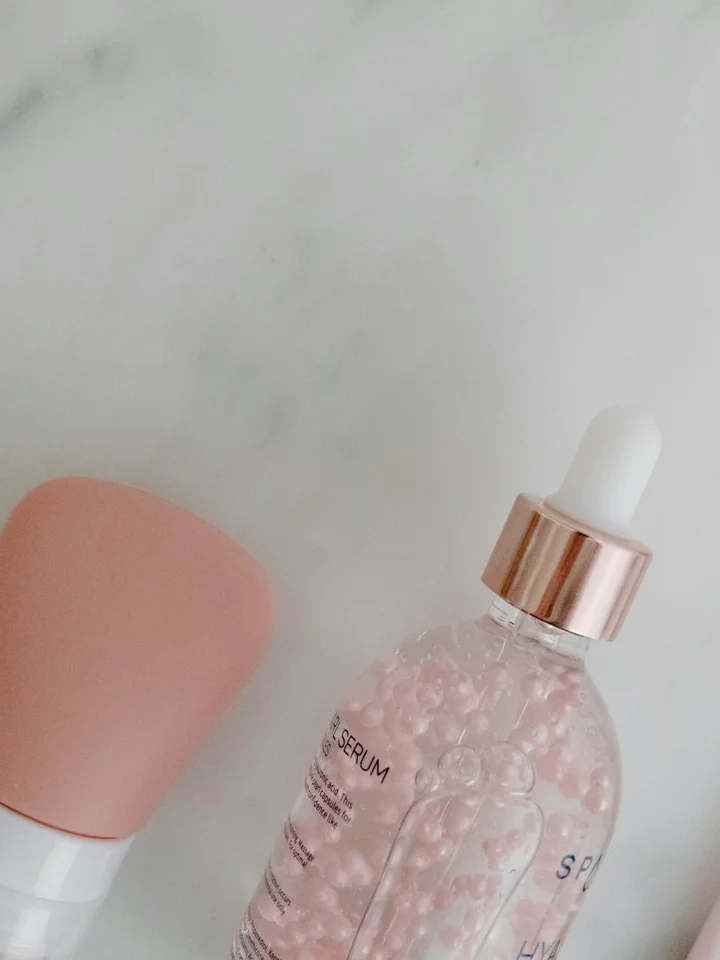
In practice, you’ll most often find these as two separate products. Tretinoin is a prescription medication, typically as a cream or gel. Tretinoin is used for various skin concerns but is especially popular for treating acne and signs of aging. Azelaic acid can be purchased over-the-counter (usually in concentrations up to 10%) or prescribed by a doctor (often in a 15% or 20% strength).
This separation isn’t a drawback. Using two distinct products actually gives you more precision and flexibility in your routine. You can apply azelaic acid to specific areas of redness or post-acne marks, while using tretinoin more broadly. If your skin feels sensitive, you can easily skip one for a night without altering the formula of the other.
The Compounding Option
Some dermatologists do work with specialty compounding pharmacies to create a single prescription formula that contains both tretinoin and azelaic acid. This is less common and requires a doctor who is familiar with this approach.
A combined prescription can be convenient, but it locks you into one application pattern and one set of ingredient concentrations. For someone like my client Noah, who has reactive skin, starting with separate products allowed him to introduce each active slowly, on different nights, to monitor his skin’s tolerance.
Answering Your FAQ: Are There Specific Products That Combine Both?
Currently, there are no mainstream, mass-produced skincare products that combine prescription-strength tretinoin with azelaic acid. You will not find this duo sitting on a store shelf. The combination exists primarily through a doctor’s prescription, either as two separate tubes or a single compounded formulation.
This is actually a good thing for your skin’s health. It encourages a thoughtful, staged approach to using these potent actives and allows you and your dermatologist to tailor the routine to your skin’s evolving needs.
Who Benefits Most? Target Concerns for This Duo
This combination is a powerful tool, but it’s not for every skin type on day one. The ideal candidate has already acclimated to a retinoid like tretinoin and is now looking to tackle specific, lingering issues that tretinoin alone hasn’t fully resolved. It’s important to understand the risks of combining retinol and tretinoin before starting this regimen.
Think of it as calling in a specialized cleaner after the main renovation crew. Tretinoin is your master renovator, diligently increasing cell turnover and remodeling skin deep down. Azelaic acid is the detail-oriented cleaner who arrives afterward to buff away surface stains, clear leftover debris from pores, and calm any residual commotion.
The Perfect Pair for These Skin Goals
You might be an ideal candidate if you’re dealing with a mix of these concerns:
- Stubborn, inflammatory acne: The deep, painful bumps that linger and rarely come to a neat head.
- Post-acne erythema (PIE): Those stubborn red or pink marks left behind after a pimple heals, which are actually dilated blood vessels, not pigment.
- Post-inflammatory hyperpigmentation (PIH): The flat brown or dark spots that remain after acne or injury, especially common in melanin-rich skin.
- Rough, uneven texture: Skin that feels bumpy or gritty from clogged pores and tiny keratin plugs.
- General redness and sensitivity: A persistent ruddy tone or skin that flushes easily.
This duo is exceptionally effective for combination, acne-prone skin types, like my client Maya’s. Her T-zone would get oily with clogged pores, while her cheeks stayed sensitive. Using tretinoin a few nights a week improved her overall texture, but those inflamed red spots on her jawline took weeks to fade. Adding a morning azelaic acid serum gave her a tool to target that specific inflammation and redness directly, speeding up the recovery process for each spot.
A Practical, Split-Shift Routine
Here’s a real-world example of how this pairing works in practice. Let’s say you have a new, tender, red pimple and overall congestion.
- Morning: After cleansing, you could apply a thin layer of azelaic acid (like a 10% serum) directly over that angry red spot and any areas of general redness. It works quietly all day to reduce inflammation and kill acne bacteria, acting like a soothing, targeted treatment.
- Evening: On your tretinoin nights, you would apply your pea-sized amount of tretinoin all over to work on long-term texture, pore size, and cell turnover. The azelaic acid you used in the morning has already done its job, so they aren’t competing on your skin at the same time.
This “split-shift” approach lets each ingredient excel at its primary function without overwhelming your skin barrier.
What Skin Concerns Does This Combination Address?
To put it simply, using tretinoin and azelaic acid together creates a comprehensive strategy for reactive, blemish-prone skin. Tretinoin focuses on the long game of skin renewal and preventing clogs from forming deep within the pore. Azelaic acid manages the daily threats of inflammation and surface bacteria while visibly improving discoloration. Together, they target acne from multiple angles-prevention, active treatment, and post-breakout repair-which is often necessary for clear, even-toned skin. If your main concerns are fine lines and sun damage without acne or redness, tretinoin alone may be sufficient. But if redness and spots are part of your picture, this duo can be transformative for treating acne scars and hyperpigmentation.
Your Tretinoin and Azelaic Acid FAQ
Can you use tretinoin and azelaic acid together?
Yes, this is a highly effective, professional-approved combination for treating acne, dark spots, and texture. The key is a gradual introduction to maximize benefits while minimizing irritation.
How should you layer tretinoin and azelaic acid?
Apply azelaic acid first on dry skin, wait for it to absorb, then follow with tretinoin. If your skin is sensitive, alternating nights is a safer strategy to build tolerance without overwhelm.
What skin concerns does this combination address?
Together, they comprehensively tackle inflammatory acne, post-breakout redness and dark marks, and rough texture. This makes the duo ideal for those dealing with multiple concerns like persistent breakouts and uneven tone.
Building a Confident Routine with Tretinoin and Azelaic Acid
You can absolutely use tretinoin and azelaic acid together to target breakouts and dark spots, but success hinges on a gentle, patient approach. Listening to your skin and easing into this combination prevents irritation and lets both ingredients work effectively for you.
- Begin by applying each product on alternate evenings, not the same night.
- Always follow with a nourishing, fragrance-free moisturizer to support your skin barrier.
- Apply a broad-spectrum sunscreen every single morning without fail.
- If redness or stinging occurs, scale back use and focus on hydration for a few days.
- Seek out formulas from brands committed to cruelty-free and sustainable practices.
I love hearing from you-whether it’s a question about your specific routine or a note on your progress. For more guidance that puts your skin’s health first, follow along right here on LuciDerma. Remember, my client Noah reminds me that the most effective routine is the one your calm, happy skin can consistently tolerate.
Lucy Zimmerman
Lucy is an expert author and blogger when it comes to skin care and body care. She has first hand expertise acting as skin care consultant for over 5+ years helping her clients achieve smooth blemish free skin with natural and working remedies. She also has been an avid experimenter and tried out all the natural and artificial remedies and treatments so you can learn from her first hand experience. Additionally, she has traveled to many countries around the world and incorporated the skin care routines she has learnt into this blog. So, wait no more, reach out to Lucy if you have any specific needs and follow her blog, LuciDerma for expert skin care advice.