
Your Gentle Retinol Night Guide: Apply It Right for Brighter Skin
If you’re staring at that retinol bottle, worried about irritation, I get it. I’ve helped clients like Noah, who has reactive skin, start retinol without a flare-up, and I’ll show you how too.
This article will give you a straightforward plan. Here’s exactly what you’ll be able to do after reading:
- Layer your products in the correct order to protect your skin barrier while retinol works.
- Start with a safe frequency, like twice a week, and know when to gently increase it.
- Spot early signs of sensitivity and calm them quickly, so you never have to quit.
You can absolutely achieve the smoother texture and clarity retinol offers, with confidence instead of worry.
What’s the Real Deal with Retinol and How Does It Work?
Think of retinol as a gentle, internal nudge for your skin. On its own, retinol doesn’t do much. But once it’s absorbed, your skin’s enzymes convert it into retinoic acid, the active form your skin cells recognize. This is the key that unlocks cellular renewal.
Retinoic acid essentially whispers to your skin cells, “Hey, let’s speed things up a bit.” It encourages faster cell turnover, which is the process of shedding dead cells and generating new ones. This helps to clear out clogged pores, smooth texture, and fade marks left by old breakouts. It works like a gentle, internal exfoliant, but without the physical scrubbing that can irritate sensitive skin.
You might wonder if this ingredient comes from carrots or other plants. While vitamin A itself is found in foods, the retinol in your skincare is almost always created in a lab. This synthesis allows for a stable, pure, and effective concentration that works predictably every time. It’s also the most reliable way to ensure a formula is cruelty-free, which is a non-negotiable for me and my clients like Noah.
Not all vitamin A derivatives are the same. Retinol is the most common over-the-counter option, offering a balance of efficacy and gentleness with consistent use. Retinal (or retinaldehyde) is one conversion step closer to retinoic acid, so it can work a bit faster but may be slightly more potent. Prescription retinoids like tretinoin are the direct active form (retinoic acid) and are significantly stronger, often causing more irritation and requiring a doctor’s guidance.
Your Pre-Retinol Prep: Setting the Stage for Success
Applying retinol correctly is crucial, but what you do first matters just as much. A proper pre-game routine prevents irritation and helps the ingredient work its best.
Start with a gentle, pH-balanced cleanser. You want to remove the day’s debris, sunscreen, and excess oil without stripping your skin’s natural protective barrier. A compromised barrier makes your skin more vulnerable to retinol’s potential side effects, like redness and peeling. My client Maya, who has acne-prone, oily skin, found that switching to a simple, non-foaming cleanser made her retinol nights much more comfortable.
After cleansing, this is the most critical step: wait for your skin to be COMPLETELY dry. Gently pat your face dry with a clean towel-no rubbing. Then, wait a full 5-10 minutes. Applying retinol to damp skin can dramatically increase penetration and, with it, the risk of stinging and irritation. This simple pause is a game-changer.
This preparation is the foundation of your retinol night routine. The sequence is cleanser, wait, then retinol. After that, you’ll follow with other supportive products. The goal is a calm, effective evening ritual that supports your skin’s renewal process without overwhelming it.
How to Apply Retinol to Face the Right Way (Step-by-Step)
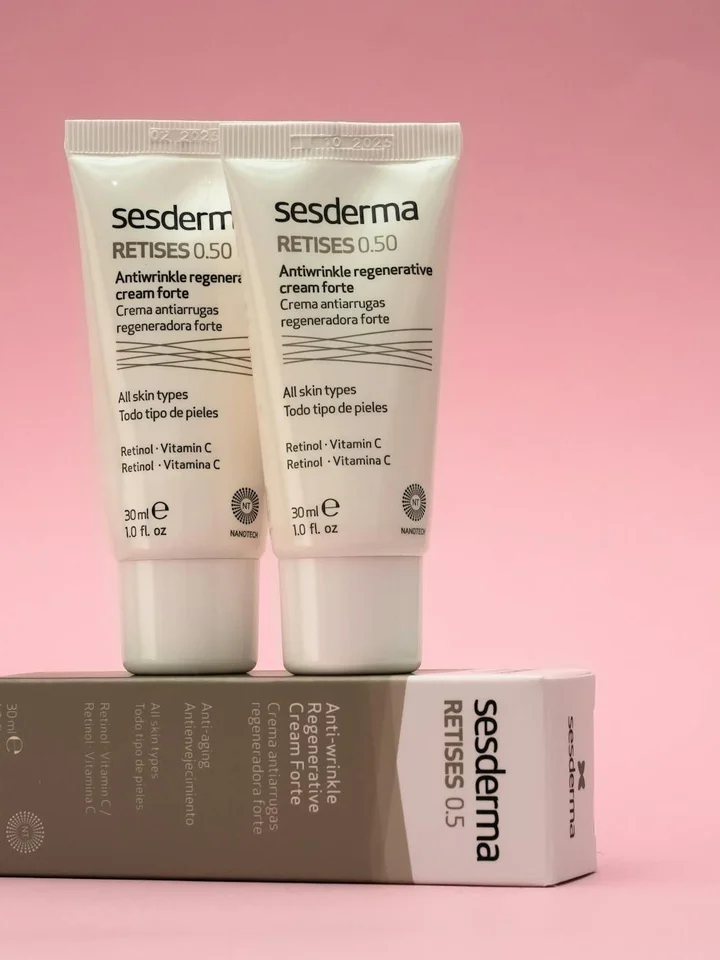
Think of applying retinol like handling a delicate silk shirt. You wouldn’t scrub it aggressively, you’d treat it with a gentle touch. The goal is to let the active ingredient do its work without you rubbing your skin raw in the process.
Your Gentle Retinol Application Routine
- Start with Dry Skin. After cleansing, wait 15-20 minutes for your face to be completely, bone-dry. Damp skin can drive the retinol deeper, increasing irritation. This is the single most important step my client Noah taught me for his reactive skin.
- Measure Your Pea. A “pea-sized amount” is literal. Picture a single, standard green pea from the freezer bag. That’s enough for your entire face and neck. Using more retinol will not make it work faster, it will only make you red and flaky.
- Dot & Smooth. Here’s how to put on retinol without friction. Squeeze your pea-sized portion onto your fingertip. Use your ring finger (it applies the least pressure). Dot the retinol onto your forehead, cheeks, chin, and neck. Then, gently smooth and pat it outward until it’s absorbed. Do not rub.
- Let It Sink In. Give it a good 5-10 minutes to fully absorb before moving on to your next step. This prevents pilling and ensures it’s working on your skin, not mixing into your moisturizer.
- Seal with Moisture. Always follow up with a gentle, fragrance-free moisturizer. This is non-negotiable. It acts like a comforting blanket over the retinol, helping to soothe and hydrate while it works.
Applying Different Retinol Formulas
Not all retinols feel the same, but the application rules stay constant.
How to apply CeraVe retinol serum or any lightweight serum: These are often in dropper bottles. Use the same pea-sized amount total. Dispense a few drops onto your finger, dot, and smooth. Serums absorb quickly, so the “wait time” before moisturizer can be shorter.
For retinol creams: These are often thicker. The same measuring rule applies. They can feel more emollient going on, which my client Lina prefers for her combination cheeks.
How to apply retinol eye cream: Use only a half-pea or grain-of-rice amount for both eyes. Dab it only onto the orbital bone (the firm bone around your eye socket), never on the mobile eyelid or directly under the lash line where skin is thinnest. Pat gently until absorbed.
And how to use Elizabeth Arden Retinol HPR or other encapsulated, “slow-release” formulas? Follow the exact same core rules. The gentler delivery system is built into the product chemistry, not your application technique.
How Often Should You Use Retinol? Finding Your Sweet Spot
Frequency is your dial for comfort. My approach with clients is always to start low and go slow. There is no medal for using it every night right out of the gate.
The Beginner’s Schedule
For most new users, especially those with sensitivity or drier skin like Noah, I recommend this ramp-up:
- Weeks 1 & 2: Apply retinol one night per week (e.g., every Monday).
- Weeks 3 & 4: If your skin is tolerating it well, increase to two nights per week, with at least one night off in between (e.g., Monday and Thursday).
- Month 2 and Beyond: You can consider moving to every other night, which is a fantastic maintenance frequency for many people.
Your skin will tell you the right schedule if you listen to it.
The Magic of Skin Cycling
This method is a game-changer for easing in or managing sensitive skin. It structures your week to prioritize both treatment and recovery. A classic 4-night cycle looks like this:
- Night 1 (Exfoliate): Use a gentle chemical exfoliant (like AHAs or BHAs).
- Night 2 (Retinol): Apply your retinol.
- Nights 3 & 4 (Recover): Focus only on hydration, barrier repair, and moisture. No actives.
Then you repeat. This gives your skin dedicated time to heal and rebuild, which minimizes irritation. Maya found this perfect for managing her acne-prone skin without overwhelming it.
Reading Your Skin’s Signals
Signs you can try increasing frequency: You’ve used your current schedule for 3-4 weeks with zero tightness, stinging, or unusual dryness. Your skin feels normal the next morning.
Signs you need to pull back or take a break: Persistent redness, burning when applying any product, raw feeling, severe flaking, or itchy patches. This is your skin asking for a rest. Return to a once-a-week schedule or pause for a full week while you baby your barrier with ceramides and moisturizer.
How to Know if Retinol is Working
Initial mild dryness or flaking in the first few weeks can be normal. But true results are subtler and come later. Retinol is working when you notice a change in texture, not just a reaction.
Look for smoother skin, a more refined look to your pores, a gradual brightening of post-acne marks, or fine lines that appear softened. These benefits quietly accumulate over months, not days. If you only experience persistent irritation, the formula or frequency may not be right for you.
The Interaction Matrix: What to Mix with Retinol and What to Avoid
Think of your retinol routine as a team project. You want ingredients that work together, not ones that fight for attention and irritate your skin in the process. This is your safety-first guide to building a supportive routine.
Great Partners
These ingredients are the supportive friends your retinol needs. They help soothe, hydrate, and reinforce your skin barrier, making the adjustment period smoother.
| Ingredient | Why It’s a Great Partner | How to Use Together |
|---|---|---|
| Hyaluronic Acid | It’s a hydration magnet, drawing water into the skin. Retinol can sometimes feel drying, so this adds a layer of cushioning moisture. | Apply a hyaluronic acid serum to damp skin, let it absorb, then follow with your retinol. |
| Niacinamide | This vitamin B3 derivative is like a friendly neighbor that calms the block. It helps strengthen the skin barrier, reduces redness, and can regulate oil production. | Use a niacinamide serum either before your retinol or mixed in with your moisturizer. It’s generally very well-tolerated. |
| Ceramide-Rich Moisturizers | Ceramides are the glue that holds your skin barrier together. Using a moisturizer packed with them after retinol is like locking in the treatment with a protective, soothing blanket. | Always apply your moisturizer as the final step in your nighttime routine, after your retinol has fully absorbed. |
This combination strategy is what I often recommend to clients like Noah, who has dry, reactive skin; it helps his barrier stay resilient while he gets the benefits of retinol.
Proceed with Caution / Don’t Mix
These ingredients are powerful on their own, but using them at the same time as retinol can lead to a traffic jam of irritation on your skin’s surface. Make sure to avoid using salicylic acid with retinol.
| Ingredient | Why to Avoid Direct Mixing | Safer Alternative |
|---|---|---|
| AHA/BHA (Glycolic, Salicylic Acid) | These are exfoliating acids. Using them with retinol, another exfoliant, dramatically increases the risk of redness, peeling, and a compromised barrier. It’s simply too much at once. | Use them on alternate nights. For example, retinol on Monday and Wednesday, an AHA toner on Tuesday. |
| Benzoyl Peroxide | This acne fighter can oxidize and deactivate retinol, making both ingredients less effective. It’s also very drying and irritating when combined. | Use benzoyl peroxide in your morning routine and retinol at night, if your skin can handle both. Otherwise, alternate nights. |
| Vitamin C (Ascorbic Acid) | They both love low pH environments to work, but using them together can be intensely irritating for many people. It’s an advanced move that often backfires. | Use Vitamin C in the morning (it’s a great antioxidant partner for sunscreen) and retinol at night. This is a classic, effective separation. |
Also be mindful of other potential irritants like physical scrubs or very high-percentage acid treatments on your retinol nights. Knowing how retinol percentages relate to efficacy helps you pick products that fit your skin. This helps you balance results with tolerance. Your goal is effective treatment, not overwhelming your skin. When in doubt, space it out.
Contraindications & Safety Warnings: When to Press Pause
Retinol is a fantastic tool, but it’s not for every person or every moment in your skin’s life. Knowing when to stop is as important as knowing how to start.
Retinol is not recommended during pregnancy, breastfeeding, or when trying to conceive. If you are in any of these categories, press pause and explore other fantastic ingredients like azelaic acid or bakuchiol for your skincare goals.
Do not apply retinol to skin that is actively angry. This includes sunburned skin, skin with open cuts or broken areas, active eczema flares, or severe rosacea pustules. You’ll only worsen the inflammation and delay healing.
If you have a compromised skin barrier-your skin feels tight, burns easily with products, is flaky, or looks red and rough-retinol is not your first step. This was the case for my client Noah when his skin was in a reactive state; we focused for weeks on ceramides, glycerin, and gentle cleansing to repair his barrier before even considering a retinol. Your skin must be calm and healthy first, especially when layering retinoids for barrier repair.
Finally, this is the non-negotiable rule: you must use a broad-spectrum sunscreen every single morning when using retinol. Retinol makes your skin more photosensitive. Sun exposure without protection not only reverses the benefits but can lead to more significant damage. Think of sunscreen as the lock on the door that keeps all your hard work safe.
Long-Term Love: Making Retinol a Sustainable Part of Your Routine
Starting retinol can feel like a rocky romance at first. Your skin might flush, peel, or feel a bit rough-this is often called the “retinol uglies.” It’s a common adjustment phase as your skin acclimates to faster cell renewal. I see this with clients like Noah, who has dry, reactive skin. His cheeks got flaky after his first few uses. The trick isn’t to quit, but to support your skin through it with extreme gentleness.
When peeling or redness appears, treat your skin like you would a delicate fabric-with care, not force. Do not pick or scrub at the flakes. Instead, focus on hydration. After applying your retinol, wait a few minutes, then layer a generous amount of a simple, fragrance-free moisturizer. Look for formulas with ceramides or hyaluronic acid to reinforce your skin’s barrier. Applying moisturizer to slightly damp skin can help lock in even more water.
Your retinol schedule should breathe with the seasons, just like your skin does. In dry, cold winter months, indoor heating and harsh winds can compromise your skin’s moisture barrier. If you notice increased tightness or sensitivity, it’s a sign to pull back. During winter, I often advise clients like Noah to reduce retinol application to every other night or even twice a week, focusing instead on nourishing creams and oils. Come spring and summer, when humidity rises, you can typically return to your regular frequency. Listen to your skin-it gives you the best feedback.
The most powerful results from retinol come from patience, not pressure. I remind Maya, who uses it for acne and texture, that her skin didn’t start looking noticeably smoother until she’d used it faithfully for about 12 weeks. Retinol works beneath the surface, encouraging healthy new skin to form. Think of it as training for your skin; consistent, gentle sessions over months build lasting strength and clarity, while sporadic, intense use often leads to irritation and setbacks. Once your skin adjusts, you might only need it a few nights a week to maintain the benefits.
Getting comfortable with retinol is a skill that genuinely pays off for your skin’s long-term health. You learn to read its signals and adjust with confidence. Stick with the gentle, steady approach, especially when choosing the right retinol percentage for beginners and sensitive skin, and you’ll be rewarded with a complexion that looks and feels more resilient. I’ve navigated this journey myself and with countless clients, and that moment when your skin finally glows-without the drama-makes every bit of patience worthwhile.
Your Retinol Night Routine, Clarified
How do I safely increase my retinol frequency beyond the beginner schedule?
Once your skin tolerates every-other-night use without sensitivity for a full month, you can consider applying it two nights on, one night off. True “maximum benefit” is achieved with consistent, irritation-free use, not necessarily nightly application.
Can I layer niacinamide or hyaluronic acid with my retinol?
Absolutely. Applying a niacinamide or hyaluronic acid serum to damp skin before your retinol is an excellent strategy. This provides barrier support and hydration, creating a more comfortable environment for the retinol to work.
How should my routine change after the first 3 months with retinol?
Your routine should evolve into a steady, maintenance rhythm. Listen to your skin’s needs-you may maintain an every-other-night schedule or find that using it for two consecutive nights followed by recovery nights sustains your results perfectly.
Your Retinol Journey: Patience and Progress
Getting the best from retinol hinges on a gentle, consistent approach. Your skin’s comfort is the ultimate guide, not a rigid calendar. Treat it with respect, and it will reward you with clarity and resilience over time. For a practical men’s skincare routine, adding gentle retinoids can fit neatly into daily habits. Steady use pays off with smoother texture and lasting resilience.
- Always apply retinol to completely dry skin to reduce the chance of stinging.
- Start using it just two nights a week, slowly adding more nights as your skin adjusts.
- Seal it in with a nourishing moisturizer to support your skin barrier overnight.
- Never skip sunscreen during the day-retinol makes your skin more vulnerable to sun damage.
- If your skin feels sensitive, pause for a few nights and focus on soothing hydration.
I love hearing about your experiences, whether you’re seeing great results or hitting a snag. Your questions help shape what we talk about here. Send them my way anytime, and follow along for more straightforward advice that puts your skin’s health first.
Related Guides and Information
- r/SkincareAddiction on Reddit: [Routine Help] Retinol and Serums at night
- A Beginner’s Guide on How to Use Retinol: Here’s Everything You Need to Know
- Should You Only Use Retinol at Night? Why It Matters – SLMD Skincare by Sandra Lee, M.D. – Dr. Pimple Popper
- How to Use Retinol at Night | ingredient | Biotherm
Lucy Zimmerman
Lucy is an expert author and blogger when it comes to skin care and body care. She has first hand expertise acting as skin care consultant for over 5+ years helping her clients achieve smooth blemish free skin with natural and working remedies. She also has been an avid experimenter and tried out all the natural and artificial remedies and treatments so you can learn from her first hand experience. Additionally, she has traveled to many countries around the world and incorporated the skin care routines she has learnt into this blog. So, wait no more, reach out to Lucy if you have any specific needs and follow her blog, LuciDerma for expert skin care advice.