
Salicylic Acid Timing: A Simple Guide for Morning or Night Use
Wondering if you should apply salicylic acid in the morning or at night is a smart question, and getting it right helps your skin feel balanced, not bothered. I see this confusion often with clients like Maya, who wants her acne-prone skin to clear up without feeling stripped or irritated.
By the end of this article, you will know exactly how to fit salicylic acid into your day. Here is what we will cover:
- Whether morning or night application works best for your specific skin concerns and lifestyle.
- How to layer salicylic acid with other products, so it remains effective without compromising your skin’s comfort.
- Practical steps to build a routine that uses this ingredient safely, keeping your barrier strong and resilient.
Let’s find the perfect spot for salicylic acid in your skincare lineup.
Start Here: A Simple Schedule for Salicylic Acid
If you’re holding your salicylic acid product and just want to know where to put it, here is your quick answer.
For most people using a leave-on product like a serum or toner, applying salicylic acid at night is the most effective and simplest routine. This gives it plenty of time to work without interacting with your morning sunscreen or makeup. Apply it after cleansing on dry skin, and before your moisturizer.
| Your Goal | Best Time to Apply | Key Tip |
| Daily Prevention & Pore Care | Night, after cleansing | Start with 2-3 nights a week. Listen to your skin. |
| Spot Treating a Blemish | Morning or Night | Apply a tiny dab directly on the spot after your toner/serum step. |
| Managing Oily Skin | Morning or Night | If using in the AM, let it dry fully before applying sunscreen. |
| Gentle Introduction for Sensitive Skin | Night, 1-2 times a week | Apply for 10 minutes, then rinse off. This is called “short contact therapy.” |
The most important rule is finding a schedule you can stick to. Using it consistently twice a week is far better than using it daily for three days and then quitting because your skin feels raw.
What Salicylic Acid Really Does (And Why Timing Matters)
Think of salicylic acid less as a surface scrubber and more as a deep-cleaning oil dissolver. This is the key to understanding when to use it.
Imagine your pore is like a kitchen sink drain. Oil, dead skin cells, and debris can clog it up, leading to blackheads or inflamed pimples. A regular cleanser might rinse the surface of the sink, but salicylic acid is like the plumber’s snake. It’s oil-soluble, so it can travel down into the oily plug clogging your pore and help dissolve it from the inside out.
This oil-loving nature is why application order is non-negotiable. You must apply salicylic acid to clean, dry skin so nothing blocks its path into the pore. If you layer a thick cream or oil first, it creates a barrier that the salicylic acid has to fight through, making it much less effective.
As a beta-hydroxy acid (BHA), it also gently exfoliates the surface layer of skin, helping to unglue dead cells. In cosmetic chemistry terms, BHAs are oil-soluble and penetrate pores, while AHAs exfoliate mainly at the surface. This AHA/BHA exfoliation chemistry helps explain why timing it right unlocks its full potential.
More Than Just Zits: Surprising Benefits for Your Skin Type
While it’s famous for fighting pimples, salicylic acid is a multitasker. Here’s what it can do beyond tackling a sudden breakout:
- Clear Blackheads: It’s exceptionally good at keeping pores clear of the oxidized gunk that shows up as black dots.
- Smooth Skin Texture: By encouraging gentle turnover, it can soften rough, bumpy skin for a more even feel.
- Reduce Surface Shine: It helps manage excess oil. For my client Maya, using a salicylic acid toner in her nightly routine significantly tamed her midday shine without overdrying her cheeks.
This isn’t just for your face. If you have rough skin or clogged pores on your body (often called “chicken skin” or keratosis pilaris on arms, or bacne on your back), a salicylic acid body wash or lotion can be a game-changer. Use it in the shower, let it sit on the skin for a minute to work, then rinse.
Morning vs. Night: Picking Your Power Hour

So, when should you apply salicylic acid in your skincare routine: morning or night? The simple answer is: you can do either, but your skin type and goals will point you to the best shift. Think of it like scheduling a meeting with your pores.
The Case for a Morning Application
Using salicylic acid in the morning is a preemptive strike. It clears out oil and debris that accumulated overnight, creating a clean, matte canvas that can better resist the oil and pollution you’ll encounter all day.
Applying it in the A.M. helps control shine and keep pores clear from the moment you start your day. If you have persistently oily, acne-prone skin like my client Maya, this daytime control can feel like a game-changer.
There’s a crucial follow-up step. Salicylic acid does not make your skin significantly more sensitive to the sun like glycolic acid can, but any exfoliation demands sun protection. Sunscreen is the absolute non-negotiable next step after any morning acid use.
Why Nighttime is Often the Right Time
Nighttime is your skin’s repair shift. This is when your body focuses on renewal, making it an ideal window for exfoliation to work without any potential sun interference.
Using salicylic acid at night allows it to work deeply while your skin is in its natural restoration mode. It’s also easier to pair with other nourishing treatments, like a peptide serum or a reparative moisturizer, without worrying about how they’ll sit under makeup.
For most people, especially if you’re new to acids, have sensitivity like Noah, or use other targeted treatments, night is the safest and most effective bet. It gives your skin a quiet, focused period to benefit.
The Golden Rule of Layer Order: Before or After?
Should you apply salicylic acid before or after other products? The golden rule is thin-to-thick and liquid-to-cream. But with acids, there’s a more specific principle: they need direct access, especially if you’re cautious about salicylic acid sensitivities.
Salicylic acid must be applied to clean, dry skin to work effectively. Any thick product in between acts as a barrier. Think of it like trying to clean a dirty plate with dish soap, but you put a layer of plastic wrap on it first. The soap can’t reach the grime, and neither can [salicylic acid](https://luciderma.com/can-salicylic-acid-cause-acne) if it doesn’t absorb properly.
Always apply your salicylic acid product-whether it’s a toner, serum, or lightweight treatment-right after cleansing and before any thicker treatments, oils, or moisturizers.
Your Step-by-Step Routine Maps
Here is how to layer salicylic acid correctly in both a morning and evening routine.
A.M. Routine with Salicylic Acid
- Step 1: Gentle Cleanser. Use a lukewarm water rinse or a mild, sulfate-free cleanser.
- Step 2: Salicylic Acid Product. Apply your water-based toner, treatment serum, or pad directly to skin. Let it absorb for 60 seconds.
- Step 3: Lightweight Moisturizer (Optional). If your skin feels tight or dry, use a simple, oil-free gel moisturizer.
- Step 4: Sunscreen. Apply a broad-spectrum SPF 30 or higher. This is mandatory.
P.M. Routine with Salicylic Acid
- Step 1: Makeup Remover & Cleanser. Start with an oil or balm to remove sunscreen and makeup, then follow with your gentle cleanser.
- Step 2: Salicylic Acid Product. Again, apply to clean, dry skin. Let it fully absorb.
- Step 3: Treatment Serums (Non-Conflicting). Now you can layer other treatments. A niacinamide serum pairs beautifully here. Avoid using other direct acids (like glycolic) in the same routine.
- Step 4: Moisturizer. Lock everything in with a nourishing cream. This is the time for a richer formula if you need it.
The Mixing Matrix: What to Pair and What to Pause
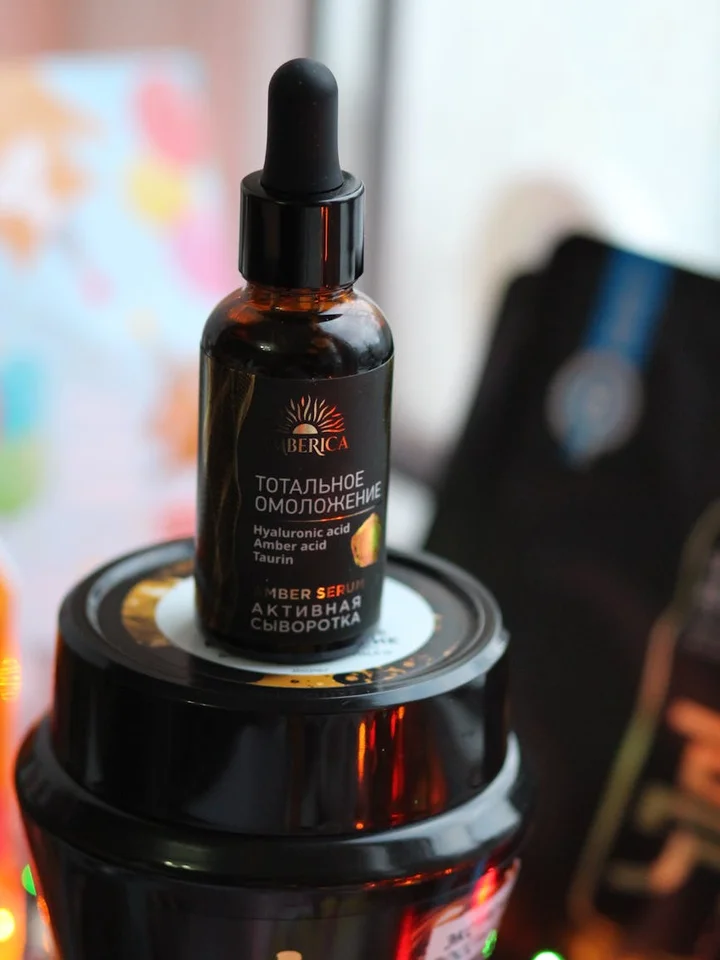
Think of your skincare routine as a team. Some players work brilliantly together, while others need to be on the field at different times to win the game for your skin. This table is your quick-play guide.
| Ingredient | Mix With Salicylic Acid? | Key Consideration |
| Niacinamide | Yes, great team | Boosts barrier function while BHA clears pores. |
| Hyaluronic Acid | Yes, always safe | A hydrating teammate, not an active exfoliant. |
| Moisturizer | Yes, necessary | Apply after to lock in hydration and support your barrier. |
| Retinol | Space out | Use on alternate nights to prevent irritation overload. |
| Other AHAs (Glycolic, Lactic, Mandelic) | Space out | Use at different times of day or on different days to avoid sensitivity. |
| Vitamin C (L-ascorbic acid) | Separate AM/PM | Prevents potential instability and irritation. |
| Benzoyl Peroxide | Use with caution | Can be overly drying together; consider alternating or spot-treating only. |
| Azelaic Acid | Often safe, monitor skin | Can work well together for multi-angle acne and redness treatment. |
Safe & Synergistic Friends
These ingredients form a supportive squad with salicylic acid. They don’t fight for the same job on your skin.
Niacinamide is salicylic acid’s dream partner for oily or acne-prone skin. While salicylic acid dives into pores to clear out debris, niacinamide works on the surface to reinforce your skin’s natural barrier and calm redness. This barrier-strengthening effect helps keep skin hydrated and resilient. My client Maya finds this combination perfect for managing her oily T-zone without leaving her skin feeling stripped or angry.
Hyaluronic acid is a hydrating teammate, not an exfoliator, so it’s always safe to use together. You can absolutely use hyaluronic acid in the morning with your salicylic acid, or layer it right after your BHA serum at night. It acts like a drink of water for your skin, plumping it up after exfoliation. Think of salicylic acid as the cleaner and hyaluronic acid as the replenisher.
Applying a good moisturizer after salicylic acid is non-negotiable, not a problem. A lightweight, non-comedogenic moisturizer helps seal in hydration and supports your skin barrier as it turns over new cells. Skipping moisturizer because you’re using an acid is a common mistake that can lead to dryness and more oil production.
Handle With Care or Space Out
These are other powerful actives. Using them at the same time as salicylic acid can overwhelm your skin’s peacekeeping forces.
Retinol and salicylic acid are both excellent, but they’re best on separate shifts. Both can cause dryness and irritation. Using them together, especially when starting out, is a fast track to a reactive, flaky complexion. I advise using them on alternate nights. For example, use salicylic acid on Monday and Wednesday, and retinol on Tuesday and Thursday.
Other AHAs like glycolic, mandelic, or lactic acid work on the skin’s surface. Because they are also exfoliants, doubling up with salicylic acid can lead to over-exfoliation. You can use glycolic acid in the morning and salicylic at night if your skin tolerates it well, but for most people, use them on different days. The same goes for mandelic acid; while it’s gentler, it can be used in the morning, but I’d still space it apart from your BHA treatment.
Vitamin C (specifically L-ascorbic acid) can be unstable at the same pH salicylic acid needs to work. Layering them can potentially reduce the effectiveness of both. It’s simpler and more effective to assign them different shifts: vitamin C in your morning routine for antioxidant protection and salicylic acid at night for deep cleaning.
Benzoyl peroxide is effective but very drying. Pairing it with salicylic acid can strip your skin’s natural oils excessively. If you use both, apply benzoyl peroxide as a targeted spot treatment only, or use it on completely different days. Listen to your skin-tightness and peeling are signs to pull back.
Generally Safe, But Listen to Your Skin
Azelaic acid and salicylic acid can be a powerful duo for stubborn acne and redness. Azelaic acid targets bacteria and inflammation, while salicylic acid unclogs pores. You can use azelaic acid in the morning and salicylic at night, or some formulations combine them. Start slowly, and if you have sensitive skin like Noah, introduce one at a time to see how you react.
Contraindications & Safety Warnings: When Not to Try
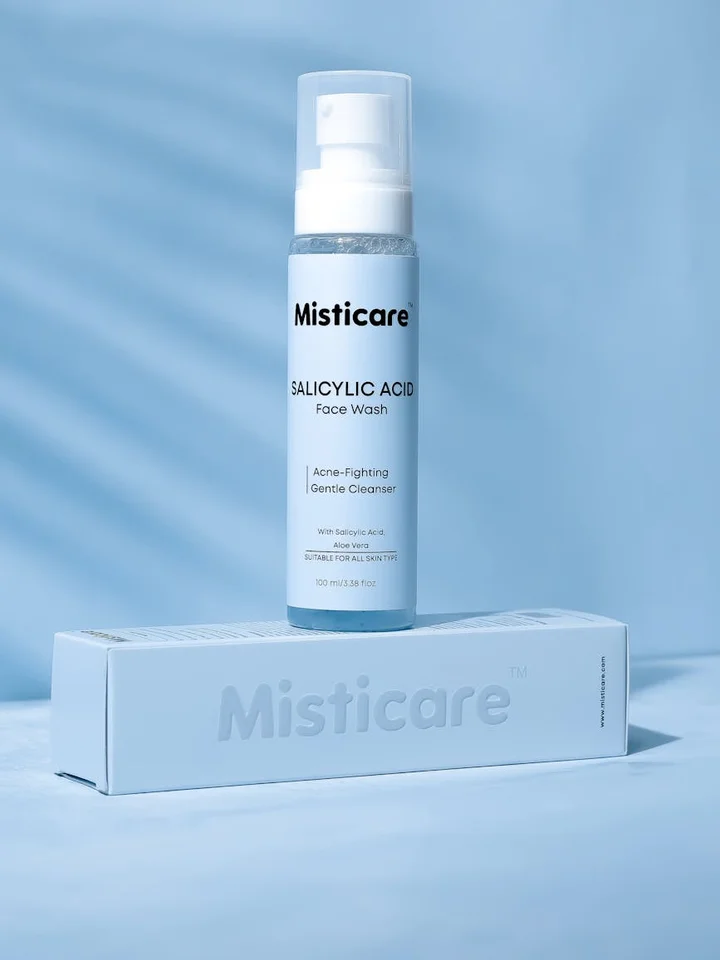
Even the best tools aren’t right for every job. There are times to press pause or avoid salicylic acid entirely.
If you are pregnant, trying to conceive, or breastfeeding, consult your doctor before using salicylic acid. While topical use is generally considered low risk, professional medical guidance for your specific situation is essential.
Do not apply salicylic acid to visibly broken skin, active sunburn, or open wounds. It will sting intensely and can delay healing.
Pause use during active eczema or rosacea flare-ups. Your skin barrier is already compromised and needs calm, reparative ingredients, not exfoliants.
A damaged moisture barrier feels tight, looks red, and stings when you apply even gentle products. If you notice this, take a full “repair break” from all actives, including salicylic acid, for at least two weeks.
Always perform a patch test before using a new product. Apply a small amount behind your ear or on your inner forearm for three to five days. This is crucial for everyone, but non-negotiable if you have reactive skin like my client Noah.
Spotting Trouble: Signs You’re Using It Wrong
Your skin will tell you when it’s had too much. Learning its language prevents bigger problems.
- Persistent dryness or flaking that doesn’t improve with moisturizer.
- Increased sensitivity to products that never bothered you before.
- Worsening redness, not just where you have breakouts.
- A feeling of rawness or sandpaper-like texture.
A slight tingling for a minute or two when you apply it can be normal. A burning or stinging sensation that persists is a clear stop signal.
If you see these signs, here is your recovery plan:
- Stop all active ingredients (acids, retinol, potent vitamin C).
- Cleanse only with a gentle, hydrating cleanser.
- Apply a moisturizer rich in ceramides and soothing ingredients.
- Use a mineral sunscreen every single morning.
Give your skin this simple, protective routine for one to two weeks, or until all signs of irritation are completely gone. Then, you can slowly reintroduce salicylic acid, starting with just once or twice a week.
Your Salicylic Acid Questions, Answered
How often should I use salicylic acid?
Start with 2-3 times per week, always listening to your skin’s response. Consistent, moderate use is far more effective and sustainable than daily application that leads to irritation.
Can I use it on the same night as my retinol?
It’s best to space them out to prevent overwhelming your skin. Use salicylic acid and retinol on alternate evenings to allow each ingredient to work effectively without compromising your barrier.
What’s the clearest sign I’m overusing it?
Persistent stinging, burning, or a widespread feeling of tightness and rawness are your skin’s stop signals. A slight, brief tingle can be normal, but persistent discomfort means you should pause and focus on repair.
Final Thoughts on Your Salicylic Acid Routine
The best time to apply salicylic acid is when you will use it most consistently. For most people, a simple nightly application after cleansing works beautifully, allowing the ingredient to do its work without sun exposure. Your skin’s response is the ultimate guide, so start slowly and adjust based on what you feel and see.
- Apply salicylic acid to clean, dry skin for best penetration.
- Use it at night to avoid potential sun sensitivity and pair it with your morning sunscreen.
- Always follow with a moisturizer to keep your skin barrier happy and hydrated.
- If you experience irritation, scale back to every other night or switch to a wash-off formula.
- Consistency with a simple routine is far more effective than using it sporadically in a complex one.
If you have more questions about your specific routine, I’m here to help. You can always find more guidance right here on the LuciDerma blog, where we focus on safe, sustainable, and effective skin care. Your journey to clearer skin is a process, and getting the basics right is the most powerful step you can take. For a practical, step-by-step plan, our build skincare routine step guide outlines each essential stage—from cleansing to moisturizing. It helps tailor your routine to your skin’s needs.
References & External Links
- r/SkincareAddiction on Reddit: Salicylic Acid acid in the morning? [Routine Help]
- Should I Use Salicylic Acid Serum in the Morning or Night? – Belogical – Belogical Wellness Private Limited
- The Best Time of Day to Use Salicylic Acid Products – Platinum Skin Care
- How to Use Salicylic Acid in Your Skincare Routine | BEAUTY PIE
- Can I Use Salicylic Acid Daily: Frequency, Tips & Best Practices | The Pink Foundry
- How to Build a Routine Around Salicylic Acid Without Over-Drying Your Skin
Lucy Zimmerman
Lucy is an expert author and blogger when it comes to skin care and body care. She has first hand expertise acting as skin care consultant for over 5+ years helping her clients achieve smooth blemish free skin with natural and working remedies. She also has been an avid experimenter and tried out all the natural and artificial remedies and treatments so you can learn from her first hand experience. Additionally, she has traveled to many countries around the world and incorporated the skin care routines she has learnt into this blog. So, wait no more, reach out to Lucy if you have any specific needs and follow her blog, LuciDerma for expert skin care advice.