
How Adapalene Gel Clears Blackheads and Stops Clogged Pores
If blackheads and clogged pores feel like a never-ending battle, I understand your frustration. Let’s break down exactly how adapalene gel tackles these issues at their source.
By the end of this guide, you will have a straightforward action plan. You’ll know:
- How adapalene gel works on a cellular level to dissolve pore blockages.
- Why this makes it so effective for both treating blackheads and preventing new ones.
- The simple steps to use it in your routine for clear skin without irritation.
You’re already on the right path by seeking out this knowledge.
What Exactly Is Adapalene Gel (And Is It Right For You)?
Adapalene is a type of retinoid you can now find on drugstore shelves. Retinoids are vitamin A derivatives, and they’re some of the most studied ingredients for improving skin texture and clarity.
You might know the brand name Differin. That’s one version of it, but the star of the show is the ingredient itself: adapalene. When you’re shopping, look for “adapalene” on the label.
Its main job is to treat acne, specifically the clogged pores we call comedones. These are your blackheads and whiteheads. So, to answer the big question directly: yes, adapalene is absolutely used for blackheads. It’s designed to tackle them at their source.
Adapalene in the Retinoid Family Tree
Think of retinoids as a big family. Prescription tretinoin is the powerful, sometimes temperamental sibling. Over-the-counter retinol is the gentle, slow-and-steady cousin that needs to be converted by your skin to work.
Adapalene sits right in a sweet spot between them. It’s stronger and more directly active than most retinol serums, but it’s specifically engineered to be less irritating than some prescription options. If retinoids were tools, adapalene is your reliable multi-tool: effective for the task and built for steady, daily use. When people compare strength and potency among retinoids, adapalene often serves as a reliable mid-range benchmark. That makes it a natural reference point for more detailed potency comparisons later.
Who Sees the Best Results with Adapalene?
This gel loves oily or combination skin that’s a factory for clogged pores. If you constantly feel like you’re fighting little bumps and blackheads, especially along your T-zone, this could be a game-changer.
I think of my client Maya. She’s 28 with oily, acne-prone skin. Her main frustration was those stubborn blackheads on her nose and chin that nothing seemed to clear for long. Adapalene gave her a consistent way to manage them without over-drying her cheeks.
If your skin is very dry or reactive like my client Noah’s, you can still use it, but you must proceed like you’re walking on delicate ground. Starting very slowly and pairing it with a serious barrier-repair moisturizer is non-negotiable.
The Science of Adapalene: A Molecule Spec Sheet
Let’s look at what makes this ingredient tick. This isn’t just chemistry for the sake of it. Each of these properties tells you exactly how it will behave on your skin.
| pH | Around 5.5 (skin-friendly, slightly acidic) |
| Common OTC Concentration | 0.1% gel or cream |
| Solubility | Lipophilic (oil-loving), so it can penetrate pore linings well |
| Safety Profile | Generally well-tolerated; known for being less irritating than some prescription retinoids |
What “Oil-Loving” Means for Your Pores
That “lipophilic” trait is the secret to its blackhead-fighting power. Since adapalene is oil-loving, it’s naturally drawn to the sebum inside your pores-the exact place where a blackhead forms and lives.
Imagine you have a grease stain on a shirt. A regular cleaner might work on the surface, but a degreaser goes right for the oily core. Adapalene acts like that targeted degreaser for your pores, working where the clog happens to help break it up and prevent new ones from forming. This is why it’s so effective for the tiny, gritty plugs you can feel under your skin, even before they turn into a full pimple.
How Adapalene Gel Clears Existing Blackheads and Stops New Ones

To understand if adapalene gets rid of blackheads, you need to know what a blackhead actually is. It’s not dirt. It’s a tiny plug of dead skin cells and oil (sebum) that has oxidized and darkened at the surface of a pore. Think of your pore like a tiny tube. Adapalene works by changing the environment inside that tube so plugs can’t form and existing ones get gently pushed out.
The Two-Pronged Attack on Clogged Pores
Adapalene works through two main, scientifically-backed actions. It’s not magic, it’s biology.
Step 1: It normalizes skin cell turnover. Normally, the skin cells lining your pores shed and renew. In acne-prone skin, these cells can stick together too much, mixing with oil to create the initial plug. Adapalene tells those cells to behave, encouraging them to shed at a more regular, less “sticky” pace. This prevents the clumping that starts a clog.
Step 2: It calms inflammation. Even a blackhead involves some low-level inflammation in and around the pore. Adapalene has direct anti-inflammatory properties. It helps calm that redness and swelling, which prevents a simple clog from escalating into a painful, inflamed pimple. This is why it’s so effective for my client Noah, who has reactive skin; it manages the clog without igniting his sensitivity.
From Clog to Clear: The Timeline for Blackheads
This is where patience is non-negotiable. Adapalene works on your skin’s natural renewal cycle, which takes about 28 to 40 days. You are literally changing how your pores function from the inside out.
Visible results for blackheads typically take 4 to 8 weeks of consistent use. You might notice your blackheads look “grittier” or more pronounced at first as the gel helps bring deeper clogs to the surface. This is part of the process.
Some people experience a “purge” in the first few weeks-small whiteheads or blackheads appearing where they usually get clogs. This is often a sign it’s working, as it’s rapidly clearing what was already brewing beneath the surface. If you get widespread redness or irritation instead, that’s a sign to slow down your frequency and buffer the application, which we’ll cover next.
Your Gentle, Effective Adapalene Routine for Blackheads
Using adapalene correctly is the difference between smooth progress and a red, peeling setback. The golden rule is “less is more.” You don’t need a pea-sized amount for each cheek; a pea-sized amount for your entire face is plenty. This routine is built for success and comfort.
Step 1: The Patch Test and Frequency Ramp-Up
Never skip this step. Apply a tiny dab of adapalene gel on a small area of your jawline or behind your ear every other night for one week. Watch for severe redness, burning, or itching. This tells you if your skin has a bad reaction to a specific formula.
Start by applying it just 2 or 3 nights a week, always on clean, dry skin. After 2-3 weeks, if your skin feels fine (just a little dry or flaky is normal), you can add another night. The goal is to work up to nightly use, but for some people, every other night is the perfect long-term frequency. Listen to your skin.
Step 2: The Correct Order of Application
Order matters, especially to manage dryness. Here’s how to apply it based on your skin type:
- For dry or sensitive skin (like Noah’s): Use the “sandwich method.” Apply a light layer of your basic moisturizer to slightly damp skin. Wait 15 minutes for it to fully absorb. Then apply your pea-sized amount of adapalene. Wait another 5-10 minutes, then seal it with another light layer of moisturizer. This buffers the treatment and reduces irritation.
- For oily or resilient skin (like Maya’s): Apply adapalene directly to clean, completely dry skin. Wait 20 minutes, then follow with a lightweight, non-comedogenic moisturizer. This gives the treatment direct contact for maximum efficacy without overloading your skin.
Step 3: The Non-Negotiable Morning Aftercare
Adapalene makes your skin more susceptible to sun damage. Sunscreen is not optional, it’s part of the treatment.
You must apply a broad-spectrum SPF 30 or higher every single morning, rain or shine. This protects your new, more delicate skin cells and prevents post-inflammatory dark spots from forming as your blackheads clear. In the morning, cleanse with a gentle, hydrating face wash-no active ingredients needed. Your goal is to soothe and protect, not treat. Follow with your moisturizer and sunscreen.
Adapalene vs. Salicylic Acid: Choosing Your Blackhead Fighter
Think of these two ingredients as different tools for the same job. One is a deep-reset button, the other is a daily scrub brush. Choosing the right one depends on your skin’s history and your patience level.
My client Maya, with her oily, acne-prone skin, has used both. She found that salicylic acid gave her quicker satisfaction on surface bumps, but adapalene was the game-changer for stopping clogs from forming deep in her pores in the first place.
How Salicylic Acid Works (The Surface Exfoliator)
Salicylic acid is a beta-hydroxy acid (BHA). Its superpower is oil solubility, meaning it can dive into your oily pores. Once inside, it works like a solvent, dissolving the sticky “glue” (sebum and dead skin cells) that holds a blackhead together. Using salicylic acid correctly in your routine can help clear and prevent clogged pores.
This action makes it excellent for a quicker, more superficial clean-out of pores that are already clogged. You might notice blackheads look smaller or less dark after a few uses. It’s like sending in a specialist to clear a specific, visible blockage in the pores.
When to Use Adapalene, Salicylic Acid, or Both
Here’s a simple guide to help you decide:
- Choose Adapalene for long-term prevention and deeper, stubborn clogging. If you feel bumps under the skin (closed comedones) or get blackheads that keep coming back to the same spots, adapalene changes the skin’s behavior to prevent the clog from forming.
- Choose Salicylic Acid for immediate, surface-level clearing or for maintenance. It’s great for a weekly pore-clearing mask, a targeted spot treatment, or a gentle cleanser for daily oil management. My client Lina uses a salicylic acid cleanser in the morning on her T-zone.
- Never use adapalene gel and a leave-on salicylic acid product on the same night. This is a fast track to redness, peeling, and a compromised skin barrier. If you want to use both, use salicylic acid in the morning and adapalene at night, and only if your skin tolerates it.
Managing the Initial Phase: Dryness, Redness, and The “Purging” Period
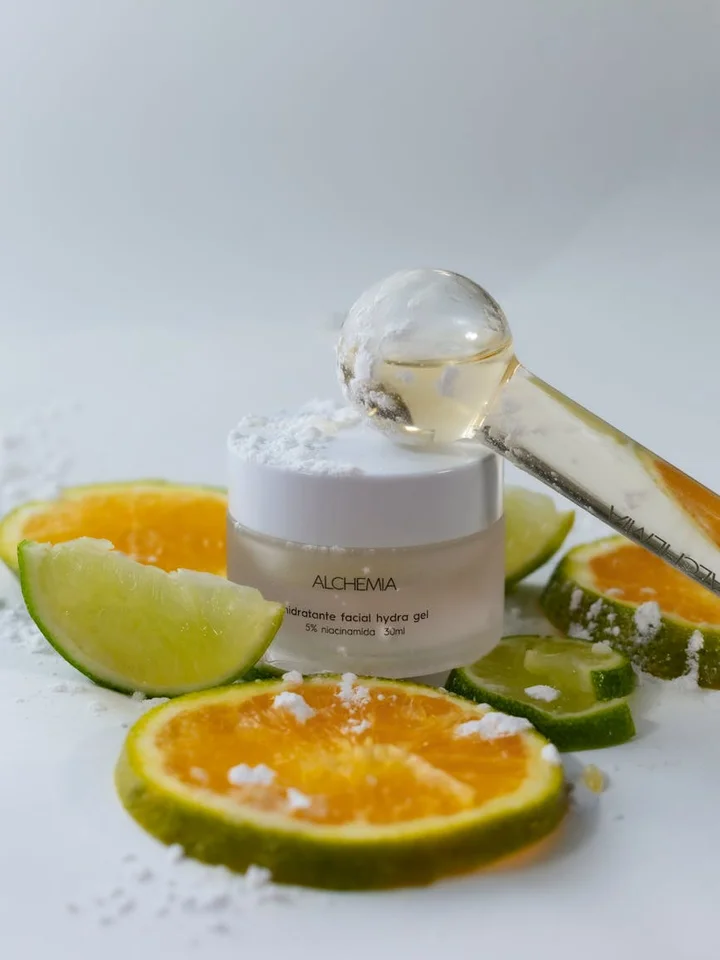
Starting adapalene is like training your skin for a marathon. There’s an adjustment period. This is normal, and with the right approach, it’s manageable. Think of it as your skin recalibrating, not rejecting the treatment. Integrating adapalene into your skincare routine helps minimize irritation and maximize benefits.
Soothing Strategies for Flaky or Red Skin
When my client Noah started, his dry skin felt tighter. We used these strategies, and his skin adapted within weeks.
- Apply a fragrance-free barrier repair cream with ceramides or panthenol 20 minutes after your adapalene gel. This acts like a protective blanket over the treatment.
- Use only a pea-sized amount for your entire face. More is not more effective, it’s just more irritating.
- If your skin feels raw or stings, take a night off. Just cleanse and use a gentle moisturizer. Listen to your skin.
Building tolerance slowly is smarter than powering through irritation. Start by applying it every third night for two weeks, then every other night.
Is It a Purge or a Breakout? How to Tell
This is the most common question I get. Purging happens because adapalene speeds up skin cell turnover, bringing hidden clogs to the surface faster.
- A purge typically looks like small whiteheads or blackheads that appear in areas where you usually get congestion, and they clear up faster than a normal pimple. It’s like drawing out all the gunk at once with a hydrocolloid patch, but on a larger scale.
- A negative reaction (contact dermatitis) is different. Look for a rash, intense itching, burning that doesn’t stop, or breakouts in brand-new areas of your face.
If it’s a purge, stick with it but consider slowing your application frequency. If it’s a reaction with severe redness or swelling, stop use and consult a dermatologist.
Contraindications & Safety Warnings: When Adapalene Is Not the Answer
Adapalene is powerful, and that power means it’s not right for every situation or every person. Finding it on a store shelf doesn’t make it universally safe. Your skin’s health and your overall well-being must always come before tackling blackheads. Here are the clear scenarios where you should stop, pause, or proceed with extreme care.
Skip It If: Pregnancy, Breastfeeding, or Trying to Conceive
This is the most important rule. Retinoids, including adapalene, are not recommended for use during pregnancy or while breastfeeding. While the systemic absorption of topical adapalene is considered low, experts err on the side of caution due to the potential risk of birth defects. This guidance also applies if you are actively trying to conceive.
If you fall into this category, do not use adapalene gel. Put the tube down and schedule a conversation with your dermatologist or OB-GYN. They can recommend effective, pregnancy-safe alternatives for managing clogged pores, such as azelaic acid or certain forms of benzoyl peroxide.
Pause It If: Your Skin Barrier Is Compromised
Using adapalene on damaged skin is like scrubbing a scraped knee with a stiff brush. It will set back your healing and cause more pain. Your skin barrier is your protective outer layer. When it’s compromised, it can’t handle active ingredients well.
Signs your barrier needs repair first include:
- Stinging or burning when you apply even gentle, familiar products like your moisturizer.
- Patches of extreme dryness, flaking, or rough texture that feel tight.
- Active eczema flare ups, dermatitis, or patches of weeping skin.
My client Noah has dry, reactive skin, and we learned this the hard way. After a bout of windburn, he tried to restart his adapalene. The immediate sting was a red flag. If your barrier is damaged, your only job is to repair it. Focus on a simple routine with a gentle cleanser and a bland, rich moisturizer containing ceramides or colloidal oatmeal for at least two to three weeks. Once your skin feels calm and resilient again, you can consider a very slow reintroduction.
Proceed with Extreme Caution If: You Have Highly Sensitive or Rosacea-Prone Skin
If your skin frequently flushes, reacts with redness to many products, or has been diagnosed with rosacea, adapalene requires a strategic approach. It can be a helpful tool for some rosacea related bumps, but the initial retinization period can be particularly triggering.
A patch test is not a suggestion here, it is an absolute requirement. Apply a pea sized amount to a small area on your jawline or behind your ear for three consecutive nights. Watch for any intense redness, itching, or rash.
Even if you pass the patch test, start slower than the instructions say. Use the “short contact” method: apply for one hour, then wash it off, before progressing to leaving it on overnight. Always apply it over your moisturizer to buffer the effect. Have a tried and true soothing cream, like one with centella asiatica or madecassoside, ready to apply if irritation pops up. Listen to your skin. If it protests loudly, it’s okay to take a step back.
Your Adapalene Blackhead Questions, Answered
How quickly does adapalene stop new blackheads from forming?
While clearing existing clogs takes 4-8 weeks, adapalene starts preventing new ones from day one by normalizing skin cell turnover in your pores. Consistency is key-using it as directed creates an environment where clogs struggle to form in the first place.
Can I use adapalene gel on blackheads on my body?
Yes, adapalene can be effective for body acne and clogged pores on areas like the chest and back. Use the same gentle principles: start slowly, apply to clean, dry skin, and always follow with a moisturizer and daily sunscreen on treated areas. For a skincare routine with adapalene acne, pair it with a gentle cleanser and a hydrating moisturizer. This helps keep skin balanced while you treat body acne.
My skin is “purging”-when should I actually be concerned?
A normal purge involves small clogs in your usual breakout areas that resolve relatively quickly. Stop and consult a professional if you experience a painful rash, severe burning, or breakouts in entirely new locations, as this may indicate irritation or an allergy.
Your Clear Skin Journey with Adapalene
Adapalene gel is a powerful tool for clearing blackheads, but its magic works through steady, consistent use over time. Trust the process, be kind to your skin as it adjusts, and you’ll build a clearer, more resilient complexion.
- Apply a pea-sized amount to your entire face each night, after cleansing and before moisturizer.
- Always use a broad-spectrum sunscreen in the morning, because adapalene makes your skin more sensitive to the sun.
- Pair adapalene with a gentle, fragrance-free moisturizer to support your skin barrier and manage any dryness.
- Give it at least three months of regular use to see significant, lasting results on blackheads and clogged pores.
- If your skin feels irritated, try applying your moisturizer first, then adapalene, or reduce use to every other night.
I’m here to guide you with real, practical advice on the LuciDerma blog. If you have more questions about adapalene or your specific skin story, I’d love to hear from you-your journey to healthier skin is what matters most.
Industry References
- Effaclar Adapalene Gel 0.1% | Retinoid for Acne | La Roche-Posay
- Amazon.com: Acne Free Adapalene Gel 0.1%, Once-Daily Topical Retinoid Acne Treatment, Dermatologist Developed, Unclogs Pores and Clears Acne, Prevents and Improve Whiteheads and Blackheads, 0.5 Ounce : Beauty & Personal Care
- r/SkincareAddiction on Reddit: [Product Question] Adapalene for Blackheads
- Adapalene: Uses, Side Effects, Interactions, Pictures, Warnings & Dosing – WebMD
- Acnefree Adapalene Gel USP 15g – AcneFree Dermatology Inspired Care
- Differin Gel (Adapalene) for Topical Acne: a Patient Guide
- La Roche-Posay – Effaclar Adapalene Gel 0.1% Topical Retinoid Acne Treatment | Ulta Beauty
- What is the recommended treatment for blackheads using adapalene (retinoid)?
- Adapalene (topical route) – Side effects & dosage – Mayo Clinic
- Adapalene vs Salicylic Acid for Acne
Written by Lucy Zimmerman. Lucy is an expert author and blogger when it comes to skin care and body care. She has first hand expertise acting as skin care consultant for over 5+ years helping her clients achieve smooth blemish free skin with natural and working remedies. She also has been an avid experimenter and tried out all the natural and artificial remedies and treatments so you can learn from her first hand experience. Additionally, she has traveled to many countries around the world and incorporated the skin care routines she has learnt into this blog. So, wait no more, reach out to Lucy if you have any specific needs and follow her blog, LuciDerma for expert skin care advice.