
Can Adapalene Gel Reduce Fine Lines and Fade Dark Spots?
Many of my clients, like Lina, come in with a tube of adapalene gel in their bag, asking me this exact question. It’s a smart one, and the answer isn’t just a simple yes or no.
By the end of this guide, you’ll have a clear plan because you will know:
- Exactly how adapalene tackles both post-acne marks and early signs of aging.
- The realistic timeline for seeing smoother skin and a more even tone.
- How to use it correctly to get the benefits without irritating your skin.
With the right approach, this single product can become a powerful part of your long-term skin health.
The Adapalene Molecule: A Quick Science Snapshot
Think of retinoids as a family of skin-changing ingredients. Adapalene is like the newer, more focused member of that family. It’s a third-generation synthetic retinoid, which is a technical way of saying it was engineered to be more stable and gentle than some of its older relatives, like tretinoin.
While tretinoin is powerful, it can be a bit like using a sledgehammer for a precision job―it works, but it often brings more irritation. Adapalene is designed to target specific receptors in the skin more selectively. This means it delivers strong results for cell turnover with a lower chance of causing that classic retinoid redness and peeling, especially when you first start.
| pH Stability | Highly stable across a wide pH range (3.0-9.0). This means it plays nicely with many other ingredients, like benzoyl peroxide, without breaking down. |
| Typical Concentrations | Available over-the-counter at 0.1%. Prescription-strength is often 0.3% for more stubborn acne. |
| Solubility | Lipophilic (oil-loving). This helps it dissolve into the pore lining to work exactly where congestion starts. |
| Safety Profile | Well-tolerated by most skin types. Approved for use in individuals 12 and older. Its selective action makes it less irritating, a good “first retinoid” for many. |
It’s officially FDA-approved to treat acne. It works by normalizing skin cell turnover and calming inflammation deep within the pore. But that process of speeding up cellular renewal and calming inflammation is exactly what gives it the potential to address other concerns, like the dark spots left behind after a pimple heals or the fine lines that come with time.
Does Adapalene Fade Dark Spots and Hyperpigmentation?
Yes, adapalene can be an effective tool for fading certain types of dark spots, but it’s not a one-size-fits-all solution. Its power lies in its consistent, long-term use.
Here’s the simple science: hyperpigmentation happens when skin cells produce too much melanin (your skin’s pigment) and then get stuck on the surface. Adapalene works on this in two key ways. First, it dramatically increases the rate of skin cell turnover. Think of it as gently speeding up a conveyor belt, helping your skin shed those pigment-loaded cells faster to reveal fresher, more even-toned skin underneath. Second, some studies suggest it may directly interfere with the machinery that produces excess melanin, particularly after inflammation (like from a pimple). That makes adapalene particularly relevant for post-inflammatory hyperpigmentation (PIH)—the dark spots that linger after pimples. In turn, this dual action may help fade PIH as the skin renews itself.
It’s most effective for post-inflammatory hyperpigmentation (PIH)-the flat, brown or purple marks that linger after acne, bug bites, or other skin injuries heal-and general sun spots. For my client Maya, who has acne-prone skin, incorporating adapalene was a game-changer not just for preventing new bumps, but for clearing the stubborn shadows old ones left behind. We saw noticeable fading after about three months of steady use.
It is generally not the first-line treatment for melasma, a hormonal form of pigmentation that behaves differently. Melasma can be stubborn and reactive, and sometimes retinoids can initially aggravate it. If your dark patches are symmetrical, on your cheeks, forehead, or upper lip, and fluctuate with hormones or sun exposure, you should consult a dermatologist for a tailored plan.
Now, a big worry I hear: “Will this product cause more dark spots?” Adapalene itself does not cause hyperpigmentation. In fact, by reducing inflammation, it helps prevent the post-pimple marks that often follow acne. However, if you use it incorrectly and cause significant irritation or a damaged skin barrier, that inflammation can trigger more pigment production. This is why a gentle, gradual approach and religious sunscreen use are non-negotiable. Starting slowly, using a pea-sized amount for the whole face, and listening to your skin prevents this issue. It’s especially helpful when used in combination with other treatments for acne and hyperpigmentation.
Can Adapalene Smooth Out Fine Lines and Wrinkles?

The short answer is yes, adapalene gel can effectively reduce the appearance of fine lines. It works as a preventative treatment and a smoother for existing texture, but it’s not a miracle eraser for deep, established wrinkles.
Think of fine lines as tiny cracks in the surface of your skin, often from sun damage or repeated facial movements. Adapalene helps by speeding up skin cell turnover. It tells your skin cells to behave like younger, more efficient versions of themselves. This gentle acceleration helps fade early lines and prevents new ones from forming as quickly.
The real magic for anti-aging is how adapalene encourages your skin to make more collagen. Collagen is the protein that gives your skin its plump, springy support. As we age, collagen production naturally slows down. Adapalene communicates with your skin cells to ramp up that production again, gradually improving firmness and smoothing out texture from within.
You need to manage your expectations, though. Compared to prescription retinoids like tretinoin, adapalene is gentler. This makes it a fantastic starter retinoid or a great choice for those with sensitive skin who still want anti-aging benefits. It will work best on those fine lines around your eyes (crow’s feet) or the faint lines on your forehead. For deeper folds, more potent prescriptions or professional treatments are typically needed.
Using adapalene for anti-aging is a marathon, not a sprint. You might notice a fresher glow in a few weeks, but significant improvements in fine lines and firmness usually take three to six months of consistent, patient use. Note that the adapalene results timeline effectiveness for acne typically follows a similar timeline. Many users notice fewer breakouts within 8 to 12 weeks, with clearer skin continuing to improve over several months when used consistently.
Your Step-by-Step Guide to Using Adapalene Safely
Building Your Gentle Introduction Routine
Starting slow is the secret to success and avoiding major irritation. Here is a simple weekly schedule I give to clients like Noah, who has dry, reactive skin.
- Weeks 1 & 2: Apply adapalene one night only. Choose two non-consecutive nights, like Tuesday and Friday.
- Weeks 3 & 4: If your skin is tolerating it well, increase to two nights a week (e.g., Tuesday and Friday).
- Month 2 Onward: You can slowly work up to using it every other night, and eventually, every night if your skin accepts it.
Always apply it at night. The “sandwich method” is a game-changer for minimizing dryness:
- Cleanse your face gently with a mild, non-foaming cleanser and pat dry.
- Apply a thin layer of your basic, fragrance-free moisturizer to damp skin. Let it absorb for a few minutes.
- Take a pea-sized amount of adapalene gel for your entire face. Dot it on your forehead, cheeks, nose, and chin, then spread it evenly.
- Follow with another light layer of the same moisturizer.
The absolute non-negotiable step is applying a broad-spectrum SPF 30 or higher sunscreen every single morning. Adapalene makes new skin cells come to the surface that are highly vulnerable to sun damage. Skipping sunscreen will reverse your progress and can worsen hyperpigmentation.
Contraindications & Safety Warnings: When to Pause or Avoid
Adapalene is powerful, so it’s not for everyone or for every moment in your skin’s life.
- Do not use if you are pregnant, breastfeeding, or trying to conceive. Consult your doctor about safer alternatives.
- Avoid applying it to severely sensitive, broken, or sunburned skin. Wait until your skin barrier is fully healed.
- Pause use if you have an active eczema or rosacea flare-up. The retinoid can increase irritation and inflammation during a flare.
Listen to your skin. If you experience significant stinging, burning, raw redness, or peeling, take a break for a few nights. Focus on gentle cleansing and barrier-repair moisturizers until the irritation calms down, then restart your routine more slowly. A dermatologist can provide personalized advice, especially if you have underlying skin conditions.
Navigating the “Retinoid Uglies” and Side Effects
Some initial side effects are common as your skin adjusts. This period is often called the “retinoid uglies” or purging.
- Flaking and Dryness: This is normal. Do not scrub it off. Gently cleanse and moisturize more diligently.
- Redness and Sensitivity: Your skin may feel warm or look pink. This usually subsides as your skin retinizes (adapts).
- Purging: You may see more pimples in the first 4-6 weeks. This is adapalene bringing underlying clogs to the surface faster. It should clear. If you get new breakouts in areas you never breakout after 8 weeks, it might be irritation, not purging.
To soothe your skin, pair adapalene with calming ingredients. After cleansing, a serum with niacinamide can help reduce redness and strengthen your barrier. Follow with a moisturizer packed with ceramides and cholesterol to repair your skin’s protective layer.
On the nights you use adapalene, avoid other exfoliants like AHAs (glycolic acid), BHAs (salicylic acid), or physical scrubs. Using them together is a recipe for irritation. You can use them on your “off” nights if your skin tolerates it. Adapalene helps exfoliate the skin gradually, supporting renewal without harsh scrubs. If you’re curious about how adapalene exfoliates skin, it’s a topic worth exploring.
While ceramides themselves don’t directly lighten dark spots, they are foundational for treating hyperpigmentation. A healthy, intact skin barrier allows treatments like adapalene to work effectively without causing post-inflammatory hyperpigmentation from irritation. By keeping your barrier strong with ceramides, you create the ideal, calm environment for adapalene to safely accelerate cell turnover and fade dark spots.
What to Realistically Expect and How Long It Takes
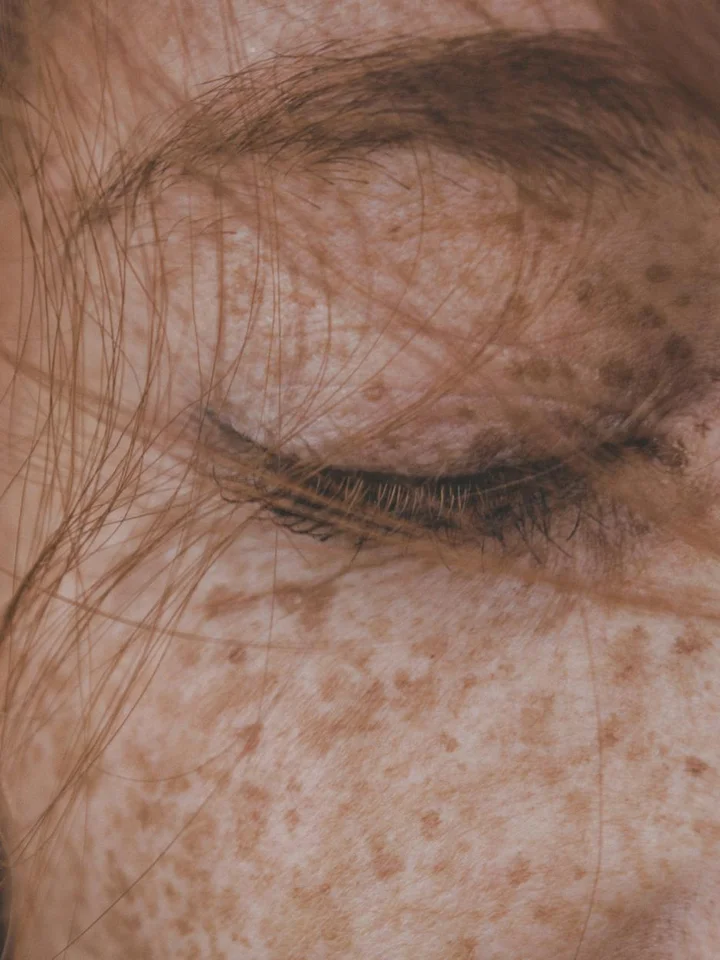
Adapalene works by encouraging your skin to renew itself at a healthier, more steady pace. Think of it as retraining your skin’s natural rhythm. This process takes time, and your skin needs weeks to adjust. Setting realistic expectations is the best way to stay motivated and avoid frustration.
Here is a general timeline based on clinical studies and what I consistently see with clients like Maya and Noah.
The First Few Weeks: The Adjustment Period
Your initial goal is simply to get your skin accustomed to the retinoid. You may notice some dryness, slight flaking, or a mild tingling sensation. For some with acne, breakouts might seem to increase temporarily as clogged pores are pushed to the surface. This is often called the “retinization” period.
This initial phase is about consistency, not results. Using the gel every other night or even just twice a week at the start can help your skin adapt without overwhelming it.
1-3 Months: Improved Texture and Fewer Breakouts
After the initial adjustment, you’ll likely start to see the first positive changes. Skin begins to feel smoother as the exfoliating action clears away dull, dead cells. If you’re using it for acne, like my client Maya did, you should see a noticeable reduction in both the number and severity of active breakouts.
- Skin feels smoother to the touch.
- Pores may appear less clogged.
- Active acne flares diminish.
- That initial dryness and flaking typically subsides.
3-6+ Months: Fading Hyperpigmentation and Reducing Fine Lines
This is where adapalene’s deeper work becomes visible. By consistently accelerating cell turnover, it helps fade post-acne dark spots (hyperpigmentation) by dispersing the pigment clusters more quickly. The stimulation of collagen can begin to subtly plump the skin, making fine lines-especially those from repetitive movements like smiling-less apparent.
Fading dark spots and softening fine lines requires the most patience, as these changes happen within the deeper layers of your skin over many full renewal cycles. For my client Lina, who had combination skin with lingering dark marks, it was around the four-month mark where she looked in the mirror and truly saw the clarity she wanted.
The Two Non-Negotiable Ingredients: Patience and Consistency
Adapalene is not an overnight spot treatment. Its power is cumulative, building with each gentle application. Skipping nights or stopping at the first sign of flaking resets the clock. The most successful results I see are from people who treat it like brushing their teeth-a non-negotiable, quiet part of their evening routine.
Your journey won’t be a straight, upward line. Some weeks your skin will look radiant, other weeks it might feel a bit sensitive or look a little dull. This is normal. Trust the long-term process more than the day-to-day mirror check. If you stay consistent, the overall trend over months will be toward clearer, more resilient, and more even-toned skin.
Your Quick Questions on Adapalene, Answered
Is adapalene suitable for sensitive skin types?
Yes, its selective design often makes it a gentler “first retinoid” choice. We always recommend the sandwich method and a slow introduction to help sensitive skin adapt without significant irritation. For beginners with sensitive skin, selecting the right retinol percentage matters as much as the technique. In the next section, we’ll highlight the best retinol percentage for beginners with sensitive skin and how to start safely.
Can I use adapalene with my vitamin C or hyaluronic acid serums?
Absolutely, but timing is key. Use your antioxidant serum (like vitamin C) in the morning and adapalene at night. Hyaluronic acid can be used before adapalene for extra hydration.
If my goal is anti-aging, should I just get a prescription retinoid instead?
Adapalene is a fantastic, accessible starting point that builds collagen and smooths texture. In addition, it supports anti-aging goals by helping soften fine lines over time. This makes it a natural entry point for addressing wrinkles as part of a broader skincare routine. For deeper wrinkles, a dermatologist can discuss if a stronger prescription retinoid is a necessary next step for you.
Final Thoughts on Adapalene’s Versatility
Adapalene gel is a remarkably effective tool for both fading post-acne marks and softening the look of fine lines, but its success hinges on consistent, patient use and daily sunscreen. Think of it as a long-term investment in your skin’s clarity and resilience, not a quick weekend fix. For acne, adapalene gel’s effectiveness comes from helping prevent new pimples and keeping pores clear. With steady use, you can expect gradual improvement in clarity over time.
- Apply sunscreen every single morning without fail; it’s the non-negotiable partner to your adapalene routine.
- Start slowly, using the gel just two or three nights a week to let your skin build tolerance.
- Layer your moisturizer *after* adapalene has dried to support your skin barrier and manage any dryness.
- Take monthly photos in consistent lighting to track your progress, as changes happen gradually.
We’re always here to help you navigate your skin journey. If you have questions about your specific routine, our community in the blog comments is a fantastic place to share experiences and find support. Remember, caring for your skin is a form of self-care, and you’re doing a great job.
Further Reading & Sources
- Adapalene Before & After: How It Works, Benefits & Results – SkinLab
- Adapalene in the treatment of African patients – PubMed
- Adapalene: What Is It, How It Works, Benefits, Side Effects | Ro
- Adapalene: Uses, Side Effects, Dosage & Interactions
- Dermatologists say you can use this popular acne gel for anti-aging, too – I tried it
Lucy Zimmerman
Lucy is an expert author and blogger when it comes to skin care and body care. She has first hand expertise acting as skin care consultant for over 5+ years helping her clients achieve smooth blemish free skin with natural and working remedies. She also has been an avid experimenter and tried out all the natural and artificial remedies and treatments so you can learn from her first hand experience. Additionally, she has traveled to many countries around the world and incorporated the skin care routines she has learnt into this blog. So, wait no more, reach out to Lucy if you have any specific needs and follow her blog, LuciDerma for expert skin care advice.