
Your Azelaic Acid Questions, Answered: A Practical Guide to Frequency and Application
If you’re curious or even a little confused about how to fit azelaic acid into your routine, you’re in the right place.
By the end of this guide, you’ll know exactly how to use this powerhouse ingredient with confidence.
- We’ll find your perfect starting schedule, because everyone’s skin tolerance is different.
- We’ll walk through the best way to apply it, step-by-step, so your skin gets all the benefits without irritation.
- We’ll talk about what it feels like on your skin, so you know what to expect from day one.
Let’s build a plan that makes azelaic acid work beautifully for you.
What Azelaic Acid Actually Does for Your Skin
Let’s clear up the biggest myth first. Azelaic acid isn’t a harsh, stripping acid. Think of it as a smart, multi-tasking molecule originally found in grains like barley and wheat. It’s the gentle diplomat of your skincare routine, especially when compared to other acids for thin skin.
Its job is threefold. First, it calms redness and irritation by acting as a potent anti-inflammatory. Second, it helps unclog pores by gently loosening the glue that holds dead skin cells together (that’s the keratolytic action). Third, it fades dark spots and post-acne marks by quietly interrupting the pigment-making process (that’s the tyrosinase inhibition).
I explain to my clients that azelaic acid is like a skilled mediator. When your skin is having an argument (think redness from rosacea or inflammation from a pimple), it steps in to soothe the situation. While it’s calming things down, it’s also quietly cleaning up other messes, like excess pigment and the bacteria that can fuel breakouts—in fact, it works differently but complementarily to benzoyl peroxide in treating acne.
Here’s a quick spec sheet to understand this ingredient better:
| Property | Details |
| Typical pH | Around 4.5 – 5.5 (skin-friendly) |
| OTC Concentration | Usually 10% |
| Prescription Strength | 15% – 20% (like Finacea or Azelex) |
| Solubility | It’s not very water-soluble, which is why some formulas can feel a bit grainy or pill. |
| Safety Note | It’s generally safe in pregnancy and for most skin types, including sensitive skin. |
The Azelaic Acid Frequency Guide: From Start to Daily Use
So, how often can you use azelaic acid? The honest answer is: it depends on your skin’s tolerance. Most people can work up to using it once or even twice a day, but the key is to start slow. Rushing in can lead to unnecessary tingling or itchiness.
Follow this simple week-by-week plan to introduce it safely. This is the exact method I give my clients in the clinic.
- Weeks 1 & 2: The Test Drive. Apply a pea-sized amount to clean, dry skin just two evenings per week. Wait 15 minutes, then apply your moisturizer on top. This “sandwich” method helps buffer any potential irritation.
- Weeks 3 & 4: Building Consistency. If your skin feels fine, increase to every other evening. Listen to your skin. A mild tingle for the first few minutes is common, but persistent redness or stinging means you should pull back.
- Month 2 Onward: Finding Your Rhythm. If all is well, you can move to nightly use. Some people with oily or resilient skin, like my client Maya, can even tolerate using it both morning and night for stubborn acne or pigmentation.
Your skin will give you clear signals if you’re overdoing it. Watch for intense itching, pronounced redness that lasts more than an hour, or any peeling. If you see these signs, take a break for a few days, focus on moisturizing and barrier repair, then restart at a lower frequency.
Patience is everything here. My client Noah has dry, reactive skin. He started with just once a week, always buffered with his favorite ceramide cream. It took him nearly six weeks to comfortably use it every other night, but that slow pace prevented any major reaction and let his skin reap the calming benefits without the stress. Your skin isn’t a race. Let it set the pace.
Your Step-by-Step Azelaic Acid Application Method
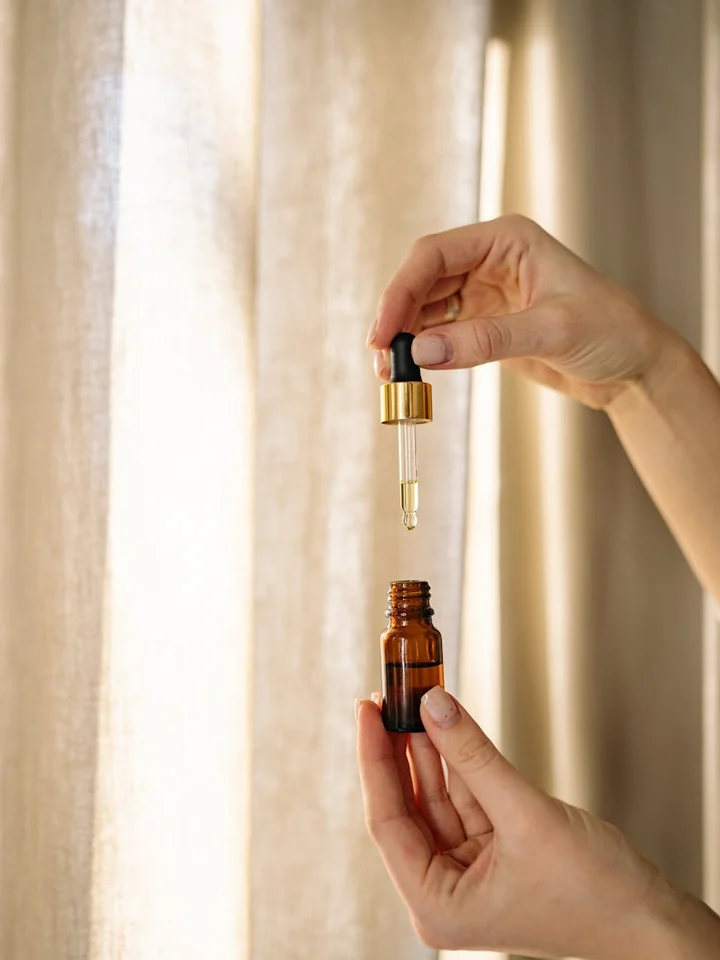
Think of applying azelaic acid like laying the foundation for a house. You need a clean, stable base for it to work properly and for everything you layer on top to be effective.
Here is a simple ritual you can follow every time.
- Cleanse your face. Use a gentle, non-stripping cleanser. Pat your skin dry with a clean towel until it’s slightly damp, not dripping wet.
- Apply your toner or essence (if you use one). This step is optional. If you use a hydrating toner, apply it now to that damp skin. Avoid astringent or exfoliating toners in the same routine.
- Dispense a pea-sized amount. This is usually enough for your entire face and neck. For spot treatment, use half a pea.
- Apply with clean fingertips. Dot the product on your forehead, cheeks, nose, and chin. Gently massage it in using upward and outward strokes until it’s fully absorbed. It should feel like a light, velvety layer.
- Wait for it to dry. Give it a full 60-90 seconds to settle. Your skin should feel dry to the touch before moving on.
Where Does It Go in Your Routine?
This is a common point of confusion. The simple rule is: apply azelaic acid after your watery serums and before your heavier creams or oils.
Water-based products, like hyaluronic acid serums, penetrate best on damp skin. In a layering routine, apply the hyaluronic acid serum first while the skin is still damp. That layering approach helps ensure the hyaluronic acid serum can work before heavier layers. Azelaic acid, especially in gel or serum form, is next in line. Thicker creams and oils sit on top to seal everything in. Placing azelaic acid after a heavy cream is like trying to get a message through a locked door, it just won’t reach your skin effectively.
Cream vs. Gel or Serum: Which Should You Choose?
The formula you pick changes the experience. My client Noah, with his dry, reactive skin, prefers a cream. It often has a more emollient, comforting texture that can feel less irritating from the start.
My client Maya, who is oily and acne-prone, usually leans toward a gel or serum. These are lighter, absorb quickly without feeling sticky, and can feel more potent. The choice often comes down to your skin type and which texture you’ll consistently enjoy using. Both forms are effective when formulated correctly.
What to Mix With Azelaic Acid (And What to Keep Separate)
Azelaic acid is a team player, but it has a few teammates it clashes with. Some ingredients don’t mix well with azelaic acid, so you’ll want to spot and avoid them. Think of your skincare routine like a dinner party you want ingredients that get along. In the next steps, we’ll point you to a quick list of azelaic acid incompatible ingredients.
Here’s a simple guide to what works well together and what needs space.
Safe and Synergistic Partners
These ingredients can be applied in the same routine, often right alongside your azelaic acid.
- Niacinamide: This is a powerhouse pairing. Niacinamide strengthens your skin barrier and helps calm redness, which can complement azelaic acid’s work beautifully.
- Hydrating Serums (Hyaluronic Acid, Glycerin): These are perfect applied right before azelaic acid on damp skin. They provide a base of hydration that can minimize any potential dryness.
- Most Moisturizers and Sunscreens: After your azelaic acid has dried, always follow up with a moisturizer to lock in hydration. Your morning sunscreen is non-negotiable and goes on last.
Combinations to Space Out or Avoid
This isn’t about “bad” ingredients, but about preventing irritation or reducing effectiveness.
| Ingredient | Guidance | Simple Reason Why |
|---|---|---|
| Other Direct Acids (Glycolic, Salicylic, Lactic) | Avoid using them at the same time of day. | Risk of over-exfoliation. Using multiple acids together can overwhelm your skin barrier, leading to redness, peeling, and sensitivity. Use them on alternate nights. |
| Pure Vitamin C (L-Ascorbic Acid) | Use at different times (e.g., Vitamin C in AM, Azelaic in PM). | Potential pH conflict and instability. Both are potent and work best at specific pH levels. Layering them can make one less effective and increase the chance of irritation. |
| Strong Retinoids (Prescription Tretinoin) | Proceed with caution and often space them out. Many dermatologists prescribe them together, but start slowly. | High risk of irritation. Both can be drying and sensitizing. If using both, your dermatologist will likely advise applying them on alternate nights or using the retinoid less frequently. |
My client Lina learned this the hard way. She once used a salicylic acid cleanser, then applied her azelaic acid serum, and finished with a retinol oil. Her combination skin felt raw and angry for days. When in doubt, simplify your routine and introduce only one new active at a time. Especially be cautious when combining salicylic acid with retinol. Your skin’s comfort is the best guide.
Managing Side Effects and Who Should Be Extra Careful
When you start using azelaic acid, a mild tingling or slight itchiness is common. Think of it as your skin cells waking up and getting to work. This sensation usually fades within 15 minutes and should be gone completely after the first week or two of consistent use. In some cases, you may also feel a burning or stinging sensation as a possible side effect. If this occurs, you might want to adjust usage or consult a dermatologist.
Your skin is acclimating to a new active ingredient, and a brief, mild tingle is typically a sign it’s working, not a sign of damage.
If Irritation Occurs, Here’s Your Game Plan
If the tingling feels more like stinging, or if you see redness or flaking, don’t panic. Your skin is talking to you. Here’s exactly what to do:
- Reduce Frequency: If you started using it every night, switch to every other night, or even just twice a week. Slow and steady always wins the race with active ingredients.
- Buffer with Moisturizer: Apply your moisturizer first, wait a few minutes for it to absorb, then apply a pea-sized amount of azelaic acid. This creates a gentle barrier that dilutes the intensity slightly without blocking its benefits.
- Focus on Hydration: Amp up your moisturizing game. Look for formulas with ceramides, panthenol, or glycerin. A well-hydrated skin barrier is more resilient and less reactive.
Specific Skin Scenarios
Let’s talk about a few common concerns I hear in my practice.
For my client Maya (oily, acne-prone), azelaic acid is often a star player because it tackles breakouts and post-acne marks without over-drying. She found that a gel formula worked best for her skin’s texture.
If you have rosacea-prone or easily flushed skin, azelaic acid is actually a first-line treatment recommended by dermatologists for reducing that background redness and visible blood vessels. Starting with a low concentration (10%) and the buffering method is key. With regular use, many people notice less rosacea redness and flushing. This makes azelaic acid a prominent option for managing rosacea redness.
Regarding pregnancy, the general medical consensus from organizations like the American Academy of Dermatology is that topical azelaic acid is considered a safe option during pregnancy and breastfeeding for treating acne and pigmentation. Of course, always discuss any new product with your OB/GYN or doctor.
Persistent burning, severe redness, swelling, or hives are not normal side effects-they are clear signs to stop using the product immediately and consult your dermatologist or healthcare provider.
Finding Your Perfect Azelaic Acid Product
Ignore the flashy marketing claims on the front of the bottle. Your real intelligence comes from reading the back. This is where you become a savvy skincare detective.
Look for the Number
First, find the concentration percentage. It should be clearly listed, often near the active ingredients. In over-the-counter products, you’ll typically see 10%. Prescription strengths are usually 15% or 20%. Concentration dictates potency: a 10% formula is excellent for maintenance and mild concerns, while 15-20% is reserved for more stubborn issues like persistent acne or pronounced melasma.
Decode the Ingredient List
Ingredients are listed in order of concentration, from highest to lowest. Azelaic acid should be near the top. Then, scan for friends that help soothe and support your skin barrier. Beneficial companions include:
- Panthenol (pro-vitamin B5) to calm.
- Ceramides or niacinamide to strengthen the barrier.
- Glycerin or hyaluronic acid for hydration.
If you have sensitive skin like Noah, you might also want to avoid formulas with high concentrations of fragrance or essential oils, especially in the initial stages.
Your Simple Selection Checklist
Run through this list when choosing your product:
- Concentration: Does it match your primary concern (10% for general brightness and mild acne, higher percentages for more targeted treatment)?
- Vehicle (Formula Type): Creams are richer and better for dry or normal skin. Gels or lightweight serums are ideal for oily or combination skin (like Lina) as they absorb quickly without adding shine.
- Irritant Check: If you’re reactive, does the formula avoid your known triggers, like heavy fragrance or drying alcohols?
- Ethical Alignment: Is the product cruelty-free (never tested on animals) and housed in sustainable packaging? Choosing brands that value these principles is good for your skin and the planet.
Quick Clarifications on Azelaic Acid Use
Can azelaic acid replace my other exfoliant (like glycolic or salicylic acid)?
Often, yes. Azelaic acid provides gentle, multifaceted exfoliation while calming the skin, making it an excellent solo player for many routines. It’s wise to pause other direct acids when introducing it, then assess if your skin needs both.
Does the texture (cream vs. gel) change how effective it is?
No, the formulation type affects the sensory experience and suitability for your skin type, not the core efficacy. Choose a cream for dry or sensitive skin and a gel or serum for oily or acne-prone skin, as both can deliver the active ingredient effectively.
How can I tell the difference between normal tingling and actual irritation?
A mild, fleeting tingle upon application is common as your skin acclimates and typically subsides within 15 minutes. True irritation involves persistent stinging, redness, or itchiness that lasts, signaling a need to reduce frequency or buffer the application.
Your Azelaic Acid Routine, Simplified
The most reliable path with azelaic acid is to begin gently and apply it consistently. Think of it as introducing a new, helpful friend to your skin—start with short visits and let the relationship build over time. For best results, you should follow the guidelines when combining azelaic acid with adapalene.
- Begin by applying azelaic acid 2-3 evenings per week on clean, dry skin.
- Use only a pea-sized amount, smoothed over your entire face or just on areas of concern.
- Always follow with your favorite moisturizer to keep your skin barrier happy and hydrated.
- Give the product 4 to 6 weeks of consistent use to see its full benefits on redness, bumps, or dark spots.
- Select formulas from brands that are cruelty-free and prioritize sustainable packaging.
I’m always here to help you navigate your skin care choices. If you have specific questions about azelaic acid or your routine, send them my way on the LuciDerma blog. Your trust means everything, and I’m committed to providing clear, compassionate advice you can count on.
Lucy Zimmerman
Lucy is an expert author and blogger when it comes to skin care and body care. She has first hand expertise acting as skin care consultant for over 5+ years helping her clients achieve smooth blemish free skin with natural and working remedies. She also has been an avid experimenter and tried out all the natural and artificial remedies and treatments so you can learn from her first hand experience. Additionally, she has traveled to many countries around the world and incorporated the skin care routines she has learnt into this blog. So, wait no more, reach out to Lucy if you have any specific needs and follow her blog, LuciDerma for expert skin care advice.