
Ceramides Decoded: Your Guide to Types NP, AP, EOP for a Resilient Skin Barrier
If terms like Ceramide NP leave you puzzled while your skin feels parched or irritable, you’re in the right place to get clarity.
By the end of this guide, you will:
- Grasp what ceramides are and why they are the essential mortar holding your skin’s protective wall together.
- Compare key types like Ceramide NP, AP, and EOP to see how each uniquely fortifies your skin against dryness and irritation.
- Identify which ceramide formulas suit your skin, giving you the confidence to shop for barrier repair without guesswork.
Think of this as your first, reassuring step toward skin that feels settled and strong.
What Are Ceramides and How Do They Work in Your Skin?
Think of your skin’s top layer, the stratum corneum, as a sturdy wall. Your skin cells (corneocytes) are the bricks. Ceramides are the mortar that holds those bricks tightly together, sealing in moisture and keeping irritants out. (Pronounce it suh-RA-mydes, by the way.)
Ceramides are lipids, specifically a type called sphingolipids. They are not proteins, humectants that draw in water, or thick occlusives that sit on top. They are a fundamental part of your skin’s structure and essential in hydrating and repairing the skin barrier.
Their biological role is to form the lipid bilayer in your stratum corneum. This is a fancy way of saying they create a flexible, waterproof seal between your cells. A strong, ceramide-rich barrier means your skin is better at holding onto its own natural hydration and defending against pollution, allergens, and bacteria.
Your skin makes ceramides naturally, but their production drops over time. I see this often with clients like Noah. Harsh cleansers, environmental stressors, and simply getting older can deplete these crucial lipids, leaving your barrier vulnerable and skin feeling dry or reactive. That’s why it’s essential to boost ceramide levels naturally.
Ceramide Quick Snapshot: A Molecule Spec Sheet
| Property | Details |
|---|---|
| Common pH Range | 4.5 – 6.0 (perfectly aligned with healthy skin’s natural acidity) |
| Typical Product Concentration | 0.05% – 2% (a little goes a long way in reinforcing your barrier) |
| Solubility | Oil-soluble (they’re formulated into serums, creams, and lotions) |
| Safety Profile | Excellent. They are skin-identical, non-irritating, and suitable for all skin types, even sensitive skin. |
This spec sheet shows why ceramides are considered a gentle, foundational ingredient they work with your skin’s natural biology, not against it. They help repair the skin barrier and can reduce the appearance of wrinkles. This is why ceramides are a core part of a healthy, resilient complexion.
Ceramide Types Decoded: NP, AP, EOP and What Those Numbers Mean
Your skin contains over 12 different types of ceramides, with about 9 being most common in skincare formulations. The naming can get confusing fast. You’ll see codes like NP or AP and, on ingredient lists (INCI names), numbers like Ceramide 3. Understanding which ceramide types are present and their concentrations helps you compare products more clearly. Formulations balance ceramide types and amounts to target different skin needs.
Here’s the simple translation: Ceramide NP is also called Ceramide 3. Ceramide AP is Ceramide 5. These codes describe their specific chemical structure.
Let’s focus on the three you’ll most often search for and find in products.
- Ceramide NP (Ceramide 3): This is the most abundant ceramide in your skin and a key structural player for general barrier strength and reducing moisture loss.
- Ceramide AP (Ceramide 5): Think of this as a specialist in cell cohesion; it works closely with other lipids to firmly bind skin cells together for a resilient surface.
- Ceramide EOP (Ceramide 1): This is a long-chain, powerhouse ceramide known for creating a particularly effective water-impermeable seal to lock hydration in.
For context, you might also spot Ceramide NS (Ceramide 2) or Ceramide AS (Ceramide 6 II) in ingredient lists. You don’t need to memorize them all; look for products that contain a mix of several ceramide types, as they work best as a team to repair your skin’s natural lipid matrix.
How to Use Ceramides to Repair Your Skin Barrier: A Practical Routine
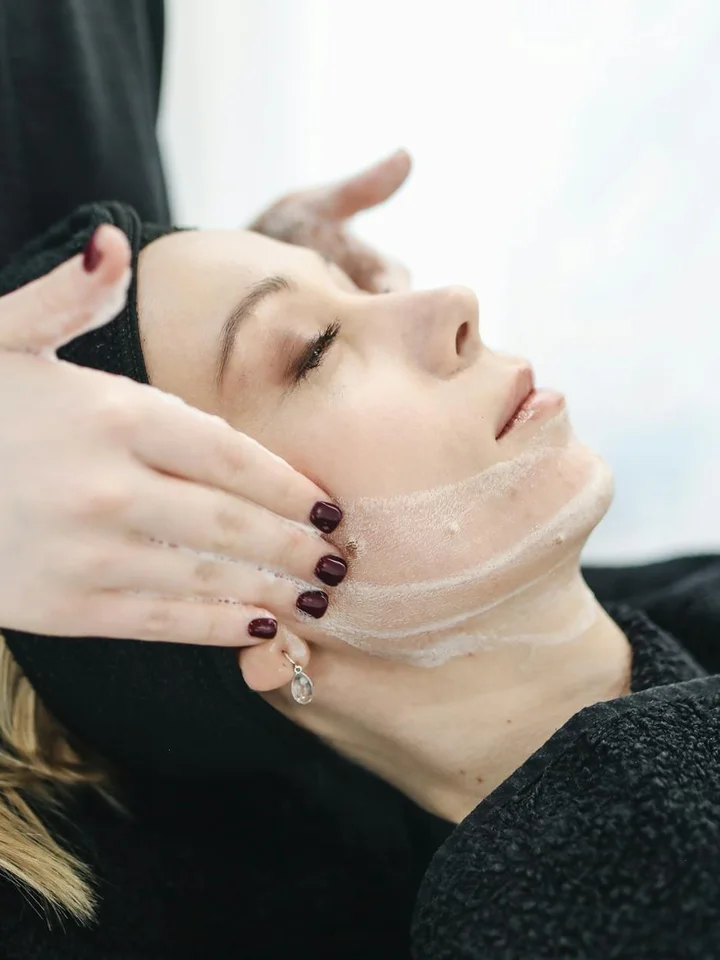
You add them to your routine like any other treatment. The key is knowing where they fit in the order of your products so they can work effectively without being blocked by heavier formulas.
Think of applying your skincare like building a wall: you start with the water, add the bricks and mortar, then finish with a protective seal. Here is a simple AM and PM routine showing where a ceramide product belongs.
Morning Routine Snippet
- Cleanser
- Toner (if you use one)
- Antioxidant Serum (like Vitamin C)
- Ceramide Serum or Lightweight Moisturizer
- Sunscreen (your non-negotiable final step)
Evening Routine Snippet
- Cleanser (or double cleanse if wearing makeup/SPF)
- Treatment (like a retinoid or exfoliating acid on designated nights)
- Ceramide-Rich Moisturizer or Cream
- Facial Oil (optional, for extra dryness)
For layering, apply your ceramide product after any watery, treatment serums. If you use a hyaluronic acid serum on damp skin, follow it with your ceramide step. Ceramides are not heavy occlusives, so they should go before or be mixed with your final moisturizing step that contains sealing ingredients like shea butter or squalane.
Choosing between a serum and a moisturizer depends on your skin’s needs. A ceramide serum is a concentrated treatment perfect for layering under your usual cream, ideal for oily or combination skin like Maya’s. A ceramide moisturizer is an all-in-one solution that repairs while providing lasting hydration, which is often better for dry skin like Noah’s.
When scanning a label for a true “ceramide complex,” don’t just look for the word “ceramide.” Look for products that also list cholesterol and free fatty acids. These three ingredients together mimic your skin’s natural barrier composition and work synergistically for much better repair. Just like Cetaphil’s ceramide complex, which is designed to support skin barrier repair.
The Best Friends of Ceramides: Ingredients to Layer for Maximum Repair
Ceramides are not occlusive. They are the mortar that holds your barrier together, but they need a complete team to rebuild a strong, hydrated wall. That team consists of three players: humectants (which attract water), emollients (which smooth and soften), and occlusives (which seal everything in).
For the most effective barrier repair, look for products that combine ceramides with their natural partners and other supportive ingredients. Peptides that support barrier repair, when paired with ceramides, can boost restoration at the cellular level. This ceramides–peptides synergy is a common focus in advanced barrier-support formulations.
- Cholesterol & Free Fatty Acids: These are the other crucial “bricks” in your barrier’s structure. They must be present with ceramides for optimal repair.
- Niacinamide: This versatile ingredient helps your skin produce more of its own ceramides while calming redness.
- Glycerin & Hyaluronic Acid: These are humectants. They pull water into the skin, plumping it up so the ceramides have something to seal in.
- Squalane & Jojoba Oil: These are superb emollients. They mimic your skin’s natural oils, filling in cracks to create a smooth, supple surface.
Let’s clear up a common confusion. Hyaluronic acid is like a water magnet, drawing hydration into the top layers of your skin. Ceramides are the mortar that locks that hydration in and keeps irritants out. You need both for truly resilient skin.
Here are simple, effective ingredient blends tailored to different concerns:
For Noah’s Dry, Reactive Skin: A ceramide cream with cholesterol, fatty acids, and squalane. This combo provides the full barrier repair trio plus a soothing emollient that won’t trigger sensitivity.
For Maya’s Oily, Acne-Prone Skin: A lightweight ceramide serum with niacinamide and glycerin. This delivers barrier support and oil regulation without a heavy, pore-clogging finish.
For Lina’s Combination, Sensitive Skin: A gel-cream with ceramides, hyaluronic acid, and a touch of jojoba oil. This hydrates the drier cheeks without overwhelming the oilier T-zone, all while reinforcing a delicate barrier.
When Not to Try Ceramides: Contraindications & Safety Notes

First, the big picture: ceramides are some of the safest ingredients you can put on your skin. They’re not an acid or a potent vitamin. They’re naturally occurring building blocks your skin already knows. This means they’re fantastic for nearly everyone—from my client Maya with her oily, acne-prone skin to Lina who navigates combination skin with sensitivity. That said, like any skincare ingredient, a small subset of people may experience rare irritation or allergic reactions, so patch testing is wise. Overall, ceramides are generally safe and well tolerated and help support the skin barrier.
True Contraindications: The Short List
There are only a few specific situations where you should pause before applying a ceramide product.
- Active, Weeping Eczema Flares: During a severe flare where skin is cracked, oozing, or intensely inflamed, your skin’s priority is medical treatment, not repair. Applying any product, even a gentle one, can sting or introduce bacteria. Let the flare calm with your doctor’s prescribed treatment first.
- Open Wounds: This includes fresh scratches, burns, or surgical incisions. Let these areas heal fully before applying skincare.
- Confirmed Specific Allergy: This is exceptionally rare, as ceramides are skin-identical. An allergy would likely be to another ingredient in the formula, not the ceramide itself.
Using Ceramides on a Damaged Barrier
If your skin barrier is compromised (think stinging, tightness, redness from over-exfoliation), ceramides are part of the solution, not the problem. The key is a gentle approach. Start by applying your ceramide product once a day, preferably at night, and pair it only with the most basic, soothing companions-think a gentle cleanser and a plain moisturizer. Ceramides, along with cholesterol, help rebuild the skin’s protective lipid barrier, supporting barrier repair. When these lipids are balanced, the barrier is more resilient against irritants. This is a tactic my client Noah, who has dry and reactive skin, uses successfully. He avoids layering acids, retinoids, or even vitamin C on top until his skin feels resilient again.
A Note for Pregnancy
Topically applied ceramides are generally considered safe during pregnancy and breastfeeding because they are natural components of the skin and not known to be absorbed systemically in a way that affects a baby. As with introducing any new product during pregnancy, it’s a wise practice to run it by your obstetrician or midwife for personalized reassurance.
Remember, ceramides are helpers, not heroes. They’re the quiet, skilled masons rebuilding your skin’s wall, not the wrecking ball. They work with your biology, not against it.
Your Ceramide Questions, Answered
How often should I use a ceramide product for barrier repair?
For effective repair, use a ceramide treatment twice daily in your routine. Consistency is key to steadily reinforcing your skin’s natural lipid matrix and restoring resilience.
Should I choose a ceramide serum or a moisturizer?
Choose a serum for a concentrated, layerable treatment, especially if your skin is oily or you love a multi-step routine. Layer hydrating serums with moisturizers to tailor hydration without heaviness. This approach lets you balance targeted care with everyday moisture. Opt for a moisturizer if you prefer an all-in-one solution that provides both repair and lasting hydration for dry skin.
Can I use ceramides with active ingredients like retinol?
Absolutely. Applying a ceramide product after your retinol helps counteract potential irritation and supports your barrier. This pairing allows you to treat and protect your skin simultaneously.
Embracing Ceramides for Everyday Skin Confidence
Your skin’s barrier thrives when you give it the ceramides it naturally loses over time. Choosing a moisturizer or serum with ceramides like NP, AP, or EOP is the most effective way to reinforce your skin’s daily defense against dryness and irritation.
- Look for ceramides listed near the top of ingredient labels in your cleansers, creams, and lotions.
- Apply your ceramide product to damp skin after cleansing to help seal in moisture.
- Be consistent-use your ceramide routine daily for several weeks to see lasting barrier improvement.
- For a complete repair, select products that also contain cholesterol and fatty acids alongside ceramides.
I’m always here to help you navigate your skin care choices. If you have questions after trying ceramides or want to share your experience, I invite you to join the conversation on the LuciDerma blog. Your journey to resilient skin is a story I value.
Related Guides and Information
- What Do Ceramides Do for the Skin? The Types and Benefits
- Ceramides
- Ceramides Decoded: EOP, NP, AP and How to Build Barrier-Boosting Formulas
- Ceramide EOP (Explained + Products)
- Ceramide NP, AP, EOP: The Ultimate Guide to the Best Ceramides for Skin Barrier Repair
- Ceramides (NP, AP, EOP) – Skynbio Skincare
- Ceramides – What exactly do they do for skin?
- Molecular structures of ceramides EOP and NP. Adapted from [69]. | Download Scientific Diagram
Written by Lucy Zimmerman. Lucy is an expert author and blogger when it comes to skin care and body care. She has first hand expertise acting as skin care consultant for over 5+ years helping her clients achieve smooth blemish free skin with natural and working remedies. She also has been an avid experimenter and tried out all the natural and artificial remedies and treatments so you can learn from her first hand experience. Additionally, she has traveled to many countries around the world and incorporated the skin care routines she has learnt into this blog. So, wait no more, reach out to Lucy if you have any specific needs and follow her blog, LuciDerma for expert skin care advice.