
Choose or Craft the Perfect Hyaluronic Acid Serum: A Guide to Molecular Weights and Penetration
You might love hyaluronic acid for hydration, but feel confused about why some serums work deeply while others don’t. I help clients like Noah, who has dry, reactive skin, find formulas that actually sink in without causing irritation.
By the end of this article, you will know:
- How different molecular weights of hyaluronic acid hydrate specific layers of your skin.
- What penetration enhancers do and why they are non-negotiable for effective serums.
- The simple steps to evaluate a serum’s formula or mix your own balanced blend.
This knowledge turns serum shopping from a guess into a confident choice for your skin’s health.
What Is Hyaluronic Acid, and Why Does Molecular Weight Matter?
Think of hyaluronic acid (HA) as a super-absorbent sugar molecule your body makes naturally. Its main job is to hold water, lots of it. In your skin, it acts like a natural humectant, pulling moisture from the air and from deeper skin layers to keep everything plump and hydrated. Beyond hydration, HA helps preserve skin elasticity and minimize the look of fine lines, aligning with the anti-aging benefits of hyaluronic acid. This makes HA a popular inclusion in anti-aging skincare.
Now, not all HA is the same size. Molecular weight simply refers to the size of the HA molecule. This size is everything. Imagine you have three sponges: a big, fluffy bath sponge; a standard kitchen sponge; and a small, dense makeup sponge. Each one soaks up water and works best in a different spot.
The weight of the HA molecule determines exactly where it can go and what it can do in your skin, from creating a surface shield to sending signals deep down.
The Hyaluronic Acid Weight Class: Choosing Your Moisture Team
Formulating an effective serum is like building a sports team. You need players for defense, midfield, and offense. Here’s your starting lineup, broken down in our ‘Molecule Spec Sheet’.
| Type | Typical pH Range | Common Use Concentration | Solubility in Water | Key Safety & Feel Notes |
| High Molecular Weight | 6.0 – 7.5 | 0.1% – 1% | High, forms viscous solutions | Very safe, non-irritating. Can feel slightly tacky or filmy on skin. |
| Medium Molecular Weight | 6.0 – 7.0 | 0.5% – 1.5% | High | Well-tolerated by most. Offers hydration without heavy surface residue. |
| Low Molecular Weight | 5.5 – 7.0 | 0.1% – 2% | Very High | Penetrates deeper. Use with caution on very inflamed or compromised skin barriers. |
High Molecular Weight HA: Your Surface Hydration Guardian
This is your big bath sponge. The molecules are too large to sink in deeply, so they form a breathable, hydrating film right on top of your skin. I think of it as a protective moisture gate.
Its main job is to reduce trans-epidermal water loss (TEWL), which is just a fancy term for water escaping from your skin into the air. This gives an immediate smooth, softened feel and is perfect for someone like Noah, whose dry skin needs that barrier support. The slight tackiness some people feel is that protective film at work, and it’s a normal trade-off for the hydration lock it provides.
Medium Molecular Weight HA: The Reliable Mid-Layer Hydrator
This is your versatile kitchen sponge. It’s the balanced player that can hydrate a bit deeper than the high-weight version, typically reaching into the upper layers of the dermis, without going too far.
It’s excellent for giving that plumping, bouncy effect many people love. In my practice, I see medium-weight HA work beautifully for Lina, who needs dependable hydration that doesn’t sit heavy on her oily T-zone but still supports her drier cheeks. This weight is a formulation workhorse because it delivers noticeable plumpness with wide compatibility for different skin types.
Low Molecular Weight HA: The Deep-Skin Communication Expert
Here’s your small, dense makeup sponge. These tiny molecules are small enough to penetrate past the skin’s surface. Once deeper in the skin, research suggests they may do more than just hold water.
They might act as messengers, signaling to your skin cells to ramp up their own collagen and HA production. This is where the idea of ‘true hydration’ from within comes in, versus just surface water retention. The effects are more about long-term skin health than instant dewyness.
This brings us to a common question: ‘how to increase hyaluronic acid in body’? Topical low-weight HA may encourage your skin’s own production locally. For a whole-body approach, internal factors matter more: a diet rich in vitamin C, magnesium, and antioxidants, staying hydrated, and possibly oral HA supplements can support your body’s natural levels. Remember, topical skincare works on the skin it’s applied to; it won’t increase HA in your joints or other organs. Nor does the source of hyaluronic acid in skin care products always guarantee effectiveness.
Beyond Water: The Role of Penetration Enhancers in Your Serum
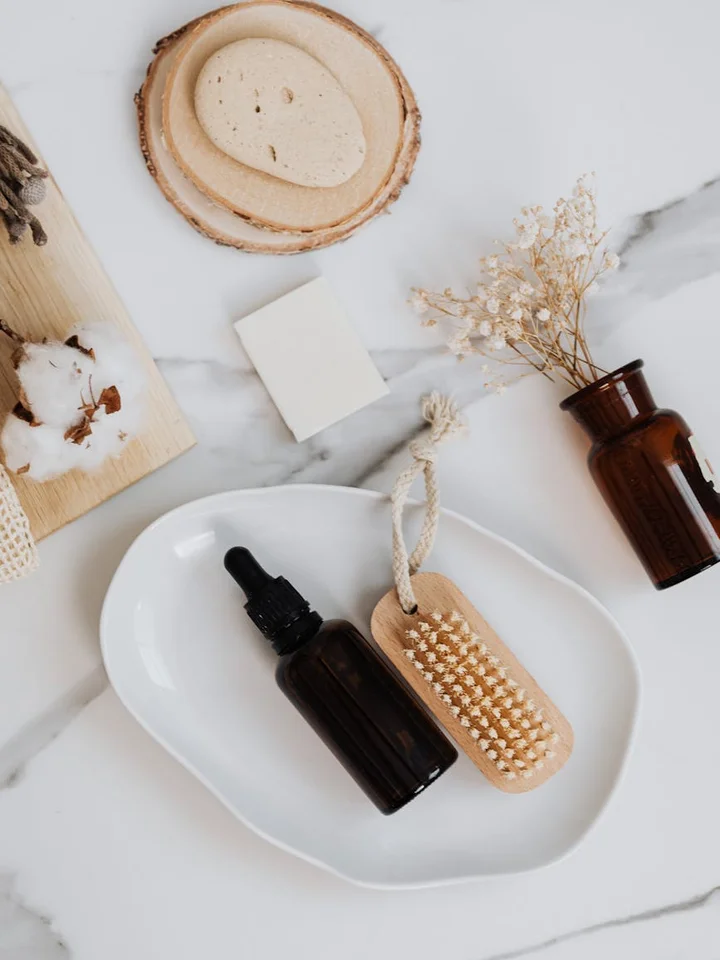
Think of your serum base as more than just water. It’s the transportation system that gets your hyaluronic acid where it needs to go. Penetration enhancers are the skilled delivery assistants in that system.
They work by temporarily and gently altering the skin’s top layer to help active ingredients pass through more effectively. For someone like Noah, with a dry and reactive barrier, the right enhancer means his skin gets deep hydration without needing harsh, irritating ingredients to force it in.
Don’t let the name scare you. Many common penetration enhancers are gentle humectants you already know. Glycerin, for instance, is a superstar at pulling in moisture and also helps other ingredients penetrate better. Propanediol, derived from corn sugar, is another fantastic, skin-friendly option that boosts delivery while feeling light and non-sticky.
Formulation Pro-Tip: The pKa and Texture Balance
Here’s a bit of kitchen chemistry that makes a huge difference in your final product: pH. Your skin’s surface is naturally slightly acidic, with a pH around 4.5 to 6.5. Formulating your serum within this range is a non-negotiable for both stability and skin comfort.
A serum that’s too alkaline can feel soapy and disrupt your skin’s protective acid mantle, leading to irritation. Aiming for a pH between 5.0 and 5.5 keeps your hyaluronic acid stable and ensures your serum feels soothing, not stripping, when it touches your skin. You’ll need pH test strips or a meter to check this; it’s the final, crucial step before bottling.
The right penetration enhancer does double duty. Butylene glycol, for example, is excellent at helping ingredients sink in. It also gives the serum a beautiful, silky slip that makes application a pleasure instead of a tacky drag. It’s this kind of thoughtful pairing-where an ingredient addresses both function and feel-that separates a good serum from a great one.
Crafting Your Blend: A Step-by-Step Formulation Philosophy
Let’s build a serum from the ground up. This framework is what you’d find in any thorough hyaluronic acid formulation guide. Think of it as your reliable recipe for hydration.
- Choose Your Hyaluronic Acid Weights. Start with a multi-molecular approach. Use a small percentage of low-molecular weight HA for potential deeper-line plumping, a base of medium-weight for sustained hydration, and a touch of high-molecular weight to form a breathable, hydrating film on the surface. This layered strategy addresses multiple needs at once.
- Select Your Primary Penetration Enhancer. This is your delivery key. For a first formulation, I often recommend propanediol or glycerin at a modest concentration (often between 3-7%). They are effective, well-tolerated, and easy to work with. If you’re crafting a serum for oily or combination skin like Maya’s, a lighter enhancer like propanediol can prevent a heavy feel.
- Add Supporting Humectants. Hyaluronic acid loves company. Incorporate other moisture magnets like sodium PCA or tremella mushroom extract. They work synergistically with HA, drawing water from different angles and creating a more resilient hydration network in the skin.
- Preserve and Adjust pH. Always use a broad-spectrum preservative system to keep your creation safe from microbial growth. After everything is blended, use a pH adjuster (like lactic acid or a sodium hydroxide solution) drop by drop to bring your serum into that skin-friendly 5.0-5.5 range. This final check is the cornerstone of professional formulation.
You might wonder, where does the hyaluronic acid itself come from? Historically, it was extracted from rooster combs. Today, the most ethical and consistent source is bio-fermentation. This vegan process uses plant-derived sugars and specific bacteria to produce pure, sustainable hyaluronic acid, which is what we insist on for our own formulas. It’s a cleaner, more responsible answer to ‘how is hyaluronic acid made’ that aligns with a conscious skincare philosophy. Plus, the hyaluronic acid vs sodium hyaluronate difference matters. Sodium hyaluronate is the salt form that often offers greater stability and different delivery in formulas.
Remember, blending a serum is part science and part art. This framework gives you the science. The art comes from listening to your skin-or your clients’ skin-and adjusting percentages based on whether you need a feather-light texture or a more substantial treatment.
How to Apply Your Hyaluronic Acid Serum for Maximum Benefit
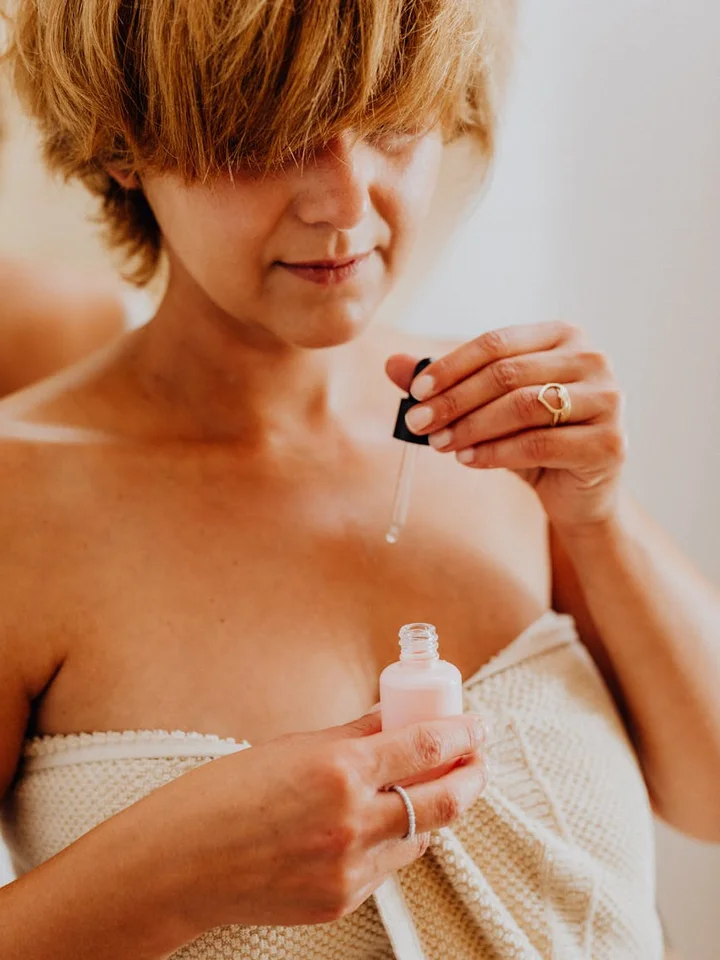
Learning how to apply hyaluronic acid serum correctly is the difference between quenching your skin’s thirst and leaving it a bit parched. The goal is to work with its water-loving nature, not against it.
Think of a dry sponge and a damp sponge. Pour water on a dry sponge, and most of it just rolls off. A damp sponge soaks up every drop. Your skin works the same way.
A Simple, Foolproof Routine
Follow these steps right after cleansing, while your face is still fresh from the tap or mist.
- Start with Damp Skin. Pat your face with a towel so it’s moist, not dripping wet. A face mist also works perfectly here.
- Dispense and Press. Use about a pea-sized amount. Warm it between your fingertips, then gently press and pat it all over your face and neck. Avoid harsh rubbing, which can cause friction.
- Lock it in Fast. Within about 60 seconds, while your skin is still dewy, apply your moisturizer. This step is non-negotiable. The moisturizer acts like a seal, trapping all that hydration from the serum and preventing it from evaporating back into the air.
Applying your serum to damp skin and sealing it with a cream or oil is the single most effective way to boost your skin’s hydration levels. This approach ties into the idea of layering—start with a lightweight hydrating serum, then seal with a moisturizer. Layering serums and moisturizers lets you customize hydration for your skin. My client Noah, with his dry, reactive skin, saw his flakiness disappear within days once he started this “damp skin, then seal” method.
What to Avoid
The main misstep is applying hyaluronic acid to completely dry skin, especially in a dry or air-conditioned environment. If the air lacks moisture, the HA can potentially pull what little water it needs from the deeper layers of your skin, which isn’t helpful.
Also, don’t treat it like a treatment serum for spots or lines. It’s a hydrator. Layer it under your treatment products (like vitamin C or retinol) on damp skin, then follow with your moisturizer. For my client Lina, this order-cleanse, HA on damp skin, niacinamide serum on her T-zone, then moisturizer-keeps her combination skin balanced and plump.
Common Formulation Pitfalls and How to Sidestep Them
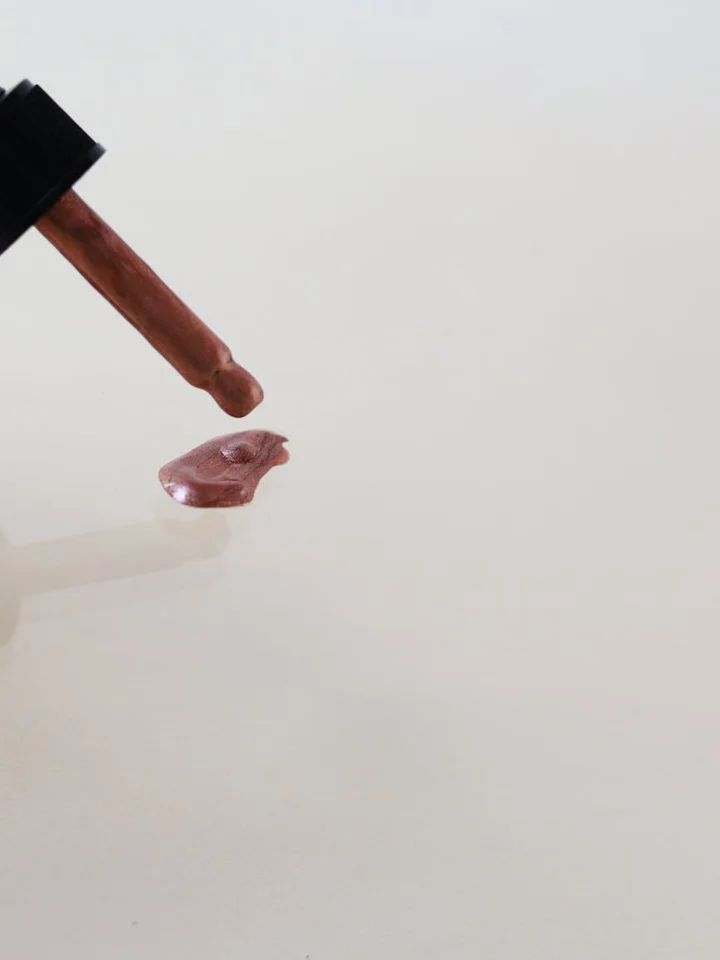
Creating an effective hyaluronic acid serum is more science than art. Small errors in formulation can lead to a product that feels sticky, balls up, or simply doesn’t work as promised.
Specific Mistakes to Watch For
- Using Only One Molecular Weight. This is the most common shortcut. A serum with only high-molecular-weight HA will sit on the surface. One with only low-weight HA might hydrate but miss the surface-plumping effect. A blend is best for multi-depth hydration.
- Incorrect pH Leading to Gelling. Hyaluronic acid is stable in a slightly acidic pH range. If the formula’s pH is off, it can become too thick and gel-like in the bottle, making it difficult to dispense and apply evenly.
- Over-Reliance on HA Without Occlusives. A great serum delivers water, but a complete routine keeps it there. Formulators sometimes forget to remind users that HA is not a moisturizer by itself. It needs that follow-up sealant step to be truly effective.
A well-formulated serum combines multiple HA weights, maintains a stable pH, and is part of a routine that includes a sealing moisturizer.
Can You Make Hyaluronic Acid at Home?
Let’s clear this up: you cannot synthesize or ‘make’ pure hyaluronic acid in a home kitchen. The process requires specific biotechnology. However, you can safely blend pre-purchased, cosmetic-grade HA powders into distilled water or aloe vera juice to create a simple hydrating toner or booster. Be sure to apply it correctly for the best results.
The key is using a precise scale (grams, not spoons), mixing thoroughly to avoid clumps, and adding a preservative if you won’t use the mixture within a few days. It’s a fun project for skincare enthusiasts, but for guaranteed purity, concentration, and stability, a professionally formulated serum is usually the better choice.
Gel vs. Liquid Serum: What’s the Difference?
When you see ‘hyaluronic acid gel formulation,’ it often means a product thickened with gelling agents (like carbomer) for a specific, often non-drip texture. This can be great for targeted application or for those who dislike runny serums, especially when you layer your serums.
A classic liquid serum is usually less viscous. The functional difference for your skin is minimal if the active HA content is the same. Choose based on texture preference. Maya, with her oily skin, often prefers a fast-absorbing liquid serum, while Noah likes the slightly more substantial feel of a gel-cream hybrid for his drier skin.
The core principle remains: regardless of the final texture, the formula must protect the integrity of the hyaluronic acid molecules and be applied to skin prepped for hydration.
Ethical Formulation: Building a Serum That Cares for Skin and Planet
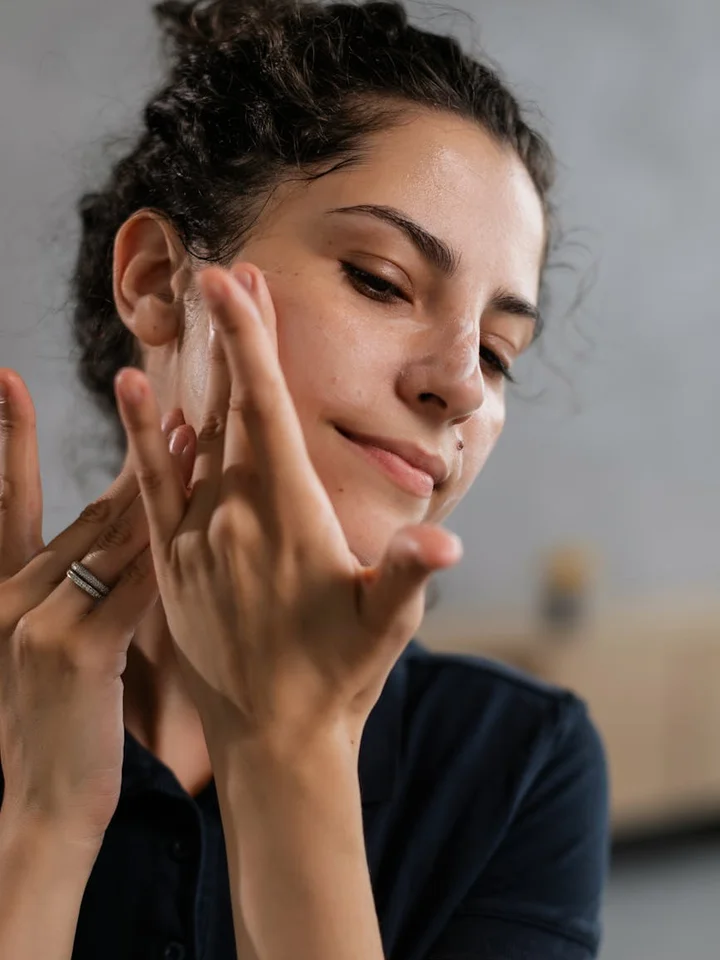
Great skincare science doesn’t just happen in a lab. It starts with the choices we make long before an ingredient touches your skin. For us, formulating a hyaluronic acid serum begins with a commitment to ethics, because what’s good for your complexion should also be good for the world. Understanding how often to use a hyaluronic acid serum is part of building a thoughtful routine. The right frequency supports lasting hydration without overwhelming your skin.
Why Bio-Fermented HA is a Non-Negotiable Starting Point
Historically, hyaluronic acid was extracted from rooster combs. Today, we have a cleaner, more consistent, and cruelty-free alternative: bio-fermented HA. This method uses a specific strain of bacteria to “brew” the HA in a controlled, laboratory environment.
Think of it like making sourdough starter versus buying a processed loaf. The bio-fermentation process gives us a purer, more sustainable ingredient. It’s free from animal proteins that could trigger sensitivities in clients like Noah, who has reactive skin. Choosing vegan, bio-fermented HA ensures a lower risk of irritation and aligns with a conscious skincare philosophy from the very first step.
Sourcing and Testing: The Backbone of Trust
Ethical formulation extends to every raw material and every test. We prioritize suppliers who practice sustainable farming and harvesting, ensuring ecosystems are protected for the long term. Every ingredient is scrutinized for its environmental impact, not just its efficacy.
Furthermore, cruelty-free testing is a cornerstone of modern, humane science. We rely on advanced in vitro (test-tube) methods and human clinical studies to verify safety and performance. This commitment means you can trust that no animal welfare was ever compromised in creating your serum. For a client like Lina, who is deeply curious about what she puts on her skin, this transparency is everything.
The LuciDerma Ethos: Where Conscious Science Meets Skin
This ethical framework directly shapes the serum you receive. A sustainably sourced, bio-fermented HA is the foundation. From there, we combine multiple molecular weights-from the high-weight that forms a hydrating film on the surface for immediate plumping, to the low-weight that can navigate deeper into the skin’s upper layers for longer-term support.
To help these beneficial weights penetrate effectively without harshness, we use gentle penetration enhancers. Imagine these as polite door-openers, like glycerin or specific amino acids, that work with your skin’s natural barrier instead of stripping it. This approach is critical for maintaining the health of sensitive or compromised skin barriers.
Ultimately, our formula is a reflection of a simple belief: the most effective skincare is born from respect-for your skin’s delicate biology and for our shared planet. It’s the kind of thoughtful, multi-weight HA serum that would benefit Maya’s oily-but-dehydrated complexion without clogging pores, while providing the deep, barrier-supporting hydration that Noah’s dry skin craves.
Your Hyaluronic Acid Formulation Questions, Answered
Where can I find a reliable hyaluronic acid serum formulation guide?
Seek out guides that focus on balanced multi-weight blends, a stable pH between 5.0-5.5, and include preservative systems. The most trustworthy resources are those grounded in cosmetic science, offering clear, actionable steps for both safety and efficacy.
What distinguishes a hyaluronic acid gel formulation from a liquid serum?
A gel uses gelling agents like carbomer primarily to modify texture for a thicker, non-runny feel, while a liquid serum relies on a simpler aqueous base. Both can deliver effective hydration if they contain a well-curated mix of HA molecular weights and proper penetration enhancers.
How do I choose penetration enhancers for sensitive or reactive skin?
Opt for gentle, well-studied enhancers like glycerin or propanediol, which support delivery without compromising your skin barrier. Always patch-test and start with lower concentrations to ensure compatibility and avoid irritation.
Your Blueprint for Better Hydration
Formulating an effective serum isn’t about finding one magic ingredient; it’s about creating a smart team that works together. For truly plump, resilient skin, you need a hyaluronic acid serum that combines multiple molecular weights with supportive penetration enhancers. This layered approach ensures hydration reaches deep into your skin while also protecting its surface.
- Seek out serums that list “sodium hyaluronate” (low weight) and “hyaluronic acid” (high weight) together.
- Check for gentle penetration enhancers like glycerin or propanediol near the top of the ingredient list.
- Apply your serum to slightly damp skin to help pull moisture in, never on dry skin.
- Follow with a moisturizer to seal in all that hydration, especially if you have dry skin like Noah.
I love breaking down the science behind your skincare right here on the blog. If you’re experimenting with a new serum or have a specific skin concern, I encourage you to follow along for more guidance. Remember, what works for Maya’s oily skin might differ for Lina’s combination type-I’m always here to help you figure out your perfect match.
Expert Resources and Citations
- Efficacy Evaluation of a Topical Hyaluronic Acid Serum in Facial Photoaging – PMC
- Hyaluronic Acid: How to Apply Hyaluronic Acid Serum to Skin | Exponent Beauty
- Does hyaluronic acid serum actually penetrate the skin since the molecules are so large? – Quora
- Efficacy Evaluation of a Topical Hyaluronic Acid Serum in Facial Photoaging – PubMed
- Dermatologist Guide To Using Hyaluronic Acid – Dr Davin Lim
- We Tested 45 Hyaluronic Acid Serums to Find the 10 Best for Radiant, Hydrated Skin
- Hyaluronic Acid 2% + B5 (with Ceramides) | The Ordinary
- The Best Hyaluronic Acid Serums To Hydrate And Smooth During Dry Skin Season
- How to Use Hyaluronic Acid: Tips, Product to Try, and More
Written by Lucy Zimmerman. Lucy is an expert author and blogger when it comes to skin care and body care. She has first hand expertise acting as skin care consultant for over 5+ years helping her clients achieve smooth blemish free skin with natural and working remedies. She also has been an avid experimenter and tried out all the natural and artificial remedies and treatments so you can learn from her first hand experience. Additionally, she has traveled to many countries around the world and incorporated the skin care routines she has learnt into this blog. So, wait no more, reach out to Lucy if you have any specific needs and follow her blog, LuciDerma for expert skin care advice.