
L’Oreal for Acne-Prone Skin: A Clinician’s Take on Non-Comedogenic Foundations and Serums
If you’re eyeing that L’Oreal serum or foundation but fear it might clog your pores, I get it. In my clinic, this is a common and very valid worry for anyone managing acne-prone skin.
This guide will help you shop with clarity. Here’s what you’ll be able to do:
- Decode L’Oreal’s ingredient lists to spot potential pore-cloggers and skin-friendly heroes.
- Understand why “non-comedogenic” on a label is just the starting point, not a guarantee.
- Apply simple, safe strategies to test new products without triggering a breakout.
Let’s find the right products for your skin story together.
What “Non-Comedogenic” Really Means for Your Skin
Think of a clogged pore, or a comedo, like a tiny traffic jam happening just under the surface of your skin. Your skin cells and natural oils (sebum) are the usual traffic. When everything flows smoothly, they exit the pore onto your skin’s surface without a problem. A comedogenic ingredient acts like a roadblock, slowing everything down. Skin cells and oil start to pile up behind it, eventually forming a plug-the start of a blackhead or a whitehead.
The term “non-comedogenic” on a label is a useful hint, but it’s not a government-regulated guarantee that a product won’t clog your pores. There’s no standard test every company must use, so one brand’s idea of “non-comedogenic” might differ from another’s. It’s a marketing claim meant to signal the brand’s intention to avoid notoriously pore-clogging ingredients, but how brands actually assess non-comedogenic formulations can vary.
Your skin’s reaction is deeply personal. I had a client, Noah, who tried a moisturizer rich in coconut oil-an ingredient many acne-prone people avoid. His dry, reactive skin loved it and felt soothed, but my client Maya, with her oily, acne-prone skin, would likely break out from the same formula. Your skin’s unique chemistry, oil production, and even your other products determine what causes a traffic jam for you.
While individual reactions vary, some ingredients are frequent culprits for causing clogs. If you’re very acne-prone, it’s wise to scan ingredient lists for:
- Coconut oil and its derivatives (like coconut alkanes)
- Certain heavy plant oils (like cocoa butter, wheat germ oil)
- Some waxes (like myristyl myristate, lanolin)
- Isopropyl myristate and other isopropyl esters
- Red algae (carrageenan)
How L’Oreal’s Popular Formulas Stack Up for Acne-Prone Skin
Let’s look at some of L’Oreal’s most asked-about bases and see how their formulas might work for skin that’s prone to congestion.
True Match Super-Blendable Foundation
This classic offers a natural, skin-like finish. It’s not explicitly labeled “non-comedogenic,” but it is oil-free. For those with oily skin seeking non-comedogenic options, this makeup can help keep pores clear without a heavy feel. It pairs well with other non-comedogenic products in an oily skin routine. The formula relies on silicones like dimethicone for a smooth, blendable feel, which many with acne-prone skin tolerate well as they are less likely to feed bacteria. It’s a good option if you want light to medium coverage without a heavy, creamy texture. The finish can lean slightly dewy on very oily skin types.
Infallible Fresh Wear & Pro-Matte Lines
These are the long-wear, full-coverage champions. The “Fresh Wear” 24H foundation promises a natural matte finish, while “Pro-Matte” is explicitly for oily skin. Both are tagged as “non-comedogenic” by L’Oreal. The trade-off for that long-lasting, transfer-resistant wear is often a formula that needs to create a firmer film on the skin, which can feel drying for some and potentially trap oil and dead cells if not removed meticulously. If you choose these, your double-cleansing game must be impeccable.
Hydra Genius Tinted Moisturizer
This is a hydrating, tinted fluid with a fresh, glowy finish. It contains hyaluronic acid and aloe water. It is not labeled as oil-free or non-comedogenic. The dewy result comes from hydrating ingredients, not oils, but the luminous finish might not be ideal for those with very oily skin who prefer a matte look, which is often targeted by oil-free moisturizers. It could be a fit for combination or normal skin types wanting a lightweight, breathable hint of color.
True Match Lumi Glotion & Hyaluronic Tinted Serum
These are glow-enhancers, not full foundations. The “Lumi Glotion” is a sheer illuminating lotion, and the “Tinted Serum” is a very light coverage serum with hyaluronic acid. Neither are marketed as oil-free or non-comedogenic. These are less about coverage and more about imparting a luminous sheen; use them cautiously if your acne-prone skin is also shiny, as adding glow can sometimes emphasize texture even when using non-comedogenic products. They may work best mixed with a matte foundation or used only on the high points of the face.
A note on “dermatologically tested”: This phrase means the product has been evaluated for safety, usually for irritation, under the supervision of a dermatologist. It does not mean the product is non-comedogenic, acne-treating, or suitable for all skin types. It primarily speaks to general tolerance, not pore-clogging potential.
A Simple Guide to Choosing Your Foundation or Serum Safely
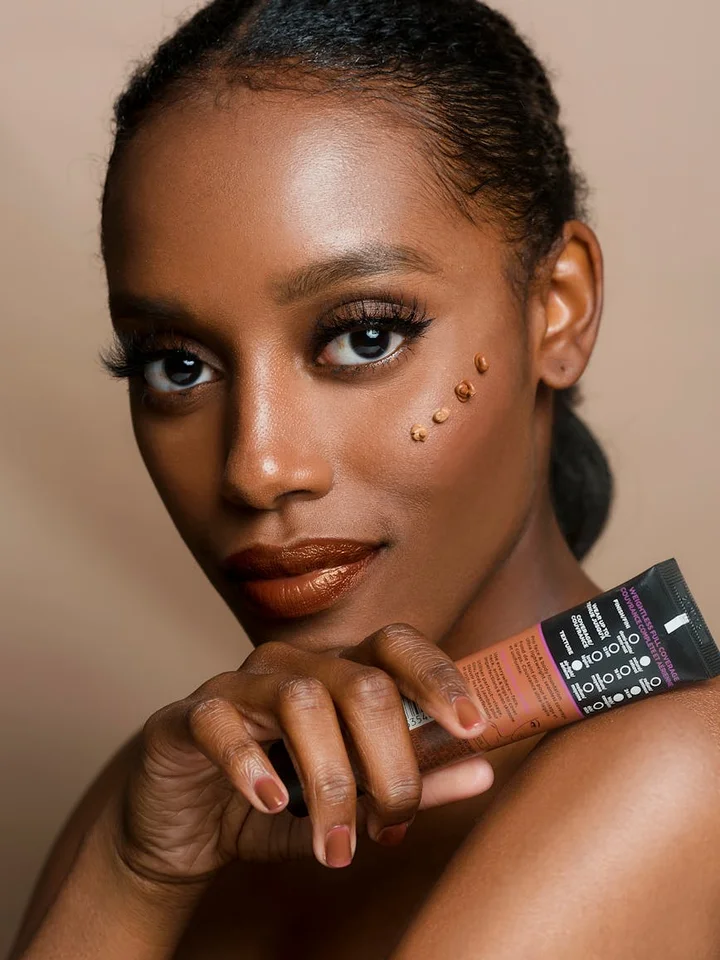
Let’s move past brand names for a moment. Whether you’re looking at L’Oreal or any other line, your personal filter is what matters. I give my clients, like Maya and Noah, this same checklist to use every time they consider a new base product.
- Check the label for “non-comedogenic” or “oil-free” as a first clue, but know it’s not a guarantee.
- Look at the finish claims. Words like “matte,” “natural,” or “serum” often hint at the texture.
- Search for fragrance. If your skin is reactive, “fragrance-free” is your safest starting point.
- Consider your other products. A foundation over a heavy silicone-based serum might feel too occlusive.
- Plan your removal. If you buy it, you must commit to cleaning it off thoroughly.
Turn the bottle around. The ingredient list tells the real story. Ingredients are listed from highest to lowest concentration.
Common green lights for acne-prone skin include ingredients like dimethicone (used correctly), hyaluronic acid, and niacinamide, which can offer hydration or soothing benefits without heavy oils. Additionally, niacinamide can help brighten the skin and fade post-acne dark spots over time. It also supports the skin barrier, helping reduce irritation.
Watch for potential red flags for some people. These aren’t universally “bad,” but they’re common irritants or pore-cloggers. Heavy occlusive oils like coconut oil or cocoa butter sit on top of skin. Comedogenic waxes and certain thickeners like myristyl myristate can be problematic. Denatured alcohol (alcohol denat.) high on the list can strip and irritate sensitive, acne-prone skin.
Never skip the patch test. Your jawline or behind your ear is perfect. Apply a small amount twice daily for 3-5 days. This area is sensitive but discreet. If you see redness, itchiness, or new small bumps, your skin is saying no. A reaction here is much better than a full-face flare-up.
For acne-prone skin, removing your makeup is not optional, it’s critical to your skincare routine’s success. This is where many clients like Lina see a turnaround. Double cleansing is your best friend. Start with an oil-based cleanser or micellar water to break down makeup, sunscreen, and that first layer of grime. Follow immediately with a gentle, water-based facial cleanser. This two-step process ensures no residue is left behind to mix with your skin’s oils and potentially clog pores overnight.
| pH | Neutral (~7) |
| Concentration | Commonly used at 1-10% in formulations |
| Solubility | Oil-soluble, water-insoluble |
| Safety for Acne-Prone Skin | Generally considered non-comedogenic; acts as a lightweight barrier and texture enhancer. Can trap sweat/debris if not cleansed properly. |
Finding a True Match for Oily vs. Dry Acne-Prone Skin
Acne doesn’t mean just one skin type. You can be oily and breaking out, or dry and flaky with pimples. The right formula makes all the difference.
For shiny T-zones and oily skin like Maya’s, a lightweight, matte liquid foundation is often a good fit. These formulas, like the L’Oreal Infallible Pro-Matte line, typically contain absorbing powders and have a velvety finish that doesn’t add extra shine. They create a smooth canvas without feeling like a heavy mask.
If your skin feels tight, flakes, but still gets breakouts like Noah’s, a matte foundation can look cakey. A serum foundation or a hydrating tint is a smarter choice. Think of L’Oreal’s Age Perfect Radiant Serum Foundation-it’s like adding a layer of treatment with light coverage. These blend more easily over dry patches and provide moisture without thick, pore-clogging emollients.
Application technique matters as much as the product. Use a light hand and less product directly on active, raised pimples, then build coverage on the clearer areas around them. This prevents a thick, obvious buildup on the pimple that can look worse and potentially irritate it. A damp beauty sponge can help sheer out the product exactly where you need it.
When You Might Want to Look Beyond the Drugstore Aisle
Many of my curious clients, especially Lina, ask me about Korean (K-beauty) foundations and sunscreens that are often labeled as non-comedogenic. It’s worth understanding the differences in approach.
Typical K-beauty foundations and bases often focus on lightweight, dewy layers and innovative ingredients like fermented extracts. The goal is a “skin-like” finish rather than full, matte coverage. Their sunscreens are famous for elegant, often alcohol-free formulas that feel like nothing on the skin.
Exploring K-beauty can be useful if you’re specifically hunting for an ultra-light texture or a gentle, non-drying sunscreen that won’t aggravate your acne regimen. The philosophy of layering multiple light products aligns well with acne-prone skin that feels suffocated by one heavy cream.
Remember, no country of origin has a monopoly on being safe for your pores. A product from Seoul can clog you just as one from Paris can be perfect. It always comes back to your ingredient checklist and patch test. The geographic label just gives you a hint about the texture and finish philosophy you’re likely to encounter.
Contraindications & Safety Warnings
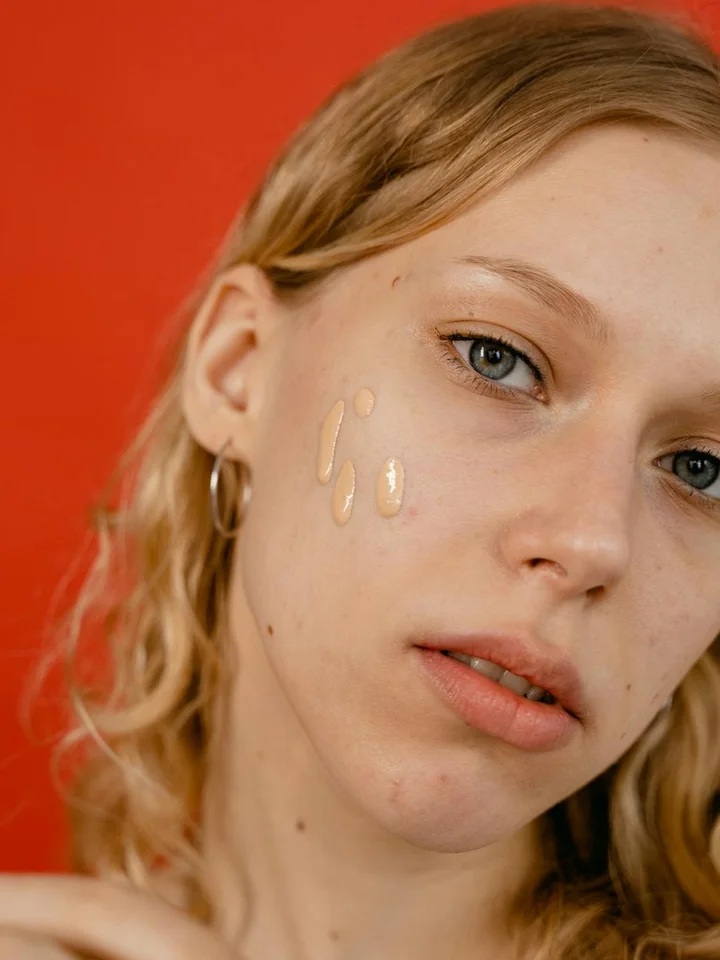
Let’s start with when not to try a new foundation or serum, even one labeled non-comedogenic. Think of your skin like a scraped knee; you wouldn’t rub a new lotion on an open wound. A quick patch test can help you spot potential comedogenic reactions before they show up as breakouts.
Do not apply new makeup or serums onto severely inflamed, broken, or actively weeping acne. Your skin barrier is compromised, making it more reactive and susceptible to irritation or infection. The goal here is to heal, not decorate.
During a major flare-up, your priority should shift entirely. Focus on medical treatment as directed by your doctor and dedicated barrier repair. A simple routine of a gentle cleanser, a healing moisturizer with ceramides, and a prescribed treatment is your best path to calm.
Remember, “acne-safe” or “non-comedogenic” makeup is a tool for coverage, not a cure. It does not replace diagnosis and treatment from a dermatologist for persistent acne. If you’re struggling with frequent breakouts, no foundation can address those triggers like hormones or bacteria.
On ethics, many L’Oreal products are not tested on animals. Their corporate policy, however, is complex due to global markets where animal testing is required by law. For definitive, up-to-date guidance, I guide my clients to consult current, verified cruelty-free certification lists from organizations like Leaping Bunny.
Your Pre-Makeup Skin Prep Is Everything
The right prep creates a smooth, calm canvas and protects your skin all day. Skipping this is like applying paint to a dusty, cracked wall. For my client Maya, this two-minute routine made her foundation look better and last longer without aggravating her acne.
Follow this simple, calming sequence every morning before you reach for your makeup:
- Gentle Cleanse: Use a mild, non-stripping cleanser to remove overnight residue without disrupting your skin’s balance.
- Light Hydrator: Apply a simple, oil-free moisturizer or hydrating serum. Look for ingredients like hyaluronic acid or glycerin. This plumps the skin so foundation doesn’t cling to dry patches.
- Sunscreen: This is non-negotiable. Use a broad-spectrum SPF 30 or higher. For oily skin, choose a lightweight, matte-finish formula. Let it absorb for 2-3 minutes before moving on.
Do not apply potent active treatments like strong retinoids or AHAs/BHAs right before your foundation. They can increase sensitivity and cause your makeup to pill or irritate your skin. Use these potent ingredients in your evening routine instead.
Finally, consider your tools. Using clean brushes or a dedicated makeup sponge minimizes bacteria transfer from your fingers to your face and product. Wash your brushes with a mild soap weekly to keep your routine truly acne-friendly.
Your Questions on K-Beauty for Acne-Prone Skin, Answered
Are Korean non-comedogenic foundations better for oily or dry skin?
Korean foundations often excel at lightweight, hydrating formulas suitable for dry skin, but many lines also offer soft-matte versions for oily skin. The key is to match the product’s finish description-“dewy” or “glow” for dryness, “matte” or “velvet” for oiliness-to your primary concern.
What makes Korean non-comedogenic sunscreens a good option?
They are frequently formulated for high cosmetic elegance, using lightweight, breathable filters that feel invisible on skin. This can prevent the heavy, greasy feel that often leads to skipping SPF, a critical step for protecting acne-prone skin.
How do I choose a Korean moisturizer for acne-prone skin?
Look for gel-cream or watery textures labeled “oil-free” with hydrators like hyaluronic acid or birch juice. We advise avoiding heavily fermented ingredient complexes at the top of the list, as these can sometimes provoke sensitivity in already reactive skin.
Your Skin, Your Smart Choices
The most reliable way to know if a L’Oréal product will work for your skin is to become a label detective and a cautious tester. Your skin’s health depends more on your personal observation than any single claim on a bottle.
- Always look for the words “non-comedogenic” or “oil-free” directly on the product packaging for your best shot at a compatible formula.
- Perform a patch test on your jawline for at least three days before applying any new foundation or serum to your entire face.
- When in doubt, choose fragrance-free options from any brand to minimize potential irritation.
- If breakouts persist, consult a dermatologist or esthetician-they can help you find the specific ingredients your skin truly needs.
I’m always here to help you navigate these choices. Follow along on the blog for more guides, and if you have a specific product you’re wondering about, feel free to send me a note. Your journey to clearer skin is a partnership, and making informed, gentle choices is a powerful first step.
Industry References
- 10 Best Non Comedogenic L Oreal Foundations In 2025 | SkinSort
- Non-Comedogenic Makeup and Skincare Products | L’Oréal Paris
- Our Best Foundations for Acne-Prone Skin in 2021 – L’Oréal Paris
- Amazon.com : L’Oreal Paris Makeup Infallible Up to 32 Hour Fresh Wear Lightweight Foundation, 540 Mahogany, 1 Fl Oz, Packaging May Vary : Beauty & Personal Care
- 10 Best Non-Comedogenic Foundations (Tested and Reviewed 2025)
- Face Makeup Super-Blendable Foundation – L’Oréal Paris
- L’Oréal Non-Comedogenic Face Makeup Products for sale | eBay
- What Type Of Foundation Should I Use | L’Oréal Paris
- Loreal Paris True Match Foundation Serum – Hyaluronic Acid, Non-Comedogenic, Sensitive Skin Friendly
Lucy Zimmerman
Lucy is an expert author and blogger when it comes to skin care and body care. She has first hand expertise acting as skin care consultant for over 5+ years helping her clients achieve smooth blemish free skin with natural and working remedies. She also has been an avid experimenter and tried out all the natural and artificial remedies and treatments so you can learn from her first hand experience. Additionally, she has traveled to many countries around the world and incorporated the skin care routines she has learnt into this blog. So, wait no more, reach out to Lucy if you have any specific needs and follow her blog, LuciDerma for expert skin care advice.