
Niacinamide and Adapalene Together: Your Blueprint for Calmer, Clearer Skin
If you’re holding a bottle of niacinamide and a tube of adapalene, wondering if they can share shelf space in your routine, I hear you. In my clinic, clients like Maya often ask this exact question, and I’m here to say yes-you can combine them safely and effectively.
This article will give you a clear, practical plan. Here’s what you’ll be able to do:
- Understand why pairing a calming agent like niacinamide with a potent retinoid like adapalene works so well for both breakouts and post-acne marks.
- Apply these ingredients in the correct order and timing to avoid common pitfalls like dryness or irritation.
- Adjust your routine with confidence if your skin feels reactive, using principles I share with cautious clients like Noah.
You have everything you need to make this powerful combination work for your skin.
The Short Answer: Yes, and Here’s Why
Can adapalene and niacinamide be used together? Absolutely. In my practice, this is one of the most effective and well-tolerated partnerships for treating stubborn acne and the marks it leaves behind.
Think of them as a skilled renovation team. Adapalene is the powerful renovator, diligently working to clear out clogged pores and resurface your skin. Niacinamide is the calming site foreman, managing inflammation, protecting the skin’s barrier, and keeping the whole project running smoothly. They complement each other perfectly.
The primary goal of combining them is to manage active breakouts and post-acne hyperpigmentation with significantly less irritation than using a retinoid like adapalene alone. This is a question I hear often from clients like Maya, who has oily, acne-prone skin. She’s tired of the cycle: a painful pimple fades, but a dark spot lingers for weeks. She wants to treat both problems at once without wrecking her skin barrier.
How This Duo Tackles Acne (The Benefits Explained)
Let’s break down what each ingredient does on its own, and then see how they team up.
Adapalene is a topical retinoid. It works deep within the pore to normalize skin cell turnover. This prevents dead cells from sticking together and clogging the pore, which is the root cause of many pimples. It also has direct anti-inflammatory properties, which is why it’s so good for calming the angry, red appearance of cystic acne. These uses help explain the effectiveness of adapalene gel in treating acne. In practice, many find it effective for both clogged pores and inflammatory acne.
Niacinamide, a form of vitamin B3, operates more on the skin’s surface and within its barrier. It helps regulate oil (sebum) production, so your skin feels less greasy. It actively strengthens your skin’s moisture barrier, making it more resilient. It also reduces redness and inflammation. This makes niacinamide a go-to for brightening dull skin and supporting acne-prone complexions.
When used together, niacinamide creates a supportive environment that helps your skin tolerate adapalene. This buffering effect is the secret to success. Retinoids can cause dryness, peeling, and stinging, especially at first. Niacinamide counters this by reinforcing the skin’s natural defenses. Because the irritation is minimized, you can use adapalene more consistently, and consistency is everything for long-term acne control.
I saw this clearly with Maya. She started using a prescription adapalene gel and found it too drying, causing her to skip nights. We introduced a 5% niacinamide serum before the adapalene. Within two weeks, the flakiness and tightness were gone. She could use her adapalene every other night without discomfort. The niacinamide managed her midday shine, while the adapalene steadily cleared deep congestion. Her cystic flare-ups became less frequent and severe, and the post-acne spots faded faster because her skin wasn’t in a constant state of repair from irritation.
Fading Marks: Niacinamide’s Role in Hyperpigmentation

Let’s talk about what’s left behind. When a pimple heals, it can leave a dark spot, or post-inflammatory hyperpigmentation. This is where this combination really shines. Think of it as a team where each player has a specific, complementary job.
Adapalene works on the timeline. It accelerates your skin’s natural cell turnover rate. This process helps shed the top layers of skin where pigmented, damaged cells are sitting, gradually lifting those dark marks to the surface. It’s like turning the page to a fresh sheet of paper more quickly.
Niacinamide works on the source. It tackles hyperpigmentation in two clever ways. First, it interferes with the process where pigment (melanin) is transferred from the cells that make it to the top layer of your skin. Second, it’s a superb anti-inflammatory. Since inflammation is a major trigger for dark spots to form in the first place, niacinamide helps calm that signal. By blocking pigment transfer and soothing inflammation, niacinamide helps prevent new discoloration from taking hold.
Using them together creates a powerful, two-pronged strategy. Adapalene clears the deck of existing pigmented cells, while niacinamide guards against new ones forming. For a client like Maya, who deals with acne and the marks it leaves, this duo can mean clearer skin and fewer lingering shadows. The result is often a more even-toned complexion.
Be patient with this process. Fading marks takes consistent care over weeks. Always, always follow your routine with a broad-spectrum sunscreen during the day. Sun exposure can darken existing spots and undermine all your good work.
The Safe Layering Sequence: A Step-by-Step Guide
Think of layering skincare like building a sandwich. You start with the bread, add a protective layer, then the main ingredient, and finally, a comforting top. Getting the order right makes all the difference for your skin to absorb the benefits comfortably. Here is exactly how to layer niacinamide and adapalene.
Should I Apply Niacinamide Before or After Adapalene?
Apply your niacinamide serum first, right after cleansing while your skin is still slightly damp. I guide clients like Lina to do this every time. Damp skin helps hydrating ingredients like niacinamide absorb better. This step preps your skin by delivering hydration and reinforcing its natural barrier.
Applying niacinamide first creates a gentle buffer layer that can help your skin tolerate the adapalene better. It’s like putting on a thin, protective glove before handling something potent. Adapalene, a retinoid, works deeper in the skin to clear pores and smooth texture. Letting niacinamide go on first sets up a supportive base for that work.
How Long Should I Wait Between Applying Niacinamide and Adapalene?
You don’t need to wait long. Give the niacinamide serum about one to two minutes to sink in. You’ll know it’s ready when your skin feels touch-dry, not sticky or wet.
Applying adapalene to soaking wet skin can increase its penetration and lead to more irritation, like redness or peeling. A brief pause lets the niacinamide serum form that supportive base without water driving the adapalene too deep too fast. For my client Maya, who is acne-prone, this short wait is the key to using her treatments without upsetting her oily skin.
Can Niacinamide Reduce the Irritation Caused by Adapalene?
Yes, it absolutely can. This is one of my favorite skincare synergies. Niacinamide is a brilliant barrier supporter. It helps your skin produce ceramides and other lipids that act like mortar between your skin cells, keeping moisture in and irritants out.
When you use adapalene, it can temporarily increase water loss and weaken that barrier. Niacinamide steps in to reduce that water loss and strengthen your skin’s defense. By bolstering your skin barrier, niacinamide directly counteracts the dryness and sensitivity adapalene can cause. This is a game-changer for anyone with sensitive or reactive skin, like my client Noah, who needs effective acne care without the flare-ups.
The Evening Routine Blueprint
Follow these exact steps in the evening to combine niacinamide and adapalene safely and effectively.
- Cleanse: Use a gentle, non-stripping cleanser to remove makeup, sunscreen, and dirt.
- Pat Dry: Gently pat your face with a clean towel. Leave it slightly damp, not dripping wet.
- Niacinamide Serum: Apply a few drops of your niacinamide serum evenly over your face and neck.
- Brief Wait: Let the serum absorb for about 60 seconds until your skin feels dry to the touch.
- Adapalene: Apply a pea-sized amount of adapalene gel or cream all over your face, avoiding the immediate eye area.
- Moisturizer: Finish with a good moisturizer to seal in all the actives and provide comfort.
If you’re new to adapalene, start by using this routine every other night to see how your skin responds. Always patch test new products first on a small area of your jawline.
What to Mix & What to Avoid: Your Ingredient Interaction Matrix
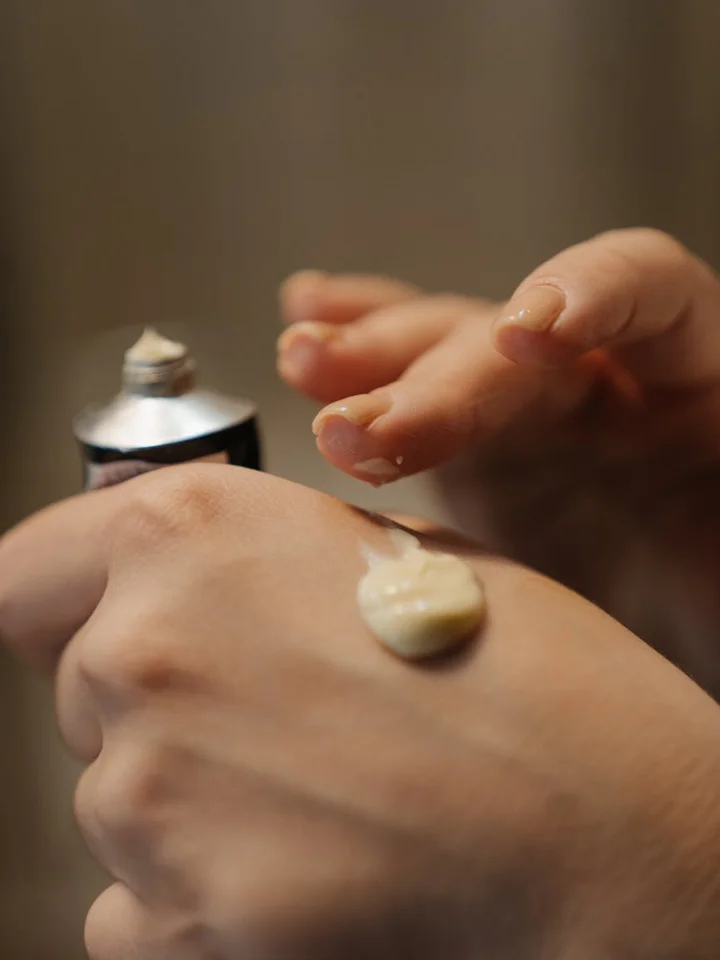
Think of your skincare routine like a well-organized kitchen. Some ingredients blend smoothly, while others need separate bowls. Getting the mix right means your skin gets the benefits without the irritation. Here’s a simple guide to what plays nice with your niacinamide and adapalene duo.
| Ingredient | Interaction Advice |
|---|---|
| Hyaluronic Acid | Safe & Synergistic |
| Ceramides | Safe & Synergistic |
| Zinc PCA | Safe & Synergistic |
| Other Retinoids | Use with Caution |
| High-strength AHA/BHA | Use with Caution or Separate |
| Vitamin C (L-ascorbic acid) | Use with Caution or Separate |
Safe and Synergistic Partners
These ingredients are the supportive team players. They address the common side effects of adapalene, like dryness, without interfering with its work.
- Hyaluronic acid acts like a drink of water for your skin. It pulls hydration into the surface layers, which helps counteract the peeling adapalene can cause. I often suggest applying it to damp skin before adapalene for clients like Noah, who needs that extra buffer for his dry, reactive skin.
- Ceramides are the mortar between your skin’s brick-like cells. They repair and strengthen your barrier, which adapalene can temporarily challenge. Using a ceramide cream or serum helps your skin stay resilient and calm.
- Zinc PCA helps manage oil production gently. For someone like Maya, who has oily, acne-prone skin, this ingredient works with niacinamide to control shine throughout the day without causing dryness.
Incorporating these supportive ingredients can make your adapalene routine more comfortable and effective from the start.
Ingredients to Use with Caution or Separate
Some powerful actives need careful timing or spacing. Using them incorrectly can lead to redness, stinging, or reduced benefits.
- Other retinoids, like retinol or prescription tretinoin, should not be layered with adapalene. This is a classic case of too much of a good thing; it overloads your skin and dramatically increases irritation risk.
- High-strength direct acids (AHA/BHA) are potent exfoliants. Using a strong glycolic or salicylic acid treatment on the same night as adapalene can compromise your barrier. I advise using them on alternate nights. For example, try adapalene on Monday and Wednesday, and a gentle lactic acid on Tuesday if your skin isn’t sensitive.
- Vitamin C (L-ascorbic acid) is fantastic, but it works best at a very low pH. Adapalene is formulated at a different pH. Applying them together can make both less effective. The simple fix is to use your vitamin C serum in the morning and your adapalene at night.
Never physically mix adapalene and niacinamide products in your palm before applying; always layer them separately on your face to preserve each ingredient’s stability and effectiveness.
Are There Any Side Effects of Using Niacinamide and Adapalene Together?
Any side effects you notice will almost certainly come from the adapalene, especially during the first few weeks of use. It’s common to experience some dryness, flaking, or redness as your skin adjusts.
Niacinamide is there to help. It soothes irritation and bolsters your skin’s natural defenses, which can make this adjustment period smoother. Think of niacinamide as a cushion for the initial intensity of adapalene.
Initial purging from adapalene is still possible. This is when deeply clogged pores rapidly clear out, leading to temporary breakouts. It typically peaks within 4 to 6 weeks.
Watch for signs that your skin needs a break, like burning that lasts more than a few minutes, intense itching, or cracked skin. If you see these, scale back immediately. Try applying adapalene just two or three nights a week, or use the “sandwich method” by applying moisturizer both before and after it. Always patch test a new product combination on a small area of your jawline for a week, and consult a dermatologist or esthetician if irritation doesn’t improve.
When Not to Try This Combo: Contraindications & Safety Warnings
Mixing active ingredients like niacinamide and adapalene requires a bit of foresight. I see many clients excited to tackle acne and dark spots, but jumping in without caution can backfire on sensitive skin.
Before anything else, make patch testing a non-negotiable step in your routine. Blend a pea-sized amount of both products and apply them to a small, hidden area like behind your ear for three to five nights. This simple test can prevent a full-face reaction and tell you if your skin tolerates the pair.
There are clear situations where you should avoid this combination entirely. Hold off if you experience any of the following:
- Actively broken, weeping, or sunburned skin. Your skin is in repair mode, and actives can feel like adding salt to a wound. Let it heal completely first.
- Severely compromised skin barrier. If your face is consistently red, flaky, or stings with every product you use, it needs a rest. Focus on gentle hydration and barrier repair before considering any treatment.
- Pregnancy or breastfeeding. Adapalene and other retinoids are not typically recommended during these times. Always consult your doctor or dermatologist for personalized, safe advice.
- If using prescription-strength adapalene under dermatologist care. Your dermatologist’s plan supersedes any general advice. Do not alter your prescribed routine without talking to them first.
Take a page from my client Noah’s book. With his dry, reactive skin, he was interested in niacinamide for redness but wary of irritating his skin with adapalene. We started with adapalene just two nights a week, applying it alone on clean, dry skin. On the other nights, he used a simple niacinamide serum. This slow build-up over a month allowed his skin to adapt without the tightness or peeling he feared. Only after his skin felt calm and resilient did he begin applying them together, using the niacinamide first as a buffer. Listening to your skin’s feedback is the best guide you have.
Finding the Right Strength: Niacinamide Concentration and Product Types

Choosing the right concentration of niacinamide is a bit like finding the perfect spice level for a meal. Too little and you might not get the full benefit, too much and it can overwhelm your skin. When pairing it with adapalene, we want a level that cooperates beautifully without causing a flare-up.
What Concentration of Niacinamide is Best to Pair with Adapalene?
Think of your 5% to 10% niacinamide serums as the reliable workhorses. This range is where most of the solid clinical research sits for improving barrier function, calming redness, and regulating oil. It’s effective and well-tolerated for most skin types, which is exactly what you want when introducing another active like adapalene.
For someone like Noah, who has dry, reactive skin, starting at the lower end of this range (around 5%) in a simple serum is often the smartest, gentlest path forward.
You might see products boasting 15%, 20%, or even higher concentrations. More isn’t always better, especially when it comes to retinol percentages. High concentrations aren’t necessary for the benefits we’re after and can increase the chance of side effects, like temporary flushing or irritation, especially on skin that’s already adjusting to a retinoid.
Starting with a 5% formula in a gentle, fragrance-free serum gives your skin the supportive benefits of niacinamide with a very low risk of added irritation. You can always move to a 10% formula later if your skin handles the initial combination well and you want to target hyperpigmentation more aggressively.
Can I Use a Product That Contains Both Niacinamide and Adapalene?
This is a great question, and yes, these combo products do exist. Some prescription adapalene gels already include niacinamide in their formula. The obvious appeal is simplicity-one product instead of two.
However, using separate products gives you much more control. With separate products, you decide the application order, you can adjust the frequency of each based on your skin’s daily needs, and you can precisely select the niacinamide concentration and texture that works for you. This control is invaluable for tailoring your routine, especially in the first few weeks as your skin builds tolerance.
Let’s say you’re like Maya, with oily, acne-prone skin. On a day when your skin feels a bit more sensitive, you might choose to apply your 5% niacinamide serum and skip the adapalene. With a combined product, that fine-tuning isn’t an option.
For simplicity, a well-formulated combined product can absolutely work if your skin agrees with it. The key is to listen to your skin; if a pre-mixed formula feels comfortable and effective, it’s a perfectly valid choice. But for most people, especially those new to this combination or with sensitive skin, building the routine with two separate products offers the best flexibility for success.
Crafting Your Routine: A Sample Evening Schedule

Let’s turn theory into practice with a plan you can start tonight. This schedule is designed for someone new to this combination, prioritizing skin tolerance above all else. Think of it like building a friendship between your skin and these ingredients; you want to start with short, positive interactions.
Your First Week: The “Start Slow” Method
Resist the urge to use both products every night. Your skin needs time to adjust to adapalene, and layering niacinamide from the start can help ease that transition. Here is a simple evening plan for your first seven nights.
- Nights 1, 2, & 3: Focus on adapalene alone, but only use it twice. On your first night, apply adapalene. Then, skip the next night to just cleanse and moisturize. Apply it again on the third night. This gives your skin a rest day in between.
- Nights 4, 5, 6, & 7: Now, introduce the team. On your two adapalene nights this week (for example, nights 4 and 6), apply your niacinamide serum first. Wait a full minute for it to dry, then apply your adapalene. On the other nights, just cleanse and use a simple, soothing moisturizer.
This gradual approach lets your skin build resilience while niacinamide works behind the scenes to fortify your barrier against potential irritation. Over time, you’ll notice niacinamide skin barrier benefits like better moisture retention and calmer skin. These early improvements pave the way for a healthier, more resilient complexion.
Don’t Forget Your Morning Game Plan
Your daytime routine supports and protects the repair work happening overnight. It should be gentle, hydrating, and fiercely protective.
- Gentle Cleanser: Use a simple, non-foaming cleanser with lukewarm water. You’re just removing overnight skincare, not stripping your skin.
- Antioxidant Serum (like Vitamin C): This is a great daytime partner. Vitamin C helps defend against environmental damage and can work synergistically with your evening routine to brighten hyperpigmentation.
- Moisturizer: A light, non-comedogenic formula locks in hydration without clogging pores.
- Sunscreen (SPF 30 or Higher): This is non-negotiable. Adapalene makes your skin more sun-sensitive, and sun exposure can worsen post-acne dark spots. Apply it every single morning, rain or shine.
Listen to Your Skin Like a Pro
My client Lina, who has combination, sensitive skin, is a master of this. She started this exact schedule but noticed her cheeks felt a bit warm and tight after her second week. Instead of pushing through, she listened and scaled back to using the combination just once a week for another week. Her skin calmed down, and she was able to slowly increase frequency again. Your skin’s feedback is your most important guide. Mild dryness or flaking is common initially, but stinging, burning, or significant redness means you should take a break and simplify your routine.
Remember, the goal is a calm, consistent routine. True results against acne and hyperpigmentation come from patient, regular use and vigilant sun protection, not from using the strongest products the most often. Building this habit is what will give you clearer, more even-toned skin over time.
Your Niacinamide & Adapalene Questions, Answered
What’s the ideal niacinamide concentration to use with adapalene?
For pairing with adapalene, a 5% to 10% niacinamide serum is the sweet spot. This range is clinically effective for barrier support and oil regulation while minimizing the risk of added irritation as your skin adjusts.
Is it better to use separate products or a combined formula?
Starting with separate products offers more control to adjust frequency and layering based on your skin’s daily tolerance. While combined formulas are convenient, separate serums allow you to tailor the routine perfectly, especially during the initial adjustment phase.
What should my morning routine look like when using this combo at night?
Keep your morning routine gentle, hydrating, and protective. After a mild cleanse, apply an antioxidant like vitamin C, a simple moisturizer, and always finish with a broad-spectrum SPF 30+ to protect your skin and prevent dark spots from worsening.
Building a Routine That Works for You
Combining niacinamide and adapalene is a powerful strategy for tackling both active acne and the marks it leaves behind. You may also hear about adapalene’s potential role in improving acne scars over time. The key to success is introducing them slowly and listening to what your skin tells you. Patience here isn’t just a virtue; it’s the foundation for clear, calm skin.
- Always apply your treatment to completely dry skin to minimize potential irritation.
- Start by using the combination just 2-3 nights a week, gradually increasing frequency as your skin tolerates it.
- Layer products from thinnest to thickest consistency: niacinamide serum first, followed by adapalene, then your moisturizer.
- If you experience stinging or redness, take a step back and focus on barrier repair before trying again.
- Morning sunscreen is non-negotiable, as adapalene can make your skin more sensitive to the sun.
Your skin’s journey is unique, and what works for my client Maya might need a small tweak for you. If you have questions as you build your routine, I’m here to help. You can always find more guidance right here on the blog. Remember, adjusting a routine is a sign of smart, attentive care, not a setback.
Research and Related Sources
- r/SkincareAddiction on Reddit: [Routine Help] Can I use niacinamide and differin at the same time?
- Niacinamide Skincare Benefits & Combinations – Rejuvences
- can i use niacinamide and differin in the same routine?
Lucy Zimmerman
Lucy is an expert author and blogger when it comes to skin care and body care. She has first hand expertise acting as skin care consultant for over 5+ years helping her clients achieve smooth blemish free skin with natural and working remedies. She also has been an avid experimenter and tried out all the natural and artificial remedies and treatments so you can learn from her first hand experience. Additionally, she has traveled to many countries around the world and incorporated the skin care routines she has learnt into this blog. So, wait no more, reach out to Lucy if you have any specific needs and follow her blog, LuciDerma for expert skin care advice.