
Non-Comedogenic: Busting the No-Breakout Myth for Good
You grab a ‘non-comedogenic’ product hoping for clear skin, only to find a new blemish. I see this confusion all the time, and I’m here to clear it up.
This article will give you the facts to move beyond the label. You’ll know:
- What non-comedogenic actually means, so you understand the science.
- Why your unique skin might still react, to identify your personal triggers.
- How to choose and test products confidently, for a routine that really works.
Let’s get you the clear skin you deserve.
The Real Meaning of “Non-Comedogenic”
Let’s start with the basics. “Non-comedogenic” simply means the product is formulated with ingredients that are less likely to clog your pores and form a comedo, which is the technical term for a blackhead or a whitehead.
Here’s the part we need to talk about. This term began its life as a powerful marketing promise, not a medical guarantee you can bank on. It was a response to people like my client Maya, who was tired of heavy creams turning her T-zone into a breakout zone. Companies wanted a simple way to say, “This one’s safer for acne-prone skin.”
The science behind it is interesting, but it has a big flaw. Many “comedogenic” ratings you might read about online (often on a scale from 0 to 5) come from old studies done on rabbit ears, not human facial skin. Think of it like testing a shoe for comfort on a foot that’s shaped completely differently than yours. It gives a clue, but it’s not the full story for your unique skin. Since then, skincare science has shifted toward human-based testing and clearer criteria for non-comedogenicity. This evolution in non comedogenic skincare helps people choose products that truly suit their skin.
The label is a helpful hint, not a free pass. It’s like calling a snack “low-fat”-that doesn’t mean you can’t have a sensitivity or reaction to another ingredient in it. Your skin can still rebel due to irritation, a specific ingredient allergy, or just the overall formulation being too rich for your particular pores.
Why This Label Isn’t a Regulated Promise
This is the most crucial thing to understand. No government health agency, like the FDA or Health Canada, officially defines what “non-comedogenic” must mean or certifies products that use the claim. There is no standard rulebook every brand must follow — not even from regulatory bodies.
Because of this, the claim is a manufacturer’s promise based on their own choices. They might test the final product, or they might simply avoid ingredients from published lists known to be pore-clogging. One brand could be incredibly strict, while another uses a much looser definition. This leads to my next point.
One brand’s “non-comedogenic” moisturizer can be a lightweight gel, while another’s is a rich cream. They can both legally use the same label. For someone like Noah, with dry but reactive skin, the gel might be perfect, but the cream could still cause congestion or milia, even with that reassuring word on the bottle. In practice, many people look for non comedogenic branded moisturizers that hydrate without clogging pores. The right option varies, but clear labeling helps guide safer choices.
Treat the “non-comedogenic” label as a useful starting guideline, not a rule enforced by skin science authorities. Your skin’s personal experience is the ultimate test. The most reliable method is still patch testing a new product and paying close attention to how your skin behaves over the following weeks.
How a “Safe” Product Can Still Cause Breakouts

Let’s answer the core question directly. No, a “non-comedogenic” label does not guarantee your skin will not break out, even when using non-comedogenic moisturizers.
Think of my client Maya. She has oily, acne prone skin and was thrilled to find a moisturizer boldly labeled non-comedogenic and “oil free.” Within a week, she had a cluster of small, itchy bumps along her jawline. The culprit wasn’t a classic pore clogger. It was a specific emulsifier, a common ingredient that helps blend water and oil, that her skin simply didn’t like. It caused minor irritation that presented as a breakout.
A product can cause blemishes without technically clogging a pore. Here are the common reasons:
- Irritation: Harsh surfactants, high concentrations of certain acids, or denatured alcohol can compromise your skin barrier. This inflammation can trigger a breakout.
- Fungal Acne (Malassezia Folliculitis): This isn’t true acne. It’s an overgrowth of yeast that feeds on certain oils (like many esters or fatty acids). “Non-comedogenic” oils can still feed this yeast.
- Product Overload: Using too many active ingredients (like layering retinoids with potent AHAs/BHAs) can overwhelm your skin, leading to a reaction that looks like a purge or breakout.
- Allergy or Sensitivity: A reaction to a botanical extract, essential oil, or preservative can manifest as red, angry bumps.
I compare this to a food intolerance. You can eat something that’s generally “healthy,” like dairy or gluten, but if your body disagrees with it, you’ll have a reaction. Your skin operates on the same principle.
When It’s Not About Clogged Pores
Understanding the type of bump you have is key. A true comedo-a blackhead or whitehead-is a pore plugged with dead skin and sebum. It’s what the “non-comedogenic” claim is technically addressing.
An inflammatory papule (red, tender bump) or pustule (pus filled pimple) is often your skin’s response to irritation or bacteria, not just a simple clog.
When you use a product with a problematic ingredient for your skin, it can cause low grade irritation. Your skin senses this threat and sends inflammatory signals. This causes redness, swelling, and can accelerate skin cell turnover around a pore, creating the perfect environment for a pimple to form. It looks like acne, but the root cause is irritation.
Remember, the term “non-comedogenic” says nothing about a product’s potential to irritate, cause contact dermatitis, or feed fungal acne. It is a very narrow claim, focusing mainly on comedogenic factors.
Ingredients That Tell a Deeper Story
The real truth is on the back of the bottle, not the front. You must become a casual detective of the INCI (International Nomenclature of Cosmetic Ingredients) list.
Scanning the full ingredient list is more informative than trusting a single marketing term.
For example, carrier oils have different comedogenic potential, but this is a guide, not a rule. Oils like squalane (derived from sugarcane) and hemp seed oil are generally well tolerated by acne prone skin. Oils like coconut oil or wheat germ oil have higher comedogenic ratings and are more likely to cause issues for people like Maya. For acne prone skin, coconut oil’s higher comedogenic rating can mean more clogged pores. Understanding this can help you tailor your oil choices.
Formula context matters tremendously. A lightweight, non-comedogenic oil can be “trapped” on your skin if it’s in a formula loaded with heavy waxes or butters. This changes how your skin experiences the product. Think of it like wearing a breathable t shirt under a thick, non breathable raincoat. The overall effect can feel clogging.
Your unique skin microbiome, genetics, and current skin condition are the final judges. Your personal skin chemistry and ecosystem ultimately decide what will or will not clog a pore or cause a reaction. This is why patch testing a new product on a small area of your jaw or neck for a week is non negotiable practice.
Building a Truly Non-Clogging Routine

Since the “non-comedogenic” label isn’t a free pass, you need a smarter strategy. Your goal is to build a simple, stable routine that you can trust.
The only way to know if a product works for your skin is to test it with patience and a solid plan. Rushing leads to confusion and more breakouts.
Your Product Testing Protocol
Follow these steps every single time you want to try something new.
- Establish a Baseline. For two weeks, use only a gentle cleanser, a light moisturizer, and a sunscreen you already know and trust. This gives your skin a calm starting point.
- Patch Test Seriously. Apply the new product only to a small area on your jawline or cheek for two full weeks. Watch for redness, itching, or new small bumps.
- Introduce One at a Time. If you patch test a serum and it goes well, you can then add it to your full face. Wait at least another week before even patch testing the next new item. This is how you spot the culprit.
- Judge Against Your Baseline. Does your skin look and feel better than it did on your simple routine? Or is it more irritated? Your baseline is your control group.
My client Noah spent months frustrated, buying every “non-comedogenic” gel moisturizer he could find, only for his dry, reactive skin to feel tighter and look redder. His skin cleared up when he ignored that label and focused on finding a single, fragrance-free moisturizer packed with ceramides to repair his barrier. Sometimes, the most non-clogging product is the one that fixes your skin’s natural protection, rather than just relying on the non-comedogenic moisturizer ingredients list.
What to Avoid in Your Hunt for Clear Skin
In your quest for clear pores, it’s easy to accidentally wage war on your skin.
Do not over-cleanse or over-exfoliate. Washing three times a day or using harsh scrubs and acids daily strips your skin. A damaged barrier is inflamed, vulnerable, and more prone to clogging and breakouts. Think of it like scrubbing a scrape with bleach it hurts, and it heals poorly.
You must know the difference between a “purge” and a “bad reaction.” A true purge only happens with active ingredients that speed up skin cell turnover, like retinoids or alpha hydroxy acids (AHAs). It lasts 4 to 6 weeks, and the small, whitehead-like bumps appear only where you normally get breakouts. A bad reaction is redness, burning, deep cystic acne, or itching in new areas, and it means you should stop using the product.
Finally, look beyond your products. Common habits feed the acne cycle:
- Sleeping on a pillowcase more than a week without washing it.
- Using heavy, oily hair conditioners or styling pomades that touch your forehead and temples.
- Resting your phone against your cheek or not cleaning your headphones and glasses regularly.
Contraindications and Important Safety Warnings
Some skin conditions need special care before you experiment with any new product, regardless of its claims.
If your skin barrier is severely compromised, if you have active rosacea flares, or widespread contact dermatitis, your skin is in crisis mode. Your only goal should be medical treatment and gentle healing. Introducing new formulas can worsen inflammation dramatically.
Pregnancy and breastfeeding bring hormonal shifts that commonly cause acne. Hormonal acne often needs a different approach, and many standard acne-fighting ingredients are not recommended during this time. Always discuss your product choices with your doctor or dermatologist.
Broken skin is a no-go zone. If you have picked at a pimple, have any open wounds, or fresh scabs, let them heal completely. Applying new serums or creams to broken skin can cause irritation, infection, and worse scarring.
Never use a product, regardless of its claims, on visibly inflamed, raw, or infected skin. If your skin is screaming, listen to it. Focus on healing, not experimenting.
When to Seek Professional Help
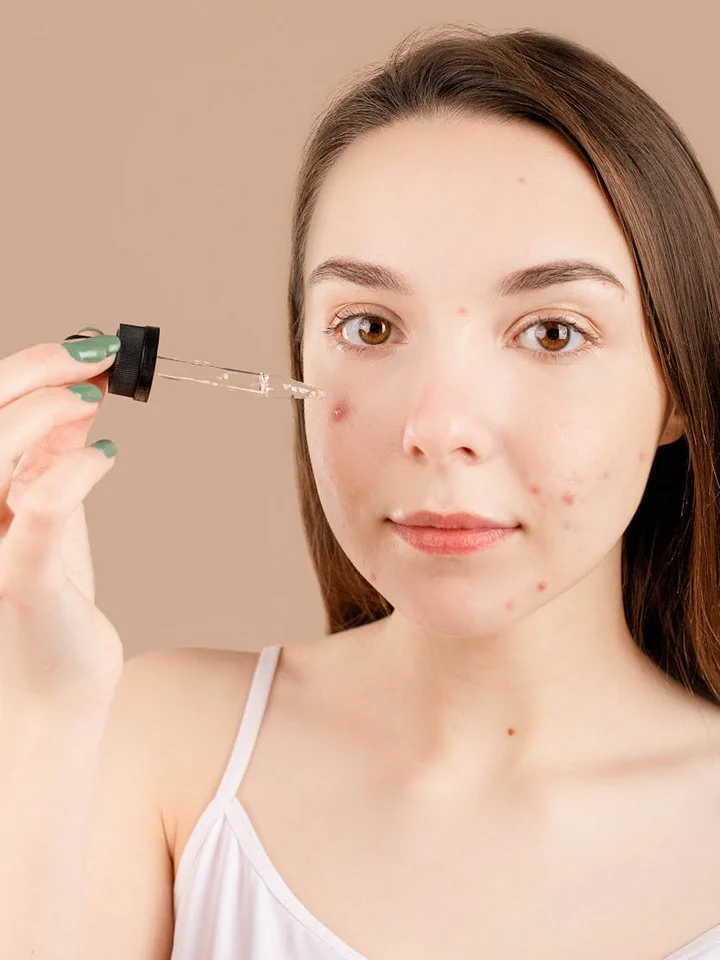
Sometimes, a breakout is more than just a reaction to a new moisturizer. Your skin might be trying to tell you something that requires a trained ear to hear.
If you’re experiencing deep, painful lumps under the skin (cystic acne), suspect a hormonal imbalance, or notice persistent redness and flushing that could be rosacea, it’s time to book an appointment with a dermatologist. These conditions involve internal triggers and inflammation that sit beneath the surface level where topicals can reach. I think of my client, Noah, who spent months trying to calm his “reactive” cheeks with gentle creams, only to learn from a dermatologist it was early-stage rosacea needing a specific treatment plan.
Your Gentle Routine Isn’t Cutting It
You’ve done everything “right”: you found a simple, non-comedogenic cleanser and moisturizer, you’ve been consistent for a solid three months, and you’re still dealing with new breakouts. This is a clear sign.
Persistent acne often has a driver-like hormones, genetics, or a compromised skin barrier-that needs targeted intervention. Continuing to cycle through over-the-counter products can lead to more frustration and skin sensitivity.
Get a Personalized Game Plan
A dermatologist or a licensed esthetician can look at your unique skin story. They connect the dots between what’s happening on your face and what might be happening inside your body or in your environment.
- A dermatologist can order tests (like for hormonal levels) and prescribe medical-grade treatments.
- A licensed esthetician can analyze your skin under a magnifying lamp, assess your current routine, and recommend professional treatments or specific ingredient cocktails you’d never piece together alone.
This personalized guidance is priceless. For my client Maya, her oily, acne-prone skin finally cleared when her esthetician identified that she needed a specific type of beta-hydroxy acid (BHA) rather than the drying treatments she was using.
The Power of Prescription Strength
There’s a reason these treatments require a prescription. They work on the root causes of acne in ways store-bought products cannot.
Topical retinoids, for example, speed up cell turnover to prevent pores from getting clogged in the first place. Oral medications can address hormonal fluctuations or reduce oil production at the source.
These are powerful tools that come with specific instructions and potential side effects, like dryness or purging, which a professional can help you manage safely. They are a partnership between you and your clinician, not a one-size-fits-all solution you grab off a shelf.
If your skin’s behavior feels confusing or stubborn, consider that your next best step isn’t a new product, but a conversation with a pro. It’s the most direct path to getting answers and a plan that actually works for you.
Your ‘Non-Comedogenic’ Questions, Answered
How should I choose products if I have acne-prone skin?
Look beyond the “non-comedogenic” label and prioritize simple, fragrance-free formulas with known gentle ingredients. Your most reliable tool is a consistent patch-testing protocol to observe your skin’s unique reaction.
Is a ‘non-comedogenic’ product always safe for sensitive skin?
No, this claim does not address a product’s potential for irritation. Sensitive skin should specifically seek out formulas free from common irritants like denatured alcohol, strong essential oils, and certain surfactants.
What’s the most reliable way to know if a product will break me out?
The only definitive method is to patch test it on a small area of your jaw or neck for two weeks. This personal trial is more valuable than any label, as it accounts for your individual skin chemistry and sensitivities.
Your Skin, Beyond the Label
‘Non-comedogenic’ is a useful clue, not a universal rule for clear skin. Trusting how your skin feels and responds is far more reliable than any single claim on a bottle.
- Conduct a patch test behind your ear or on your jawline for a week before using any new product all over.
- Build your routine around proven, gentle ingredients for your skin type, like zinc for oil control or squalane for dryness.
- Support brands that are transparent about their cruelty-free and eco-conscious practices.
- When in doubt, simplify your routine to a gentle cleanser, moisturizer, and sunscreen to let your skin barrier reset.
This journey is about learning what works for you, not chasing perfect labels. We’re here to guide you with real, evidence-based advice-keep exploring our blog for more, and always feel welcome to share your skin stories with us.
Related Guides and Information
- Myth Buster: Comedogenic and Non-Comedogenic Products – The Dose
- Noncomedogenic: What It Means, Ingredients, and Products
- Is Non-Comedogenic a No-Breakout Guarantee? – 100% PURE
- Here’s How to Tell if Your Skin-Care Products Are Actually Noncomedogenic | SELF
- What Does Non-Comedogenic vs Comedogenic Mean? – OneSkin
- 10 skin care habits that can worsen acne