
Non-Comedogenic Self-Tanners: Get a Glow Without Clogging Pores
I hear you if you love the idea of a sun-kissed look but panic at the thought of a new breakout. Let’s find self-tanners that color your skin, not clog it.
By the end of this guide, you’ll be empowered to:
- Decode ingredient labels to spot pore-cloggers, so you can shop confidently and avoid comedogenic formulas.
- Master a gentle application routine that prevents streaks and irritation, especially for sensitive skin like Noah’s.
- Select the right product texture-from lightweight mousses to hydrating lotions-for your unique skin type and concerns.
Your perfect, pore-friendly tan is absolutely within reach.
What “Non-Comedogenic” Really Means on a Self-Tanner Label
Seeing “non-comedogenic” on a bottle feels like a safety promise. I get it. But in the world of cosmetics, this term is not strictly regulated by authorities like the FDA. Any brand can use it. It’s a marketing term, not a scientific guarantee that a product won’t clog your pores, even if it contains ingredients with comedogenic ratings.
Comedogenic simply means “pore-clogging.” Imagine your pore is a narrow straw. A comedogenic ingredient is like pouring thick, sticky syrup down that straw. It’s more likely to get stuck, mix with dead skin cells and oil, and form a plug (a comedone), which can turn into a blackhead or feed the bacteria that cause pimples.
To find a truly pore-friendly tanner, we need to look past the label claim and become ingredient detectives. Let’s start with the star of the show: Dihydroxyacetone, or DHA. This is the sugar-based molecule that reacts with amino acids in your skin’s surface to create that sunless tan.
To judge any self-tanner, you need to examine the DHA and every other ingredient in the formula. A “non-comedogenic” DHA stuck in a heavy, occlusive base is like putting a breathable fabric through a layer of plastic wrap. The final formula is what sits on your skin, so it’s important to test the comedogenicity of skincare products before use.
Molecule Spec Sheet: Dihydroxyacetone (DHA)
Think of this as DHA’s ID card. It helps us understand its basic behavior on skin.
The pH is excellent news. DHA works best at a mildly acidic pH (around 4-5), which aligns perfectly with your skin’s natural acid mantle. Maintaining that balance supports the skin’s acid mantle and barrier function. A stable pH helps moisture retention and defends against irritants, reinforcing the barrier.
Concentration relates to color depth, not clogging. A 1% DHA lotion will give a light glow, while a 10% mousse aims for a deeper tan. Higher percentage doesn’t mean more pore-clogging risk; the other ingredients in the carrier base determine that.
Its water solubility is generally a good sign. Water-soluble ingredients tend to feel lighter and rinse off more easily than oil-soluble ones, which is why many rinse-off tanners or lightweight serums use DHA effectively.
While DHA is considered safe for topical use on intact skin, it is a reactive agent. Performing a patch test on a small area of your inner arm is non-negotiable, especially if you have reactive or sensitive skin like Noah. This checks for any unexpected irritation or allergy to the full formula.
How to Spot a Pore-Friendly Formula: The Ingredient Detective Kit
This is where you become the expert on your own skin. You don’t need a chemistry degree, just a willingness to glance at the ingredient list (the INCI list) on the back of the bottle.
First, let’s look for common culprits. These are ingredients that, while fine for many, have a higher potential to clog pores or feel suffocating on acne-prone skin types like Maya’s.
- Certain Oils: Coconut oil (especially virgin), cocoa butter, and wheat germ oil are often highly comedogenic. They are rich and occlusive.
- Some Silicones: Look for ingredients ending in “-cone” or “-siloxane.” Not all are bad, but heavier ones like dimethicone high in the list can create a sealing film that traps debris.
- Heavy Butters & Waxes: Shea butter, while great for very dry skin, can be too much for the face if you’re prone to congestion. Petrolatum (mineral oil jelly) is a major occlusive.
Now, let’s look for the good guys. These are ingredients typically well-tolerated that support hydration without a heavy feel.
- Lightweight Hydrators: Hyaluronic acid, glycerin, and aloe vera gel. They pull water into the skin without leaving a greasy residue.
- Lightweight Plant Oils: Squalane (not squalene), jojoba oil, and hemp seed oil. These mimic your skin’s natural sebum and absorb beautifully.
The product’s texture is a huge clue. Here’s a quick comparison:
- Mousse: Whipped and airy, like shaving foam. Often dries down quickly and can feel lighter than lotions. A good option for oily or combination skin (like Lina’s T-zone).
- Lotion: A classic cream. Can vary from lightweight to rich. Check the ingredient list for the heaviness indicators above.
- Serum or Drops: These are usually the lightest. You mix a few drops with your existing, trusted moisturizer. This gives you maximum control over the final texture on your skin.
When checking if a popular brand like Bondi Sands or Loving Tan is non-comedogenic for you, you’re really checking for these specific ingredients and the formula type. A “dark mousse” from one brand might be lightweight, while another’s “daily lotion” could be packed with butters. Your skin’s verdict is the only one that matters, even when compared to non-comedogenic moisturizers from other brands.
The Best Self-Tanner Formulas for Your Face (Without the Breakouts)
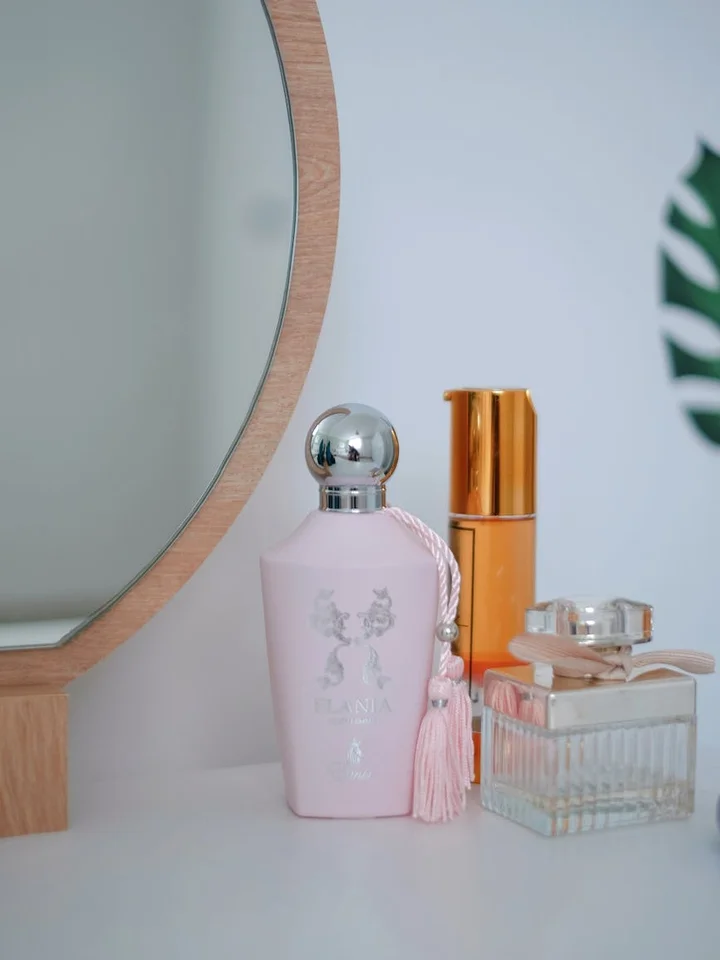
If you’re searching for a “non comedogenic self tanner for face,” you’re on the right track. The goal is to find a formula that delivers color without leaving behind a sticky, pore-clogging residue. Your facial skin is thinner and has more oil glands than the rest of your body, so it needs a different approach, especially compared to regular non-comedogenic makeup for oily skin.
Always choose a product formulated specifically for the face over a body tanner. Facial formulas are designed with lighter textures and ingredients that play nicer with the delicate skin and pores on your cheeks, forehead, and nose.
Why Serums and Drops Are a Game-Changer
In my practice, I often point clients like Lina toward tanning serums or drops, such as those from Tan Luxe or Tanologist. These are my top pick for most people because they give you complete control. You mix a few drops into your own trusted, non-comedogenic moisturizer. This way, you’re not introducing a whole new product full of unknown ingredients; you’re simply adding color to a skincare step you already know and love.
Think of it like adding a shot of espresso to your morning oat milk. You get the boost you want without changing your reliable base.
A Simple, Safe Facial Tanning Routine
Follow these steps to apply your serum or drops without drama:
- Cleanse your face thoroughly to remove any oil or debris.
- Use an alcohol-free toner if that’s part of your routine, to ensure an even canvas.
- Pour your usual amount of moisturizer into your palm. Add 2-3 drops of tanning serum and mix them together well.
- Apply the mixture to your face and neck using gentle, upward strokes.
- Immediately wash your hands with soap and water to avoid orange palms.
For those with ultra-sensitive or very oily skin, a tanning powder can be a brilliant zero-residue option. Products like the Summer Fridays ShadeDrops Bronzing Powder work like a bronzer but build a gradual tan over days. They sit on top of the skin without any risk of seeping into and clogging pores.
Glowing Body Care: Choosing a Non-Comedogenic Self-Tanner for Your Torso & Limbs
Looking for the “best non comedogenic self tanner for body”? While your back and chest are tougher than your face, they are still prime territory for clogged pores and body acne (often called bacne). The wrong formula can definitely contribute to those annoying, hard-to-reach bumps.
Body skin can absolutely get clogged pores, especially on the chest, shoulders, and back where oil glands are active. The key is to look for formulas that absorb completely and don’t leave a heavy, occlusive film behind.
Lightweight Textures Are Your Friend
Skip the thick, creamy body butters marketed as tanners. Instead, seek out lightweight milks, clear gels, or fast-drying mousses. These textures are engineered to evaporate or sink in quickly, minimizing the time a potentially pore-clogging film sits on your skin. A fast-dry mousse, for instance, acts like a temporary stain that develops after you’ve already rinsed the guide color off.
The Critical Detail: Can You Wash It Off?
This is a subtle but important point. Some “gradual” tanning lotions are meant to be left on like a daily moisturizer. These often contain more emollients and hydrators that can sit on the skin. For acne-prone body areas, I prefer formulas where you apply the product, let it develop for a few hours, and then shower to wash the formula itself completely off your skin. All that remains is the developed color, not the lotion base.
I think of my client Noah, who has dry but very reactive skin on his torso. He found that a long-wear mousse was too much for his skin, leading to small, itchy bumps. He switched to a gentle, gradual tanning lotion that he applies after his evening shower and rinses off in the morning, which gives him a natural glow without the irritation. It’s a perfect example of matching the formula’s behavior to your skin’s needs.
Your Foolproof Pre-Tan Prep and Application Plan
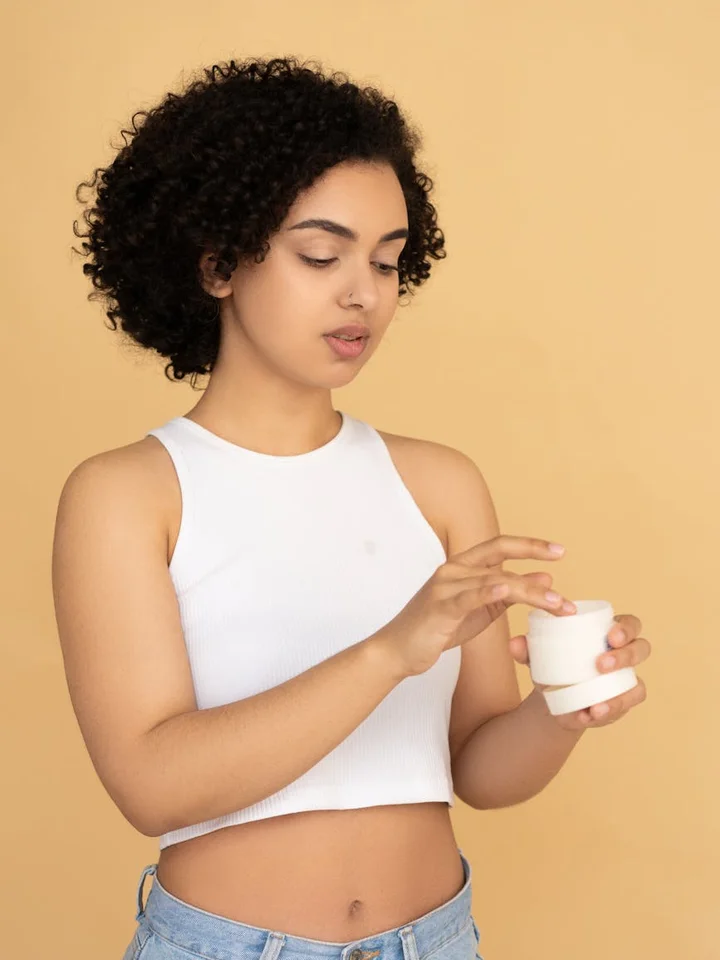
Getting a glow without the clog comes down to one thing: meticulous preparation. Think of your skin as a canvas. A smooth, clean, and primed canvas gives you an even, streak-free result. A bumpy or oily canvas leads to a patchy mess and potential breakouts.
This step-by-step plan is what I walk my clients through for flawless, pore-friendly application.
- Exfoliate (The Right Way)
Do this 12-24 hours before you plan to tan. Your goal is to remove dead skin cells that can grab too much color and create a patchy look. Avoid harsh physical scrubs, especially on your face. They can cause micro-tears that let tanner settle into pores.
Use a gentle chemical exfoliant with AHAs (like glycolic or lactic acid) or a soft washcloth. For the body, a light lotion-based scrub or an exfoliating mitt works. My client Maya (oily, acne-prone) uses a salicylic acid body wash in the shower for her back and shoulders to keep pores clear.
- Prime Your Skin
Right before application, take a shower to cleanse away any residue. Shave if needed. Pat your skin completely dry.
Now, apply a tiny amount of a lightweight, oil-free moisturizer only to very dry areas: elbows, knees, ankles, wrists. This acts as a barrier so those spots don’t grab too much color and turn orange. For everywhere else, aim for clean, bare skin.
- Choose Your Tools: Mitts Win
Always, always use a tanning mitt for your body. It gives a smoother application than hands and prevents the tanner from staining your palms and getting under your nails. For your face, use a dedicated makeup sponge or a small, dense brush for precision.
- Apply in Sections & Blend
Work on one limb or body section at a time. Apply the product in long, sweeping motions, then immediately use circular motions to buff and blend it in thoroughly. Pay extra attention to blending around ankles, wrists, and hairline. Any unblended streaks can look like clogged pores later.
- The Non-Negotiable Patch Test
Before you put any new product all over your face or body, you must test it. Apply a dime-sized amount behind your ear or on your inner forearm. Wait a full 24 to 48 hours.
This is your only way to check for immediate redness, itching, or a cluster of small bumps that signal irritation or a pore-clogging reaction. My client Noah (dry, reactive) never skips this. It saved him from a full-face reaction to a “natural” tanner that didn’t agree with him.
- Layer Smartly With Your Skincare
Self-tanner is the last step in your skincare routine before moisturizer. Apply your serum(s) as usual and let them absorb fully. Then, apply your self-tanner. You can either let it dry completely and then apply your moisturizer, or for a lighter glow, mix a drop of tanner with your moisturizer and apply them together. This dilutes the formula and can be gentler for sensitive skin.
Contraindications & Safety Warnings: When to Press Pause
Self-tanning is generally safe, but it is a cosmetic active that sits on your skin. There are specific times when applying it is a bad idea and can lead to irritation or breakouts.
Do not apply self-tanner if you have:
- Active, Inflamed Acne: The tanner can darken and emphasize red, angry pimples, making them look worse. More importantly, applying anything to broken skin can trap bacteria and worsen inflammation.
- A Severely Damaged Skin Barrier: If your skin is stinging, tight, flaky, or reactive from over-exfoliation or a strong treatment, it’s vulnerable. Self-tanner can cause further irritation and penetrate unevenly.
- Sunburn, Cuts, or Broken Skin: This is an open door for irritation. The tanner will also develop much darker on damaged skin, leading to uneven spots.
- Freshly Waxed or Shaved Skin: Wait at least 24 hours after hair removal. Your pores are temporarily open and more susceptible to clogging and irritation from the formula.
A Special Note on Pregnancy and Hormonal Changes
DHA, the main tanning ingredient, is not known to be harmful when used topically during pregnancy. However, your skin can become more sensitive and reactive due to hormonal shifts. A product that worked before might suddenly cause a rash or bumps. If you are pregnant or nursing, it’s wise to do an extended patch test and consult with your doctor before widespread use.
What to Do If You Get Pimples After Self-Tanner
If you wake up to a few new bumps, don’t panic. It’s likely a minor clog or irritation.
- Stop using the tanner immediately.
- Cleanse gently with a mild, non-drying face or body wash. Do not scrub.
- Apply a calming, fragrance-free moisturizer to support your barrier.
- For individual whiteheads, a hydrocolloid patch can help draw out fluid without picking.
- Stick to a simple, soothing routine until the bumps clear. This is not the time to add acids or retinoids.
If you experience widespread redness, itching, or a rash, wash the area thoroughly and discontinue use. For severe or persistent reactions, please see a dermatologist.
Decoding Popular Brands: A Quick Reality Check
You’ve probably searched “is [Brand X] non-comedogenic?” I hear these questions from clients like Lina all the time. The honest answer is that no brand can guarantee its product won’t clog your unique pores. Brands assess non-comedogenic formulations through ingredient-science testing and real-world wear, not marketing labels. Understanding that process helps you interpret claims more accurately. Instead of a simple yes or no, let’s apply our ingredient-savvy framework to some popular names so you can become your own best judge.
How to Assess Any Self-Tanner
When you look up a product, ask these three questions:
- What is the base formula? (e.g., mousse, lotion, serum, water-gel).
- What are the key functional ingredients? Look for the emollients, thickeners, and DHA carriers.
- Does this match what I know about my skin? Compare it to your known triggers.
Let’s practice with the brands you’re curious about.
b.tan
b.tan is famous for its deep, fast color and often uses butter- and oil-rich formulas for a smooth application. For my client Noah with dry skin, these richer bases can be wonderfully hydrating. If you are prone to congestion like Maya, a butter-based mousse might be too occlusive for your face, but could work well on your body. Check for coconut oil or shea butter high on the list.
Banana Boat
Many Banana Boat tanners are traditional lotions or sprays designed for body use. These lotions often rely on thicker emollients to prevent streaking. To see if a Banana Boat product is non-comedogenic for you, look at the formula type and cross-reference the ingredient list with your known triggers. A body lotion with heavy silicones might be fine on your legs but risky on your chest or back.
Bondi Sands & Loving Tan
These Australian brands offer a range, from foaming mousses to newer serum formats. Their original mousses often use hydrating but potentially comedogenic ingredients like walnut oil or cocoa butter. The more recent serum or water-gel options from these brands are typically lighter and a smarter first choice for the face and acne-prone zones.
Summer Fridays, Tan Luxe, & Tanologist
This group represents the “skincare-first” approach. Summer Fridays’ Shimmer Drops and Tan Luxe’s The Face are hybrid serum-tanners. Tanologist focuses on clear, water-like formulas. These brands frequently skip heavy oils and butters, using hyaluronic acid or glycerin instead, making them generally lower-risk for clogging pores. They are the type I recommend for a cautious first face trial.
Ultra Violette & Vaca
Ultra Violette is primarily a sunscreen brand with tan-enhancing products, leaning on sleek, cosmetic textures. Vaca’s formulas are often coconut-oil based, which is a known comedogenic for many. This is a perfect example of why ingredient awareness is key: two popular brands, with vastly different base ingredient philosophies. Your skin’s reaction to coconut oil will dictate your choice here.
Your Skin is The Final Judge
Even a product hailed as “non-comedogenic” or “dermatologist-tested” can cause issues for someone. I once saw a client break out from a famous “clean” brand because her skin reacted to a specific fruit oil. Individual skin is the final judge, even with generally “safe” brands. A patch test on a small area of your jawline or chest is the only way to know for sure.
You now have the tools to look beyond the marketing and decode a label. Empowerment comes from understanding that you can choose wisely by knowing your skin and reading the ingredients, not just the brand name.
Your Quick Questions on Pore-Friendly Self-Tanning, Answered
Why might a product labeled “non-comedogenic” still clog my pores?
The term isn’t regulated, so it’s a starting point, not a guarantee. The full ingredient formula, not just the DHA, determines how it interacts with your unique skin.
Can I use a “body” tanner on my face if I’m careful?
We don’t recommend it, as body formulas are often richer and more occlusive. For your face, always opt for a product specifically engineered for facial skin or use versatile tanning drops you can mix with your trusted moisturizer.
What’s the fastest way to check if a tanner will work for my acne-prone skin?
First, scan the ingredient list for common pore-cloggers like coconut oil or heavy butters. Then, perform a 24-hour patch test on a small area of your jaw or chest-this is the only true way to see how your skin will react.
Your Sun-Kissed Skin, Without the Clogged Pores
Finding a self-tanner that gives you color without causing breakouts comes down to one non-negotiable habit: reading ingredient labels as carefully as you read your favorite novel. Your safest bet is a formula explicitly labeled “non-comedogenic” and built with lightweight, skin-respecting ingredients like DHA and erythrulose. Pair this with a consistent patch test on a small area of your jawline or inner arm before any full-face or body application. That same meticulous care extends to your daily skincare routine. Look for non comedogenic skin creams that hydrate without clogging pores.
- Prioritize gel, water-based, or oil-free lotions over heavy creams or mists if your skin is oily or acne-prone.
- Gently exfoliate with a soft cloth or a mild chemical exfoliant 24 hours before tanning to create a smooth, even canvas.
- Apply your tanner to perfectly clean, dry skin and wash your hands immediately after to avoid stained palms.
- Maintain your glow and skin barrier by moisturizing daily with a simple, non-comedogenic lotion.
- Remember that self-tanner offers zero sun protection, so your daily sunscreen remains an absolute must.
Navigating the world of self-care should feel empowering, not confusing. I’m always sharing more guidance like this on the LuciDerma blog. If you’re ever unsure about a product or have a specific skin concern, your questions are what help me create the most useful content for everyone.
Expert Resources and Citations
- Noncomedogenic Tanners | Sephora
- Face Tan | Bondi Sands USA – Bondi Sands USA
- Tanceuticals CC Self Tanning Face Lotion, Light
- r/MakeupAddiction on Reddit: Found a Non Comedogenic Face Self Tanner! (+ Cerave acne user warning + non comedogenic makeup recs)
Lucy Zimmerman
Lucy is an expert author and blogger when it comes to skin care and body care. She has first hand expertise acting as skin care consultant for over 5+ years helping her clients achieve smooth blemish free skin with natural and working remedies. She also has been an avid experimenter and tried out all the natural and artificial remedies and treatments so you can learn from her first hand experience. Additionally, she has traveled to many countries around the world and incorporated the skin care routines she has learnt into this blog. So, wait no more, reach out to Lucy if you have any specific needs and follow her blog, LuciDerma for expert skin care advice.