
Retinol for Scars and Stretch Marks: Your Practical Guide to Smoother Skin
If you’re hoping retinol can soften the look of scars or stretch marks, I get it. As an esthetician, I help clients navigate this exact hope every week.
This guide will give you clear, actionable answers so you can move forward confidently.
- See how retinol actually works on skin texture, explained without confusing jargon.
- Learn the real difference between using retinol for scars versus stretch marks.
- Build a safe, effective routine that fits your specific skin type and concerns.
You have the power to make informed choices for your skin’s story.
Scars vs. Stretch Marks: How Your Skin “Remembers”
Your skin has a memory, but it’s not always a perfect one. When it heals from significant damage, it leaves a visible record. Scars and stretch marks are both types of these records, but they form for very different reasons.
A scar is your skin’s emergency repair job after an injury that cuts through the top layer (epidermis) into the dermis. Think of a deep acne cyst, a surgery incision, or a bad scrape. The body quickly patches the area with collagen fibers. This patch is functional, but it’s often texturally different-thicker, thinner, or tighter-and lacks the original skin’s pigment and hair follicles, making it stand out.
A stretch mark, medically called a striae, starts deeper. It’s not from a cut, but from the skin stretching faster than it can keep up with, like during growth spurts, pregnancy, or rapid muscle gain. This tension causes tiny tears in the dermis. As these tears heal, they leave behind linear marks. Imagine your skin’s support structure is like a bundle of elastic bands; stretch marks happen when those bands are stretched so far they lose their snap and develop fine tears.
The color tells you the story of time. Newer scars and stretch marks are often red, purple, or dark brown because of inflammation and blood vessels. Older, mature ones fade to white or silvery shades as the inflammation settles. This color change is your biggest clue about treatment potential; newer, pigmented marks are often more responsive to topical ingredients like retinol than older, white ones. If you’re searching for ‘retinol stretch marks before and after’, know that results on mature, silver marks will be subtle, focusing more on texture than color elimination, and require consistent use for 3-6 months to see a difference.
Retinol Unpacked: The Skin Cell Reboot
Retinol is a form of Vitamin A your skin cells can use. I don’t call it a miracle; I call it a skilled project manager. It communicates with your skin cells, encouraging them to behave in a healthier, more youthful way.
It works through three core actions that directly address the flaws in scarred and stretched skin:
- It speeds up cell turnover. This helps slough off dull, pigmented surface cells that can make scars look darker, gradually revealing fresher skin underneath.
- It boosts collagen production. This is the key for both textured acne scars and stretch marks. By signaling your fibroblasts (your skin’s collagen factories) to get to work, it can help plump up depressed scars and improve the thin, crepey texture of stretch marks over time.
- It helps even out pigment. It can interfere with the overproduction of melanin that causes post-inflammatory hyperpigmentation, those dark spots left behind after a pimple heals.
I think of my client, Noah. He had a cluster of textured, slightly indented scars on his cheek from teenage acne. He started with a low concentration retinol serum twice a week, paired with a barrier repair moisturizer. After about four months, he noted the scars felt smoother to the touch and the skin around them looked more unified, less “patchy.” The scars didn’t vanish, but their appearance softened significantly, which was his realistic goal. It’s important to understand that even tretinoin treatments for acne scars and hyperpigmentation have their limits in completely erasing scars.
This leads to a common question: does retinol help with acne scars and smile lines the same way? Essentially, yes. Both concerns involve a loss of collagen support. Retinol helps rebuild that foundational network. For a depressed acne scar, it can help fill it in from the bottom up. For a fine line, it plumps the skin from within to smooth it out.
| pH | Stable in formulations around pH 4.5-6.5 |
| Typical OTC Concentration | 0.01% to 1% (start low, go slow) |
| Solubility | Fat-soluble (often in oily serums or encapsulated) |
| Safety Profile | Generally safe for topical use; NOT for pregnancy/nursing. Causes sensitivity to sunlight. |
Always patch test a new retinol product and consult your doctor or dermatologist before starting if you are pregnant, nursing, or have specific health concerns. Sunscreen is non-negotiable every morning when using retinol, as it makes your skin more susceptible to sun damage. It’s also important to consider the right age to start using retinol and the necessary precautions.
A Practical Guide to Using Retinol on Marks

Think of retinol like a new, very effective coworker. You need to onboard them slowly so everyone gets along. Rushing leads to chaos, in this case, redness and peeling. This guide is your training manual.
First, always do a patch test. Apply a small amount behind your ear or on your inner arm for a few nights. If you see no reaction after 72 hours, you can proceed to your face or body.
For Facial Scars (Like Acne or Minor Injury Scars)
Your nighttime routine is where retinol works best. Follow these steps after cleansing your face.
- Start with dry skin. Damp skin can increase irritation.
- Take a pea-sized amount for your entire face. This is not a “more is better” ingredient.
- Dot it on your forehead, cheeks, chin, and nose, then gently smooth it over your skin, avoiding the immediate eye area and lips.
- Wait 15-20 minutes for it to fully absorb.
- Apply your moisturizer. This step, known as buffering, helps soothe skin and reduce potential irritation.
For Body Stretch Marks
The skin on your body is thicker but can also be drier. The approach is similar but with a focus on formulation.
Body-specific retinol products are often richer creams, which helps deliver the ingredient while combating dryness on areas like the stomach or thighs. After showering and patting your skin dry, massage a generous layer onto the areas with marks. Follow with a plain moisturizer if needed, especially if you have skin like Noah’s that tends to be dry and reactive.
A critical note: using retinol makes your skin more sensitive to the sun. Applying a broad-spectrum SPF 30 or higher every single morning is non-negotiable, rain or shine, or you risk undoing all your progress and causing more damage. There’s a common myth that retinol alone is enough protection. The reality is that retinol plus sunscreen is what truly keeps you protected and on track.
Frequently Asked Questions
Can I put retinol on old stretch marks? Yes, you can. It may help improve the texture and color over consistent, long-term use. However, manage your expectations. While it can make a visible difference, it is unlikely to make old, white, indented stretch marks completely disappear. Improvement, not perfection, is the goal.
How do dermatologists recommend using retinol? Many recommend the “sandwich method” for sensitive skin. Apply a thin layer of moisturizer first, then your retinol, then another layer of moisturizer. This buffers the retinol gently, minimizing irritation while still letting it work.
Your Weekly Retinol Integration Plan
Patience is your most important product. Here is a sample schedule to build tolerance over four weeks.
- Weeks 1 & 2: Use retinol once, maybe on a Wednesday night. Observe how your skin reacts over the next 48 hours.
- Week 3: If your skin feels fine, try using it twice a week, with at least two nights off in between (e.g., Monday and Thursday).
- Week 4: You can move to every other night if your skin is tolerating it well without dryness or stinging.
Watch for purging versus irritation. Purging, where existing clogged pores surface as small pimples, usually subsides in a few weeks. True irritation-redness, burning, raw skin, or severe flaking-means you need to pull back and repair your barrier.
Pair your retinol with soothing partners. Look for moisturizers containing ceramides to support your skin barrier, or centella asiatica to calm any redness. My client Lina finds this combination keeps her sensitive cheeks happy while her T-zone gets the retinol benefits.
How Retinol Stacks Up Against Other Treatments
Retinol is a powerful player, but it’s not the only one on the team. Here’s how it compares to other common at-home approaches for scars and marks.
| Treatment | Best For | Key Consideration |
|---|---|---|
| Retinol | Improving texture and tone over time. Works at a cellular level to remodel skin. | Requires consistency and sun protection. Can cause initial irritation. |
| Vitamin C Serums | Brightening dark post-inflammatory marks (hyperpigmentation) and protecting skin. | Great for morning use. Works on surface-level discoloration rather than texture. |
| Bio-Oil or Silicone Gels | Hydrating newer scars and stretch marks, potentially improving pliability. | Often gentler. Their primary mode of action is occlusion and hydration. |
Which is better for scars, hyaluronic acid or retinol? This isn’t a rivalry, it’s a partnership. Hyaluronic acid is a hydration superstar that plumps skin, which can make scars look less indented. Retinol remodels the skin’s structure. Using a hydrating serum with hyaluronic acid followed by your moisturizer and retinol is an excellent strategy for tackling scars from multiple angles.
Retinol vs. Chemical Exfoliants (AHAs/BHAs)
Chemical exfoliants like glycolic acid (AHA) or salicylic acid (BHA) work on the surface, dissolving the “glue” between dead skin cells. Retinol works deeper, encouraging skin cell renewal from within. You can use both, but not at the same time of day. A cautious approach is to use your AHA or BHA in the morning (with sunscreen) and retinol at night, or to use them on alternating nights. This layered exfoliation can be very effective for textured scars.
This synergy is also why some find retinol helps with milia, those tiny, hard white bumps. By accelerating cell turnover, it helps prevent the trapped keratin that causes them, especially when paired with gentle surface exfoliation.
Retinol vs. Professional Procedures (Lasers, Microneedling)
This is where we set realistic expectations. Professional procedures are like power tools for significant resurfacing and remodeling. Retinol is your daily, at-home maintenance tool. Think of retinol as the foundational prep and follow-up care that makes professional treatments more effective and lasting, not a replacement for them. Many dermatologists have patients use retinol for weeks before a laser session to prime the skin and for weeks after to support healing and collagen production.
A critical warning: never combine retinol with at-home derma rolling or microneedling. This practice dramatically increases your risk of severe irritation, infection, and permanent damage by driving active ingredients too deep into the skin. This type of needling should only be performed by a licensed professional in a sterile setting.
Contraindications & Safety Warnings: When to Press Pause
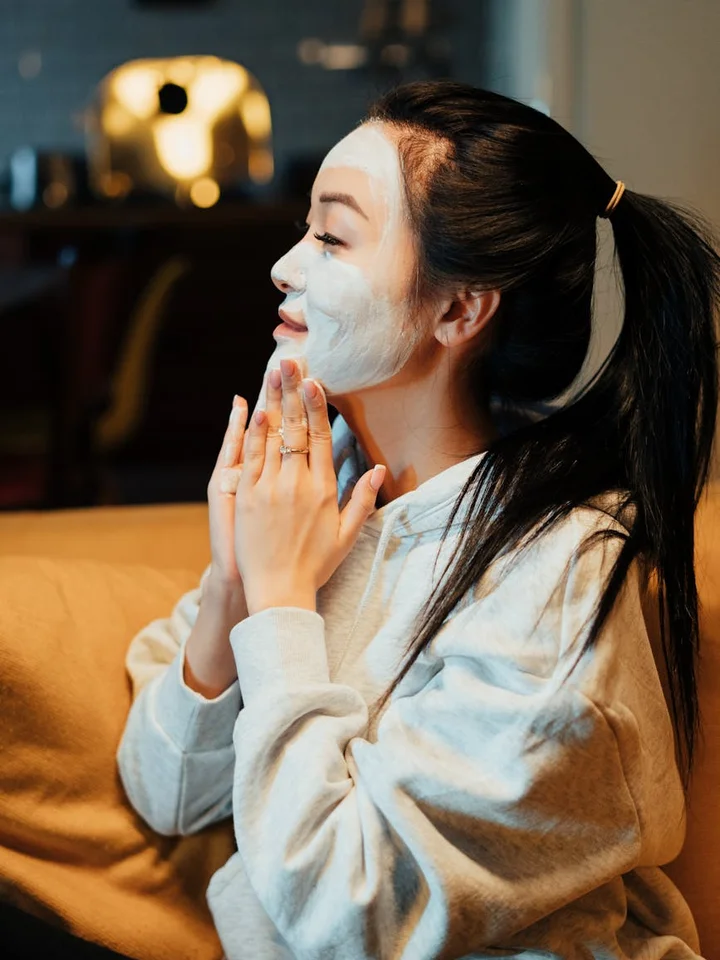
Retinol is powerful, which is why we treat it with respect. Using it when your skin is vulnerable can backfire, setting your progress back weeks. Think of it like trying to do physical therapy on a sprained ankle. Here are the non-negotiable times to skip your retinol serum.
Scenarios Where Retinol is a Hard “No”
Your skin barrier is your first line of defense. Applying retinol when it’s compromised is asking for trouble. Avoid it completely if you fall into any of these categories. To support recovery, focus on barrier repair first. Consider a layer retinoids barrier repair approach to safely reintroduce actives when the skin is ready.
- Pregnancy, breastfeeding, or trying to conceive. This is the most critical rule. Retinoids can cause birth defects. Switch to a pregnancy-safe alternative like bakuchiol or azelaic acid and consult your doctor.
- You have a visibly compromised skin barrier. This means skin that feels tight, burns with most products, is flaky, or looks red and raw. My client Noah has dry, reactive skin, and we always pause retinol if his barrier shows these signs. Focus on repair with ceramides and cholesterol first.
- You have active wounds, sunburn, eczema, or dermatitis. Retinol will intensely irritate already inflamed or broken skin. Let these areas heal completely before even considering reintroduction.
- You are about to undergo or are recovering from professional treatments. This includes chemical peels, laser hair removal, or microneedling. Your clinician will give you a timeline, but it’s often a minimum of one week before and after.
If your skin is in a state of crisis, retinol is not the crisis manager. It’s a long-term strategist for stable skin. For beginners with sensitive skin, choosing the right strength matters. That’s where the discussion on the best retinol percentage for beginners with sensitive skin starts.
Navigating the “Retinization” Period
When you first start retinol, your skin needs to adjust. This 2-6 week phase, called “retinization,” often involves some redness, dryness, and peeling. It’s like breaking in a new pair of shoes; a little discomfort is normal, but blisters mean they don’t fit.
How do you tell normal adjustment from a bad reaction? This table breaks it down.
| Normal Adjustment (“Retinization”) | Sign of a Bad Reaction |
|---|---|
| Mild dryness and flaking in areas you applied it. | Intense burning or stinging that lasts more than a few minutes. |
| Slight pinkness or redness that fades within a few hours. | Persistent, worsening redness, rash, or hive-like bumps. |
| Peeling that resembles a mild sunburn. | Swelling, extreme itchiness, or skin that feels hot to the touch. |
To ease the adjustment, start slow: apply a pea-sized amount twice a week, over your moisturizer, and always follow with sunscreen in the morning. If your symptoms match the “Bad Reaction” column, stop use immediately and focus on soothing your skin with bland, fragrance-free products.
When to Loop in Your Doctor or Dermatologist
While retinol is brilliant for general skin renewal and mild textural issues, some situations require professional guidance from the start. Understanding its properties and how it affects the skin can help set realistic expectations. Concentration and formulation shape the results you see.
- You have widespread, deep, or raised scarring (like keloids).
- Your stretch marks are severe, very recent (bright red or purple), or cover a large area.
- You have a diagnosed skin condition like rosacea or psoriasis and aren’t sure how retinol interacts with it.
- You’re using prescription medications for acne or other skin concerns.
A professional can assess if a prescription-strength retinoid (like tretinoin) is a better, more monitored option for your specific goals.
FAQ: Will Retinol Make My Stretch Marks Worse at First?
This is a common and valid fear. When you apply retinol to stretch marks, the increased cell turnover and blood flow to the area can cause temporary redness. This might make the marks look more pronounced or pinker for a few weeks.
This temporary redness is not the same as making the scar worse. It’s a sign the ingredient is working to remodel the skin underneath.
True “worsening” would involve significant irritation, spreading discoloration, or texture changes beyond the original mark’s border, which is rare with proper use. If you experience that, discontinue use. For most, like my client Lina who was cautious about using it on post-pregnancy marks, this initial flush faded as her skin adapted, gradually improving the mark’s appearance over months.
Your Retinol for Scars & Stretch Marks Questions, Answered
What’s the real consensus on retinol for stretch marks from communities like Reddit?
Community discussions often highlight that patience and consistency are key, with many users reporting visible textural softening after several months of dedicated use. As clinicians, we see this aligns with the evidence: retinol can improve appearance, but individual results vary based on the mark’s age and your skin’s unique response.
How do I choose an effective retinol product for these concerns?
Look for a product with a stable formulation and a concentration you can tolerate consistently, as long-term use is more important than short-term intensity. Prioritize pairing it with a rich moisturizer for body marks or a soothing one for facial scars to support your skin barrier throughout the process.
Is retinol more effective for acne scars or for stretch marks?
Retinol can be effective for both, as it primarily works by remodeling collagen to improve texture. However, its effect is often more noticeable on post-inflammatory acne scars and newer, pigmented stretch marks compared to older, silvery-white striae.
Your Skin’s Resilience Story
The most consistent path to improving the look of scars and stretch marks is a gentle, patient partnership with ingredients like retinol. I encourage my clients, like Noah who manages surgical scars, to think of it as a long-term investment in their skin’s texture and health, not an overnight fix.
- Start slowly with a low-concentration retinol formula to build tolerance.
- Pair it every single morning with a broad-spectrum sunscreen to protect new skin.
- Nourish your barrier nightly with a fragrance-free moisturizer.
- Measure progress in months, not weeks, and take photos to track subtle changes.
- Choose products from brands committed to ethical, cruelty-free science.
For more guidance tailored to your unique skin, I’m always sharing insights right here on the blog. Your journey with your skin is personal, and if you have questions as you move forward, I’m here to help you find safe, effective answers.
Deep Dive: Further Reading
- Stretch marks: Why they appear and how to get rid of them
- Does Retinol Help With Stretch Marks? – Exclusive Beauty Club
- Does tretinoin work for stretch marks?
- Topical tretinoin (retinoic acid) improves early stretch marks – PubMed
- Does Retinol Help Stretch Marks? Unveiling the Best Kept Secrets in Removal | Skin Wellness Dermatology
- 15 Stretch Mark Treatments That Dermatologists Recommend
- Amazon.com : Stretch Mark & Scar Treatment & Protection– Bio Retinol Face & Body Oil for Treating Scars, Stretchmarks & Uneven Skin Tone. Contains Bakuchiol, Essential Vitamins & Nourishing Oils – 1.0 Fl Oz : Beauty & Personal Care
- r/30PlusSkinCare on Reddit: Retinol on stretchmarks
- Striae Distensae (Stretch Marks) Medication: Retinoid-like Agents
Lucy Zimmerman
Lucy is an expert author and blogger when it comes to skin care and body care. She has first hand expertise acting as skin care consultant for over 5+ years helping her clients achieve smooth blemish free skin with natural and working remedies. She also has been an avid experimenter and tried out all the natural and artificial remedies and treatments so you can learn from her first hand experience. Additionally, she has traveled to many countries around the world and incorporated the skin care routines she has learnt into this blog. So, wait no more, reach out to Lucy if you have any specific needs and follow her blog, LuciDerma for expert skin care advice.