
Rhode Skincare for Acne-Prone Skin: A Non-Comedogenic Ingredient Guide
If you have acne-prone skin, picking new products often brings a wave of worry about clogged pores. I analyze ingredients for clients like Maya every day, so let’s demystify Rhode’s line together.
By the end of this article, you will:
- Understand the real science behind “non-comedogenic” labels and spot misleading claims.
- See a clear, ingredient-by-ingredient breakdown of Rhode’s popular products, noting which are safest for your pores.
- Feel empowered to build a simple, effective routine from Rhode that supports your skin without causing breakouts.
You have the tools to make informed choices for your skin’s health.
Let’s Define “Non-Comedogenic” for Real-World Skin
Think of a comedone as a traffic jam in your pore. A pore is like a tiny tunnel. Normally, skin cells that line this tunnel shed and travel out, carried by your skin’s natural oils (sebum). When too many skin cells stick together and mix with sebum, they create a plug. That plug is a comedone.
If the plug stays under the skin with a closed opening, it’s a whitehead. If the plug reaches the surface and air touches it (oxidizing it), it turns dark, and you get a blackhead. Both start from that same basic clog.
The term “non-comedogenic” on a label is a helpful intention, but it’s not a guaranteed seal of approval from your skin. In the US, it’s not a term tightly regulated by the FDA. A brand can test a product on a small panel of people and, if it doesn’t cause clogs for them, call it non-comedogenic. Your skin, however, might have a different opinion.
What matters more than the label are three real world factors: ingredient texture, its concentration in the formula, and your unique skin biology. A thick, waxy butter might be fine for Noah’s dry cheeks but could be a problem for Maya’s oily T-zone. The same ingredient, like squalane, might be perfectly fine in a watery serum but feel too rich for some in a dense cream.
Here’s my favorite analogy: a lightweight, water based gel is like a thin, fast absorbing layer of moisture that slips through the pore “tunnel” without much fuss. A heavy, unrefined oil is like a dense, slow moving blanket that can sit at the entrance, potentially encouraging those skin cells to stick around and party. Most modern formulas, like Rhode’s, aim for textures somewhere in the sensible middle.
How to Read Rhode’s Ingredient Lists Like a Pro
You don’t need a chemistry degree. You just need to know where to look. Ingredients are listed in descending order of concentration. The first five ingredients typically make up about 70-80% of what’s in the bottle, so focus your attention there first.
Across Rhode’s lineup, you’ll spot some friendly, familiar hydrators and emollients in those top spots:
- Glycerin: A superstar humectant that draws water into the skin. It’s light and generally non problematic.
- Squalane: A lipid that mimics your skin’s own sebum. It’s an excellent, lightweight moisturizer. For most, even those with acne prone skin, it’s well tolerated. My client Lina finds it perfect for her drier cheeks.
- Peptides: Chains of amino acids that support skin health. They are typically not pore clogging.
Some ingredients get a bad reputation but need context. Certain esters (like ethylhexyl palmitate) or heavier butters (like shea butter) can be flag ingredients for extremely clog prone skin. But their potential to clog depends heavily on how they’re formulated and what they’re combined with. A small amount of a rich butter in a well balanced rinse off cleanser is very different from it being the second ingredient in a leave on night cream.
Finally, don’t overlook pH, especially for a product like the Peptide Glazing Fluid. Your skin’s barrier thrives at a slightly acidic pH. A product formulated close to that natural pH (often between 4.5 and 5.5) helps maintain your skin’s balance, which can prevent irritation that sometimes leads to breakouts. It’s a subtle but smart piece of the formulation puzzle. In that range, the skin’s acid mantle and barrier work together to defend against irritants while maintaining moisture, helping your complexion stay calm and resilient.
Rhode Product Breakdown: The Acne-Prone Skin Verdict
Let’s get into the specifics. Think of this as a quick-reference guide you can scan before making a decision. Remember, “non-comedogenic” isn’t a regulated term, so we’re judging based on formulation, texture, and ingredient behavior.
Is Rhode Peptide Glazing Fluid Non-Comedogenic?
This is Rhode’s star product for a reason if you’re shine-prone. The texture is a very lightweight, water-based serum. It absorbs quickly, leaving a hydrated “glaze” without a sticky or oily finish. It feels like a thin layer of protective water on your skin.
The key ingredients here are smart for acne-prone skin. Peptides support skin repair without clogging, and niacinamide helps regulate oil and soothe redness. There are no heavy oils or waxes that typically sit in pores.
For my client Maya, who has oily, acne-prone skin, this fluid became her go-to hydrating layer because it never felt like it was adding to the congestion. If you have combination skin, it works beautifully all over. A clear recommendation for oily, combination, and acne-prone types looking for lightweight hydration.
Is Rhode Glazing Milk Non-Comedogenic?
The Glazing Milk is a step up in richness from the Fluid. It’s a light lotion that blends humectants (like glycerin) with light emollients (like squalane). It provides more substantial moisture than the serum but aims to avoid a greasy feel.
This is where your personal skin type really matters. If you have normal to dry cheeks but an oily T-zone, this could be a good option for your drier areas. If your entire face is very oily, this might feel like too much, especially in humid weather. A careful patch test on your cheek or jawline is wise.
Compared to the Peptide Glazing Fluid, the Milk gives a more traditional lotion feel-it has more “slip” and takes a moment longer to sink in. For someone like Noah, who has dry, reactive skin, this texture might be perfect. For Maya’s oily skin, it could be reserved for drier winter days.
Is Rhode Barrier Restore Cream Non-Comedogenic?
Let’s be perfectly honest: this is a rich cream. Its job is to repair a damaged skin barrier, which often requires richer, more occlusive ingredients. For acne-prone skin, this isn’t typically an all-over, daily product.
Think of it as a “sometimes” tool. It’s excellent for dry, flaky patches, areas you’ve over-exfoliated, or as a recovery mask on a night when your skin feels raw and sensitive. Using it all over your T-zone every day could potentially lead to clogging for some.
If you do use it, apply it as the last step in your routine and warm a small amount between your palms before gently pressing it onto the skin. This technique helps it sit on top of the skin as a protective blanket rather than smothering the pores. My client Lina, with combination skin, uses a dab only on her cheeks where she gets dry and reactive.
What About Rhode Lip Treatment & Barrier Butter?
This directly addresses the question, “is rhode barrier butter non comedogenic?” For your lips themselves, these products are generally safe and effective. Facial clogging from a lip product is rare but can happen if the formula migrates onto the skin around your mouth (the perioral area).
If you are someone who is prone to little bumps or breakouts around your lips, the butters and oils in these treatments could be a contributor. The safest bet if you’re acne-prone is to choose a lip product with a simpler, lighter formula and avoid applying it messily beyond your lip line. For most, the Rhode lip products won’t cause issues, but if you notice perioral breakouts, consider them a possible suspect.
Building a Non-Comedogenic Routine with Rhode (Or Without)
Based on our analysis, here’s how you might incorporate the safest Rhode bets into a simple, non-clogging routine for acne-prone skin.
Sample Morning Routine:
- Cleanser: Use a gentle, water-based cleanser.
- Tone/Treat: Apply any treatment toner or serum (like a salicylic acid or azelaic acid product) if prescribed.
- Hydrate: Apply a thin layer of Rhode Peptide Glazing Fluid to damp skin.
- Protect: Apply a gentle, non-comedogenic, mineral-based sunscreen. This step is non-negotiable every single morning.
Sample Evening Routine:
- Cleanse: Use your gentle cleanser again. If you wear makeup or sunscreen, consider a double cleanse.
- Treat: This is when you’d use a prescription retinoid or your chosen treatment. Wait for it to dry.
- Hydrate: Apply the Peptide Glazing Fluid again.
- Seal (if needed): On extra-dry areas only, or on nights you’re not using a strong treatment, you can press a tiny amount of Rhode Barrier Restore Cream onto cheeks or dry spots.
If your skin needs more active treatment, you can incorporate a salicylic acid cleanser a few times a week or a retinoid as directed. Always introduce one new treatment at a time and monitor your skin’s response-overloading your barrier can worsen breakouts. When in doubt, a simple routine of cleanse, treat (if needed), hydrate with a safe product, and protect with sunscreen is your most reliable path.
Top Formulas by Concentration: Your Gentle Alternatives
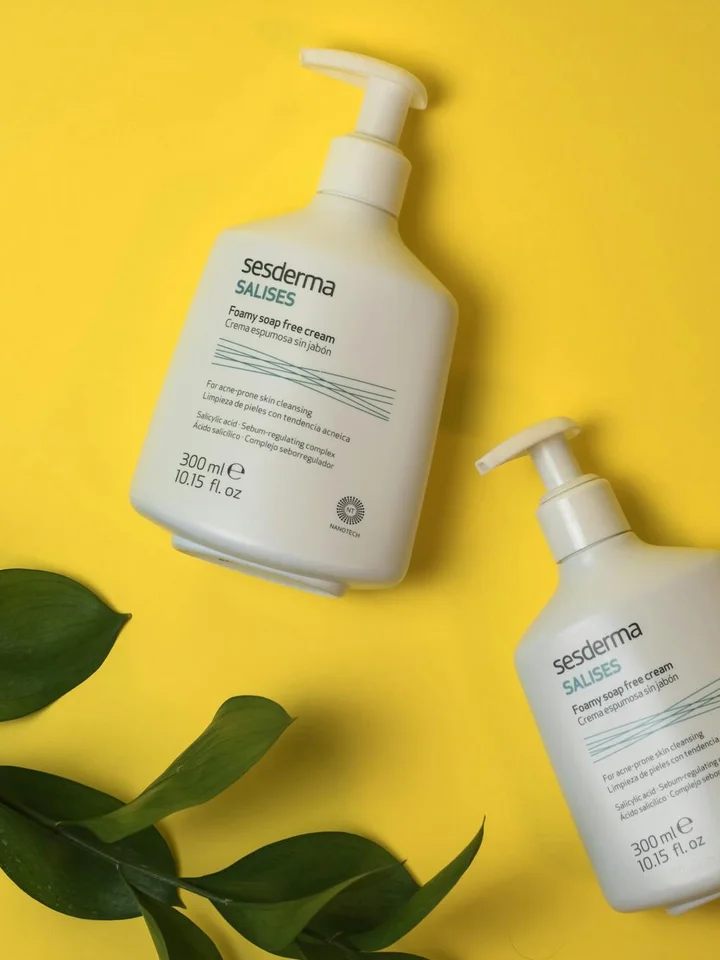
Think of your skin like a delicate ecosystem. Adding the right ingredients, at the right strength, keeps it balanced without causing a flare-up. For acne-prone skin, non-comedogenic formulas use specific concentrations that are effective yet gentle.
These are the hero ingredients I look for in any product for clients like Maya, who needs clarity without compromise. They’re also the building blocks you’ll find in thoughtfully formulated lines, including Rhode.
Hydration Heroes: Lightweight and Pore-Friendly
Acne-prone skin still needs hydration. The trick is using molecules that attract water without feeling heavy or slick. One such molecule is hyaluronic acid, which is especially beneficial for acne-prone skin.
- Hyaluronic Acid (0.1-2%): This is a moisture magnet that can hold many times its weight in water. It plumps skin and relieves the tight, dehydrated feeling some acne treatments cause. Look for it in serums and gels. It’s like giving your skin a drink of water without the grease.
- Glycerin (3-5%): A classic, reliable humectant that draws moisture from the air into your skin. It’s almost never comedogenic and helps other ingredients work better. You’ll often see it high on the list in lotions and creams.
In Rhode’s lineup, hydrators like these are core to their philosophy. Their Peptide Glazing Fluid, for example, uses hyaluronic acid and glycerin to deliver a dewy finish that shouldn’t clog pores.
Barrier Builders and Soothers
When you’re dealing with breakouts, a strong, calm skin barrier is your best defense. These ingredients help repair and protect.
- Niacinamide (2-5%): This is my go-to for oily, acne-prone types. At this concentration, it reliably helps regulate oil production, minimizes the look of pores, and reduces redness. I’ve seen it make a real difference for clients managing hormonal flares.
- Ceramides (0.5-2%): These are the fatty molecules that glue your skin cells together. Using them helps repair the barrier, making skin more resilient to stress and treatments. They’re perfect for someone like Noah, who needs to soothe dryness from acne medications.
- Zinc (1-2%): Often found as zinc PCA or oxide, it has mild anti-inflammatory and oil-absorbing properties. It’s a gentle helper for calming active blemishes.
You can spot these trusty ingredients in several Rhode products. Their Barrier Restore Cream leverages ceramides and niacinamide, aiming to fortify skin without a heavy feel.
Gentle Exfoliants and Clarifiers
Chemical exfoliants keep pores clear by dissolving the glue between dead skin cells. The key is using low percentages consistently. Like all actives, their potency can fade after opening or after the expiration date. To maintain effectiveness, check expiration dates and follow storage recommendations.
- Salicylic Acid (0.5-2%): This oil-soluble BHA gets inside pores to dissolve debris. In washes or short-contact treatments, 0.5% is a great starting point. For a leave-on serum, 2% is usually the maximum to avoid irritation.
- Mandelic Acid (5-10%): A larger molecule alpha-hydroxy acid (AHA) that works more slowly on the surface. This makes it a good option for sensitive, acne-prone skin that finds glycolic acid too strong.
While Rhode’s core focus is on barrier support, they incorporate gentle exfoliation through polyhydroxy acids (PHAs) in some formulas. PHAs offer similar benefits to AHAs but with less irritation, fitting their gentle ethos.
The golden rule is to check where these ingredients fall on the list: if they’re in the first half, they’re likely present in an effective concentration.
Contraindications & Safety Warnings: When to Press Pause

Even the most beautifully formulated product needs to be introduced with care. Your skin’s current condition always dictates the next step.
- Patch test every single new product, especially those with active ingredients like niacinamide or acids. Apply a dime-sized amount on your inner forearm or behind your ear for five consecutive nights. If you see no redness, itching, or bumps, it’s likely safe for your face.
- If you are pregnant, breastfeeding, or trying to conceive, press pause on introducing any new active serums or treatments unless your dermatologist or doctor has approved them. It’s a prudent, protective measure.
- Do not apply any new cream, serum, or treatment to skin that is actively broken, wounded, or severely inflamed. This includes open acne cysts, scratched areas, or sunburn. Let your skin heal first; products can hinder recovery or cause more irritation.
For my clients with rosacea or skin as reactive as Lina’s, I always give this advice: simple is best. Introduce one new product at a time and wait a full two weeks before considering another. This way, you know exactly what your skin is responding to, good or bad. It’s especially crucial when formulating for rosacea-prone skin.
Your Personal Patch Test Plan: The Only Way to Know for Sure
An ingredient list can only tell you so much. Your skin’s unique chemistry is the final judge. Patch testing is the single most reliable method to predict how a new product will interact with your pores. I treat it as a non-negotiable first step for every new item that touches my clients’ skin, especially for those prone to clogs.
The Esthetician-Approved Patch Test Method
Do not test on your forearm or hand. The skin there is different from your face. You need to test on an area that closely mimics your facial skin’s behavior.
- Choose your test site: The side of your jawline or the area behind your ear are perfect. These spots are sensitive and prone to congestion, giving you an accurate preview.
- Clean the area: Gently cleanse and dry a small patch of skin at your chosen site.
- Apply the product: Use a pea-sized amount of the product. Apply it to the test patch twice daily, just as you would on your full face (morning and night).
- Carry on as normal: Do not apply any other new products to that area during the test. Keep up with your regular routine everywhere else.
What You’re Watching For (And When)
Commit to this test for a full 7 to 14 days. Irritation like redness or itching can appear quickly, but clogged pores are often a delayed reaction.
- Days 1-3: Look for immediate redness, stinging, itchiness, or hives. This signals irritation or an allergy.
- Days 4-14: This is the critical window. Feel the test patch every day. You are monitoring for new, tiny bumps under the skin that weren’t there before-those are microclogs in the making. A new blackhead or small, flesh-colored bump is a clear sign the product is likely comedogenic for you.
I think of my client Lina here. She has combination, sensitive skin and is incredibly cautious. When she wanted to try a new peptide moisturizer, she didn’t just slap it on her face. She patch tested it behind her ear for 10 days. On day 8, she felt a cluster of small, sandpaper-like bumps. That was her answer. She avoided what would have been a full-face breakout by trusting that slow, local reaction.
Her methodical approach saved her skin weeks of recovery. Your skin’s quiet feedback during a patch test is more valuable than any “non-comedogenic” label. You are the world’s leading expert on how your own skin behaves. This test is how you listen to it.
Your Questions on Rhode & Non-Comedogenic Products, Answered
Can a product labeled “non-comedogenic” still break me out?
Absolutely. Since the term isn’t strictly regulated, it’s a general claim, not a personal guarantee. Your unique skin biology is the ultimate test, which is why patch testing is non-negotiable.
What’s the safest way to trial a Rhode product for my acne-prone skin?
Perform a careful patch test on your jawline for 7-14 days, monitoring for delayed bumps. Start with their lightest texture, like the Peptide Glazing Fluid, as it’s formulated to minimize pore-clogging risk.
If Rhode isn’t for me, what should I look for in an alternative?
Prioritize formulas where glycerin or hyaluronic acid are top ingredients, and textures are fluid gels or light lotions. A balanced pH and proven barrier-supporters like niacinamide are also key indicators of a thoughtful, acne-friendly formula.
Your Rhode Roadmap for Clearer Skin
Finding skincare that works for acne-prone skin is less about trusting a single label and more about becoming a savvy ingredient detective. Your most reliable tool will always be observing how your unique skin responds to a formula over time.
- Focus on the ingredient list, not just the “non-comedogenic” claim.
- The Peptide Glazing Fluid and Peptide Lip Tint are your safest, most hydrating bets to start.
- Always patch test new products, especially the Barrier Restore Cream, for a full week.
- Pair any new product with a consistent, gentle routine of cleanser, treatment, and sunscreen.
I’m here to help you navigate these choices. If you have questions after trying something from Rhode, send me a note. This blog is built on real skin stories and a commitment to clear, ethical guidance, and I’m always learning from readers like you who are paying close attention to what their skin needs.
References & External Links
- Rhode skin care review: We tried Hailey Bieber’s viral skin care line – Skincare by Amy Peterson
- We Tested Every Rhode Beauty Product. Here’s What We Liked. | Reviews by Wirecutter
- The Best Non-Comedogenic Makeup To Try If You Are Acne-Prone | Marie Claire UK
- Everything you need to know about Rhode Skin | Curology
- The Rhode Skincare Review: From An Oily Skin Gal
- The Best Rhode Glazing Milk Alternatives for Oily, Acne-Prone Skin – The Skinimalist
- glazing mist | rhode skin
- pineapple refresh | rhode skin
- r/rhodeskin on Reddit: Has anyone with sensitive acne-prone skin had breakouts with the Rhode Barrier Cream?
Lucy Zimmerman
Lucy is an expert author and blogger when it comes to skin care and body care. She has first hand expertise acting as skin care consultant for over 5+ years helping her clients achieve smooth blemish free skin with natural and working remedies. She also has been an avid experimenter and tried out all the natural and artificial remedies and treatments so you can learn from her first hand experience. Additionally, she has traveled to many countries around the world and incorporated the skin care routines she has learnt into this blog. So, wait no more, reach out to Lucy if you have any specific needs and follow her blog, LuciDerma for expert skin care advice.