
Adapalene Made Easy: Your Step-by-Step Routine for Clear, Happy Skin
If you’re holding that tube of adapalene and wondering how to fit it into your life without irritation, take a breath-I guide clients through this exact transition every week.
By the end of this guide, you’ll be empowered with a clear plan:
- How to layer products so adapalene works effectively without compromising your skin barrier.
- Which ingredients are your allies (and which to pause) to calm redness and boost hydration.
- A simple morning and night routine that I use with clients like Noah, who has dry, reactive skin, to build tolerance and see results.
You have the right tool; now let’s build the routine that makes it work for you.
Adapalene Explained: Your Gentle Retinoid Ally
Think of your skin as a busy, living organ that’s constantly renewing itself. Old skin cells shed, and new ones rise to the surface. Sometimes, that process gets clogged or slowed down, leading to dullness or breakouts. Adapalene is a type of topical retinoid, a vitamin A derivative that helps guide this renewal process.
It works by encouraging your skin cells to turn over at a more regular, efficient pace. This helps keep pores clear, smooths texture, and can fade the look of post-acne marks over time. Think of it as a gentle, consistent nudge for your skin, rather than a harsh scrub that strips the surface.
You might have heard of other retinoids, like prescription tretinoin. Adapalene is often considered a gentler, more stable cousin. It’s less likely to break down when exposed to light or air, and it tends to be better tolerated, especially when you first start. Many people find it causes less initial dryness and irritation. Its stability also means it plays nicely with other beneficial ingredients, like benzoyl peroxide, which is a classic combo for tackling acne. People often consider the adapalene to tretinoin comparison for acne and anti-aging effects, noting that tretinoin may offer stronger anti-aging results but can be more irritating. Understanding those differences can help you tailor your routine to balance acne control with anti-aging goals.
This gentler reputation is a big part of why it’s so popular, but don’t mistake “gentler” for “inactive.” It’s a powerful tool that needs respect. A thoughtful, supportive routine around it is what transforms it from a potential irritant into your most reliable ally for clear skin.
Prepping Your Skin: How to Start Using Adapalene the Right Way
If you’re wondering how to introduce adapalene, the single most important word is: slowly. Your skin needs time to adjust to this new, active ingredient. Jumping in every night is a fast track to redness, peeling, and frustration.
Here is a clear, step-by-step initiation protocol I use with clients:
- Weeks 1 & 2: Apply a pea-sized amount to your entire face, once every three nights (e.g., Monday and Thursday).
- Weeks 3 & 4: If your skin is tolerating it well, increase to every other night.
- Month 2 and Beyond: You can consider moving to nightly use if your skin feels comfortable, hydrated, and not irritated.
Before you even think about the adapalene tube, your routine starts with cleansing. Using a gentle, pH-balanced cleanser is non-negotiable. You want to remove dirt and oil without compromising your skin’s protective barrier. Harsh, stripping cleansers combined with adapalene are a recipe for sensitivity.
For my clients with sensitive or dry skin, like Noah, I always recommend the “sandwich method” from day one. This technique buffers the adapalene, making it even more comfortable.
- Step 1: Cleanse with a gentle, hydrating formula.
- Step 2: Apply a light layer of a simple, fragrance-free moisturizer to damp skin. Let it absorb for a minute.
- Step 3: Apply your pea-sized amount of adapalene.
- Step 4: Seal it all in with another light layer of your moisturizer.
This creates a protective “sandwich” with moisturizer on both sides. Noah started exactly this way. He was cautious about retinoids due to his reactive skin, but by starting slow and using the sandwich method, he avoided the intense dryness he feared and built tolerance smoothly over two months.
Should you use adapalene? It’s a fantastic option for many dealing with persistent acne or wanting to improve skin texture. If your skin is currently very inflamed, raw, or sunburned, hold off until it’s fully healed. And always, a quick chat with your dermatologist or a licensed esthetician can give you personalized green light.
The Clear Skin Blueprint: Your Day and Night Routine with Adapalene
Your Soothing Morning Ritual
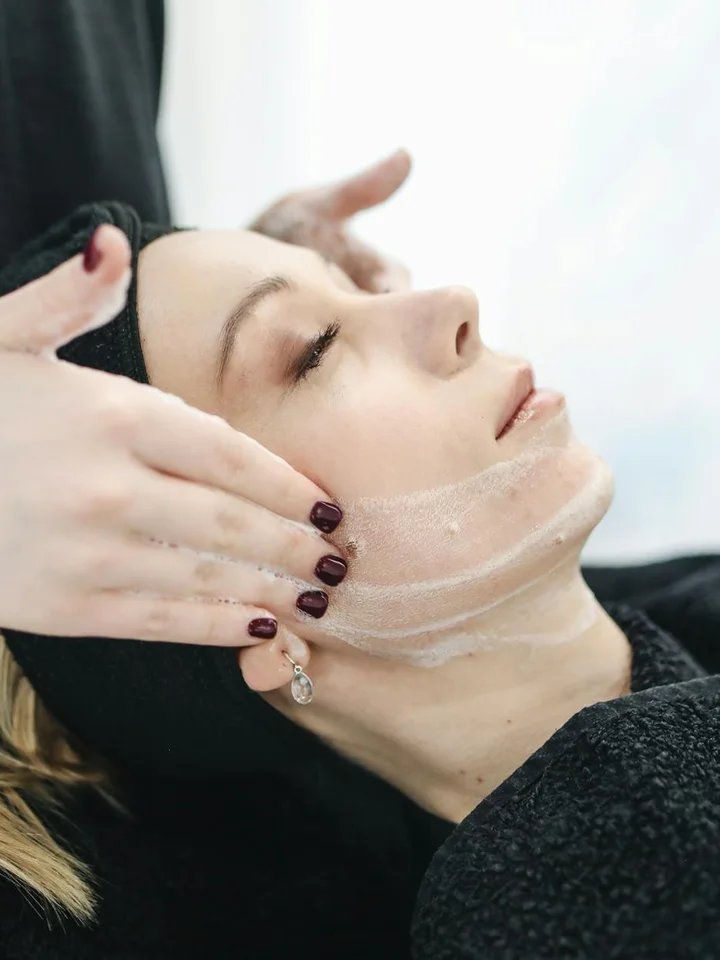
Think of your morning routine as a hydration and shield-building session. Your skin has done its overnight work with adapalene, so now we focus on calm, protection, and repair.
Follow these steps in order:
- Gentle Cleanse: Use a creamy or milky cleanser with lukewarm water. The goal is to remove overnight product residue without stripping your skin. Harsh foams can worsen the dryness adapalene sometimes causes.
- Antioxidant Serum: A vitamin C serum is a perfect partner here. It helps defend your skin from daily environmental damage (like pollution and UV rays) that can make post-acne marks darker. Think of it as an extra layer of armor under your sunscreen.
- Moisturizer: This step is non-negotiable. Hydrated skin is resilient skin. A good moisturizer helps reinforce your skin’s barrier, making the potential irritation from adapalene much more manageable. For my client Noah, who has dry skin, this step was the key to tolerating treatment without flakiness.
- Sunscreen (SPF 30 or Higher): This is the most important product in your entire routine when using any retinoid, including adapalene. Adapalene makes your skin more sensitive to the sun, and sun exposure can lead to worse irritation and hyperpigmentation. Apply it as the final step, every single morning, rain or shine.
Hydrating well in the morning creates a strong, comfortable base that prepares your skin for another effective dose of adapalene later.
Your Effective Evening Routine
Your evening routine is where adapalene takes center stage. The strategy is to apply it to perfectly prepped skin to maximize benefits and minimize discomfort. Understanding the best application timing can influence both efficacy and irritation.
Here is your PM sequence:
- Gentle Cleanse: Start with a clean slate. If you wear makeup or heavy sunscreen, consider a double cleanse: first with a cleansing balm or oil, then with your gentle facial cleanser. This ensures no residue blocks adapalene from absorbing.
- Optional Hydrating Layer: If your skin feels tight, a fragrance-free hydrating toner or essence can provide a light drink of water. This is a step my client Lina loves for her combination skin.
- Moisturizer (The “Buffer”): Now, apply your moisturizer to slightly damp skin. For many people, especially when starting, this “buffering” technique is a game-changer. Using a light moisturizer before adapalene is like applying a primer before foundation it creates a smoother, more even base and can reduce initial irritation.
- Adapalene Application: Wait 10-15 minutes for your face to be completely dry. This is crucial. Damp skin can increase adapalene’s penetration and lead to more irritation. Take a pea-sized amount for your entire face. Dot it on your forehead, cheeks, and chin, then gently smooth it over your skin. Avoid the delicate skin around your eyes, lips, and the corners of your nose.
- Sealing Moisturizer (If Needed): If you have very dry areas or feel you need more comfort, you can apply a second, slightly richer layer of moisturizer. This final layer acts like a protective blanket, locking in all the treatment and hydration for the night.
The Mixology Guide: What to Use With Adapalene (And What to Skip)
Your Go-To Team: Ingredients That Support Adapalene
You don’t have to use adapalene on a bare face. The right supporting ingredients can make your skin happier and your results better. Ready to integrate adapalene into your skincare routine? Pairing it with the right supporting ingredients can smooth the process and boost results. Here are the all-stars:
- Niacinamide: This is adapalene’s best friend. It helps calm redness, regulate oil production, and strengthen your skin barrier. Using a niacinamide serum in the morning or mixed with your moisturizer at night can soothe adapalene’s potential side effects.
- Hyaluronic Acid: A hydration hero. It draws water into your skin, plumping it up and counteracting dryness. Use it in a serum before your moisturizer in both your AM and PM routines.
- Ceramides: These are the building blocks of your skin’s protective barrier. Look for them in moisturizers. They help repair the barrier adapalene is working beneath, keeping your skin resilient and healthy.
- Peptides: Gentle signaling ingredients that support skin repair and collagen production. They are perfectly gentle to use alongside adapalene and add an extra anti-aging boost.
For someone like Maya with oily, acne-prone skin, a simple PM routine could be: cleanse, niacinamide serum, light moisturizer, adapalene. For Noah with dry skin, it might look like: cleanse, hyaluronic acid serum, ceramide-rich moisturizer, adapalene, then a dab of the same moisturizer again on extra-dry spots.
Proceed With Caution: Potential Conflicts
Not every ingredient plays nice with adapalene. Some can cause a traffic jam on your skin’s surface, leading to irritation, dryness, or a compromised barrier.
| Ingredient | Can I use it with Adapalene? | How to use it safely |
| Benzoyl Peroxide | Yes, but carefully. | They are often prescribed together for acne. Using them at the same time can be very drying. I recommend using BP in the morning as a cleanser or spot treatment and adapalene at night. |
| AHA/BHA Acids (Glycolic, Salicylic) | Yes, but separately. | Do not apply these direct acid treatments in the same routine as adapalene. It’s too much. Use them on alternate nights, or only in the morning 2-3 times a week if your skin tolerates it. Listen to your skin if it stings or gets red, scale back. |
| Physical Scrubs & Drying Alcohols | Avoid. | Your skin barrier is already working hard. Physical scrubs (with granules or brushes) create micro-tears and physical scrubs and drying alcohols strip essential oils. This combination with adapalene is a fast track to irritation and a damaged barrier. |
| Other Prescription Retinoids | Avoid. | Use one retinoid at a time. Do not layer adapalene with tretinoin or tazarotene unless specifically instructed by your dermatologist. |
The golden rule is simplicity when starting. Introduce one supportive ingredient at a time, and always patch test a new product on your jawline for a few nights before applying it to your whole face.
Listening to Your Skin: Side Effects, Purging, and Safety Warnings

What’s Normal? (The “Purging” Phase)
Starting adapalene often comes with a phase called “purging.” This is not your skin reacting badly to the product. It is a temporary acceleration of your skin’s natural renewal cycle. Deep within your pores, adapalene speeds up the process of bringing congestion to the surface, which can look like a sudden cluster of small whiteheads or papules in areas where you typically break out.
Purging is a temporary, expected process, while a bad reaction (like a rash or intense stinging) is your skin telling you it’s truly unhappy.
Think of it like the pimple described in our sample: deeply painful, swollen, and without a clear head. Adapalene can bring those deep, brewing clogs up faster. Managing this phase gently, without aggressive picking, is key to minimizing scars and dark marks.
Initial side effects like dryness, flaking, and a bit of redness are also very common. For most people, this adjustment period lasts about 2 to 6 weeks as your skin builds tolerance. Your patience during this time is an investment in clearer skin ahead.
Contraindications & When to Press Pause
Adapalene is a powerful tool, but it’s not for everyone or for every moment. There are clear times to avoid starting it or to pause use.
- Do not use if you are pregnant, breastfeeding, or trying to conceive. Consult your doctor about safer alternatives.
- Press pause if you have a severely compromised skin barrier (skin that feels tight, burns with most products, or is visibly cracked).
- Do not apply it over an active rash, eczema flare, or sunburn. You will only worsen the irritation.
If your skin stings or burns upon application, or if irritation becomes genuinely painful, that is your signal to stop. Stop immediately if your skin stings or burns, and shift your focus entirely to barrier repair with a simple routine of a gentle cleanser and a soothing moisturizer. You can always reintroduce adapalene slower once your skin feels calm and resilient again.
Remember, using a retinoid is about collaborating with your skin’s biology, not fighting a war against it. Listening to its signals is the smartest skincare step you can take, especially in a men’s skincare routine where skin tends to be thicker and oilier.
Troubleshooting Your Routine: Adjustments for Acne, Wrinkles, and Sensitivity
The basic routine framework works for everyone, but you can tweak it to better support your primary skin goal. Here is how to adjust for common concerns.
For Acne-Prone Skin (A Routine for “Maya”)
If your main goal is clearing acne, your mission is to support adapalene’s work without adding pore-clogging layers. My client Maya found success with this approach.
Stick with lightweight, non-comedogenic (non-pore-clogging) moisturizers. Gel-creams are often a great fit. In the morning, you can consider using a benzoyl peroxide wash (like a 4% formulation) for a few minutes to target acne-causing bacteria. Using a benzoyl peroxide wash in the AM and adapalene in the PM is a classic, effective combination for persistent acne, but it can be drying so monitor your skin’s comfort. Always follow with moisturizer and sunscreen.
For Anti-Aging and Wrinkle Concerns
When targeting fine lines and supporting collagen, your routine should focus on intensive hydration and skin nourishment. Adapalene stimulates collagen on its own, but it works best in a well-hydrated environment.
Layering is your friend. After your gentle cleanser, apply a hydrating toner or a hyaluronic acid serum to damp skin. Then, use the moisturizer sandwich method with your adapalene. Look for a nighttime moisturizer with peptides or ceramides to further support your skin’s structure and repair. Peptides in your moisturizer can work alongside adapalene to support firmer, plumper skin over time.
For Very Sensitive or Reactive Skin (A Plan for “Noah” and “Lina”)
If you have skin like Noah or Lina, your priority is minimizing irritation while still getting the benefits. Go slower than the standard advice.
Extend the “sandwich method” indefinitely. Start using adapalene just one or two nights a week, slowly increasing frequency only if your skin tolerates it without redness or stinging. Prioritize moisturizers packed with barrier-repairing ingredients like ceramides and oat extract. For sensitive skin, using a rich ceramide cream as both the base and top layer of your adapalene sandwich can be the difference between irritation and success. Skip any other active ingredients (like AHAs or vitamin C) until your skin is fully acclimated, which could take a few months.
Building Your Gentle Arsenal: Choosing the Right Supporting Products
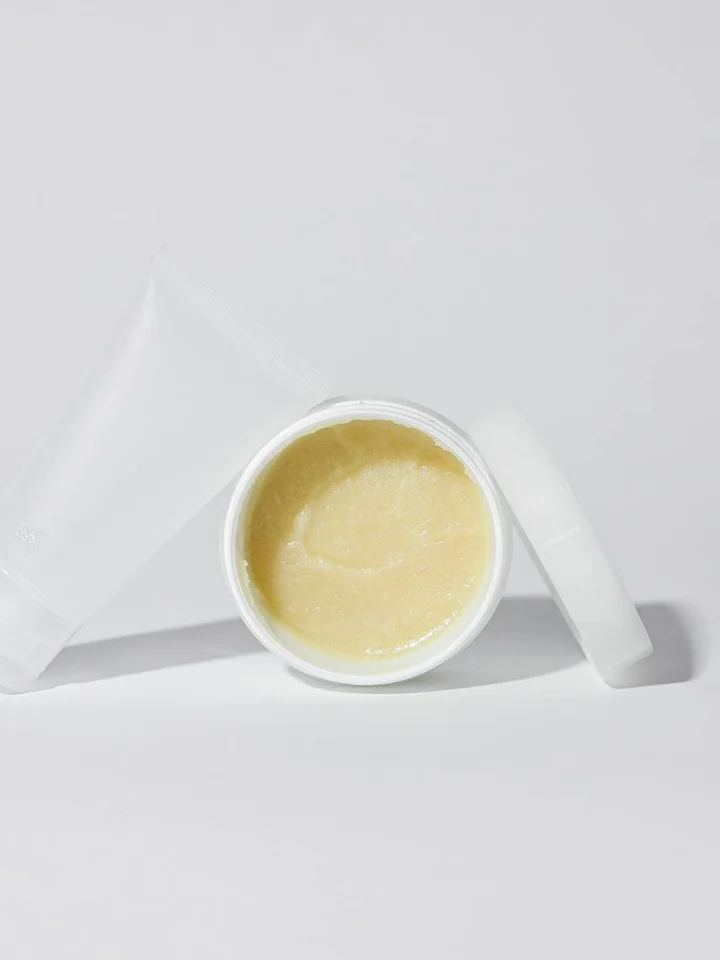
Think of your adapalene as the star player on a sports team. It needs solid, reliable teammates to perform its best. The right cleanser, moisturizer, and sunscreen don’t just sit on the sidelines, they actively protect your skin barrier so the retinoid can work without causing a riot of irritation.
The Cleanser: Your Reset Button
Your goal here is to remove dirt, oil, and sunscreen without stripping your skin. Adapalene makes your skin more permeable, so a harsh cleanser can drive irritants deeper. I look for formulas labeled “gentle,” “hydrating,” or “barrier-supporting.”
Always choose a fragrance-free formula, as added scents are a common and unnecessary source of irritation for retinoid users.
- For oily or acne-prone skin (like Maya): A gel or foaming cleanser with mild surfactants can feel refreshing and effectively clean without tightness.
- For dry or reactive skin (like Noah): A creamy, milky, or lotion-type cleanser is often ideal. These use oils and emollients to dissolve impurities while leaving protective lipids behind.
- For combination skin (like Lina): You can use a gentle milky cleanser overall, or a gel formula just on the oily T-zone if the cheeks feel too dry.
The Moisturizer: Your Security Blanket
This is your most important tool for managing dryness and flaking. A good moisturizer for adapalene routines focuses on repair and hydration, not a long list of active ingredients. Make sure it’s one of the moisturizers compatible with adapalene treatment.
Look for key ingredients like ceramides (they rebuild your skin’s brick wall), hyaluronic acid (a hydration magnet), and panthenol (soothes redness). A simple, rich balm with shea butter or squalane can be a lifesaver for extra-dry patches.
Applying your moisturizer on damp skin, right after cleansing, locks in water and creates a protective buffer before your adapalene. Noah, who has dry skin, finds this “damp skin” method completely changed his comfort level.
The Sunscreen: Your Non-Negotiable Shield
Adapalene increases your skin’s sensitivity to UV rays. Sun damage can worsen irritation and hyperpigmentation, working directly against your goal of clear skin. Daily sunscreen is not a suggestion, it’s a requirement, especially when using adapalene in your skincare routine.
For daily use, a broad-spectrum SPF 30 or higher is perfect. Mineral sunscreens with zinc oxide or titanium dioxide are often well-tolerated by sensitive skin, as they sit on top of the skin to deflect rays. Modern “chemical” filters can also be elegant and non-irritating. The best one is the one you’ll use generously every single morning.
Reapplication is key if you’re outdoors. Think of it as reapplying your adapalene’s protective gear throughout the day.
Putting It All Together
Your supporting cast should be minimalist, ethical, and kind. I advocate for cruelty-free brands that prioritize skin-identical ingredients over fragrance. A simple routine might look like this:
- Evening: Gentle cleanser > moisturizer on damp skin > wait 20 minutes > pea-sized amount of adapalene.
- Morning: Rinse with water or cleanse gently > moisturizer > sunscreen.
Remember, the “best” routine is not the one with the most products or the strongest actives. The winning combination is the simple, consistent routine that your unique skin tolerates and visibly thrives on. If your skin feels calm, hydrated, and protected, you’ve built the perfect arsenal.
Your Adapalene Routine, Clarified
How long does it take to see clear results with adapalene?
With consistent use, most people notice smoother texture and fewer breakouts within 4-8 weeks. True, lasting clarity and improvements in post-acne marks or fine lines typically develop over 3-6 months of steady routine.
Can I use adapalene with another retinol or anti-aging serum?
Do not layer adapalene with other retinoids like retinol or prescription tretinoin, as this can cause significant irritation. For a comprehensive anti-aging approach, use supportive ingredients like peptides and antioxidants in your morning routine instead.
What should I do if my skin stays irritated past the initial adjustment phase?
Scale back to applying adapalene just 1-2 nights a week and reinforce the moisturizer sandwich method every time. If redness or stinging persists, pause and focus on barrier repair with only a gentle cleanser and a ceramide-rich moisturizer for 1-2 weeks before slowly reintroducing it.
Your Clear Skin Journey with Adapalene
The single most important piece of advice I can give is to prioritize your skin’s health over speed. Consistency with adapalene, paired with diligent sun protection and barrier support, is what truly leads to clear, resilient skin.
- Begin by applying adapalene every other night to clean, completely dry skin.
- Always follow with a gentle, fragrance-free moisturizer to soothe and hydrate.
- Apply a broad-spectrum sunscreen every single morning, without exception.
- Give your routine at least six to eight weeks to show visible results.
- Pause other actives like strong exfoliants until your skin fully adjusts.
Your questions and stories fuel this blog. If you’re wondering about a product combo or navigating a reaction, I’m here to help. Share your progress with me on LuciDerma-we learn best from each other’s real skin journeys.
Relevant Resources for Further Exploration
- Adapalene for acne treatment: how it works, benefits, side effects
- How to Use Adapalene, According to a Dermatologist | Skincare.com powered by L’Oréal
- Differin Gel (Adapalene) for Topical Acne: a Patient Guide
- r/SkincareAddiction on Reddit: [Product Question] if you’re using Differin gel please comment your routine
- Your Guide to Adapalene: What to Expect and How to Make the Most of It
- Differin
- Adapalene Before & After: How It Works, Benefits & Results – SkinLab
Lucy Zimmerman
Lucy is an expert author and blogger when it comes to skin care and body care. She has first hand expertise acting as skin care consultant for over 5+ years helping her clients achieve smooth blemish free skin with natural and working remedies. She also has been an avid experimenter and tried out all the natural and artificial remedies and treatments so you can learn from her first hand experience. Additionally, she has traveled to many countries around the world and incorporated the skin care routines she has learnt into this blog. So, wait no more, reach out to Lucy if you have any specific needs and follow her blog, LuciDerma for expert skin care advice.