
Bobbi Brown vs. Makeup by Mario: Finding Non-Comedogenic Foundations for Acne-Prone Skin
Choosing a foundation when you have acne-prone skin can feel stressful, but you’re not alone in this search.
By the end of this article, you’ll be equipped to:
- Decode “non-comedogenic” labels and understand their real impact on your pores.
- Identify common foundation ingredients that can help or hinder acne-prone skin.
- Compare Bobbi Brown and Makeup by Mario formulas through a skin-safe lens.
- Test new foundations confidently with a method that minimizes breakouts.
You can achieve the coverage you want while actively caring for your skin.
What “Non-Comedogenic” Really Means for Your Skin
Let’s start with the basics. A comedone is a clogged pore. Imagine your pore is a tiny tunnel. Dead skin cells and sebum (your skin’s natural oil) usually travel through it and out onto the surface. But sometimes, they get stuck together and create a plug. That plug is a comedone.
If the plug stays beneath the skin, it’s a whitehead. If it opens to the air and oxidizes, it turns dark, forming a blackhead. When bacteria join the party, that’s when inflammation kicks in, leading to the red, painful pimples and cysts many of us know too well.
Now, here’s the key thing to know: “non-comedogenic” is a marketing claim, not a regulated guarantee. No government agency tests or certifies this label. A brand can put it on a bottle simply because none of its ingredients are famously comedogenic in pure form, despite the lack of oversight from regulatory bodies.
Finding a safe foundation is less about trusting a label and more like picking the right fabric for sensitive skin. You wouldn’t assume a “hypoallergenic” wool sweater won’t itch you. You’d check the material. Your skin does the same with ingredients.
You might search “non comedogenic foundation acne prone skin reddit” for real experiences. Those are valuable, but remember they’re personal, not universal. My client Maya can wear a certain silicone-heavy formula with no issues, while my client Noah breaks out from it instantly. Your skin’s unique reactivity is the final judge—especially when it comes to silicones in skincare.
How to Be Your Own Foundation Detective: The Ingredient Check
Empowerment starts with the ingredient list. While reactions are individual, some ingredients have a higher reputation for clogging pores. Watch for these, especially if they’re listed near the top:
- Certain Oils: Coconut oil, cocoa butter, and wheat germ oil are highly comedogenic for many.
- Heavy Emollients: Ingredients like isopropyl myristate, myristyl myristate, and some forms of lanolin can be problematic.
- Algae Extracts: Some can be pore-clogging for acne-prone individuals.
Use this simple 3-step method to scan any foundation label:
- Look for “Non-Acnegenic” Clues: Ingredients like niacinamide, salicylic acid, and zinc can be helpful for acne-prone skin.
- Spot the Potential Triggers: Scan for the heavy oils and emollients listed above.
- Consider the Formulation: A product’s texture gives clues. A thick, creamy stick foundation often contains more oils and waxes to stay solid. A lightweight, water-based liquid or a mineral powder foundation is often (but not always) a safer starting point.
The formulation-whether it’s a liquid, stick, or powder-changes how it sits on and interacts with your skin. A matte, long-wear liquid might use more film-forming agents that can feel trapping, while a sheer tinted moisturizer might let your skin breathe more.
This detective work applies to every price point. Whether you’re searching for “non comedogenic foundation acne prone skin drugstore” or luxury, the principles are the same. A higher price doesn’t automatically mean a safer formula for your pores.
Foundation Molecule Spec Sheet: Common Players
Think of this as your cheat sheet for decoding what’s actually in your bottle. Here’s a breakdown of typical foundation ingredients. We’ll flag non comedogenic ingredients so you can spot pore-friendly options at a glance. This helps you pick foundations that work with your skin without clogging pores.
Use this guide as a starting point, not a final verdict. Your skin’s unique response, which you’ll learn through careful patch testing, is the only true test.
Breaking Down Bobbi Brown Foundations for Acne-Prone Skin
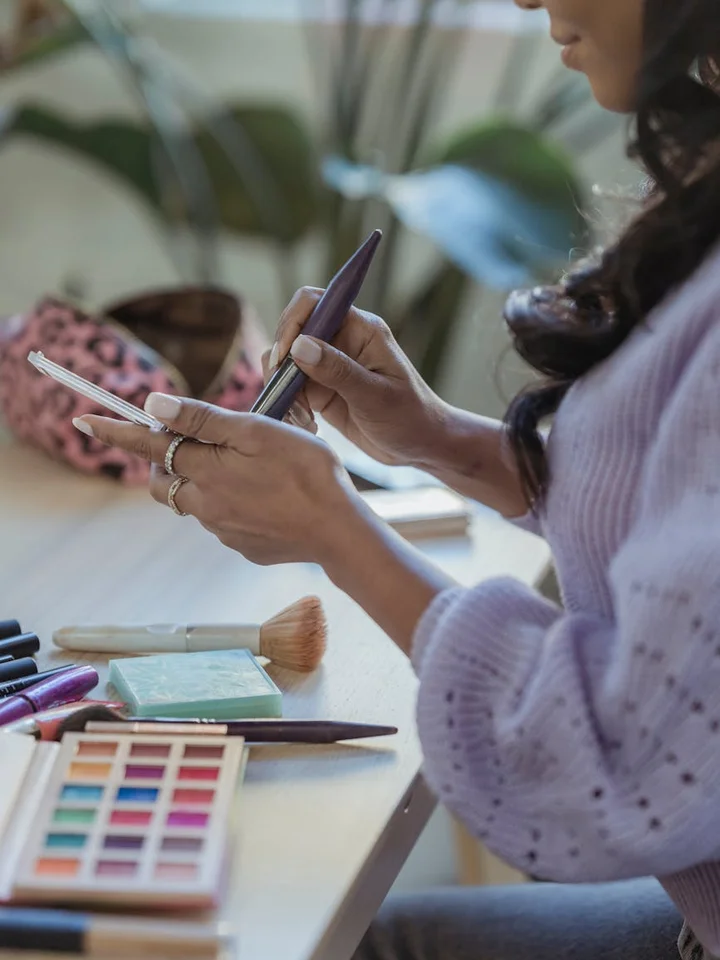
Bobbi Brown takes a classic, skin-first approach to makeup. Their foundations often prioritize a natural, healthy glow, which can sometimes come from richer emollients. No foundation line, including Bobbi Brown’s, can be universally labeled non-comedogenic, as everyone’s skin reacts uniquely. The key is to scrutinize the specific formula.
Skin Foundation Stick
This is a cream-to-powder formula in a stick. It’s convenient but dense. The first ingredients include emollients like hydrogenated polyisobutene and synthetic beeswax, which give it that creamy, blendable texture.
For acne-prone skin, the very emollients that make it easy to use can also pose a risk of clogging pores if you are sensitive to them. The finish is natural to matte, but the texture is inherently richer. My client Maya, with her oily skin, often finds stick formulas like this too heavy for daily wear, as they can feel like they’re sitting on top of her skin rather than blending into it.
Skin Long-Wear Weightless Foundation
This liquid foundation aims for full coverage with a “weightless” feel. Its ingredient list starts with water and cyclopentasiloxane, a volatile silicone that evaporates, which can help it feel less heavy.
It contains dimethicone, another silicone, which is not inherently pore-clogging for most people and can actually create a smooth barrier. However, the formula also includes some plant oils and esters. If your acne is triggered by coconut-derived ingredients, be cautious of ethylhexyl palmitate further down the list, as it is comedogenic for some individuals. This formula could work for someone like Lina who wants higher coverage for combination skin, provided she avoids applying it too heavily on her oilier T-zone.
A Closer Look at Bobbi Brown Primers and Concealers
When asking is bobbi brown concealer non comedogenic or is bobbi brown primer non comedogenic, the same rule applies: check the specific product.
The famous Vitamin Enriched Face Base is a priming moisturizer. It’s packed with shea butter, oils, and vitamins. While gorgeous for very dry skin, this “enriching” blend is often too much for acne-prone types. For someone like Noah with dry but reactive skin, even this might be too occlusive and trigger congestion.
If you use a Bobbi Brown foundation, pairing it with a lighter, water-based or simple silicone-based primer from their line (if available) is smarter than layering on the rich Face Base. For concealer, the Instant Full Cover Concealer is quite thick and pigmented. Use it only as a tiny, targeted spot treatment, not as an under-eye area foundation, to minimize the product load on your skin.
Breaking Down Makeup by Mario Foundations for Acne-Prone Skin
Makeup by Mario is built for performance and artistry, often leaning on modern silicone chemistry for a flawless, second-skin effect. This can be a different experience from Bobbi Brown’s approach.
The Foundation
This is a soft matte, medium-coverage liquid. The formula is dominated by silicones like dimethicone and phenyl trimethicone. Silicones are not inherently bad for acne; they are non-nourishing for bacteria and can provide a smooth, protective layer. For many with acne-prone skin, silicone-based foundations like this can feel less greasy and are less likely to feed breakouts than oil-rich formulas, unlike some plant oils which can be comedogenic. The potential issue is if you are sensitive to silicones, as they can sometimes trap dead skin cells or other products beneath them if not properly cleansed.
Maya, with her oily skin, might appreciate this matte finish. Noah, with his dry sensitivity, would need to ensure his skin is very well-hydrated underneath, as this formula could emphasize dry patches. This shows how skincare can be customized for oily or dry skin. Tailor routines to balance shine and hydration.
Surreal Skin Foundation
This is a newer, radiant finish foundation. It still uses silicones but in a lighter blend with hydrating ingredients like glycerin and sodium hyaluronate. The goal is a dewy, not oily, look. The lighter texture here makes it a compelling option for combination or acne-prone skin that still wants a glow, much like my client Lina often seeks. It’s less likely to feel suffocating than a heavy cream.
It’s worth noting that when people search is makeup by mario blush non comedogenic, the logic is similar. Blushes, especially powder ones from this line, often use similar silicone-treated bases or simple mica formulas that are generally low-risk for clogging pores, especially over a well-matched foundation. However, discerning truly non-comedogenic products can be tricky, which is why it helps to know how to identify non-comedogenic makeup.
Overall, Makeup by Mario’s foundations, with their silicone-forward, often oil-free approach, present a different profile. They might be easier for oily (Maya) and combination (Lina) skin types to wear without feeling heavy, while drier types (Noah) must prep skin meticulously to avoid a tight feel.
Side-by-Side: Choosing Between Bobbi Brown and Makeup by Mario
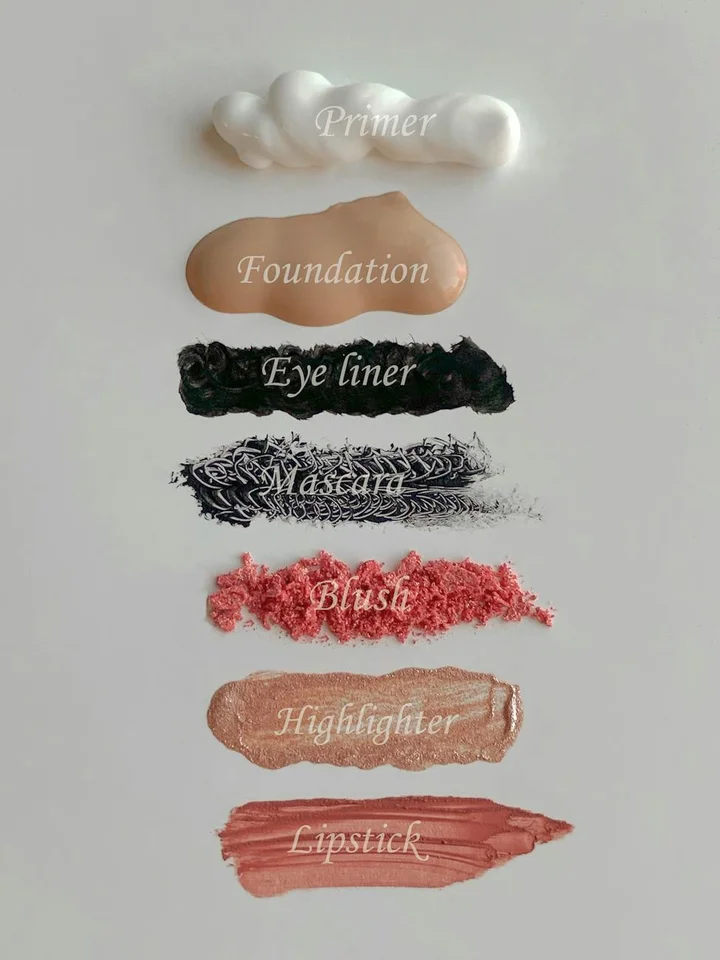
Let’s get practical. Both brands offer high-quality formulas, but your acne-prone skin has specific needs. Think of it this way: if Bobbi Brown is a reliable satin pillowcase, comfortable and protective, Makeup by Mario might be a lightweight silk scarf. Both can work, but one feels a bit lighter and more breathable.
Here’s a direct comparison focused on what matters for breakouts.
Coverage & Finish
Bobbi Brown foundations, like the Skin Long-Wear Weightless Foundation, often build to a natural, skin-like matte finish. It’s designed to stay put. For someone like Maya, who deals with oily skin and occasional breakouts, this can help control shine throughout the day. The coverage is buildable, which means you can use less product to cover a spot instead of layering it everywhere.
Makeup by Mario foundations, like the SurrealSkin Foundation, typically aim for a second-skin, radiant finish. The texture is often thinner. This can be a great choice if you dislike the feeling of makeup sitting on your skin, but if you’re very oily, you might need to powder more. The sheerer, more hydrating finish of formulas like SurrealSkin can be ideal for someone like Noah, whose dry, reactive skin needs makeup that won’t cling to or emphasize flakes.
Common Irritants & Wear Time
Scrutinizing the ingredient list is your best defense. Many Bobbi Brown foundations are fragrance-free, a major win for sensitive and acne-prone skin. Some formulas do contain dimethicone, a type of silicone. While silicones are not inherently comedogenic and create a smooth barrier, a small number of people find they can trap debris if not removed perfectly.
Makeup by Mario formulas also prioritize skin-friendly ingredients, but some products contain fragrance. For skin that reddens easily, like Lina’s combination sensitive skin, this is a note of caution. Always check for “fragrance (parfum)” on the label if you know your skin reacts to it. For wear time, the more matte Bobbi Brown options may edge out dewier finishes on oily zones, but both require meticulous removal.
Use this simple logic to guide your choice:
- If your priority is oil control and longer wear, lean toward a matte, fragrance-free formula like Bobbi Brown Skin Long-Wear.
- If you struggle with dryness, reactivity, or hate a heavy feel, consider a serum-type, radiant foundation like Makeup by Mario SurrealSkin (but always patch-test for fragrance).
- If you have active breakouts, choose the formula with the simplest, most non-irritating ingredient list you can find, regardless of brand.
Your Safe Application and Removal Protocol
How you put makeup on and take it off matters just as much as the formula. This routine minimizes clogging and stress on your skin.
Step-by-Step Application
- Start with clean, moisturized skin. Use your regular, non-comedogenic moisturizer and sunscreen.
- Wash your hands thoroughly or use clean brushes/sponges. A dirty beauty blender is a bacteria hotel.
- Apply foundation in thin, minimal layers. Use a dot on the forehead, each cheek, nose, and chin, then blend outwards. You can always add a tiny second layer just on spots that need more coverage, rather than caking it on everywhere.
- Set only where needed. If you’re oily, a light dusting of non-comedogenic powder on the T-zone helps.
The Non-Negotiable: Double Cleansing
This is the most critical step for preventing foundation from clogging pores. Double cleansing removes makeup and sunscreen first, then cleanses the skin itself.
Step 1: Use an oil-based or balm cleanser. These are brilliant at breaking down makeup and sunscreen—especially those stick, spray, or lotion ones—without harsh rubbing. Massage a gentle, fragrance-free cleansing oil or balm onto dry skin with dry hands for about 60 seconds.
Step 2: Follow with a gentle, water-based cleanser. This step washes away the residue from the first cleanse and cleans your skin. Look for a milky or creamy cleanser that supports your barrier. This two-step method ensures every trace of foundation is gone, allowing your acne treatments to work effectively on clean skin overnight.
Contraindications & Safety Warnings: When to Press Pause
Even the best foundation needs to wait for the right moment. Do not apply any new foundation if:
- You have active, inflamed cystic breakouts. The goal is to let your skin heal, not cover it up.
- Your skin barrier is severely damaged (think stinging, burning, tightness when applying even moisturizer).
- You are in the immediate healing phase after a professional treatment like a chemical peel, microdermabrasion, or laser therapy.
Always patch test a new foundation for a full week before applying it to your entire face. Apply a small amount behind your ear or along your jawline. Check for any redness, itching, or new small bumps each day.
If you have persistent or severe acne, a foundation search is a temporary solution. Your long-term skin health will benefit more from consulting a dermatologist who can address the root causes.
Your Quick-Reference Guide to Foundation and Acne
How should I use advice from forums like Reddit when choosing a foundation?
Treat community feedback as helpful anecdotal data, not a definitive answer. Cross-reference personal experiences you read with the actual ingredient lists to see if common triggers are present, and always validate with your own patch test.
Can I find a safe, non-comedogenic foundation at the drugstore?
Absolutely. An effective formula for acne-prone skin is defined by its ingredients, not its price. Many drugstore brands offer simple, oil-free, and fragrance-free liquid or mineral powder foundations that are excellent starting points, such as L’Oréal’s non-comedogenic options.
What if neither Bobbi Brown nor Makeup by Mario foundations work for my skin?
This is a clear sign to simplify your search. Focus on finding a formula with the shortest, most recognizable ingredient list possible, and consider consulting a dermatologist or esthetician to identify your unique triggers beyond foundation.
Making Informed Choices for Your Skin
Choosing foundation when you’re acne-prone boils down to one simple habit: becoming a detective for your own skin. Your most reliable tool is a careful patch test, which tells you more about a product’s compatibility than any label ever could. I always remind clients like Maya that a “non-comedogenic” claim is a helpful starting point, but your skin’s personal response is the final verdict.
- Patch-test any new foundation on your jawline or behind your ear for at least three days before using it on your entire face.
- Seek out oil-free, water-based formulas and prioritize brands that are transparent about their ingredients.
- Clean your applicator brushes and sponges at least once a week to prevent pore-clogging buildup.
- Never skip your evening cleanse; a thorough removal is non-negotiable for letting your skin recover overnight.
Navigating makeup with acne can feel tricky, but you don’t have to do it alone. I’m here to help demystify your routine with practical, evidence-based guidance you can trust. Send your questions my way, and follow along for more straightforward advice on caring for your skin with kindness and clarity.
Sources and Additional Information
- My top 8 foundations & skin tints for acne-prone skin – Notes by Alice
- 10 Best Foundations for Acne-Prone Skin of 2025, Tested
- r/Sephora on Reddit: My fellow acne prone girlies, what foundation does not break you out?
- Foundation for acne-prone skin | Curology
- Non Comedogenic Foundation | Sephora
- 12 Best Foundations for Acne-Prone Skin, Tested & Reviewed 2024 | Teen Vogue
- 10 Best Non-Comedogenic Foundations (Tested and Reviewed 2025)
- 11 Best Foundations for Acne-Prone Skin of 2024 to Camouflage Imperfections Without Feeling Heavy | Allure
- Non Comedogenic Foundation – Clean Foundation for Acne Prone Skin
- Acne-Safe Makeup List – Emme Diane
Lucy Zimmerman
Lucy is an expert author and blogger when it comes to skin care and body care. She has first hand expertise acting as skin care consultant for over 5+ years helping her clients achieve smooth blemish free skin with natural and working remedies. She also has been an avid experimenter and tried out all the natural and artificial remedies and treatments so you can learn from her first hand experience. Additionally, she has traveled to many countries around the world and incorporated the skin care routines she has learnt into this blog. So, wait no more, reach out to Lucy if you have any specific needs and follow her blog, LuciDerma for expert skin care advice.