
Tarte Shape Tape Concealer: The Non-Comedogenic Ingredients Explained for Healthy Skin
If you’re checking your concealer label, worried it might sneak in pore-cloggers, I get it. Let’s look at Tarte Shape Tape’s formula together, so you can cover up without the breakouts.
In this article, you will learn:
- What “non-comedogenic” really means for your specific skin type and why the chemistry matters.
- The key ingredients in Shape Tape that help avoid clogging pores, based on formulation science.
- How to confidently use this concealer in your routine for clear, comfortable coverage.
You’re about to make your makeup work smarter for your skin.
What “non-comedogenic” really means for your makeup
When a label says “non-comedogenic,” it feels like a green light for acne-prone skin. But this term isn’t a government-regulated promise like SPF is. It’s more of a company’s goal, based on internal testing. Just because a product claims to be non-comedogenic doesn’t always mean it will work for everyone, especially when it comes to sensitive or acne-prone skin. It’s always a good idea to test out products and pay attention to how your skin reacts. Even products labeled as non-comedogenic for acne-prone skin might not be suitable for everyone.
Most brands base this claim on the comedogenic scale, which rates ingredients from 0 to 5 on their likelihood to clog pores. This testing is often done on rabbit ears, which have follicles similar to human pores. An ingredient rated 0 or 1 is considered unlikely to clog.
The key thing to remember is that “non-comedogenic” is a formulation goal, not a universal guarantee for every single skin type. Your unique pore size, oil production, and even how you remove your makeup play a huge role. That label isn’t a universal guarantee against breakouts—individual skin chemistry varies. So, even with non-comedogenic products, your routine and skin environment can still influence breakouts.
Think of it like a wool sweater. The sweater itself isn’t technically “itchy,” but it’s a common irritant for many people. Someone with robust, non-sensitive skin might wear it fine, while my client Noah with his reactive skin would find it unbearable. A “non-comedogenic” concealer is the same it might be fine for most, but your skin gets the final vote.
A close look at the Tarte Shape Tape ingredient deck
Let’s break down the full formula into what each part actually does. Seeing it this way helps you understand why it feels the way it does on your skin.
- Emollients & Slip Agents: This is the smooth, blendable feel. Ingredients like cyclopentasiloxane and dimethicone (silicones) create a silky texture that fills in fine lines and evaporates or sits smoothly on the skin.
- Thickeners & Stabilizers: These give the concealer its creamy, full-coverage body. Look for names like hydrogenated polyisobutene and synthetic wax. They prevent the formula from separating and provide that buildable texture.
- Pigments & Colorants: These are the minerals and oxides (like titanium dioxide, iron oxides) that provide the actual coverage and shade. They are typically inert and sit on the skin’s surface.
- Preservatives & Stabilizers: These prevent bacterial and fungal growth in the jar. Phenoxyethanol is a common one here. They’re necessary for shelf life but can be sensitizing for a very small subset of people.
- Humectants & Solvents: Ingredients like butylene glycol pull a tiny bit of moisture to the skin and help other ingredients dissolve evenly into the formula.
For my client Maya, who is acne-prone, the types of emollients are the most critical part. She needs to watch for heavy oils or butters that could trap debris. The silicone-based emollients in Shape Tape are generally a safer bet for her.
Quick Snapshot: Key Ingredient Molecules
| Ingredient | Primary Job | pH/Notes | Safety & Solubility |
|---|---|---|---|
| Cyclopentasiloxane | Volatile carrier, gives slip | Neutral pH, evaporates | Non-comedogenic rating of 0-1, oil-soluble |
| Dimethicone | Silicone emollient, smooths | Inert, occlusive | Rating of 0-1, water-insoluble |
| Butylene Glycol | Humectant, solvent | Low irritation potential | Rating of 1, water-soluble |
This table shows why the formula gets its “non-comedogenic” reputation: the core functional ingredients have very low clogging potential. The solubility tells you how to remove it: oil-soluble silicones are best broken down with an oil-based cleanser first, unlike some plant oils that can be comedogenic.
The formulation chemistry: How Shape Tape stays put
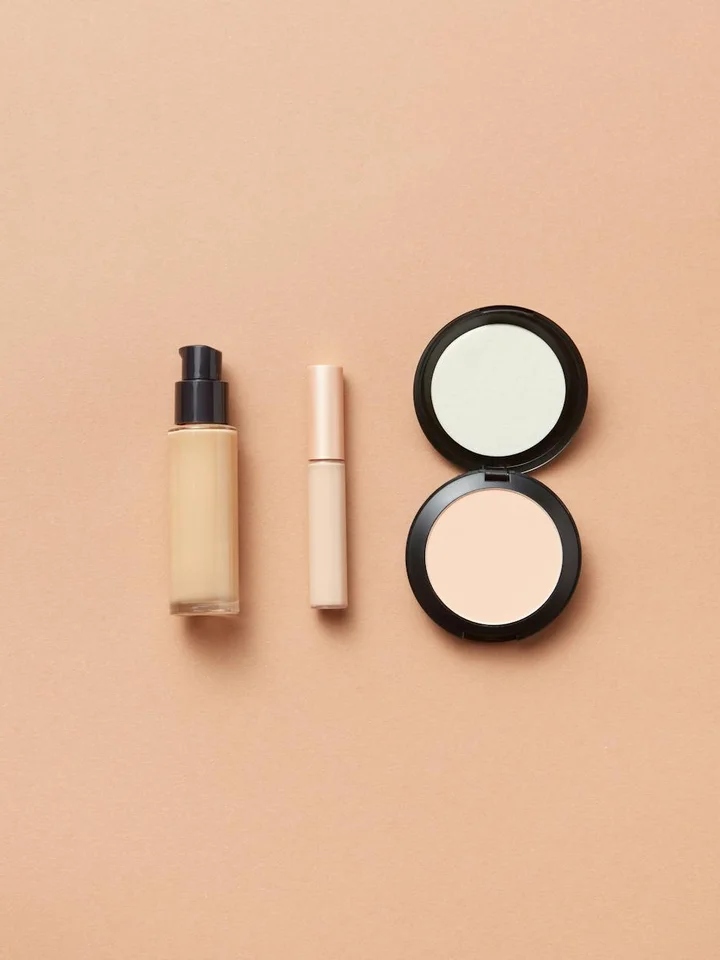
Think of a great concealer like a good salad dressing. An oil-and-vinegar dressing separates because the liquids don’t mix. Shape Tape uses a more sophisticated system called a water-in-silicone emulsion. The water-based ingredients (like skin soothers) are suspended inside tiny droplets, which are then evenly dispersed in a silicone base. This structure is incredibly stable.
This stable emulsion is the first reason the product doesn’t separate in the tube and applies with a uniform, smooth consistency.
Once applied, film-forming polymers go to work. These ingredients create a flexible, breathable film on your skin’s surface. It’s this film that locks pigment and product in place, creating the “tape” effect that resists smudging and fading throughout the day. For my client Lina, who has an oily T-zone, this film helps prevent her concealer from breaking down by lunchtime.
But what about creasing? Those fine lines under your eyes can act like tiny gullies for makeup to settle into. This is where spherical silica powders become the unsung hero. These are very fine, round particles that act like microscopic ball bearings.
Their spherical shape allows them to sit on the skin’s surface and fill in micro-texture without clumping or settling heavily into lines, which is a key factor in minimizing that cakey, creased look.
Formulation Pro-Tip: The pKa of a perfect blend
Let’s talk application, because even the best formula can misbehave if you fight its chemistry. Shape Tape has a slightly emollient-rich base for that creamy feel. If your skin is dry or dehydrated, that creaminess can grab onto dry patches.
I always advise prepping the area with a lightweight, fast-absorbing moisturizer or eye cream first. Let it sink in for 60 seconds. This gives the concealer a hydrated, even canvas to adhere to, preventing patchiness. My client Noah, with his drier skin, found this step made all the difference – especially compared to the questionable waiting times often suggested for skincare layering.
Secondly, respect the quick-set texture. The film-forming polymers start their job fast. Don’t dot concealer all over your under-eye area and then start blending. You’ll be working against a drying product.
Instead, work in small sections: apply a dot directly to a line or discoloration, then immediately blend it out with a brush or fingertip before moving to the next spot. This gives you a seamless, layerable application without tugging at delicate skin.
Spotting the true non-comedogenic heroes in the formula
So, what are the non-comedogenic ingredients in Tarte’s Shape Tape Concealer? We need to look at the components least likely to clog pores. Remember, “non-comedogenic” isn’t a regulated term, so we assess the risk of individual ingredients.
The standout heroes with virtually no comedogenic risk are the powders and mineral pigments:
- Silica
- Titanium Dioxide
- Iron Oxides (the colorants)
These are inert minerals that sit on the skin’s surface. They provide coverage and texture without interacting with your pore-lining or sebum production. Certain silicones, like Dimethicone and Vinyl Dimethicone Crosspolymer, also have a very low comedogenic rating. They create that smooth, slip-y texture and form part of the breathable film, which is generally well-tolerated.
Now, let’s contrast with the more occlusive emollients. An ingredient like Hydrogenated Polyisobutene is a synthetic emollient that gives the formula its creamy, spreadable body and helps it adhere to skin.
While it has a low to moderate comedogenic potential, its role is textural; in a well-formulated blend like this, it’s balanced by the other, non-pore-clogging ingredients to mitigate risk.
For someone like Maya, who is acne-prone, the overall formulation is key. The low-risk powders and film-forming silicones are the workhorses. The presence of a moderately occlusive emollient doesn’t automatically mean a product will clog pores, but it’s a note for those with highly reactive, congestion-prone skin to be aware of. The best practice, as always, is to patch test near your jawline for a few days to see how your unique skin responds.
Is Tarte Shape Tape Concealer safe for acne-prone or sensitive skin?
You’re asking the right question. Many clients, like my client Maya who has oily, acne-prone skin, come in wanting a straight “yes” or “no” on whether a product like Shape Tape is comedogenic. The full ingredient list shows it is labeled “non-comedogenic,” which means the formula is designed not to clog pores. But that label isn’t a government-regulated guarantee for every single person’s skin, especially when dealing with sensitive or acne-prone areas.
The term “non-comedogenic” is a useful starting point, but your individual skin triggers are the final judge when selecting skin creams. A formula might avoid classic pore-cloggers like coconut oil or cocoa butter, but it could contain other ingredients that your unique skin chemistry simply doesn’t agree with. For someone with sensitive skin like Noah, fragrance or certain botanical extracts can cause irritation that mimics a breakout.
Shape Tape, for instance, contains several skin-conditioning silicones and emollients. For many, these create a smooth, waterproof finish without issues. For others, these same ingredients can feel occlusive over time, especially if not thoroughly cleansed away. The presence of mica and pigment can also be drying for some, leading to a compromised barrier and reactivity.
What about other Tarte base products?
This same principle applies when you search “is tarte amazonian clay foundation non comedogenic” or “is tarte face tape foundation non comedogenic.” Each product has a different formulation goal. The Amazonian Clay line is often marketed for oil control, which might mean higher levels of absorbing powders. The Face Tape foundation has a different blend of film-formers and hydrators.
Different formulas, even from the same brand, carry different ingredient priorities and therefore different potential risks for your pores. A full-coverage, long-wear concealer like Shape Tape is engineered to stay put, which often requires more binding agents than a lighter foundation. Always check the specific ingredient list for the product you’re considering.
Before you commit to using any new product all over your face, a strategic patch test is your best defense. Apply a small amount of the concealer on a discreet area like your cheek or jawline. Wear it for a full day, then cleanse it off thoroughly. Repeat this for three to five days, watching closely for any new bumps, redness, or itching in that exact spot. This tells you more than any label ever could.
How to test any concealer if you’re prone to clogged pores
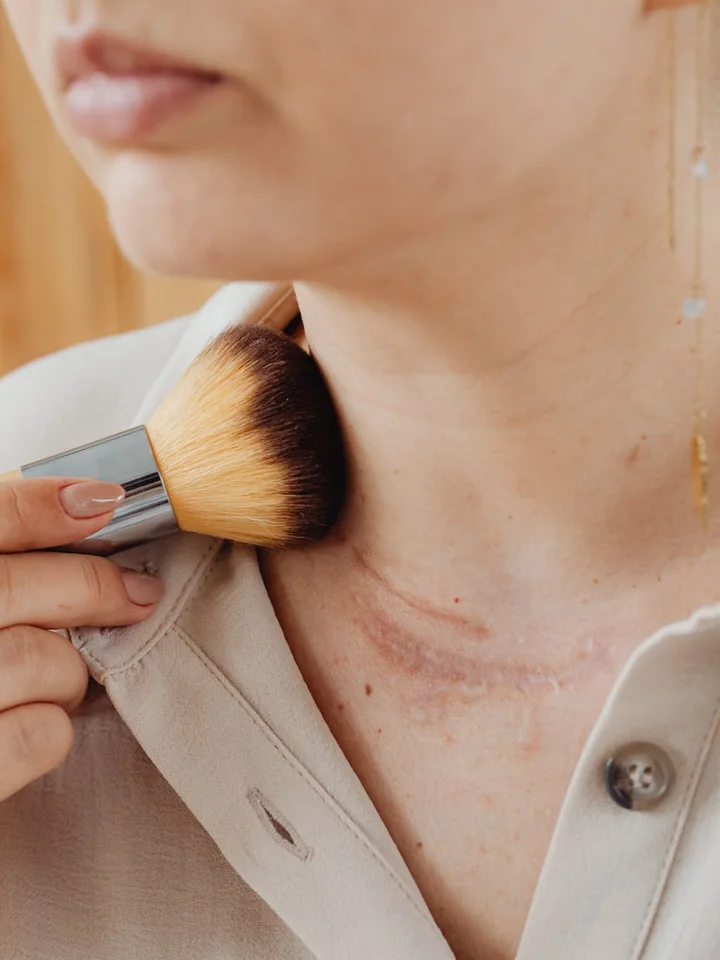
Throwing a new concealer into your daily routine is a big variable. Here’s a simple, five-day protocol I give to clients like Lina, who has combination, sensitive skin and needs to introduce new products carefully, especially when choosing a non-comedogenic concealer.
Days 1-2: The Spot Check
- In the morning, after your usual skincare, apply a pea-sized amount of the concealer to a clean, dry patch on your cheek or jaw.
- Go about your day. Do not apply any other makeup to that test area.
- At night, be meticulous. Double-cleanse to remove it completely. First, use an oil-based balm or micellar water to break down the makeup, then follow with your gentle water-based facial cleanser.
Days 3-5: The Extended Wear Test
- If the spot check showed no reaction, expand the application area slightly for the next three days.
- Apply the concealer to a larger section, like under one eye and over a blemish on that same side of your face.
- Continue your strict double-cleaning ritual every single night. This step is non-negotiable for preventing clogged pores.
Keep notes in your phone. Jot down anything you feel-tightness, itchiness-or see, like small whiteheads or increased redness. Tracking your reaction in a notes app removes the guesswork and helps you see patterns over time. If you make it to day five with clear, calm skin, the concealer has passed your personal safety test. If any clogged pores or irritation appear, you’ve identified a trigger without causing a full-face breakout. That’s a win for your skin intelligence.
Your gentle alternatives: What to look for in any formula
Think of this as your decoder ring for any concealer label. Once you know what to look for, you can shop with confidence, whether you’re browsing a drugstore aisle or a luxury counter.
Ingredients That Typically Play Nice
These are the formulation heroes that give products their texture, coverage, and wear without a high risk of clogging pores. They are the foundation of a truly non-comedogenic formula.
- Certain Silicones (Cyclopentasiloxane, Dimethicone): These get a bad rap, but in concealers, they’re often a safer bet. They create a smooth, breathable film on the skin that doesn’t sink into pores. I think of them like a soft-focus filter that sits on top of your skin, blurring imperfections without getting deeply involved.
- Mineral Pigments (Iron Oxides, Titanium Dioxide, Zinc Oxide): These are the rock stars for sensitive and acne-prone skin. They provide color and coverage through light reflection and are generally inert, meaning they’re less likely to cause irritation or clog pores compared to some synthetic dyes. For clients like Noah with reactive skin, mineral-based formulas are often a gentler starting point.
- Volatile Silicones and Lightweight Esters: Look for names like Isododecane or C12-15 Alkyl Benzoate. They help a product spread like a dream and then seem to “evaporate,” leaving the pigment behind without a heavy, greasy residue. This is key for someone like Maya, who needs coverage that won’t feel like it’s suffocating her oily T-zone.
The goal is to find a formula where these lightweight, surface-level ingredients do most of the work, minimizing the need for heavy oils and waxes that can trap sebum.
Common Pore-Cloggers to Question
These ingredients aren’t “bad,” but they have a higher comedogenic potential. If you are very congestion-prone, seeing them high on the list is your cue to proceed with caution or skip it.
- Heavy Plant Oils & Butters: Coconut oil, cocoa butter, and some grades of olive oil are frequent offenders. They are rich in oleic acid, which can be comedic for many. Lina, with her combination skin, might find a formula with coconut oil makes her cheeks happy but turns her T-zone into a breakout zone.
- Certain Waxes & Lanolin: Ingredients like beeswax, carnauba wax, and lanolin (a wool derivative) are excellent for creating creamy, long-wear textures. However, that same occlusive, protective quality can seal in dead skin cells and sebum if you’re prone to clogs.
- Isopropyl Myristate/Palmitate: These are ester compounds used to improve texture. Unfortunately, they are also famously comedogenic for a significant number of people. They can feel silky initially but may lead to closed comedones (those tiny, flesh-colored bumps) over time.
Spotting these ingredients doesn’t mean you must avoid them forever, but it tells you this specific formula may be better suited for normal to dry skin types that don’t struggle with congestion.
How to Use This Knowledge
This isn’t about memorizing a scary list. It’s about comparative shopping. Next time you’re looking at two concealers, pull up their ingredient lists side-by-side.
Look at the first five to seven ingredients-that’s the bulk of the formula. Does one lead with cyclopentasiloxane and water, while the other leads with coconut oil and beeswax? That immediate contrast gives you powerful insight into how it might behave on your unique skin.
Remember, your skin’s reaction is the final authority. A gentle patch test behind your ear or along your jawline for a few days is the most reliable way to know if a product’s formulation chemistry agrees with you.
Your Questions on Non-Comedogenic Concealer Chemistry, Answered
How do the silicones in Shape Tape help avoid clogging pores?
Certain silicones like dimethicone are rated 0-1 on the comedogenic scale, meaning they have a very low likelihood of clogging. They work by creating a smooth, breathable film on the skin’s surface rather than penetrating and obstructing the pore lining. This makes silicones a go-to consideration in skincare when avoiding pore-clogging ingredients. Understanding the comedogenic ratings of silicones can help you choose products suitable for acne-prone or sensitive skin.
What’s the best way to remove this concealer to prevent pore congestion?
Its long-wear, silicone-based formula requires a dedicated first step: use an oil-based cleanser or balm to effectively break down the film. Following with your regular gentle cleanser ensures no pore-clogging residue is left behind.
Could any ingredients in the formula still be problematic for very sensitive skin?
While the key components are low-risk for clogging, individual sensitivity varies. For some, the presence of mica or phenoxyethanol can be drying or irritating, so a careful patch test is always your best personal guideline.
Your Makeup, Your Skin’s Health
Choosing a concealer that’s less likely to clog pores starts with the ingredient list, but it doesn’t end there. The most reliable way to keep your skin clear is to pair even the most carefully formulated makeup with a consistent, gentle skincare routine that supports your skin barrier. Your foundation for healthy skin is built long before you apply any coverage.
- Always cross-reference a product’s key ingredients with your personal triggers, especially if you are acne-prone.
- Perform a patch test on your jawline or cheek for a few days before committing to full-face use.
- Never skip your nighttime cleanse; thorough removal is non-negotiable for preventing buildup.
- Listen to your skin. Any new persistent redness or bumps is a signal to pause and reassess.
- Remember that “non-comedogenic” is a helpful guide, not an absolute guarantee for every single person.
If you’re still unsure about how a product fits into your routine, you know where to find me. Send your questions through the blog at luciderma.com, and I’ll help you break it down. Your skin’s comfort and clarity are always the priority.
Sources and Additional Information
- 1 Best Non Comedogenic Tarte Concealers In 2025 | SkinSort
- Tarte Shape Tape Radiant Medium Coverage Concealer (Ingredients
- Tarte Shape Tape Ultra Creamy Concealer ingredients (Explained)
- creaseless creamy concealer | full coverage, natural finish – Tarte™
- Tarte : Full Coverage Foundation – Acne.org
- Why You Need #1 Best-Selling Tarte Shape Tape Concealer In Your Life
Lucy Zimmerman
Lucy is an expert author and blogger when it comes to skin care and body care. She has first hand expertise acting as skin care consultant for over 5+ years helping her clients achieve smooth blemish free skin with natural and working remedies. She also has been an avid experimenter and tried out all the natural and artificial remedies and treatments so you can learn from her first hand experience. Additionally, she has traveled to many countries around the world and incorporated the skin care routines she has learnt into this blog. So, wait no more, reach out to Lucy if you have any specific needs and follow her blog, LuciDerma for expert skin care advice.