
Mandelic Acid vs. Glycolic Acid: The Gentler Exfoliant for Sensitive Skin
If you’re hesitating between mandelic and glycolic acid because your skin tends to sting or flush, I hear you-in my clinic, clients like cautious Noah remind me daily that gentle effectiveness is the real goal for reactive complexions.
By the end of this read, you’ll know exactly which acid to reach for:
- How the molecular size of each acid directly impacts your skin’s tolerance and redness levels.
- Which skin types and concerns, from hormonal acne to sun damage, respond best to each option based on hands-on experience.
- A clear, step-by-step method to introduce your chosen acid without triggering a sensitivity flare-up.
You’re about to make a confident, informed decision for your skin’s comfort and clarity.
The Gentle Exfoliation Showdown: A Quick Primer
If you have sensitive skin, the world of chemical exfoliants can feel like a minefield. You hear about the glow-giving, texture-smoothing miracles of AHAs, but your first thought is probably, “Will this burn my face off?” I hear you. My client Noah, with his dry, reactive skin, asks me this every time we discuss his routine.
The real question isn’t which acid is the most powerful. It’s which one is the gentlest and smartest tool for *your* skin’s specific needs.
Today, we’re putting two popular AHAs side-by-side: Mandelic Acid, the gentle giant, and Glycolic Acid, the efficient powerhouse. My goal is to walk you through how they work on a molecular level, so you can move past the confusion and choose your next product with total confidence.
Meet the Molecules: A Gentle Giant vs. A Speedy Workhorse
Alpha Hydroxy Acids (AHAs) are water-soluble acids derived from foods and plants. Think of them as tiny helpers that work to loosen the “glue” (called desmosomes) that holds dead, dull skin cells to the surface. By gently breaking this bond, they encourage faster cell turnover, revealing fresher, brighter skin underneath.
Not all these helpers are the same size or speed, though. Here’s a quick look at how our two contenders stack up.
| Factor | Mandelic Acid | Glycolic Acid |
|---|---|---|
| Source | Bitter almonds | Sugar cane |
| Molecule Size | Largest AHA | Smallest AHA |
| Typical Concentration for Sensitive Skin | 5% – 10% | 5% – 7% |
| Oil Solubility | Yes (Lipophilic) | No (Hydrophilic) |
| Primary Safety Profile for Sensitive Skin | Generally well-tolerated, less irritating | Higher irritation potential, requires more caution |
Glycolic Acid’s small molecule size is its superpower and its drawback. Because it’s so tiny, it penetrates skin very quickly and deeply, which can lead to fast, visible results in smoothing texture and fading marks. Imagine it as a speedy, efficient courier that gets right to the delivery address. For some skin types, this is perfect. But for sensitive, reactive, or rosacea-prone skin like Noah’s, that quick, deep delivery can sometimes be too much, causing stinging, redness, or a flare-up (especially when used on sensitive skin).
Mandelic Acid, with its much larger molecular structure, works differently. Its size means it penetrates the skin more slowly and evenly, providing a gentler, more gradual exfoliation that’s far less likely to cause irritation. Think of it as a thoughtful visitor who takes time to get settled. Even better, it’s partially oil-soluble (lipophilic), so it can help exfoliate inside the pore lining, making it a brilliant, gentle choice for those with sensitive *and* acne-prone skin, like my client Maya, who regularly applies mandelic acid serums for skincare.
Head-to-Head: Where Each Acid Excels (and Where It Hesitates)
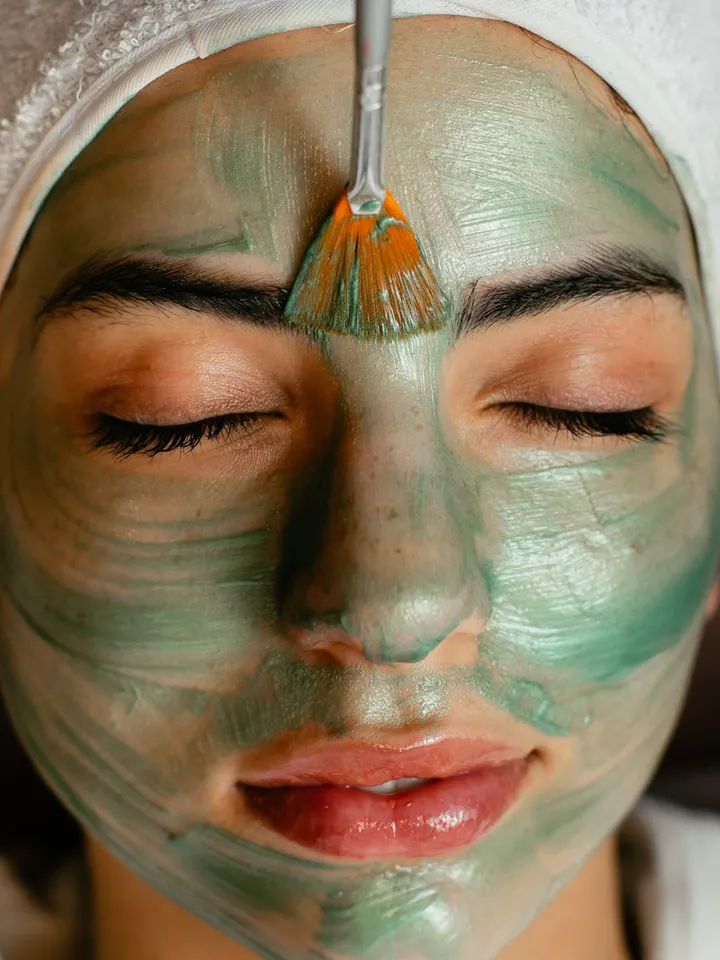
Let’s put them side by side on the issues that matter most when your skin is prone to flushing, stinging, or reacting.
For Fading Dark Spots & Sun Damage
Glycolic acid is a powerhouse for this job. Its small size lets it dive into skin quickly, loosening the bonds of pigmented surface cells fast. You might see a brighter tone sooner. In time, glycolic acid can help lighten skin hyperpigmentation and even out overall tone. Used thoughtfully, it can fade sunspots and improve complexion without compromising skin health. This speed demands respect: introducing glycolic acid too quickly is a common trigger for sensitivity and irritation.
Mandelic acid takes a more scenic route. Its larger molecule works more gradually on the surface, gently encouraging turnover where discoloration lives. It’s a brilliant, steady option for persistent post-acne marks (what we call post-inflammatory hyperpigmentation, or PIH). I think of it as the persistent tortoise in the race against spots. Some acne regimens pair mandelic acid with benzoyl peroxide or other AHAs for a multi-pronged approach. It’s a useful framework as you explore how these actives can work together on acne and PIH.
My client Lina is a perfect example. She struggled with dark marks left from hormonal acne. Glycolic acid serums made her cheeks look flushed and angry. When she switched to a mandelic acid toner, her scars faded more evenly, without the constant background redness. It was slower, but her skin stayed calm and cooperative.
For Managing Acne and Clogged Pores
This is where mandelic acid truly shines for sensitive, breakout-prone skin. People often ask how it stacks up against others like salicylic or lactic acid. While glycolic and lactic acids are great exfoliators, mandelic has a unique dual action.
It’s both water-soluble and oil-soluble. This means it can help dissolve the sticky mix of oil and dead skin that clogs pores. It also has natural antibacterial properties, which can help calm the acne bacteria. For someone like Maya, who has oily, sensitive skin, mandelic acid can tackle clogs and bacteria without the harsh sting of stronger acne treatments.
Glycolic acid helps by sweeping away the top layer of dead cells, which can prevent future clogs. But it doesn’t have that inherent antibacterial or oil-cutting power. For pure, gentle exfoliation in acne-prone skin, mandelic often has the edge.
For Fine Lines and Surface Texture
If your main goal is a polished glow and smoothing out fine lines, glycolic acid is the classic, proven choice. Its deep work can boost collagen and reveal smoother skin with more regular use, giving that “instantly brighter” effect many love.
Mandelic acid won’t work as intensely or as quickly. Think of it as a long-term conditioner. For skin that flinches at strong products, mandelic provides a safe path to gradually improved texture and a more refined look over months. It’s the choice for someone like Noah, who wants the anti-aging benefits of an acid but needs a formula that feels like a whisper, not a shout.
How to Introduce These Acids to a Sensitive Routine
Your mantra is “low and slow.” Rushing this process is the fastest way to a red, upset face. Here is your game plan.
Always start with a product at the lowest available concentration, use it once a week at night, and follow with a good moisturizer.
- Cleanse your face with a gentle, non-foaming cleanser and pat dry.
- Apply the acid product (toner, serum, or pad) to your entire face, avoiding the immediate eye and lip area.
- Wait 5-10 minutes for it to fully absorb and your skin’s pH to normalize.
- Layer your usual moisturizer or barrier-repair cream on top. This step is non-negotiable for sensitive skin.
Patch Test 101
Never skip this. Apply a small amount of the product (a dime-size) to a discreet area of your face, like along your jawline or behind your ear. Also test on your inner arm. Wait 24-48 hours. If you see redness, burning, itching, or bumps, wash it off and reconsider that formula.
Choosing Your Format
Formats matter for comfort. A rinse-off wash is the gentlest introduction. A toner or pre-soaked pad offers more control. A serum is typically more concentrated. No matter the format, it always goes right after cleansing on dry skin, before any other treatments or moisturizers.
Can You Team Them Up? Mixing Acids and Other Actives
Can you mix mandelic and glycolic acid? I advise against it, especially when starting out. The goal with sensitive skin is to find one effective ingredient you can tolerate, not to create a potent cocktail. Mandelic acid can be a fantastic “gateway” acid that prepares your skin for potentially using a gentle, pre-mixed blend in the future. It’s especially important to be cautious and avoid mixing glycolic acid with other ingredients yourself when you’re just starting out.
Can you use mandelic acid in your retinol routine? Yes, but with careful spacing. Never apply them at the same time. A good rule is to use mandelic acid on nights when you are not using retinol. For example, try mandelic on Wednesday and Sunday, and retinol on Monday and Thursday.
The same spacing logic applies to vitamin C. Use your vitamin C serum in the morning. If you use an acid, use it at night. This gives your skin time to handle each active without becoming overwhelmed or compromised.
Contraindications & Safety Warnings: When to Press Pause

Even the gentlest active ingredient has its limits. Using an acid when your skin is waving a red flag can set you back weeks. Think of this as your non-negotiable checklist before you even open the bottle.
Do Not Use If…
- You have an active rosacea flare, visible broken capillaries, or your skin is currently inflamed and red.
- There is visibly broken skin (cuts, scrapes, popped pimples) or a fresh sunburn.
- You are currently using a prescription retinoid like tretinoin, unless your dermatologist has specifically crafted a plan for you to use both.
- You are pregnant or breastfeeding. This is a standard precaution; always consult your doctor for personalized advice during this time.
Recognizing a Compromised Barrier
Sometimes, the damage is more subtle. If you start a new acid and experience stinging that lasts more than a minute, intense tightness, peeling in large sheets, or unusual redness that looks more like a rash than a glow, your skin barrier is talking. Listen to it.
These are direct signals from your skin to stop the acid immediately and switch to repair mode.
Immediate Skin Recovery Steps
- Pause All Actives: Stop using the acid, along with any other exfoliants (like scrubs or other AHAs/BHAs) and retinoids.
- Simplify Your Routine: For 3-7 days, use only a gentle, pH-balanced cleanser, a repairing moisturizer with ceramides or panthenol, and your mineral sunscreen.
- Focus on Hydration: A hyaluronic acid serum on damp skin can help replenish moisture without irritation.
- Reintroduce Slowly: Once all symptoms are gone for a full week, you can consider trying the acid again-but start with once a week, not daily.
Your Personal Decision Guide: Choosing Your Champion
Let’s move from theory to practice. This isn’t about which acid is “better,” but which is better for you. I often use my clients’ experiences to illustrate this point.
Scenario 1: Noah’s Reactive, Dry Skin
Noah, 45, has dry, reactive skin that turns red and feels tight at the slightest provocation. He wants to smooth some fine lines and texture but is terrified of making his sensitivity worse.
For Noah, mandelic acid is the clear, gentle champion. Its larger molecule size and antibacterial properties mean it can exfoliate and clarify without the intense penetration that often triggers his reactivity. He can likely tolerate a low concentration (5-10%) once or twice a week, building a consistent habit without the drama.
Scenario 2: Maya’s Oily, Acne-Prone Skin
Maya, 28, has resilient but oily skin prone to clogged pores and post-inflammatory dark marks. She’s used to stronger treatments but finds some leave-on glycolic serums make her too shiny.
Glycolic acid could be a strong option for Maya, but she might use it strategically. A weekly 7% glycolic acid toner or a short-contact wash-off mask can effectively tackle her texture and fading concerns without over-stripping. If she finds it too stimulating, a 10% mandelic acid serum would offer a gentler, oil-balancing alternative.
Your Choice at a Glance
Choose Mandelic Acid if… you have sensitive, rosacea-prone, or dry skin; you’re new to chemical exfoliation; your main concerns are surface-level texture, mild acne, and brightness without the risk of high irritation. Sometimes, combining mandelic acid with other gentle ingredients can enhance its effects while being kind to sensitive skin.
Glycolic Acid could be an option if… you have robust, oily, or combination skin that isn’t prone to redness; you have experience with exfoliants; and your primary goals are tackling more pronounced texture, sun damage, and fine lines with a more potent ingredient.
Remember, gentleness in skin care isn’t a sign of weakness. It’s the foundation of consistent, tolerable efficacy. The most effective product is the one you can use regularly without fear or fallout.
Your skin’s feedback-the comfort, the glow, the lack of stinging-is the most important review you’ll ever get. Trust that signal above any label or trend. Start low, go slow, and let your skin guide the partnership.
Your Gentle Exfoliant Questions, Answered
How does mandelic acid compare to salicylic or lactic acid for sensitive, acne-prone skin?
Mandelic acid is uniquely gentle for sensitive, acne-prone types because it’s both water- and oil-soluble, helping to clear pores without the drying intensity of salicylic acid or the potential sting of higher-strength lactic acid. It provides balanced exfoliation with natural antibacterial benefits, making it a superb first-choice active for reactive complexions. As a mandelic acid chemical exfoliant, it’s especially well-suited for sensitive skin. Its gentle, gradual exfoliation helps resurface texture without irritation.
Is mandelic acid effective for fading acne scars and hyperpigmentation?
Yes, mandelic acid is excellent for fading post-acne marks and sun spots through its steady, surface-level exfoliation. Its gentler penetration means it works gradually without the high irritation risk that can sometimes worsen discoloration in sensitive skin, leading to clearer, more even tone over time. Pairing it with tranexamic acid can enhance the results for stubborn spots.
Would a dermatologist typically recommend mandelic over glycolic acid for sensitivity?
For consistently sensitive, rosacea-prone, or reactive skin, dermatologists often recommend mandelic acid as a starting point due to its larger molecular size and lower irritation profile. Glycolic acid may be suggested later for specific concerns if your skin demonstrates tolerance, but mandelic is the go-to for building a safe exfoliation habit. It’s often paired with retinol for enhanced skincare benefits.
Finding Your Formula for Calm, Clear Skin
The most important takeaway is this: gentleness wins for sensitive skin. Mandelic acid is your most reliable starting point for addressing texture and tone without the flare-ups. Your skin’s comfort is the ultimate indicator of a product’s suitability, not just its ingredient label.
- Always conduct a patch test with any new acid, applying it behind your ear or on your inner arm for three nights.
- Start with a formula containing 5% mandelic acid or less if your skin is very reactive.
- Apply acids to completely dry skin to minimize potential stinging.
- If you try glycolic, opt for a wash-off formula, like a cleanser, or a low concentration (5% or under) in a well-buffered serum.
- Your barrier-supporting moisturizer and daily sunscreen are non-negotiable partners in any acid routine.
I love hearing how these guidelines work in real life on different skin types. If you have a question about your specific routine, you’re always welcome to reach out through the blog. We’re here to help you navigate your skin journey with clarity and confidence.
Expert Resources and Citations
- Mandelic Acid – Should You Choose It Over Salicylic Acid or Glycolic Acid?
- Know Your Exfoliants: Glycolic, Mandelic & Lactic Acid – Minimalist
- Glycolic & Mandelic Acid Uses for Gentle Exfoliation & Even Tone – Premium Bionaturals
- Mandelic Acid Vs Glycolic Acid v- Which Is Right For You? – Naturium
- Notes From The Lab: Glycolic Acid Vs. Mandelic Acid – Vivant Skin Care
- Mandelic Acid Vs Glycolic Acid – Guide To Acids | Naturium
Lucy is an expert author and blogger when it comes to skin care and body care. She has first hand expertise acting as skin care consultant for over 5+ years helping her clients achieve smooth blemish free skin with natural and working remedies. She also has been an avid experimenter and tried out all the natural and artificial remedies and treatments so you can learn from her first hand experience. Additionally, she has traveled to many countries around the world and incorporated the skin care routines she has learnt into this blog. So, wait no more, reach out to Lucy if you have any specific needs and follow her blog, LuciDerma for expert skin care advice.