
Your Skin’s Built-In Hydration: The Science of Natural Moisturizing Factors
When your skin feels tight or flaky, it’s often a sign that its natural moisturizing system needs attention. I help clients like Noah, with his dry, reactive skin, tune into this inner hydration layer every day.
- You’ll understand exactly what Natural Moisturizing Factors (NMF) are and why they’re your skin’s first defense against dryness.
- You’ll see how daily routines can quietly weaken your NMF, and how to stop that from happening.
- You’ll get my straightforward advice for choosing products and habits that help your skin hold onto water.
Let’s make your skincare routine work with your skin, not against it.
Your Skin’s Built-In Humidifier: A Simple Guide to NMF
Think of your Natural Moisturizing Factor, or NMF, as thousands of microscopic sponges living right in the surface layer of your skin.
This isn’t something you apply. It’s a complex, watery blend of ingredients your skin makes itself. I like to explain to my clients, like Noah, that it’s our body’s brilliant, pre-installed hydration system.
You’ll find this NMF cocktail specifically in the stratum corneum, which is the very top layer of your skin often called the “skin barrier.” Its primary job is straightforward but vital: to grab and hold onto water molecules from the air and from the deeper layers of your skin.
When your NMF levels are optimal, your skin stays plump, flexible, and resilient. When they’re depleted, your skin can feel tight, look flaky, and become more reactive. Your NMF is the reason your skin feels supple instead of like parchment paper.
This system doesn’t work alone. It operates in concert with your skin’s acid mantle, the slightly acidic, protective film on your skin’s surface. A healthy acid mantle (with a pH around 4.5-5.5) creates the ideal environment for your NMF to do its job effectively, while the NMF helps maintain that healthy, hydrated environment. They’re true partners in crime for skin health.
Breaking Down the NMF Cocktail: Key Ingredients and Their Jobs
Your NMF isn’t one single thing. It’s a precise mixture of several types of molecules, each playing a specific role in keeping your skin quenched. The main players are:
- Amino Acids and Derivatives: Like Pyrrolidone Carboxylic Acid (PCA). These are superstar humectants, excellent at pulling in water.
- Lactic Acid: A gentle alpha-hydroxy acid (AHA) that attracts water and helps support the skin’s natural exfoliation process.
- Urea: A powerhouse. It’s a humectant that also helps soften and smooth the skin’s surface by gently breaking apart dead skin cells.
- Sugars, Salts, and Other Compounds: These help regulate moisture and maintain the overall balance of the NMF blend.
Your skin is clever. It doesn’t import these ingredients. They come from the natural, ongoing breakdown of a structural protein inside your skin cells called filaggrin. As skin cells mature and move to the surface, filaggrin breaks down into these perfect, hydrating building blocks. Issues with filaggrin production are often linked to conditions like eczema and extremely dry skin.
Because these NMF components are so effective and biocompatible, we often use their synthetic or derived versions in skincare. Here’s a quick look at a few of the heavy-hitters you might see on an ingredient list.
| Molecule | pH Range | Typical Skin Concentration | Solubility | Skin-Safety Notes |
| Urea | 4.0 – 7.0 | ~7% in NMF | Highly water-soluble | Very well-tolerated. In higher concentrations (over 10%) in products, it can have a stronger exfoliating effect. A hero ingredient for clients like Noah dealing with rough, dry patches. |
| Sodium PCA | 5.0 – 7.5 | ~12% in NMF | Highly water-soluble | Exceptionally gentle and non-irritating. One of the most potent natural humectants. Fantastic for all skin types, including sensitive skin, to boost hydration without heaviness. |
| Lactic Acid | 3.0 – 4.0 (in formulations) | ~12% in NMF | Water-soluble | At the low concentrations found in NMF, it’s simply hydrating. In leave-on skincare products, it’s an effective, gentle AHA exfoliant. Always pair with sunscreen during the day, as it can increase sun sensitivity. I often recommend it to Lina for her combination skin texture. |
How Your Skin Makes and Holds Onto Water
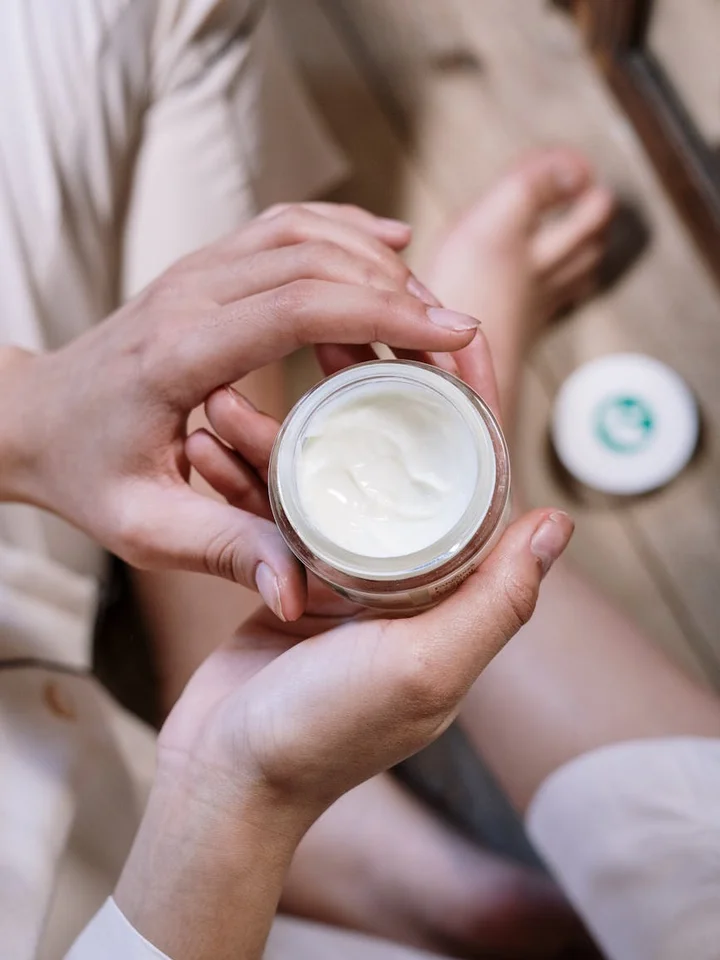
Think of your skin’s outermost layer, the stratum corneum, as a brick wall. The skin cells are the bricks, and a mixture of lipids (fats) is the mortar that holds them together. But what’s inside the bricks? That’s where your Natural Moisturizing Factors come in.
NMF isn’t one ingredient. It’s a team of water-loving players-like amino acids, PCA, and lactate-that your skin makes from a precursor protein called filaggrin. Imagine filaggrin as a tightly rolled-up scroll of instructions inside your skin cells. As a skin cell matures and moves to the surface, that scroll unfurls and breaks down into all those individual NMF components. It’s a brilliant, built-in recycling system.
These components are hydrophilic, which means they are magnets for water. They pull moisture from two places: from the humid air around you and, more reliably, from the deeper, water-rich layers of your skin below. NMF acts like a reservoir, holding water within your skin cells so they stay plump and hydrated, which in turn keeps your skin surface smooth and resilient.
This system prevents something called transepidermal water loss (TEWL), which is just a clinical term for water evaporating out of your skin. When your NMF reservoir is full, water stays put. My client Noah, who has dry skin, noticed his cheeks felt less tight and papery once we focused on supporting his skin’s natural hydration mechanics with the right products.
Formulation Pro-Tip: Working with NMF-Like Ingredients
In skincare, we can give your skin some of these building blocks directly. You’ll see ingredients like sodium PCA, amino acids, and urea on labels. Here’s what to know when you use them, especially when using peptides in skincare daily:
- These ingredients are highly water-soluble. You’ll find them most effective in water-based formulas like hydrating toners, essences, and lightweight serums or lotions. They’re meant to be absorbed quickly, not sit on top of your skin like a heavy oil.
- They are team players. NMF-like ingredients work beautifully with humectants like hyaluronic acid and glycerin to create a multi-layered hydration effect. A word of caution: at very high concentrations, some can leave a slight tacky feel on the skin until fully absorbed.
- pH matters. The natural acidity of your skin’s surface (its acid mantle) helps maintain the barrier. Some NMF components, like certain amino acids, are most stable and effective in slightly acidic formulations. This is one reason why well-balanced, pH-considered products often feel so good on the skin.
What Happens When Your NMF Runs Low?
When your skin’s supply of NMF dips, the hydration system breaks down. Without those tiny water magnets, skin cells become dehydrated, shrink, and don’t fit together well. This creates cracks in your barrier.
This state is clinically linked to conditions like xerosis (severely dry, rough skin) and is a major factor in atopic dermatitis (eczema). A compromised barrier is a leaky bucket-it not only fails to hold water in, but it also lets precious NMF components wash out easily during cleansing or even from sweating. This starts a frustrating cycle: dry, flaky skin becomes itchy, scratching damages the barrier further, and even more moisture escapes.
Production can slow down over time. Both intrinsic aging and, more significantly, sun damage (photoaging) can reduce your skin’s natural production of filaggrin. This means less raw material is available to be broken down into NMF. It’s a key reason why skin often feels drier as we get older and why diligent sun protection is a non-negotiable part of any long-term hydration strategy.
If you’re struggling with persistent, severe dryness or eczema, this is a clear sign to consult a dermatologist. They can help you build a routine that includes medical-grade barrier repair strategies for eczema alongside supportive, NMF-boosting skincare.
Everyday Habits That Help or Hurt Your NMF
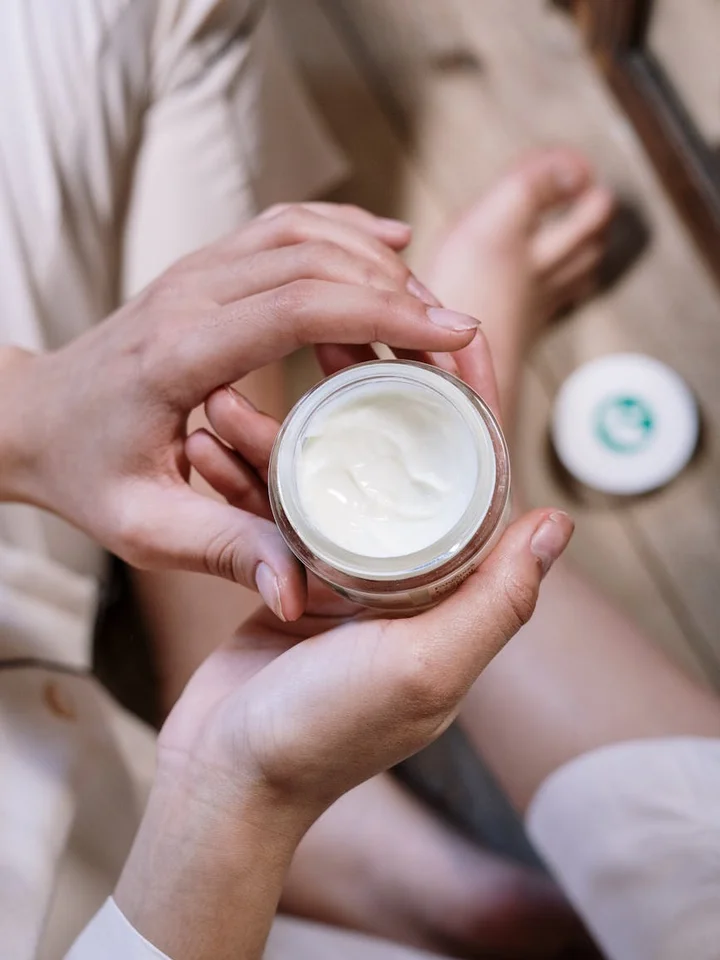
Think of your NMF as a team of tiny, hardworking sponges living in your skin. Some of your daily choices can either support this team or work against them.
Your NMF is water-soluble, which means it can be washed away. Long, hot showers or baths are one of the quickest ways to deplete your skin’s natural moisturizers. The heat strips lipids and sends your precious amino acids and urea right down the drain. Harsh, high-pH soaps or cleansers disrupt your skin’s slightly acidic protective barrier, making it harder for your NMF to hold onto water. Low humidity environments, like heated homes in winter or constant air conditioning, pull moisture straight from your skin, forcing your NMF to work overtime with less support.
My client Noah, with his dry, reactive skin, saw a huge change when he swapped his long hot showers for quick, lukewarm ones. His skin felt less tight and irritable almost immediately.
To support your NMF team, tweak these habits:
- Keep showers and baths short and use lukewarm water.
- Choose gentle, low-pH (often labeled “pH-balanced”) cleansers.
- Use a humidifier in dry rooms, especially while you sleep.
Over-cleansing doesn’t just remove dirt and oil; it literally washes your built-in moisturizers away. For most people, cleansing the face once or twice a day is plenty. Listen to your skin. If it feels tight or squeaky-clean, you’ve likely gone too far.
Boosting Your Skin’s Hydration from the Outside
While we protect the NMF we have, we can also give our skin a helpful, temporary hydration boost from the outside. It’s crucial to understand the difference between your skin’s own mechanics and the products you apply.
Your skin’s own NMF is endogenous (made inside), while humectants like glycerin or hyaluronic acid you apply are exogenous (coming from outside). Topical humectants like hyaluronic acid and glycerin are fantastic helpers. They sit on the skin’s surface or in its upper layers, attracting and holding water from the air and your deeper skin tissues. This creates a supplemental, hydrating layer that can plump the skin and reduce the look of fine lines, but it’s temporary. They need to be reapplied to maintain the effect.
Some skincare ingredients go a step further by either mimicking parts of your NMF or supporting the skin’s structure so its own NMF functions better.
- NMF Mimickers: Ingredients like Sodium PCA, amino acids, and low concentrations of lactic acid or urea directly supplement the skin’s natural water-holding compounds.
- Skin Barrier Support: Ingredients like ceramides, cholesterol, and fatty acids are the “mortar” between your skin cells. A strong barrier protects your NMF and prevents water loss, letting your natural hydration system work at its best.
How to Spot NMF-Friendly Ingredients on a Label
You don’t need a chemistry degree to find products that support your skin’s hydration. Start by scanning the ingredient list (usually after the first five components) for these friendly names. Then think about layering hydrating serums and moisturizers for a balanced routine.
- Sodium PCA
- Amino Acids (e.g., Serine, Glycine, Alanine)
- Lactic Acid (in low concentrations, often in moisturizers, not exfoliants)
- Urea
- Lactate (like Sodium Lactate)
Applying a humectant or NMF booster is only half the job; you must seal that hydration in with an occlusive. Think of it like filling a bathtub (adding water with a humectant) and then putting the plug in (sealing it with an occlusive). Look for moisturizers containing occlusive ingredients like squalane, shea butter, or even simple petrolatum to lock everything in place.
Here is a simple, effective evening routine for someone with dry, NMF-depleted skin, like my client Noah:
- Cleanse: Use a gentle, creamy, low-pH cleanser.
- Treat: Apply a serum containing amino acids and Sodium PCA to damp skin.
- Moisturize: Immediately follow with a moisturizer rich in ceramides and squalane.
If you’re trying a new product, especially one with lactic acid or urea, always patch test on a small area of your inner arm first to check for sensitivity.
Caring for Your Skin’s Natural Hydration System

Think of your skin’s barrier like a well-built brick wall. The skin cells (corneocytes) are the bricks, and the lipids (fats) holding them together are the mortar. Your Natural Moisturizing Factors are the internal moisture of the bricks themselves. A strong routine protects the entire structure.
The Holistic Hydration Strategy
You don’t need a complex, ten-step routine to support your NMF. You need a smart, consistent one focused on three pillars: protect, cleanse gently, and replenish intelligently.
- Protect Your Barrier: This is non-negotiable. Your stratum corneum can’t hold onto NMF if it’s damaged. Daily sunscreen shields it from UV damage that degrades proteins and lipids. For clients like Noah with reactive skin, I recommend avoiding physical scrubs and harsh acids that can strip away that precious mortar.
- Cleanse Gently: Many foaming cleansers, especially those with sulfates, are excellent at removing oil, but they also wash away your skin’s own hydrating factors. Switch to a gentle, non-foaming cream or gel cleanser that cleans without leaving your skin feeling tight or squeaky. This simple change made a huge difference for Lina’s sensitive cheeks.
- Choose Supportive Hydrators: Look for products that contain ingredients that either mimic NMF or help your skin produce them. These are often called “humectants.”
Working With Your Skin’s Chemistry
Not all hydrators are the same. The goal is to add ingredients that bind water in a way your skin recognizes and can use, such as ceramides.
For a client like Maya with oily, acne-prone skin, a lightweight serum with glycerin and sodium PCA delivers hydration without heavy oils. For oily skin, pair this approach with an oil-free moisturizer to seal hydration without added shine. Look for noncomedogenic, oil-free formulas that keep pores clear while maintaining moisture. Someone with Noah’s dry skin benefits from a richer cream that pairs urea or amino acids with ceramides to repair the lipid mortar.
Applying products to damp skin is one of the most effective tricks I teach in the clinic. It gives those humectant ingredients immediate water to bind to, locking it into your skin just like your natural NMF does.
The Long-Term Goal: A Self-Sufficient System
Healthy skin naturally maintains its optimal NMF levels. Our job is to stop habits that deplete it and start habits that support it. This is a more sustainable strategy than constantly trying to fix a broken barrier with heavy creams.
Factors like diet (especially adequate protein and essential fatty acids), managing stress, and even the humidity in your home play a role. A supportive skincare routine creates the foundation, allowing your skin’s own brilliant chemistry to do its job.
Understanding NMF turns hydration from a mystery into a simple equation. It’s not about drowning your skin in product, but about choosing the right allies that help your skin help itself. This knowledge empowers you to skip the hype, simplify your routine, and make confident choices for lasting, healthy hydration.
Your Quick Guide to NMF and Lasting Hydration
How is my skin’s own NMF different from humectants I apply topically?
Your endogenous NMF is a complex, integrated part of your skin cells’ structure, designed for long-term water retention. Topical humectants like glycerin are excellent supplemental hydrators that sit on or between cells, but their effect is more temporary and needs consistent reapplication.
Does aging actually change my skin’s ability to produce NMF?
Yes, both natural aging and, more significantly, sun exposure (photoaging) can reduce your skin’s production of filaggrin, the protein that breaks down into NMF. This is a key reason skin often becomes drier over time, highlighting why daily sunscreen is a foundational hydration step.
What specific role do NMF components play in my skin’s barrier health?
By keeping skin cells plump and hydrated, NMF helps maintain a smooth, intact surface layer that physically blocks irritants and allergens. This hydration also supports the ideal acidic environment for the enzymes that keep your lipid barrier strong and cohesive.
Caring for Your Skin’s Natural Moisturizers
Think of your skin’s Natural Moisturizing Factors as a precious, built-in reservoir. The most effective way to care for your skin is to protect this system by being gentle and supplementing it wisely. Your daily choices, from cleanser to moisturizer, directly support or deplete these vital hydrators.
- Cleanse with a gentle, low-pH formula to avoid stripping NMF.
- Look for humectants like glycerin and hyaluronic acid in your serums and moisturizers.
- Always follow humectants with a barrier-supporting moisturizer containing ceramides or fatty acids.
- Protect your skin’s hard work every single morning with a broad-spectrum sunscreen.
- Support your skin from within by staying hydrated and managing environmental stressors.
Your skin’s chemistry is uniquely yours, and finding the right balance is a journey. I’m here to help guide it. For more science-backed tips and cruelty-free product insights, follow the LuciDerma blog. If you have questions about your routine or how to choose NMF-friendly products, send them my way.
Related Guides and Information
- Natural Moisturizing Factors + HA | The Ordinary
- Amazon.com: The Ordinary Natural Moisturizing Factors + Hyaluronic Acid, Lightweight Hydrator for Skin Barrier Support & Hydration, Travel Size, 1 Fl Oz : Beauty & Personal Care
- Understanding the Role of Natural Moisturizing Factor in Skin Hydration
Lucy Zimmerman
Lucy is an expert author and blogger when it comes to skin care and body care. She has first hand expertise acting as skin care consultant for over 5+ years helping her clients achieve smooth blemish free skin with natural and working remedies. She also has been an avid experimenter and tried out all the natural and artificial remedies and treatments so you can learn from her first hand experience. Additionally, she has traveled to many countries around the world and incorporated the skin care routines she has learnt into this blog. So, wait no more, reach out to Lucy if you have any specific needs and follow her blog, LuciDerma for expert skin care advice.