
Gentle Chemistry: How to Choose Soothing Ingredients and Avoid Triggers for Rosacea-Prone Skin
If your skin flushes or stings unpredictably, I understand the frustration. Let’s translate the complex chemistry of rosacea care into clear, usable advice you can trust.
By the end of this article, you will be able to:
- Identify the key soothing ingredients that calm redness by strengthening your skin’s barrier.
- Spot and avoid common formula components that often provoke irritation and flare-ups.
- Confidently select gentle, effective products that align with your skin’s needs.
You have the power to create a routine that makes your skin feel settled and secure.
Getting to Know Your Rosacea: More Than Just Redness
Rosacea is a chronic inflammatory skin condition. While redness and visible blood vessels are the most recognized signs, the core issue is often profound sensitivity and reactivity. Your skin isn’t just changing color. It’s sending out constant distress signals. Some people find that botanicals like mugwort and centella can influence rosacea sensitivity, so choosing ingredients carefully matters. Understanding these interactions can help tailor a gentler skincare routine for sensitive skin.
Think of rosacea-prone skin like a sensitive smoke alarm installed right next to your kitchen stove. A tiny bit of steam from boiling water sets it off, screaming just as loudly as it would for a real fire. For your skin, triggers like a warm room, a sip of wine, or a new moisturizer can set off that same intense, disproportionate alarm of inflammation and flushing.
Those triggers are highly personal. Common ones include:
- Spicy foods and hot drinks
- Emotional stress
- Sun exposure and extreme temperatures
- Wind and harsh weather
Figuring out your unique list is a personal detective job. A food diary or a simple skin journal can be more useful than any lab test.
Underneath this reactivity, there’s often a compromised skin barrier. This is your skin’s outermost protective shield. When it’s damaged, moisture escapes and irritants sneak in more easily. I think of my client Noah, who came in with dry, persistently pink cheeks. He was using a “clarifying” toner twice a day, thinking it would help. He was actually stripping his barrier raw, making his skin wide open to every trigger in his environment. His journey to calmer skin started not with adding something, but with stopping the product that was breaking down his defenses.
Ingredient Red Flags: What to Leave on the Shelf
Consider this your ‘do not buy’ list for sensitive, rosacea-prone skin. Reading ingredient labels becomes your most important skincare skill.
Let’s start with scent. ‘Fragrance’ or ‘parfum’ on a label is a chemical cocktail, and its exact composition is a trade secret. Essential oils, while natural, are potent plant compounds that are common sensitizers. Both synthetic fragrance and essential oils can directly irritate nerve endings and blood vessels in rosacea-prone skin, leading to immediate flushing or a delayed rash. Your safest bet is to seek out products explicitly labeled “fragrance-free” (not just “unscented”).
Alcohols need a clear distinction. Hasty, evaporative alcohols like SD Alcohol, Denatured Alcohol, or Isopropyl Alcohol are often high up in toners or gel cleansers. They strip the skin’s natural oils instantly, damaging that crucial barrier. Fatty alcohols, like Cetyl or Stearyl Alcohol, are entirely different. These are creamy, moisturizing agents derived from fats and are typically gentle and beneficial. Understanding how denatured alcohol differs from fatty alcohols helps explain the different effects on the skin’s moisture and barrier. This distinction underpins how we evaluate alcohol skincare denatured fatty effects and guides formulation choices.
Exfoliation requires a gentle touch. Avoid physical scrubs with jagged particles like walnut shells or apricot pits. They create micro-tears. Similarly, strong chemical exfoliants like glycolic acid peels or high-percentage salicylic acid serums can be too provocative. If you exfoliate, it should be an occasional act of care, not a daily assault. A mild PHA or a very low-dose, well-buffered lactic acid formula might be tolerated by some, always with caution, especially when considering the exfoliating properties of acids for different skin types.
Other common triggers lurk in many products:
- Witch Hazel: Unless it’s explicitly alcohol-free, the distilled form is high in drying alcohol and can be very irritating.
- Certain Preservatives: For some individuals, parabens can be a trigger. This is highly personal, but if you suspect it, look for alternative preservative systems.
- Harsh Surfactants: Sulfates like Sodium Lauryl Sulfate (SLS) in cleansers can be too stripping. Gentler cleansing agents are a better foundation for your routine.
So, which common cosmetic ingredients are known triggers for flushing and inflammation? To recap, your primary suspects are: high-content drying alcohols, synthetic fragrance, most essential oils (especially citrus and mint families), abrasive physical scrubs, and strong, low-pH acid exfoliants. Building a calm complexion starts with what you choose to leave out of your routine, giving your skin’s barrier the peace it needs to repair itself.
The Chemistry of Calm: How Soothing Agents Really Work
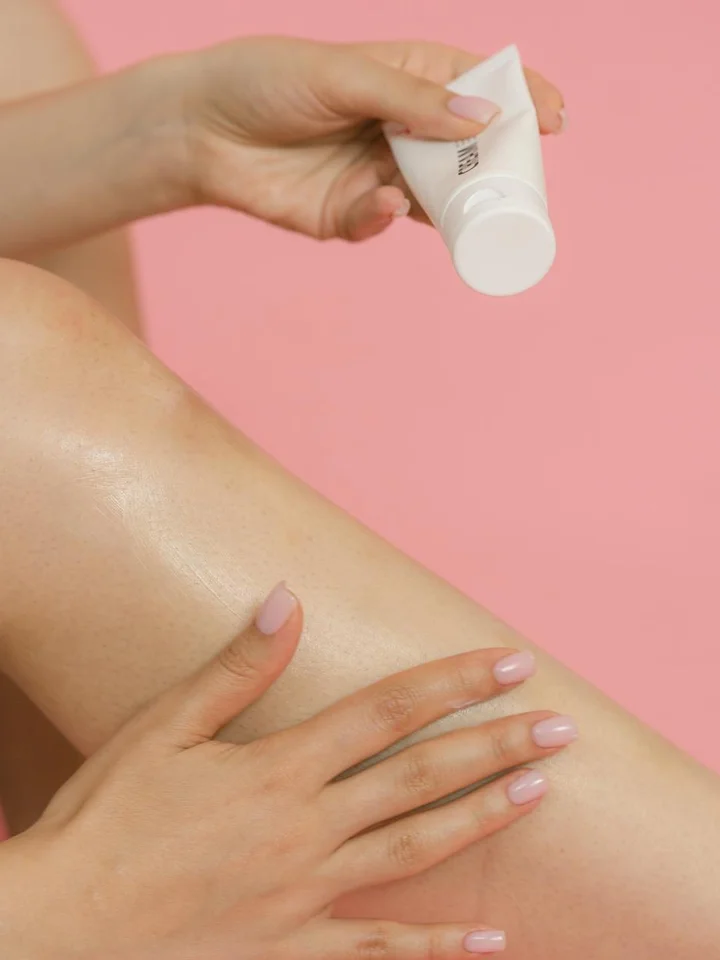
When your skin flares up, it’s sending a distress signal. Soothing ingredients are the first responders. They work through three main chemical actions: reducing inflammation, repairing your barrier, and calming visible redness.
Anti-Inflammatory, Barrier-Repairing, and Vasoconstrictive
Anti-inflammatory agents intercept the chemical messengers that cause swelling and heat. Think of them like turning down the volume on your skin’s alarm system. Barrier-repairing ingredients, like ceramides and fatty acids, act as mortar between your skin cells, sealing in moisture and keeping irritants out. Vasoconstrictive agents temporarily narrow the tiny, dilated blood vessels that cause persistent background redness.
An effective soothing agent for rosacea will often combine two or more of these properties to address multiple symptoms at once.
Molecular Size Matters
Not all ingredients are created equal in how they interact with your skin. Larger molecules, like hyaluronic acid or colloidal oatmeal, tend to sit on the surface. This is great for providing immediate hydration and protection without a high risk of penetration that could lead to stinging. Smaller molecules, like certain antioxidants, can sink in deeper to work from within. For reactive skin, starting with larger, surface-level soothers is often the gentlest approach.
FAQ: What are the key chemical properties of soothing agents effective for rosacea-prone skin?
Look for ingredients that are amphoteric (they can calm both acidic and alkaline imbalances), have a high antioxidant capacity to neutralize free radicals from inflammation, and are non-denaturing so they don’t disrupt your skin’s delicate proteins. They should be formulated at a stable pH and in non-irritating vehicles, like gels or creams free from volatile alcohols.
The pH Factor: Why Slightly Acidic is Your Ally
Your skin’s barrier, known as the acid mantle, naturally sits at a pH of around 4.5 to 5.5. This mildly acidic environment keeps the skin’s microbiome balanced and enzyme activity optimal for barrier repair. Alkaline soaps (with a pH of 8 or higher) strip this acid mantle. It can take hours for your skin to rebalance, leaving it vulnerable to irritation, dryness, and bacteria.
Using a cleanser and moisturizer with a pH close to 5.5 supports your skin’s natural defense system instead of fighting against it.
FAQ: What is the role of pH in cleansers and moisturizers for sensitive, rosacea-prone skin?
The role is foundational. A pH-balanced formula cleanses without compromising your skin’s protective layer. It’s like using a gentle, targeted tool instead of a harsh solvent. This prevents the tight, “squeaky-clean” feeling that signals your barrier has been disrupted, which is a major trigger for rosacea flares.
Spotlight on Super-Soothers: Niacinamide, Azelaic Acid, and More
Let’s get specific about the all-star ingredients that deliver on the chemistry we just discussed.
Niacinamide (Vitamin B3)
Niacinamide is a multitasker beloved by estheticians for reactive skin. It works by boosting your skin’s own production of ceramides and fatty acids, directly fortifying the skin barrier. This strengthening effect naturally helps reduce redness and improve hydration. It’s also anti-inflammatory, helping to quiet the flare-up response. This underscores the niacinamide skin barrier benefits that support a robust, well-hydrated barrier.
Because it supports your skin’s natural processes rather than aggressively intervening, niacinamide is exceptionally well-tolerated even on visibly compromised barriers. I often suggest starting with a concentration between 5% and 10% in a serum or moisturizer. For practical, step-by-step guidance, refer to the niacinamide usage guidelines. They cover dosing, frequency, and product layering to help you use it safely.
Azelaic Acid
Azelaic acid is a powerhouse for the bumpy, acne-like papules and pustules that sometimes accompany rosacea. It has potent anti-inflammatory and antimicrobial properties, calming irritation and keeping pore-clogging bacteria in check. It also helps normalize skin cell turnover.
While it’s effective, it can cause a transient tingling sensation when you first use it. This is why it’s often recommended to start with an over-the-counter formulation (usually around 10%) before considering a prescription strength.
FAQ: How do calming agents like niacinamide or azelaic acid interact with compromised skin barriers?
Niacinamide acts as a repair crew, supplying the raw materials to rebuild a weak barrier. Azelaic acid is more like a specialized security team that manages inflammation and microbes on a compromised site. They can work together beautifully: niacinamide repairs the fence, while azelaic acid patrols the yard. A quick niacinamide azelaic acid comparison highlights their distinct strengths. Together, they complement each other for a balanced skincare approach.
Other Gentle Heroes
- Centella Asiatica (especially Madecassoside): This plant extract is a profound anti-inflammatory. It feels like a cool, calming whisper on hot, angry skin. It’s fantastic in light serums or gels.
- Colloidal Oatmeal: This finely ground oat forms a protective, breathable film on the skin. It’s supremely soothing and anti-itch-think of it as a comforting, protective blanket in a balm or cream.
- Licorice Root Extract (Glabridin): A natural brightener that also reduces redness by inhibiting pigment production and calming inflammation. It’s a gentle alternative for addressing post-flare discoloration.
This is the type of centella and niacinamide serum I recommended to Lina for her reactive T-zone. It gave her the calming effect she needed without any heaviness that could worsen oiliness.
The “What to Mix & What to Avoid” Matrix
Here’s a simple guide to pairing your soothing actives safely. Always patch test a new combination on a small area of your jawline or inner arm first.
| Ingredient | Safe to Mix With | Best Avoided With | Why |
|---|---|---|---|
| Azelaic Acid | Niacinamide, moisturizers, Centella Asiatica | Strong prescription retinoids (like tretinoin), very high-percentage Vitamin C (20%+) | Can cause excessive dryness, stinging, or irritation when paired with other potent actives. |
| Niacinamide | Almost everything: Hyaluronic Acid, Peptides, Azelaic Acid, most moisturizers. | Exceptionally high concentrations of direct Vitamin C (L-ascorbic acid) in a single formula* | Older studies suggested conflict, but modern formulations are stable. If your skin is ultra-sensitive, separate their application by a few minutes. |
| Centella Asiatica | All other soothing agents, peptides, moisturizers. | Nothing specific. It’s a great team player. | It is profoundly calming and unlikely to conflict with other barrier-supportive ingredients. |
| Licorice Root Extract | Niacinamide, antioxidants, sunscreen. | Other strong, direct brighteners like high-dose kojic acid. | Using multiple strong brighteners simultaneously can increase sensitivity. |
*For most people, mixing niacinamide and vitamin C is fine, but if you have severe rosacea, separating them (Vitamin C in AM, Niacinamide in PM) is a cautious approach.
Building Your Gentle Routine: A Step-by-Step Plan
Think of your rosacea routine as a predictable, gentle friend. The goal is to support your skin barrier and calm inflammation without any surprises. Here is a simple template that puts the chemistry of soothing into daily practice.
Your core routine follows four steps: cleanse, treat (soothe), moisturize, and protect in the morning. Stick with this pattern, and your skin will learn it can relax.
Your Daily Rosacea-Soothing Template
Morning (AM):
- Cleanse: Use lukewarm water and a tiny amount of your cream cleanser. Massage gently for 30 seconds, then rinse thoroughly. Pat your face dry with a clean, soft towel-never rub.
- Treat (Soothe): Apply a hydrating serum or toner with ingredients like niacinamide or panthenol. This step delivers concentrated calming agents to damp skin.
- Moisturize: Lock in that treatment layer with a gel-cream moisturizer. This texture hydrates without feeling heavy or occlusive.
- Protect: This is non-negotiable. Apply a generous amount of a mineral (zinc oxide/titanium dioxide) sunscreen. It acts as a physical shield against heat and UV light, two major rosacea triggers.
Evening (PM):
- Cleanse: Repeat your gentle morning cleanse. If you wore makeup or heavy sunscreen, you can do this twice (the “double cleanse”) but use the same mild cream cleanser both times.
- Treat (Soothe): This is your second chance to apply a calming serum. For clients like Noah, this evening treatment step is where skin does its best repair work.
- Moisturize: Use your gel-cream again, or if your skin feels particularly dry, you can opt for a slightly richer cream. Listen to what your skin needs that night.
Why Texture Matters
The physical feel of a product can be as important as its ingredients for reactive skin.
- Cream Cleansers: These are often non-foaming and rinse clean without stripping your skin’s natural oils. They feel soothing as you massage them in.
- Gel-Cream Moisturizers: This hybrid texture is my top recommendation. It provides the hydration of a cream with the light, breathable finish of a gel, which is perfect for combination skin like Lina’s.
- Mineral Sunscreens: They sit on top of the skin to deflect light. Modern formulas blend much better than the thick, white pastes of the past. Look for ones labeled “tinted” if you’re concerned about a white cast.
The Two Golden Rules of Introduction
Your skin’s tolerance is your most important guide. Follow these rules to avoid setting off a flare.
First, patch test every single new product for a full week. Apply a dime-sized amount to a discreet area like behind your ear or on your inner forearm. Watch for any redness, itching, or bumps.
Second, only introduce one new product at a time, with at least two weeks between introductions. If your skin reacts, you’ll know exactly which product caused it. This patience saved my client Maya from a major flare when a popular “calming” toner turned out to contain a hidden irritant for her.
Contraindications & Safety Warnings
While a gentle routine provides excellent support, it is not a cure. There are times when your number one job is to stop and seek professional care.
Pause your routine and consult a dermatologist or your doctor if you experience any of the following:
- An active, weeping, or blistering flare-up. Applying even gentle products over broken skin can worsen it.
- Any signs of infection, like severe burning, pus, or yellow crusting.
- You are using prescription rosacea medications (like metronidazole or ivermectin) and want to change your routine. Your doctor needs to guide that process.
- You are pregnant, breastfeeding, or trying to conceive. Some generally safe ingredients, like certain acids, require extra caution during this time.
- Your skin is not improving, or symptoms are worsening despite consistent gentle care.
This guide is for supportive skincare and is not a substitute for medical diagnosis or treatment. A dermatologist can provide treatments that go beyond what topical skincare can achieve.
Let me say it one more time, because it’s that important: the patch test is your most powerful tool for safety. It lets your skin vote on a product before it goes anywhere near your entire face.
Rosacea Formulation FAQs
What ingredients should I absolutely avoid in my rosacea skincare?
Avoid high-content drying alcohols (like SD Alcohol), synthetic fragrance, and essential oils, as they directly irritate nerve endings and compromise your skin barrier. Also, steer clear of harsh physical scrubs and strong acid exfoliants, which can cause micro-tears and inflammation.
How can I tell if a “calming” ingredient will truly work for my sensitive skin?
Look for ingredients with anti-inflammatory and barrier-repairing properties, like niacinamide or centella asiatica, which strengthen your skin’s defenses. Opt for formulas with a pH close to 5.5 and non-irritating textures, as these support your skin’s natural balance without provoking a reaction.
Why is “fragrance-free” so much better than “unscented” for reactive skin?
“Fragrance-free” means no masking fragrance chemicals were added, while “unscented” products often contain neutralizers to hide chemical smells. These hidden compounds can still trigger flushing and irritation in rosacea-prone skin, making truly fragrance-free formulations the safer choice.
Building Your Rosacea-Soothing Sanctuary
The most powerful step you can take is to shift your mindset from fighting your skin to supporting it. Your routine should be a consistent, gentle practice that prioritizes barrier repair and avoids inflammatory triggers. This calm, evidence-based approach is what truly helps rosacea-prone skin find its balance.
- Always patch test a new product on your inner arm for 48 hours before applying it to your face.
- Seek out key calming agents like niacinamide, madecassoside, and colloidal oatmeal in your serums and moisturizers.
- Remove products with denatured alcohol, synthetic fragrance, or essential oils like peppermint or citrus from your shelf.
- Make a fragrance-free, mineral sunscreen your non-negotiable final morning step.
- Streamline your routine to a gentle cleanser, one targeted treatment, and a moisturizer to minimize variables.
I hope this guide helps you read ingredient lists with new confidence. If you have questions about a specific product or your unique skin needs, I welcome you to share them. Remember, caring for reactive skin is a journey, and I’m here to offer reliable, sustainable advice every step of the way.
Research and Related Sources
- These Rosacea-Friendly Products Help Stressed Skin Find Its Chill | Allure
- Top Rosacea Skincare Products Dermatologists Recommend – Forefront Dermatology
- The Top 6 Ingredients to Calm Redness in Rosacea-Prone Skin – Riversol
- The Best Ingredients for Rosacea-Prone Skin – Vivant Skin Care
- Top Skincare Ingredients That Help With Rosacea – Prequel
- 7 rosacea skin care tips dermatologists recommend
- 15 Best Skin-Care Products for Redness and Rosacea 2025 | The Strategist
Lucy Zimmerman
Lucy is an expert author and blogger when it comes to skin care and body care. She has first hand expertise acting as skin care consultant for over 5+ years helping her clients achieve smooth blemish free skin with natural and working remedies. She also has been an avid experimenter and tried out all the natural and artificial remedies and treatments so you can learn from her first hand experience. Additionally, she has traveled to many countries around the world and incorporated the skin care routines she has learnt into this blog. So, wait no more, reach out to Lucy if you have any specific needs and follow her blog, LuciDerma for expert skin care advice.