
Retinoids and Azelaic Acid: Your Guide to Combining Them for Clearer Skin
If you’re wondering whether you can mix retinoids and azelaic acid in your routine, that’s an excellent question. Combining them is often a smart, powerful strategy for treating both acne and rosacea.
By the end of this guide, you’ll know exactly how to make these two ingredients work together for you.
- How to layer them correctly in your morning and evening routines.
- Why this combination is so effective for reducing breakouts and redness.
- How to minimize potential irritation and start safely.
Let’s build a plan that makes your skin feel calm and look clear.
The Short Answer: Yes, and Here’s How to Do It Safely
You absolutely can use retinoids and azelaic acid together. I do, and I guide my clients through it regularly. This combination is one of my favorite strategies for treating both acne and rosacea.
Think of them not as rivals, but as complementary teammates on your skin’s roster. One focuses on cellular renewal deep down, while the other manages surface-level congestion and inflammation. Used correctly, they cover more ground than either could alone.
The key is smart, gentle layering, not an aggressive assault on your skin. Your goal is to build a routine where these powerful ingredients support each other without overwhelming your skin barrier. Patience and order matter more than force.
Meet Your New Power Players: Retinoids & Azelaic Acid
Let’s break down what each of these ingredients actually does for you.
Retinoids: The Cell Communicator
In simple terms, a retinoid is a vitamin A derivative that communicates with your skin cells. It tells them to speed up their renewal cycle. Old, dull cells shed faster, and newer, healthier ones come to the surface. This process helps unclog pores, smooth fine lines, and fade dark spots.
There’s a range of options:
- Prescription retinoids (like tretinoin) are the strongest and work directly on your skin’s receptors.
- Retinol (found in many serums) is a gentler, over-the-counter option that your skin converts into active retinoic acid.
Both are effective, but prescription strength comes with a higher chance of initial dryness and irritation.
Azelaic Acid: The Multi-Tasking Soother
Azelaic acid is a bit of an overachiever. It’s a naturally occurring acid that’s remarkably gentle. It works in three key ways: it kills acne-causing bacteria inside the pore, it helps normalize keratinization (that’s the process that can lead to clogged pores), and it’s a brilliant anti-inflammatory that visibly calms redness, especially in people with rosacea-affected skin.
Unlike some other acids, azelaic acid calms redness and unclogs pores without stripping or sensitizing most skin types. It’s a fantastic choice for anyone dealing with both bumps and flushing, especially when compared to harsher treatments like benzoyl peroxide.
I think of my client, Maya. When she started using a retinoid for her persistent adult acne, it began clearing her clogged pores beautifully. But it also caused some temporary redness and sensitivity, which made her self-conscious. That’s where azelaic acid came in. We added a 10% formulation in the morning. It calmed the redness the retinoid caused while tackling any active bumps, making her skin look clearer and more even-toned faster. It was the perfect partner to help her skin adjust.
Why This Combination is a Skin Superpower
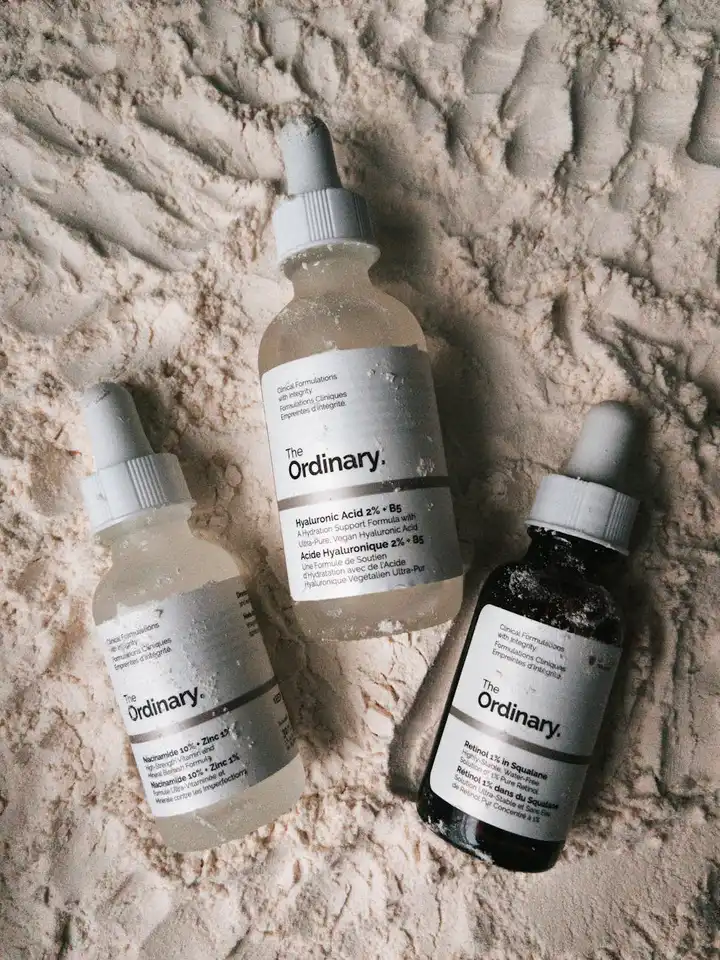
Think of retinoids and azelaic acid not as competitors, but as a perfectly coordinated team. One works on the deeper layers of your skin, while the other manages the surface. Together, they tackle multiple concerns at once, often more effectively than either could alone.
The real magic happens because they work through different, complementary pathways. Retinoids, like retinol or prescription tretinoin, communicate with your skin cells deep in the dermis. They speed up cellular renewal, helping to unclog pores from the bottom up and stimulate collagen. Azelaic acid, on the other hand, is a multitasker that works primarily on the surface. It has anti-inflammatory, antimicrobial, and melanin-inhibiting properties.
Benefits for Acne-Prone Skin
For my client Maya, who deals with persistent breakouts and the dark marks they leave behind, this duo was a game-changer. Here’s what it can do:
- Reduces active pimples: Azelaic acid directly targets the bacteria that contribute to acne and calms inflammation, helping angry, red pimples settle down faster.
- Prevents new clogged pores: The retinoid keeps pores clear by normalizing skin cell turnover, while azelaic acid also helps to gently exfoliate the pore lining.
- Fades post-acne marks (PIH): This is where they shine as a pair. Azelaic acid actively inhibits melanin production to lighten dark spots, while the retinoid helps fade them by bringing fresher, clearer skin to the surface more quickly.
Benefits for Rosacea-Prone Skin
For someone like Noah, with sensitive, redness-prone skin, the idea of adding a retinoid can be scary. But when paired with azelaic acid or glycolic acid, it can be transformative. The combination:
- Reduces background redness and visible blood vessels: Azelaic acid is a first-line treatment for this. It constricts dilated capillaries and is a potent anti-inflammatory.
- Calms papules and pustules: These are the small, red, bumpy breakouts common in rosacea. Azelaic acid is exceptionally good at reducing these.
- Strengthens the skin barrier: Unlike some acne treatments, azelaic acid can actually support barrier health. When paired with a gentle retinoid, this helps the skin become more resilient and less reactive over time.
Using them together creates a cycle of renewal and calm: the retinoid rebuilds skin infrastructure, while azelaic acid keeps the surface clear, soothed, and even-toned.
Retinoid vs. Azelaic Acid: Picking Your Primary Focus
While they work well together, you might start with one based on your skin’s most pressing need. Think of it as choosing which team captain to put in charge first. This table breaks down their core strengths.
| Retinoids (e.g., Retinol, Tretinoin) | Azelaic Acid | |
|---|---|---|
| Best For | Anti-aging (fine lines, wrinkles), severe/cystic acne, improving skin texture and thickness, preventing clogged pores. | Rosacea (redness, papules), mild-to-moderate inflammatory acne, fading post-acne marks and melasma, sensitive skin. |
| How It Works | Binds to receptors in skin cells to increase turnover, boost collagen, and normalize pore function. Works at a cellular level. | Anti-inflammatory and antimicrobial; reduces keratin buildup; inhibits tyrosinase (the enzyme that makes pigment). Works on the skin’s surface and within pores. |
| Ideal Skin Type | Oily, acne-prone, aging, or resilient skin that can handle potential irritation during the “retinization” period. | Sensitive, redness-prone, rosacea-affected, or skin that stings easily. Also excellent for acne-prone skin that can’t tolerate benzoyl peroxide. |
Choose a retinoid as your primary focus if your main goal is anti-aging or you’re dealing with severe, stubborn, or cystic acne that originates deep in the pore. It’s the long-term strategist for rebuilding skin health. Understanding the tretinoin treatment timeline can help you anticipate improvements in both acne and aging, and with consistent use you’ll typically see gradual changes over weeks to months.
Choose azelaic acid first if you have sensitive, rosacea-prone skin or mild-to-moderate acne accompanied by significant redness and dark marks. It’s the gentle but powerful first responder that calms inflammation immediately while working on clarity and tone. Many of my clients like Lina, who have combination skin with sensitivity, find azelaic acid is the perfect gentle entry point before considering a retinoid. Where hyperpigmentation is a concern, we may discuss adding gentle options like glycolic acid or retinol in a phased plan after azelaic acid. These steps target tone and texture while staying mindful of sensitivity.
Your Step-by-Step Routine for Combining Them

Think of introducing retinoids and azelaic acid like training for a marathon. You wouldn’t run 10 miles on your first day. You start slow, listen to your body, and build endurance. Your skin needs the same thoughtful approach.
Phase 1: The Cautious Introduction (Weeks 1-4)
Your first goal is to make friends with one ingredient before introducing the other. For most people, especially those with rosacea or sensitivity, azelaic acid is the gentler first date.
Start by applying a pea-sized amount of your azelaic acid product (like a 10% serum or cream) every other night, after cleansing on completely dry skin. Use it on its own for two full weeks.
This two-week “azelaic acid only” period lets your skin acclimate to its texture and sensation without the added intensity of a retinoid.
After two weeks, you can introduce a gentle retinoid on the alternating nights. Here’s a sample schedule for your first month:
- Monday Night: Cleanse, Azelaic Acid, Soothing Moisturizer.
- Tuesday Night: Cleanse, Retinoid (a pea-sized amount), Soothing Moisturizer.
- Wednesday Night: Cleanse, Soothing Moisturizer only (a “rest night”).
- Thursday Night: Cleanse, Azelaic Acid, Soothing Moisturizer.
- Repeat this pattern.
Your moisturizer during this phase is non-negotiable. Look for formulas with ceramides, oat, or panthenol. And your morning sunscreen is your best friend. Azelaic acid and retinoids make your skin more sun-sensitive.
Phase 2: Building Up to Layering (If Your Skin Tolerates It)
If, after a month of alternating, your skin feels calm-no stinging, unusual redness, or peeling-you might consider layering them on the same night for enhanced benefits. Not everyone needs to do this. My client Noah, with his dry, reactive skin, still prefers them on separate nights.
The golden rule for layering is: apply azelaic acid first, wait for it to dry completely (about 5-10 minutes), then apply your retinoid. Azelaic acid often has a lower pH and a lighter texture, so it goes on first. When layering brighteners with retinoids, apply them in the same staggered fashion and let each layer dry before the next. If you’re using a brightener, consider using it in the morning and the retinoid at night to minimize irritation.
Here are two concrete evening routine examples for layering:
Example 1: The Serum Routine
- Cleanse with a gentle, creamy wash.
- Pat face dry. Apply a thin layer of azelaic acid serum all over.
- Wait 10 minutes. Your skin should feel dry, not tacky.
- Apply your retinoid serum or lotion.
- Follow with a barrier-supporting moisturizer.
Example 2: The Cream Routine
- Cleanse and pat face dry.
- Apply your azelaic acid cream (it’s often formulated as a cream).
- Wait 5 minutes for it to absorb.
- Apply your retinoid cream.
- You can skip an extra moisturizer here if the creams are rich enough, but never skip if your skin feels tight.
Phase 3: The Maintenance Rhythm
Very few skins need or can handle this powerful combo every single night. For most, the sweet spot is 3 to 4 nights a week. You might do two nights of layering and one night of just a retinoid, for example.
Your skin’s behavior is your best guide. Flaking, stinging, or increased redness are clear signs to take a step back and add more rest nights.
A rest night is simple: cleanse, apply a hydrating serum if you like, and seal it in with a calming moisturizer. This gives your skin barrier a chance to repair and rebuild, which is where the long-term magic happens.
The Interaction Matrix: What to Mix and What to Avoid
Now you have your core duo. Here’s what else you can safely bring into your routine, and what you should temporarily bench.
Play Well With Others (Your Supporting Cast):
- Soothing Ceramides & Cholesterol: Found in moisturizers, they actively repair your skin barrier, countering potential irritation.
- Niacinamide (5% or less): This superstar helps regulate oil, reduce redness, and improve barrier function. It’s a perfect morning partner or can be used before your evening actives.
- Hyaluronic Acid: A hydration hero. Apply it to damp skin before your azelaic acid to plump and buffer.
- Gentle Peptides: These support collagen without irritation, great for rest nights or mornings.
Pause These For Now:
- Other Direct Acids (AHA/BHA): Using glycolic, salicylic, or lactic acid on the same night as your retinoid and azelaic acid is a recipe for overload. It strips your barrier, causing irritation. Use them on separate mornings or rest nights only if your skin is fully acclimated.
- Strong Physical Scrubs: Any gritty exfoliant can create micro-tears in skin that’s adjusting to actives, leading to inflammation. Stick to chemical exfoliation only, and sparingly.
- High-Concentration Vitamin C (L-ascorbic acid): This is also acidic and can be stimulating. It’s fine once your skin is rock-solid in its routine (think month 3+), but early on, it’s an unnecessary variable that might cause tingling or redness.
The reason to avoid these combinations initially is simple: you want controlled, effective action, not a rebellion on your face. Overloading on active ingredients compromises your skin barrier, the very thing that keeps your skin healthy, hydrated, and protected.
Contraindications: When to Press Pause or Avoid
Even the best power couple isn’t right for every situation. Using retinoids and azelaic acid together is a strategic move, but there are times you need to hold off.
The most important rule is to avoid starting this combination if you are pregnant, breastfeeding, or trying to conceive, unless your doctor has explicitly approved it. While topical azelaic acid is often considered a pregnancy-safe option, prescription retinoids like tretinoin are not. Always get personalized medical advice first.
Don’t begin this routine if your skin barrier is currently compromised. If your face feels raw, looks sunburned, is actively flaking from a recent peel, or you’re in the middle of an eczema flare, your skin needs to heal, not be challenged.
Think of it like applying a deep-conditioning treatment to severely damaged hair, it just won’t absorb properly and can cause more stress.
If you have a history of extremely reactive skin or conditions like rosacea or eczema, proceed with extra caution. I always advise clients like Noah, who has dry, reactive skin, to do a long patch test. Apply the products to a small area on your neck or behind your ear for a week before committing your whole face. Consulting a dermatologist to create your plan is a smart move here.
Navigating the “Retinoid Uglies”: Side Effects and Soothing Solutions
When you introduce this duo, your skin might have a brief period of adjustment, often nicknamed the “retinoid uglies.” This is common and usually temporary.
You might experience some flaking, dryness, redness, or a mild tingling sensation when you apply products. Some people, especially those prone to acne like my client Maya, also go through a “purging” phase where trapped congestion comes to the surface faster. This typically peaks within 2-4 weeks and then subsides.
Experiencing some flakiness or purging is often a sign your skin is reacting to the increased cell turnover, not necessarily a sign of disaster. You can proactively minimize this irritation with a few simple tactics.
- Use the “Sandwich Method”: Apply a layer of a simple, calming moisturizer to slightly damp skin, wait for it to absorb, then apply your pea-sized amount of retinoid or azelaic acid, and follow with another light layer of moisturizer. This buffers the actives.
- Start with a tiny amount. You do not need a thick layer. A pea-sized dose for your entire face is more than enough.
- Space out your applications. Begin by using the combination just 2-3 nights a week, slowly increasing frequency as your skin tolerates it.
- Always apply your products to completely dry skin. Applying to damp skin can increase penetration and potential irritation.
What if your skin feels angry, tight, or stings beyond mild tingling? If noticeable irritation occurs, your first step is to press pause on both actives immediately.
Switch to a bare-bones repair routine for 3-7 days: a gentle, non-foaming cleanser, a fragrance-free moisturizer with ceramides or panthenol, and a mineral sunscreen. Once your skin feels calm and hydrated again, you can slowly reintroduce one active at a time, just once a week, using the sandwich method.
Patience is your most important product here. Rushing the process rarely leads to better results, only a more frustrated complexion.
Finding the Right Formulation for Your Skin

Think of your skin care products like clothing for your face. The fabric and fit make all the difference. You wouldn’t wear a heavy wool sweater in the summer heat. The same logic applies to actives like retinoids and azelaic acid. How these ingredients are delivered to your skin can be just as important as the ingredients themselves for comfort and results.
Serums Versus Creams: Texture Talks
Azelaic acid often comes in two main forms: lightweight serums and richer creams. A thin, gel-like serum sinks in quickly and is fantastic for oily or combination skin that dislikes heavy layers. My client Lina prefers a serum for her T-zone because it tackles oiliness and congestion without adding shine.
On the other hand, a cream formulation provides more emollience. It’s like a soothing blanket that delivers the active ingredient while also offering a bit of immediate comfort. This is often the better pick for skin that leans dry or feels reactive.
The Retinoid Spectrum: Gentle to Potent
Not all retinoids are created equal. On one end, you have gentler over-the-counter options like retinyl palmitate or encapsulated retinol. These are often formulated into calming creams and release slowly to minimize irritation. On the other end are prescription-strength formulas like tretinoin, which are powerful but require more careful management.
Matching the retinoid’s strength to your skin’s tolerance is your key to success. Starting with a gentle retinoid ester lets your skin build tolerance without a major reaction.
A Guide for Sensitive Skin
If your skin reminds me of Noah’s-prone to dryness and quick to flare-your formulation choices need extra thought. I often suggest a two-part strategy.
- Look for azelaic acid in a calming cream base. This gives you the brightening and anti-redness benefits with the added support of hydrating ingredients.
- Pair it with a very low-dose, encapsulated retinol. The encapsulation technology helps control the release, making it much less likely to provoke a reaction.
For sensitive types, applying the azelaic acid cream first can act as a gentle buffer before your encapsulated retinol. Always patch test any new product on a small area of your jawline for a week.
The Simplified Option: Combination Formulas
Sometimes, the best formulation is one that does the work for you. Some prescription products, like Finacea Forte, combine azelaic acid and a retinoid in a single, stable formulation. This takes the guesswork out of layering and ensures the ingredients are designed to work together from the start. It’s a streamlined approach worth discussing with your dermatologist if your acne or rosacea is persistent.
Your Retinoid & Azelaic Acid Questions, Answered
Should I use them the same night or on alternate nights?
Start by using them on alternate nights to allow your skin to acclimate to each ingredient separately. Once your skin tolerates that well, you can layer them on the same night for enhanced benefits, applying azelaic acid first.
Do the product formulations (serum vs. cream) matter when combining them?
Yes, formulation impacts comfort. Lightweight serums are great for oily skin, while richer creams can provide a soothing buffer for dry or sensitive types. The key is applying your azelaic acid product first, regardless of its texture, before your retinoid.
What’s the first thing I should do if my skin gets irritated?
Immediately pause both actives and switch to a gentle, reparative routine with a bland moisturizer and sunscreen for several days. Once your skin calms, reintroduce one product at a time, just once a week, using the sandwich method to buffer it.
Your Blueprint for Calm, Clear Skin
Combining retinoids and azelaic acid can transform your skin, but the right approach makes all the difference. Start low, go slow, and let your skin’s comfort be your ultimate guide-this patience is the foundation for seeing the brightening, smoothing benefits you’re after. I’ve seen clients like Noah achieve remarkable clarity with this duo by introducing it gradually over several weeks.
- Always perform a patch test before applying any new combination to your entire face.
- Begin by using each ingredient on alternate evenings, not together.
- Apply azelaic acid in the morning and your retinoid at night if you want to use both daily.
- Never skip sunscreen during the day, as both ingredients can increase sun sensitivity.
- If irritation occurs, pause and focus on a simple, soothing barrier-repair routine.
If you have more questions about your specific routine, I’m here to help. Send your questions through the blog—your journey to healthier skin is a partnership. Remember, while this guide is built on clinical experience, a consultation with your own dermatologist or esthetician is the best way to tailor a plan for you.
Further Reading & Sources
- Can I Use Azelaic Acid and Retinol Together? – DANG! Lifestyle
- Can I Use Azelaic Acid with Retinol? | Ro
- Azelaic Acid and Retinol: The Perfect Match
- Retinoids and azelaic acid to treat acne and hyperpigmentation in skin of color – PubMed
- Pairing Azelaic Acid & Retinol: Why & How – Isomers Skincare Laboratories
- Can You Use Azelaic Acid with Retinol?
- Why is the combination of retinol and azelaic acid recommended to soot – PERS
- r/30PlusSkinCare on Reddit: Azelaic acid & retinol – good combo?