
Avobenzone in Sunscreen: Separating Safety Facts from Benzene Fears
If you’ve seen avobenzone on your sunscreen label and felt a twinge of worry about benzene, I hear you. Let’s sort the science from the scares together.
By the end of this article, you will:
- Clearly understand what avobenzone is and why it’s in your sunscreen, unlike benzene.
- Know how to interpret safety research so you can trust your daily protection.
- Feel equipped to pick a sunscreen that works for your skin and your values.
You’ve got this, and I’m here to guide you every step of the way.
Clearing Up the Confusion: Avobenzone and Benzene Are Not the Same
I hear this question all the time from clients like Lina, who is always curious but cautious about ingredient lists: Is avobenzone a form of benzene? The short, firm answer is no. They are completely different substances. The confusion often starts because their names sound vaguely similar, but that’s where the connection ends.
Think of it this way: water (H2O) and hydrogen peroxide (H2O2) both contain hydrogen and oxygen. But you’d never mistake a refreshing glass of water for a bottle of bleach. Their structures and purposes are worlds apart. The same is true for avobenzone and benzene.
Avobenzone is a carefully designed, functional sunscreen ingredient. Benzene is a toxic industrial chemical and environmental contaminant that is never an intentional ingredient in personal care products. Let’s lay out the facts clearly. In practice, understanding how physical and chemical filters layer—i.e., physical chemical sunscreens layering—can affect protection and formulation. This context helps explain why ingredient selection and sequencing matter when layering products.
Molecule Spec Sheet: Avobenzone vs. Benzene at a Glance
| Feature | Avobenzone | Benzene |
|---|---|---|
| Chemical Purpose | UV-A filter. Its job is to absorb harmful sunlight to protect your skin. | Solvent & industrial starting material. No purpose in skin care. |
| Molecular Structure | A larger, complex “carbonyl” structure built to absorb specific light energy. | A simple ring of six carbon atoms (a benzene ring). |
| Typical Concentration | Up to 3% in US sunscreens, a level deemed safe and effective by the FDA. | Not an ingredient. Any detection is at trace, contaminant levels (parts per billion). |
| Skin Interaction | Sits on/absorbs into top skin layers to neutralize UV rays before they cause damage. | A known human carcinogen; skin exposure is a health risk, not a benefit. |
| Safety Status | Approved sunscreen active ingredient, widely studied for safety in sunscreens. | Known carcinogen, not an ingredient. Its presence is always a harmful contaminant. |
The Skin Protector: What Avobenzone Actually Does
So if it’s not a scary contaminant, what is avobenzone? In plain language, it’s an organic chemical filter that specializes in absorbing UV-A rays. These are the long-wave rays responsible for deep skin aging, pigment changes, and contributing to skin cancer risk.
I explain it to clients like Noah like this: imagine avobenzone as a microscopic sponge on your skin. When UV-A light hits it, the molecule soaks up that light energy. This process converts the light into a tiny amount of harmless heat, which then dissipates. By absorbing the energy itself, avobenzone acts as a shield, preventing those rays from penetrating deep into your skin and damaging the collagen, elastin, and DNA in your cells.
A common FAQ is: How does Avobenzone break down on the skin when exposed to sunlight? This gets to the concept of photostability. Early formulations of avobenzone could break down (become less effective) after about 30 minutes of sun exposure. This is why you don’t see it alone. Modern, effective sunscreens always pair it with stabilizers-like octocrylene or specific polymers-that act like bodyguards. These stabilizers surround the avobenzone molecule, absorbing any excess energy and keeping it working effectively for hours.
This stable protection is non-negotiable for long-term skin health. Using a broad-spectrum sunscreen with a stabilized UV-A filter like avobenzone is one of the most powerful, proven actions you can take to prevent premature photoaging (wrinkles, loss of firmness) and reduce your risk of skin cancer. For someone like Maya, who is managing post-acne marks, it’s also essential for preventing those dark spots from getting darker. For acne-prone skin, choosing a non comedogenic sunscreen is crucial to shield without clogging pores. A lightweight, non comedogenic sunscreen option can protect you without adding to breakouts.
Your Safety Check: Is Daily Use of Avobenzone Okay?
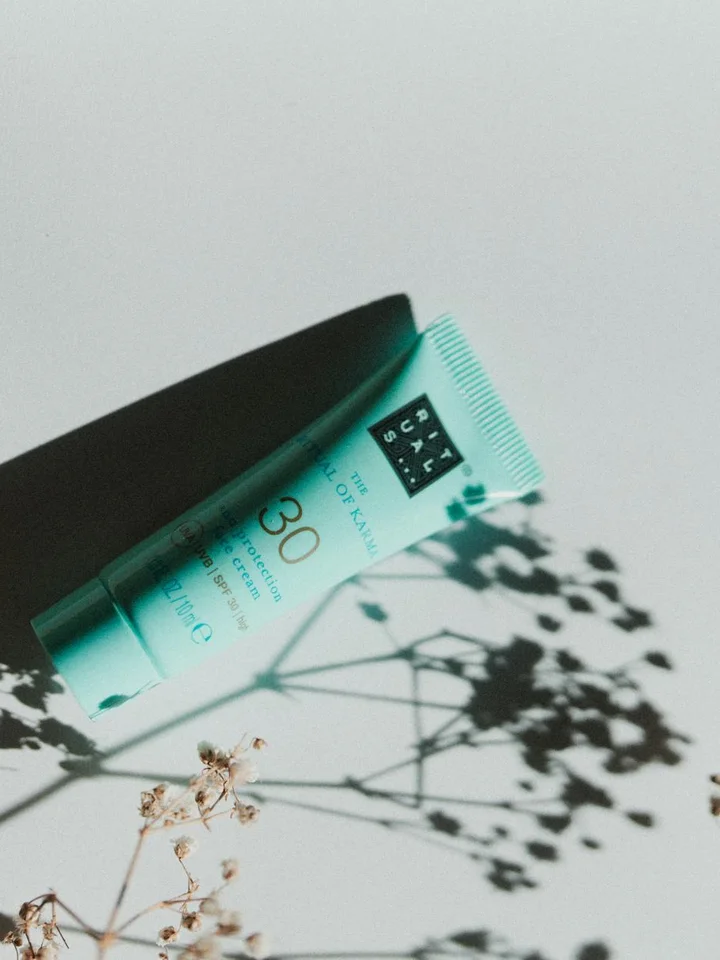
Yes, avobenzone is considered safe for daily use by major regulatory bodies like the U.S. FDA and the European Commission. It has been a trusted sunscreen ingredient for decades because it effectively absorbs the full spectrum of UVA rays, which are primarily responsible for skin aging and can penetrate glass, making it essential for anti-aging UV protection.
You might wonder if it causes irritation or gets absorbed into your body. For most people, avobenzone does not cause irritation in well-formulated products. Think of it like this: a good formula locks the active ingredient in place on the skin’s surface, where it needs to work, and pairs it with calming agents. If you have very sensitive skin, you might feel a slight sting, especially on a damaged moisture barrier.
A 2020 FDA study did find that some chemical filters, including avobenzone, can be absorbed into the bloodstream in very small amounts. This research was designed to check for absorption, not to prove harm. The detected levels were minuscule, and the FDA explicitly stated that these findings do not mean the ingredients are unsafe. More research is always ongoing, but current evidence supports its safe use.
For daily protection, application is key. Use about a quarter-sized amount for your face and neck. Reapply every two hours if you are outdoors or near a window. A moisturizer with SPF is not enough for a full day outside; you need a dedicated sunscreen.
I think of my client Noah, who has dry, reactive skin. He was wary of chemical sunscreens. We found a formula with avobenzone that also contained niacinamide and ceramides. The soothing ingredients created a buffer, and his skin felt protected without any redness. It became his daily go-to.
Contraindications & Safety Warnings
While generally safe, there are times to be cautious with avobenzone or any new sunscreen.
- If you have a documented allergic contact dermatitis to avobenzone (confirmed by a dermatologist), you should avoid it.
- If your skin barrier is severely compromised from over-exfoliation or a condition like eczema, it may sting. Focus on barrier repair first.
- If you are pregnant or nursing, the general advice is to use sunscreens with mineral filters like zinc oxide, as they are not absorbed. Always consult your doctor for personalized advice.
If you have sensitive skin, always patch test a new sunscreen. Apply a small amount behind your ear or on the inside of your forearm for three to five days. Watch for any redness, itching, or swelling before using it on your face.
The Unwanted Guest: Understanding Benzene Contamination
Let’s be perfectly clear: benzene is never an intentional ingredient in sunscreen. It is a known human carcinogen and has no place in skincare. Its presence is always a trace contaminant, an unwanted guest that sometimes slips in during manufacturing.
Benzene can appear in vanishingly small amounts if certain solvents or raw materials used in the factory are contaminated. It’s not about the sunscreen ingredients themselves, but about the broader supply chain and production process.
The serious health risks linked to benzene-like leukemia-are associated with high-level, prolonged occupational exposure, such as working in an industrial plant without proper safety measures. This is fundamentally different from the context of trace contamination in consumer products.
Reputable brands test their products and raw materials rigorously. Benzene contamination is detected through advanced lab techniques like gas chromatography, which can identify substances at parts-per-million levels. Quality control involves screening batches and auditing suppliers to prevent contamination. Choosing sunscreens from transparent, established brands is your best defense.
How to Read Your Sunscreen Label with Confidence

Staring at the tiny print on a sunscreen bottle can feel like reading another language. I get it. My client Noah brought in three different bottles last week, completely overwhelmed. Let’s break it down into what actually matters for your skin’s safety and health.
When you look at a label, don’t just scan for scary-sounding names. Look for the whole picture. First, check the Sun Protection Factor (SPF) and the spectrum of protection. You want “Broad Spectrum,” which means it shields against both UVA (aging) and UVB (burning) rays. An SPF 30 or higher is the general recommendation.
To find avobenzone, look for its scientific name: butyl methoxydibenzoylmethane. It’s often listed under “Active Ingredients.” Seeing it there isn’t a red flag; it means the formula contains a powerful UVA protector.
Because avobenzone can break down in sunlight, smart formulations pair it with stabilizers. Ingredients like octocrylene, homosalate, or even newer filters like Tinosorb S help lock avobenzone in place, making your protection last longer. Think of it like a supportive friend who helps someone do their best work.
For extra peace of mind, look beyond the ingredient list. Check for third-party certifications from organizations like the National Eczema Association or Skin Cancer Foundation. These stamps mean the product has passed additional testing for safety or efficacy. Also, note the batch code or expiration date. This lets you track a product if there’s ever a recall.
Your safety choice extends to the planet and its inhabitants. I advocate for brands that are Leaping Bunny certified (crucially free) and use sustainable packaging. A brand’s ethics in these areas often reflect a deeper commitment to thoughtful, safe formulation.
If You’re Hesitant: Exploring Other Sunscreen Filters
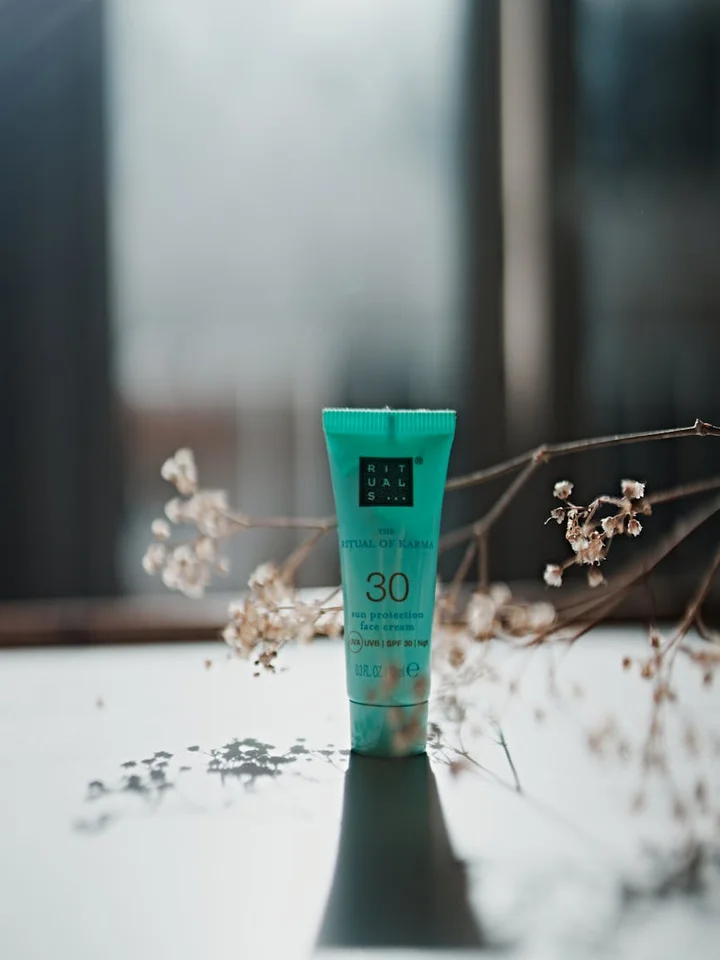
If the chemistry talk makes you nervous, you have options. The good news is modern sunscreen science offers several effective paths.
Other chemical filters can be excellent choices. Filters like Mexoryl SX/XL (ecamsule) and Tinosorb S and M are inherently photostable, meaning they don’t degrade as quickly in the sun and don’t always need a stabilizer. They offer robust, broad-spectrum protection and are often found in elegant, lightweight formulas that feel great on skin.
Then there are mineral sunscreens, also called physical or inorganic blockers. These use zinc oxide and/or titanium dioxide. Instead of absorbing UV light, they sit on top of your skin to reflect and scatter it away. Mineral filters are naturally broad-spectrum and are less likely to cause stinging or irritation, making them a top pick for sensitive, reactive skin like Noah’s. The trade-off can be a thicker consistency and potential for a white cast, though many newer formulas have minimized this.
No type of sunscreen is perfect for everyone. Chemical filters can feel lighter but may irritate some. Mineral filters are gentle but can feel heavier. The absolute best sunscreen is the one you will apply generously, every single day, without hesitation. It’s a non-negotiable part of skin health.
Here’s how that choice might look in a simple routine:
- For Maya (oily, acne-prone): After her vitamin C serum, she uses a dime-sized amount of a fragrance-free, oil-free fluid with modern chemical filters like Tinosorb. It absorbs quickly with no shine.
- For Noah (dry, reactive): Over his moisturizer, he gently pats in a zinc oxide-based tinted cream. The tint blends away any white cast, and the cream adds a layer of comfort to his dry cheeks.
- For Lina (combination): She prefers a hybrid sunscreen with both zinc oxide and chemical filters. It provides gentle mineral protection while the chemical agents keep the texture light enough for her T-zone.
Making Your Choice: A Personalized Sunscreen Strategy
Let’s bring this all together. Avobenzone, in the formulas you can buy today (especially reef-safe options), is considered a safe and highly effective sunscreen ingredient when used as directed. Benzene is a known, dangerous contaminant that has no place in any skin care product. The key difference is intention: one is a carefully studied, regulated active ingredient, and the other is a banned industrial chemical.
Your goal isn’t to pick a “winning” molecule, but to find a sunscreen you’ll use every single day. The best sunscreen is always the one you love enough to apply generously and reapply often.
Choosing Based on Your Skin’s Personality
Think of your skin’s needs first. Here’s a simple guide.
If you have sensitive, reactive, or eczema-prone skin like my client Noah:
- Mineral sunscreens with zinc oxide and/or titanium dioxide are often your safest bet. They sit on top of the skin and are less likely to cause a reaction.
- Look for formulas labeled “fragrance-free” and “for sensitive skin.”
- Even with mineral options, do a patch test behind your ear for a few days.
If you have oily or acne-prone skin like Maya:
- You might prefer the feel of chemical sunscreens, including those with avobenzone. They tend to be more lightweight and invisible.
- Look for words like “oil-free,” “non-comedogenic,” or “matte finish” on the label.
- Gel-based or fluid lotion textures often work beautifully without feeling heavy.
If you have combination skin like Lina, or just hate the feel of sunscreen:
- This is where experimentation is key. You might use a mineral stick for the sensitive cheek area and a light chemical lotion for the oilier T-zone.
- Many modern hybrid sunscreens blend mineral and chemical filters to offer a more elegant feel with broad protection.
- Texture is everything. Try samples or travel sizes to find one that feels like nothing on your skin.
The One Rule That Outweighs Every Fear
After twenty years in treatment rooms, I have seen the profound damage from sun exposure and the equally profound protection a simple habit provides.
Wearing any broad-spectrum sunscreen daily is infinitely safer for your skin’s health than avoiding sunscreen due to fear or confusion.
Do not let perfect be the enemy of good. If the only sunscreen you’ll consistently use is a chemical formula with avobenzone, use it. If you feel better with a mineral option, use that. The risk of daily, unprotected UV exposure-which leads to premature wrinkles, dark spots, and significantly increases skin cancer risk-is a proven, immediate danger. The hypothetical concerns around a well-regulated ingredient like avobenzone pale in comparison.
Find your formula, make it a non-negotiable part of your morning, and live your life with protected, healthy skin.
Warmly,
Your Esthetician
Your Quick Questions on Safety, Answered
Can Avobenzone cause skin irritation or allergic reactions?
For most people, avobenzone in modern, well-formulated sunscreens does not cause irritation. If you have a compromised skin barrier or a specific, rare allergy to it, you may experience stinging or redness, which is why patch testing is always wise.
How can I be sure my sunscreen is free from benzene?
Reputable brands rigorously test raw materials and final products using methods like gas chromatography to detect trace contaminants. Your best assurance is to choose sunscreens from transparent, established companies with a strong record of quality control.
If I want to avoid Avobenzone, what are the most stable alternatives?
For similarly effective broad-spectrum protection, look for formulas containing zinc oxide or modern, photostable filters like Tinosorb S or M. The best choice is always a sunscreen you’ll use consistently, so focus on finding a texture and formulation you love.
Final Thoughts on Sunscreen and Skin Safety
Your safest choice is a well-formulated, broad-spectrum sunscreen you’ll use every single day. Avobenzone, when stabilized in a modern formula, is a tested and effective UV filter, while benzene is a known contaminant that has no place in your skin care products. When you compare avobenzone to oxybenzone in sunscreen, you’ll see how formulations balance stability and safety for everyday protection. Understanding this distinction helps you move past fear and make confident choices.
- Apply a broad-spectrum sunscreen daily; it’s your best defense against skin aging and damage.
- Read your sunscreen’s ingredient list to know what’s protecting you and to avoid allergens.
- Choose a mineral (zinc oxide/titanium dioxide) formula if you have sensitive skin or prefer a physical filter.
- When in doubt, patch test a new sunscreen on your inner arm before applying it to your face.
- Bring your sunscreen questions to your dermatologist or esthetician for personalized advice.
We’re committed to providing clear, science-backed guidance to help you navigate your skin care journey. If you have more questions about ingredients or sustainable, cruelty-free product choices, I’m here to help. You can always find more trusted advice right here on the LuciDerma blog.
Related Guides and Information
- Avobenzone – Wikipedia
- Sunscreen Safety and Efficacy for the Prevention of Cutaneous Neoplasm – PMC
- Avobenzone Sunscreen Has Made Headlines-But Is It Actually Unsafe?
- The trouble with sunscreen ingredients | EWG’s Guide to Sunscreens
- What’s Wrong With Sunscreens Containing Avobenzone?
- r/SkincareAddiction on Reddit: [Sun care] What is the deal with oxybenzone and avobenzone?
- Avobenzone Uncovered: The Safety and Efficacy of This Sunscreen Ingredient
- Avobenzone – an overview | ScienceDirect Topics
Lucy Zimmerman
Lucy is an expert author and blogger when it comes to skin care and body care. She has first hand expertise acting as skin care consultant for over 5+ years helping her clients achieve smooth blemish free skin with natural and working remedies. She also has been an avid experimenter and tried out all the natural and artificial remedies and treatments so you can learn from her first hand experience. Additionally, she has traveled to many countries around the world and incorporated the skin care routines she has learnt into this blog. So, wait no more, reach out to Lucy if you have any specific needs and follow her blog, LuciDerma for expert skin care advice.